Hydrangea, Genus, paniculata, Species, 'Renhy', Cultivar,
- Genus & species
- Cultivar
vanilla strawberry hydrangea tree
Eastern Asia (Japan, eastern China, Korea, Russian Far East)
Overview
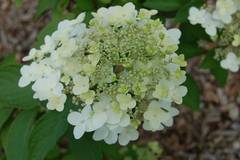
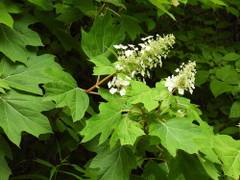
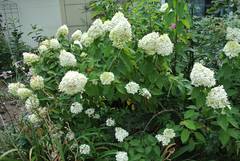
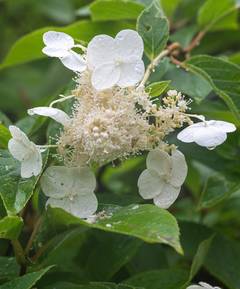
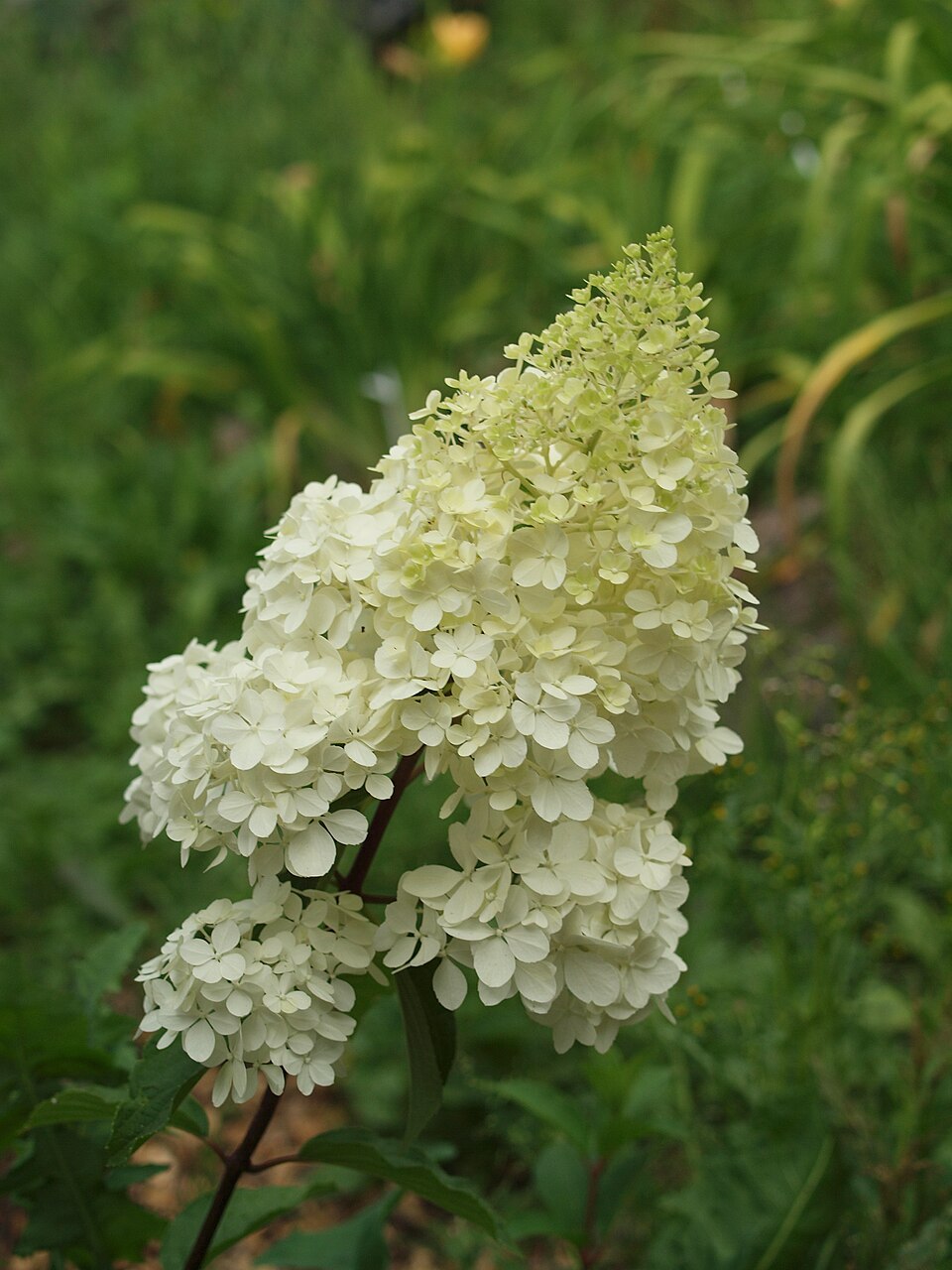
Hydrangea paniculata 'Renhy', sold under the trade name Vanilla Strawberry and grown as a tree-form (standard), is a deciduous shrub grafted or pruned to a single straight trunk and reaching 6-8 feet (1.8-2.4 m) tall and 4-5 feet (1.2-1.5 m) wide at maturity, with a rounded canopy on a 4-5 foot (1.2-1.5 m) clear stem. Leaves opposite or in whorls of three, ovate to elliptic, 3-6 inches (7.5-15 cm) long, medium green, finely serrated. Flowers in conical panicles 6-10 inches (15-25 cm) long, opening pure white in mid-July, gradually shifting to pink in early August and deep strawberry-red by late August into fall. Sterile florets persist on the plant in dried form into winter. Growth rate moderate, adding 12-24 inches (30-60 cm) per year. Cold hardy to USDA zone 4 (-30°F / -34°C); flowers form on current-season growth, so bloom is reliable even after severe winters. Tree-form plants require staking through the first three growing seasons and can lose the trunk to severe wind events. Suckers from the rootstock are removed at the base when noticed.
Native Range
Hydrangea paniculata is native to Japan, eastern China, Korea, and the Russian Far East, growing in mixed forests and along forest edges at 600-4,000 feet (180-1,200 m) elevation. The 'Renhy' cultivar was developed in cultivation by Jean Renault of France and patented in 2010 (PP20,670).Suggested Uses
Used as a specimen in lawns, mixed borders, and along driveways, where the tree form acts as a vertical accent in a small garden. Planted on 6-10 foot (1.8-3 m) centers in groupings or formal allees. Suitable for large containers of at least 25 gallons (95 L) with adequate drainage; container plants reach approximately 70% of in-ground mature size and require winter protection in zones 5 and colder.How to Identify
Appearance
Size & Dimensions
Height6' - 8'
Width/Spread4' - 5'
Bloom Information
Mid-July through October in zones 4-8, beginning 1-2 weeks earlier in zones 5-7. White-stage bloom lasts 2-3 weeks, pink-stage 3-4 weeks, and strawberry-red stage 4-6 weeks. Total bloom display extends 12-14 weeks. Color development is most intense in cool nights (below 60°F / 16°C); in zones 9 and warmer, panicles often hold at pink without reaching the deep strawberry-red stage.
Detailed Descriptions
Flower Description
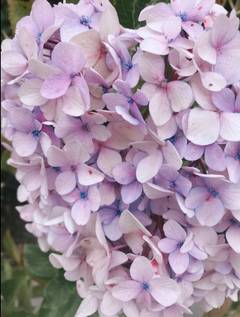
white aging to pink to strawberry-redFoliage Description
medium greenGrowing Conditions
Sun Requirements
Requires 6-8 hours of direct sunlight daily
• Full Sun: 6+ hours of direct sunlight
• Partial Shade: 3-6 hours of direct sunlight
• Full Shade: Less than 3 hours of direct sunlight
Care & Maintenance
Care Guide
Water deeply weekly during the first two growing seasons, applying 1 inch (2.5 cm) per week in the absence of rain. Established plants require consistent moisture during bloom; flagging foliage and panicle wilt indicate water stress. Fertilize once in early spring with a balanced fertilizer at the rate listed on the label. Mulch 2-3 inches (5-7.5 cm) deep with shredded bark, held back from the trunk. Tree-form plants require continued staking through year 3 to maintain the trunk shape under wet panicle weight. Plants live 25-40 years in suitable sites.Pruning
Prune in late winter or very early spring before bud break to maintain canopy shape. Cut the previous year's growth back by one-third to two-thirds; harder pruning produces fewer but larger panicles. Remove crossing or damaged branches at the base of the canopy. Suckers from the rootstock are pulled or cut off at the point of origin throughout the growing season. The clear trunk should not be allowed to develop side shoots; rub off emerging buds when noticed.Pruning Schedule
Prune: February–March
winterearly spring
Container Growing
Suitable for container growing
Minimum container size: 25 gallons