Hydrangea, Genus, arborescens, Species, 'Abetwo', Cultivar,
- Genus & species
- Cultivar
Incrediball hydrangea
Overview
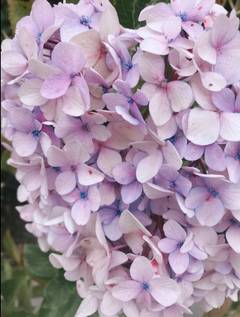
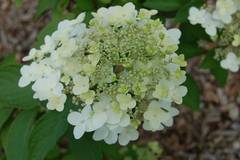
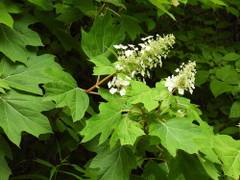
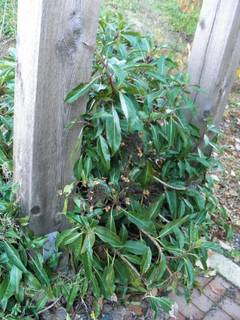
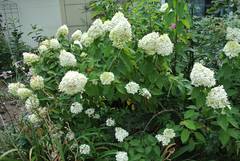
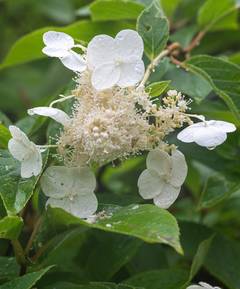
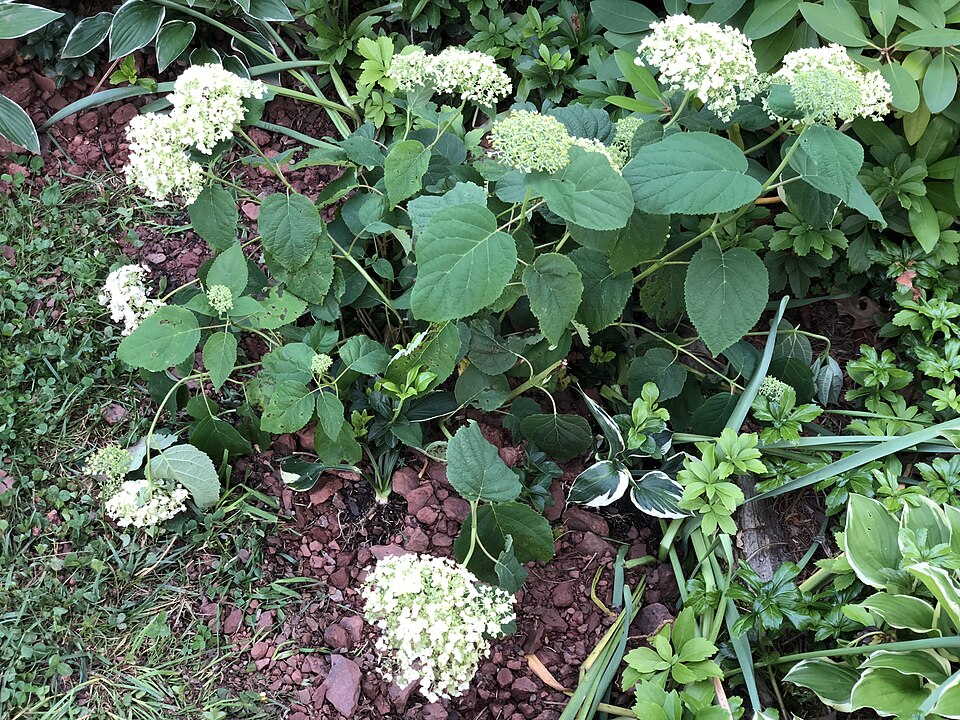
Hydrangea arborescens 'Abetwo' is a deciduous shrub reaching 4-5 feet (1.2-1.5 m) tall and 4-5 feet (1.2-1.5 m) wide with an upright rounded habit. Leaves are heart-shaped to broadly ovate, 4-8 inches (10-20 cm) long, medium green with serrated margins. Spherical inflorescences open in early summer, reaching 8-12 inches (20-30 cm) across, larger than the 6-8 inch (15-20 cm) heads of H. arborescens 'Annabelle'. Flowers open lime-green, mature to pure white over 2-3 weeks, then fade to soft jade green by August. Stems are stout and woody at the base, holding the heavy flowerheads upright in still conditions; light flopping occurs after heavy rain. Annual growth is 18-30 inches (45-75 cm); plants reach mature size in 3-4 years. Plants flower on current-season wood, so winter cold and late frost do not eliminate bloom. Cold-hardy to -40°F (-40°C).
Native Range
Hydrangea arborescens is native to moist woodlands, stream banks, and shaded slopes from New York south to northern Florida and west to Iowa, growing on calcareous to acidic soils in dappled shade. The species was introduced to British horticulture in 1746. H. arborescens 'Abetwo' was developed by Dr. Tom Ranney at North Carolina State University and patented in 2009 (US PP20,571), released through Proven Winners under the Incrediball trade name.Suggested Uses
Planted as a specimen, in mixed shrub borders, foundation plantings, and informal hedges at 4-5 feet (1.2-1.5 m) spacing. Cold-hardy to zone 3 (-40°F / -40°C), suitable for cold-climate gardens where H. macrophylla cultivars fail. Grows in 10-15 gallon (38-57 L) containers with weekly summer watering; container plants typically remain shorter than in-ground specimens.How to Identify
Appearance
Size & Dimensions
Height4' - 5'
Width/Spread4' - 5'
Bloom Information
Inflorescences open lime-green in late May to mid-June in zones 4-7 and early May in zones 8-9. Heads mature to pure white over 2-3 weeks, then transition through cream to soft jade green by mid-August, holding green tones until first hard frost. Total in-color period is 14-16 weeks. Plants flower on current-season wood; bloom occurs reliably across the hardiness range.
Detailed Descriptions
Flower Description
Lime-green opening, maturing to white, fading to jade greenFoliage Description
Medium greenGrowing Conditions
Sun Requirements
Requires 4-6 hours of direct sunlight daily
• Full Sun: 6+ hours of direct sunlight
• Partial Shade: 3-6 hours of direct sunlight
• Full Shade: Less than 3 hours of direct sunlight
Care & Maintenance
Care Guide
Plants establish in 1-2 growing seasons with weekly deep watering during the first summer. Mature plants tolerate 1-2 weeks without rain in zones 4-6 but need supplemental water during prolonged drought in zones 7-9. Soil pH 5.5-7.5 supports consistent flowering. Powdery mildew develops occasionally in still humid summers but remains cosmetic. Aphids may colonize new growth in May; populations decline as foliage hardens. The strong stems hold flowerheads upright in still conditions, but heavy rain or wind during peak bloom can bend stems.Pruning
Stems are cut to 6-12 inches (15-30 cm) above ground in late winter (February-March) before bud break to encourage strong new shoots and large terminal flowerheads. Plants flower on current-season wood, so heavy pruning does not eliminate bloom. Selective removal of weak interior stems in early spring reduces flopping in summer storms.Pruning Schedule
Prune: February–March
winter
Container Growing
Suitable for container growing
Minimum container size: 10 gallons