Hydrangea, Genus, paniculata, Species,
- Genus & species
Panicle hydrangea
Japan, southern and eastern China, Korea, and Sakhalin in the Russian Far East
Overview
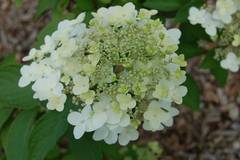
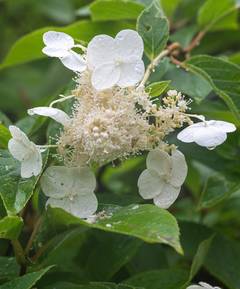
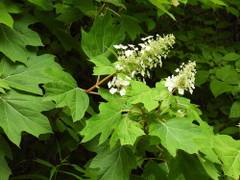
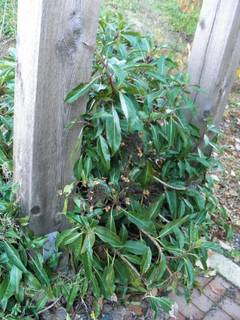
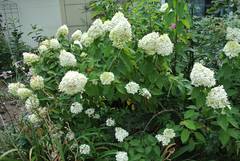
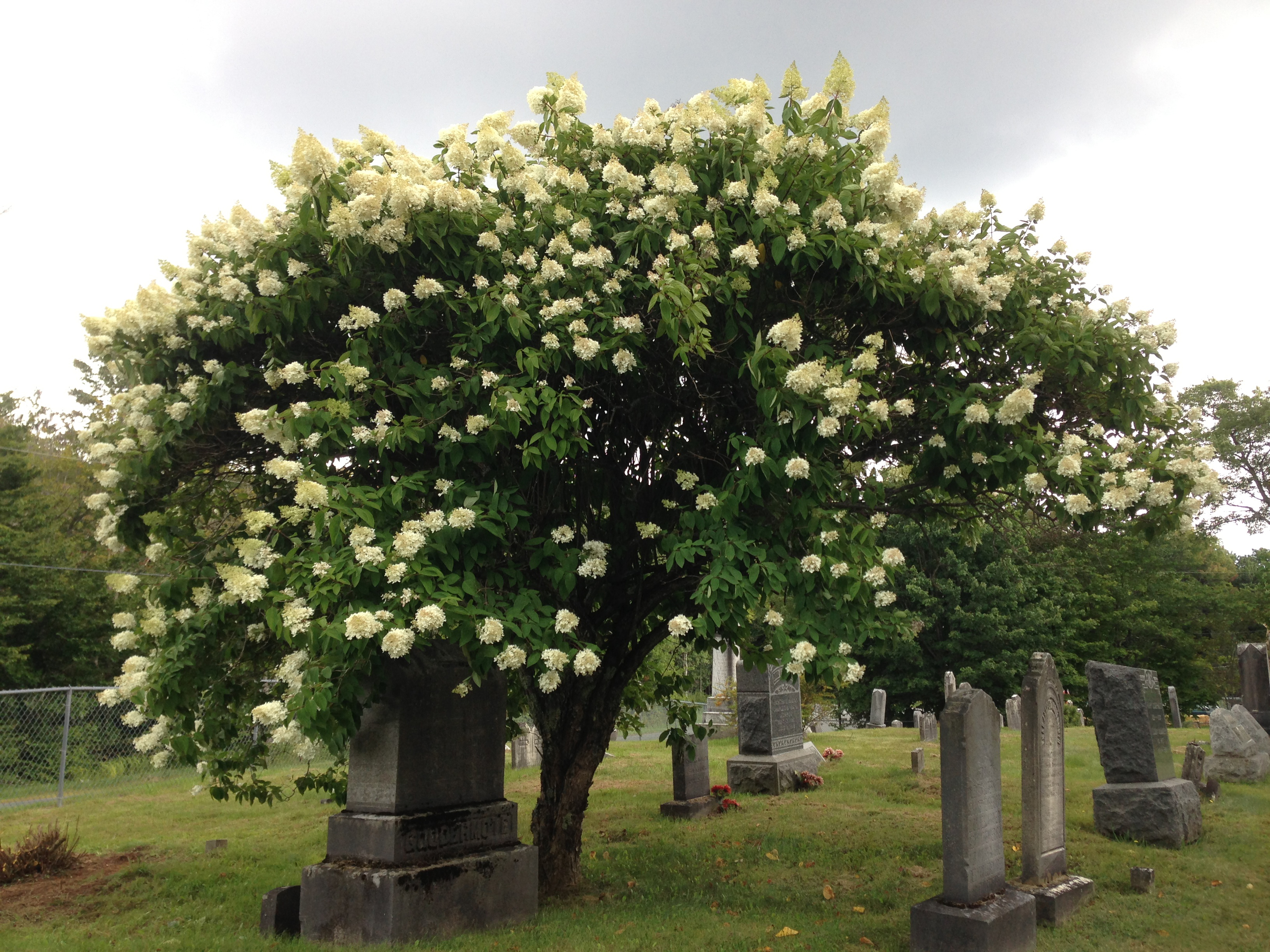
Hydrangea paniculata is a deciduous shrub or small multi-stemmed tree growing 8-15 feet (2.4-4.5 m) tall and 6-12 feet (1.8-3.6 m) wide, with untrained specimens in old gardens reaching 25 feet (7.5 m). Leaves are opposite or in whorls of three, ovate to elliptic, 3-6 inches (7-15 cm) long, with serrate margins and coarse hairs on both surfaces. Conical panicles 6-18 inches (15-45 cm) long open from early July to September, mixing small fertile flowers about 0.1 inch (3 mm) across with sterile ray florets 0.8-1.2 inches (2-3 cm) wide. Panicles open greenish-white, hold white for three to five weeks, then flush pink to rose as night temperatures fall, drying to tan by November. Flower buds form on shoots produced in the current season, so a hard winter or a late-winter cut leaves the coming bloom intact. Soil pH has no effect on flower colour. Stems bend or break under saturated panicles after heavy rain, particularly on plants cut hard the previous spring. Foliage and buds contain cyanogenic glycosides and cause vomiting and diarrhoea in dogs, cats, horses, and people. Hardy in USDA zones 3-8.
Native Range
Hydrangea paniculata is native to Japan, southern and eastern China, Korea, and Sakhalin in the Russian Far East. It grows on open mountain slopes, forest margins, and rocky stream banks between 1,300 and 6,600 feet (400-2,000 m). Escapes from cultivation are recorded along woodland edges across New England and the mid-Atlantic states.Suggested Uses
Planted as a hedge at 5-6 foot (1.5-1.8 m) spacing, as a border shrub, and as a standard trained to a single trunk. Cut stems are used fresh in mid-summer and dried from the tan stage in autumn. Container plants take 15 gallons (57 L) or more of root volume and daily watering in summer heat.How to Identify
Appearance
Size & Dimensions
Height8' - 15'
Width/Spread6' - 12'
Bloom Information
Panicles open from early July in USDA zone 7 and from mid-July in zone 4, with colour held into late September. A single panicle passes through greenish-white, white, pink, and tan over eight to twelve weeks. Because flower buds form on current-season shoots, bloom follows even after stems are cut to 12 inches (30 cm) in late winter. Plants in fewer than four hours of direct sun carry panicles about half the length of those in full sun.
Detailed Descriptions
Flower Description
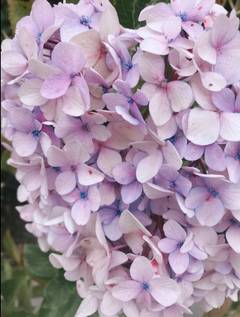
greenish-white opening to white, ageing pink to rose then tanFoliage Description
medium to dark green, turning yellow before leaf dropGrowing Conditions
Sun Requirements
Requires 4-8 hours of direct sunlight daily
• Full Sun: 6+ hours of direct sunlight
• Partial Shade: 3-6 hours of direct sunlight
• Full Shade: Less than 3 hours of direct sunlight
Care & Maintenance
Care Guide
Four to eight hours of direct sun daily carries full panicle size, with afternoon shade reducing leaf scorch where summer temperatures pass 90 F (32 C). Soil is moisture-retentive loam at pH 5.0-7.5; unlike H. macrophylla, panicle colour does not shift with soil pH or aluminium availability. Water use is about 1 inch (2.5 cm) per week, and leaves wilt within two days of the root zone drying out. A single spring application of balanced granular fertiliser at 1 pound per 100 square feet (0.5 kg per 9 sq m) covers the season; higher nitrogen produces soft stems that bend under the panicles. Powdery mildew, leaf spot caused by Cercospora, and aphids occur in crowded plantings with restricted air movement.Pruning
Cutting is done from late winter to early spring before bud break, because flowers form on shoots grown in the current season. Stems are shortened by one third, or cut to a framework 12-24 inches (30-60 cm) tall for larger panicles on fewer stems. Hard cutting produces long, soft shoots that bend under the flower heads, so a lighter cut leaving 24-36 inches (60-90 cm) of old wood holds the stems upright. Dried panicles left over winter come off with the spring cut.Pruning Schedule
Prune: February–March
winterearly spring
Container Growing
Suitable for container growing
Minimum container size: 15 gallons