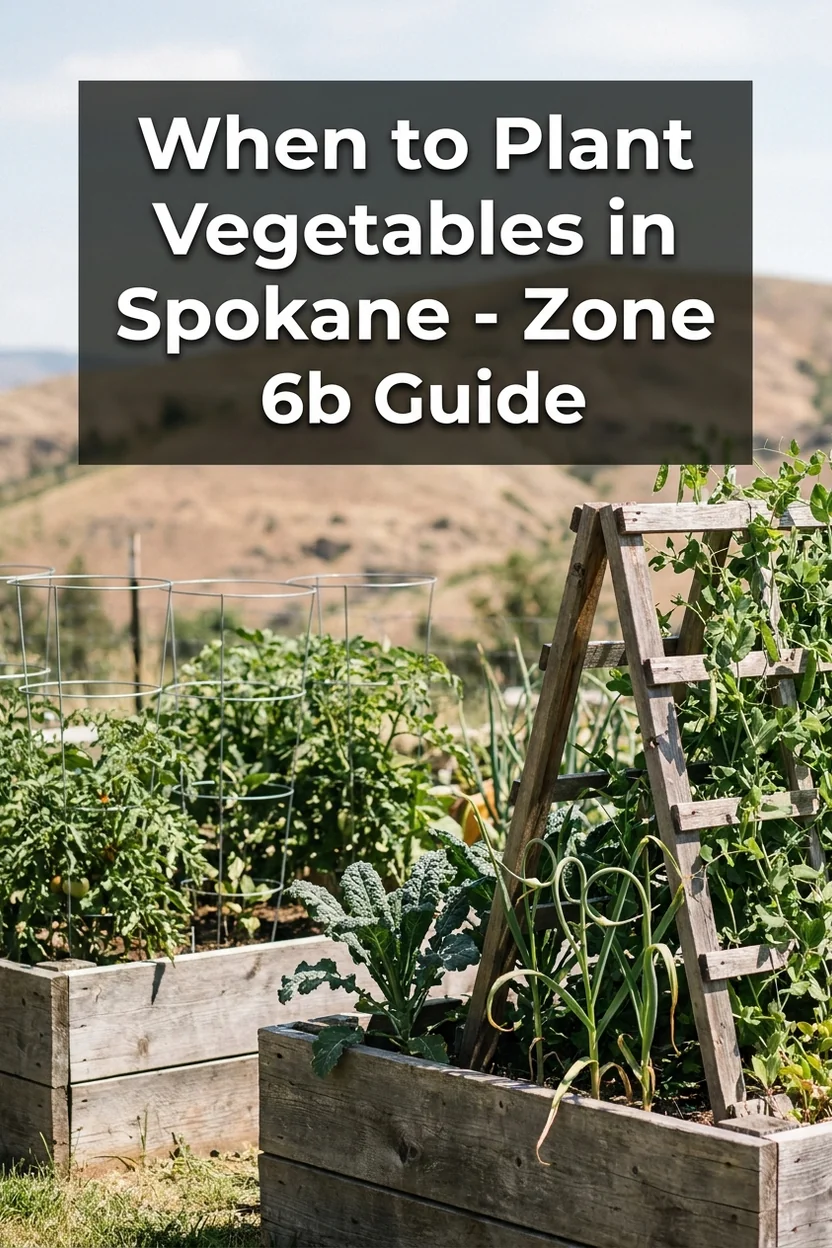
When to Plant Vegetables in Spokane: Zone 6b Dates + Varieties
Pets & Toxicity
Recorded toxicity for plants linked in this guide. An unknown status is not a safety assessment.
Solanum lycopersicum 'Glacier' — Toxicity Warning
Toxic to petsView Solanum lycopersicum 'Glacier' plant profileSolanum lycopersicum 'Roma' — Toxicity Warning
Toxic to petsView Solanum lycopersicum 'Roma' plant profileBrassica oleracea 'Copenhagen Market' — Toxicity
Non-toxicView Brassica oleracea 'Copenhagen Market' plant profileAllium cepa 'Walla Walla' — Toxicity Warning
Toxic to petsView Allium cepa 'Walla Walla' plant profile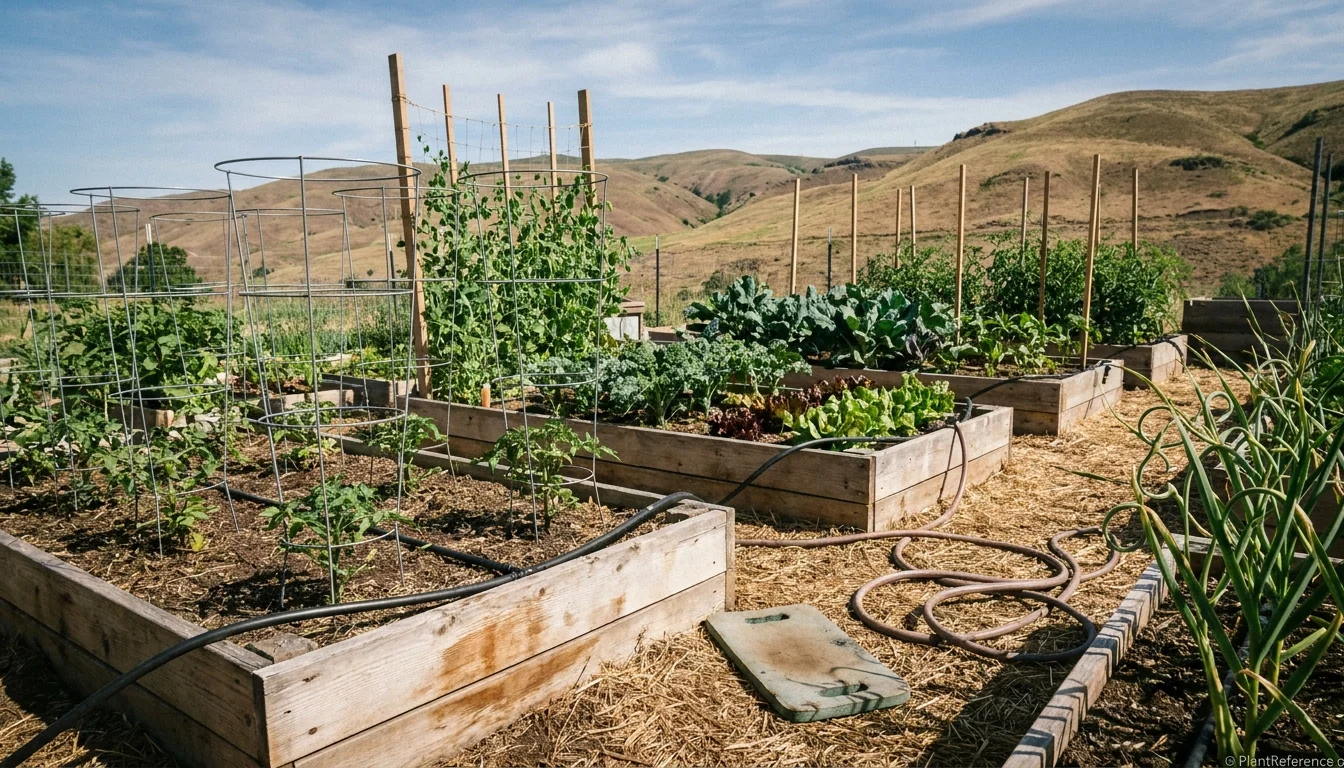
— Image © Plant Reference 2026
Growing vegetables in Spokane means working with Zone 6b on the inland, semi-arid side of the Cascades—a climate that looks nothing like Seattle's mild maritime corridor a few hundred miles west. The May 13 average last frost and October 5 first frost give Spokane gardeners about 160 days to get a full crop in. That sounds tight, and it is, but the heat accumulates fast once summer arrives. Pick the right varieties, time your planting around real soil temperatures, and Spokane can produce tomatoes that ripen reliably and brassicas that stay sweet well into October.
Best Vegetables for Spokane's Zone 6b Climate
Spokane gardeners face two real constraints. The first is the 160-day frost-free window—shorter than the maritime PNW, shorter than most of the Midwest, but workable. The second is soil that runs alkaline, often pH 7.0 to 7.8, which limits some classic crops (blueberries especially) and shifts how you amend the bed before planting. Picking varieties that mature on time and tolerate alkaline conditions is the difference between full pantries and frustration.
For tomatoes, short-season varieties matter more than anything else. 🌿Solanum lycopersicum 'Glacier' (so-LAY-num ly-co-PER-si-cum) at 55 days to maturity sets fruit even when nights drop into the 40s—a real Spokane risk through late May. Solanum lycopersicum 'Siberian' at 58 days is the other reliable cold-tolerant pick. For paste tomatoes, 🌿Solanum lycopersicum 'Roma' at 65 days handles the calendar adequately, and 🌿Solanum lycopersicum 'Sungold' cherries at 65 days produce abundantly from late July through the first hard frost.
For peppers, Capsicum annuum 'Yankee Bell' (CAP-si-cum AN-yoo-um) and 🌿Capsicum annuum 'Sweet Banana' at 60-70 days are the realistic Spokane choices. Standard bell peppers bred for the South need accumulated heat units Spokane doesn't reliably deliver.
Brassicas are the surprise winners. 🌿Brassica oleracea 'Lacinato' (BRASS-i-ka oh-ler-AY-see-uh) kale, 🌿Brassica oleracea 'Calabrese' broccoli, and 🌿Brassica oleracea 'Copenhagen Market' cabbage all hit their best flavor after light fall frosts, which Spokane delivers consistently from late September on. Peas like Pisum sativum 'Oregon Sugar Pod II' (PY-sum sa-TY-vum) thrive in the cool April soil and produce through June before summer heat shuts them down.
For root crops, 🌿Daucus carota 'Nantes' (DAW-kus ka-RO-ta) carrots handle Spokane's clay-loam beds well when amended with compost, and 🌿Allium cepa 'Walla Walla' (AL-ee-um SEE-pa)—a regional long-day variety bred just down the highway—is the obvious onion choice. Skip short-day onions; they will not bulb properly at Spokane's latitude.
Vegetable | Best Variety for Spokane | Days to Maturity | Notes |
|---|---|---|---|
Tomato (slicer) | 55 | Sets fruit in cool nights | |
Tomato (paste) | 65 | Heavy producer, good for canning | |
Pepper (sweet) | Capsicum annuum 'Yankee Bell' | 60-70 | Early-ripening; needs warm site |
Kale | 60 | Sweetens after fall frost | |
Broccoli | 65 | Spring and fall double crop | |
Pea | Pisum sativum 'Oregon Sugar Pod II' | 60 | Cool-spring direct sow |
Carrot | 65 | Tolerates alkaline soil | |
Onion (long-day) | 110-120 | Mild flavor, regional variety |
Specific Planting Dates for Spokane
The Spokane planting calendar anchors on two dates: May 13 last frost and October 5 first frost. Build everything else around those two anchors with realistic safety buffers. The most expensive mistake Spokane gardeners make is trusting an unseasonably warm April week and getting transplants in the ground before they're ready.
Indoor Seed Starting
Start cool-season transplants—brassicas, lettuce, onions—indoors in early to mid-March, about 6-8 weeks before the May 13 last frost. Use a quality seedling mix and keep soil temperatures between 65-75°F (18-24°C) for fastest germination.
Start warm-season crops—tomatoes, peppers, eggplant—indoors in late March to early April, 7-8 weeks before the transplant date. Peppers need a longer indoor head start than tomatoes and benefit from bottom heat to germinate reliably. Place all seedlings under grow lights for 14-16 hours daily once they emerge to prevent leggy stretching.
Direct Sowing Cool-Season Crops
As soon as you can work the soil—often by early to mid-April in Spokane—direct sow Pisum sativum 'Oregon Sugar Pod II' peas, 🌿Daucus carota 'Nantes' carrots, 🌿Lactuca sativa 'Buttercrunch' (lak-TOO-ka sa-TY-va) lettuce, spinach, radishes, and beets. These crops tolerate light frost and actually germinate better in cool soil than warm.
Plant garlic the previous September 15-October 5 for harvest the following July. Garlic put in this fall is your earliest summer harvest next year.
Transplanting Cool-Season Crops Outdoors
Move hardened-off brassica transplants and lettuce outside in mid to late April. Light frost protection (row cover or cloches) helps if overnight temperatures dip below 28°F (-2°C), but established brassicas and lettuce handle frost down to about 24°F (-4°C) without damage. Row covers also exclude root maggot flies during the critical first month.
Transplanting Warm-Season Crops
This is the date Spokane gardeners get wrong most often. Wait until May 20-30 to transplant tomatoes, peppers, eggplant, melons, cucumbers, and squash. Soil temperature at 4 inches (10 cm) deep should read at least 60°F (16°C)—measure it, do not guess. Air temperature can hit 80°F (27°C) for a week while soil at root depth still sits at 55°F (13°C), and cold soil stalls warm-season crops worse than cool air would.
For the impatient: pre-warm beds with black plastic mulch starting in late April, and use Wall-o-Water cloches around individual transplants to gain 2-3 weeks of safety on the early end.
Direct Sowing Warm-Season Crops
Direct sow bush beans, sweet corn, summer squash, and cucumbers from late May through mid-June once soil hits 65°F (18°C). The later half of this window still gives short-season varieties time to mature before the October 5 first frost.
Late-Summer Succession Planting
Spokane's summer-to-fall transition supports a strong second planting cycle. Direct sow lettuce, spinach, kale, and radishes from mid-July through mid-August for fall harvest. The cooler nights of September actually improve brassica flavor.
Key Date Summary for Spokane
Indoor seed start (cool crops): Early to mid-March
Indoor seed start (warm crops): Late March to early April
Direct sow cool crops (peas, lettuce, carrots): Early to mid-April
Transplant brassicas/lettuce outdoors: Mid to late April
Last average frost: May 13
Transplant warm-season crops: May 20-30 (soil at 60°F)
Direct sow warm crops (beans, corn, squash): Late May through mid-June
Fall succession (lettuce, kale, radish): Mid-July through mid-August
First average frost: October 5
Plant garlic for next year: Sept 15 – Oct 5
Complete Growing Guide for Spokane
Site Selection and Soil Preparation
Spokane vegetable beds need full sun—8+ hours daily—and southern exposure if available. Eastern Washington summer sun is intense, and that's an advantage for fruiting crops once they're established. Avoid low spots that collect cold air in spring; a south-facing slope or wall-warmed pocket can effectively bump your microclimate half a zone warmer. The Complete Guide to Raised Bed Gardening for Beginners (2025)
Prepare beds 2-3 weeks before planting by working in 2-3 inches (5-7.5 cm) of finished compost. Spokane's native soil is variable—some neighborhoods have decent silty loam, others sit on the Columbia Basin's basalt-derived clay or sandy glacial outwash. Test your specific bed before assuming. The dominant chemical issue is alkaline pH (often 7.5 to 8.0), which locks up iron and manganese. If a soil test confirms high pH, work in elemental sulfur at 2-4 lbs (0.9-1.8 kg) per 100 square feet (9.3 m²) months ahead of planting for a half-point pH drop. Raised Bed Soil pH Problems: Testing, Adjusting, and Maintaining Balance
Raised beds solve multiple Spokane problems at once: they warm faster in spring, drain better during snowmelt and spring storms, and let you build a custom soil chemistry independent of native conditions. Best Soil for Raised Beds: 6 Commercial Mixes Tested and Compared
Watering: The Inland PNW Challenge
Spokane gets roughly 17 inches (43 cm) of annual precipitation, most of it falling as winter snow or brief spring storms. Summer is functionally a desert—July averages under half an inch (1.3 cm) of rain. Vegetable gardens here need consistent irrigation from late June through September or yields collapse.
Drip irrigation is the right answer almost every time. Soaker hoses or T-tape on a timer deliver water to root zones with minimal evaporation loss and keep foliage dry (which reduces disease pressure). 5 Best Drip Irrigation Kits for Raised Beds (Tested for Easy Installation) Plan on 1-1.5 inches (2.5-3.8 cm) of water per week during peak summer, more during extended heat waves above 95°F (35°C).
Mulch heavily—2-3 inches (5-7.5 cm) of straw, wood chips, or shredded leaves around plants—to cut irrigation needs by roughly half. Mulch also moderates the wild soil temperature swings of inland summers. Raised Bed Too Hot in Summer: Protecting Plants from Heat Stress
Fertilizing
Side-dress vegetables with a balanced fertilizer (10-10-10 or composted manure equivalent) about a month after transplanting, then switch to lower-nitrogen, higher-potassium feeds when flowering begins on fruiting crops. Compost tea applied every 2-3 weeks during peak growth supports microbial activity without nutrient burn.
Skip the temptation to over-fertilize nitrogen, especially on tomatoes. Excess nitrogen produces lush foliage and few fruit, and it draws aphids in by the cloud. Nutrient Deficiencies in Raised Beds: Visual Diagnosis and Treatment
Frost Protection on Both Ends
Keep Agribon-19 row covers and Wall-o-Water cloches at hand from late April through early June and again from mid-September through October. Spokane's spring and fall freezes are sudden and easy to miss—a clear October night can drop into the high 20s when forecast lows say mid-30s. A single light frost takes out unprotected basil, peppers, and unripe tomatoes overnight.
Troubleshooting Spokane-Specific Problems
Sudden Spring Freezes
Even after the May 13 average last frost, hard freezes through late May are not unusual. Watch the forecast through Memorial Day and have row covers or cloches ready. Newly transplanted tomatoes and peppers cannot recover from a hard freeze; protecting them once is cheaper than re-buying transplants in late June.
Alkaline Soil and Iron Chlorosis
Yellowing leaves with green veins on tomatoes, raspberries, or spinach almost always means iron chlorosis driven by high soil pH. The iron is in the soil—the plant just cannot access it at pH above 7.5. Short-term: a foliar spray of chelated iron gets the plant through the season. Long-term: work elemental sulfur into the bed each fall to gradually lower pH into the 6.5-7.0 range vegetables prefer.
Late-Season Heat Waves
Spokane summers regularly hit 95-100°F (35-38°C), and the 2021 heat dome reached 109°F (43°C). At those temperatures, tomato pollen sterilizes, peppers drop blossoms, and lettuce bolts within days. Shade cloth (30-40% density) rigged over beds during extreme events keeps yields intact. Consistent deep watering matters even more during heat waves—drought stress on top of heat stress is what kills plants.
Powdery Mildew on Cucurbits
Spokane's dry summer air actually limits powdery mildew compared to the maritime PNW, but it shows up by August on cucumbers, squash, and pumpkins. Plant resistant varieties, space generously for airflow, water at soil level rather than overhead, and apply potassium bicarbonate sprays at first sign of white powder. Raised Bed Pest Problems: Identification and Organic Control Methods
Cutworms and Root Maggot Flies
Cutworms sever brassica and tomato seedlings at the soil line within days of transplanting. Collar each transplant with a 3-inch (7.5 cm) cardboard cylinder pushed half an inch (1.3 cm) into the soil to block them. Root maggot flies target broccoli, cabbage, and radishes—floating row covers from transplant date through harvest keep them off.
Harvest & Storage
Check Spokane vegetable beds daily once production starts—summer growth is rapid and overlooked produce signals plants to stop setting more.
Harvest 🌿Solanum lycopersicum 'Glacier' and 🌿Solanum lycopersicum 'Roma' tomatoes when fully colored and slightly soft to the touch; tomatoes ripened on the vine in Spokane's intense sun develop better sugars than those finished indoors. Pick Capsicum annuum 'Yankee Bell' peppers either green for higher yield or fully colored (red or yellow) for sweeter flavor at the cost of slower production.
Harvest 🌿Brassica oleracea 'Lacinato' kale leaves outer-first, letting the central growth point continue producing through fall. Pisum sativum 'Oregon Sugar Pod II' peas should be picked daily once production starts—the more you pick, the more the vines produce. 🌿Daucus carota 'Nantes' carrots can stay in the ground until frost and actually sweeten with cold; many Spokane gardeners mulch heavily and harvest carrots from beds well into November.
🌿Allium cepa 'Walla Walla' onions are ready when about half the tops fall over naturally—typically late July through early August in Spokane. Cure for 2-3 weeks in a single layer in a dry, shaded, well-ventilated spot before storing. Properly cured Walla Wallas store 2-3 months at room temperature, less than storage onion varieties but excellent flavor while they last.
Store unwashed tomatoes at room temperature, never the refrigerator (cold destroys tomato flavor and texture). Peppers keep 1-2 weeks in the crisper. Brassicas and root crops hold 2-3 weeks in cold storage. When to Plant Kale in Portland: Complete Guide + Best Varieties for Zone 8b
Frequently Asked Questions
Reading about plants and recognising them are different skills. These three build the second.
- Daily PlantIdentify the day’s mystery plant from a close-up photograph.
- Keyed OutWork a dichotomous key, lead by lead, to name a hidden specimen.
- Name That PlantName a specimen from botanical clues dealt hardest first.
Free to play, no account needed
Tagged with
Lily is a Master Gardener and high-desert homesteader outside Boise. She and her husband moved to Idaho from the Bay Area and had to completely relearn gardening for a climate with alkaline soil, intense sun, hard freezes, and limited water. Lily now grows a large vegetable garden, maintains a small orchard of cold-hardy fruit trees, and raises cut flowers for the local farmers market. She writes about the specific challenges of intermountain gardening—short seasons, temperature swings, and the importance of soil amendment in high-pH soils. Lily is honest about the learning curve: high-desert gardening is humbling, and she thinks more gardening writers should admit when conditions are genuinely difficult.