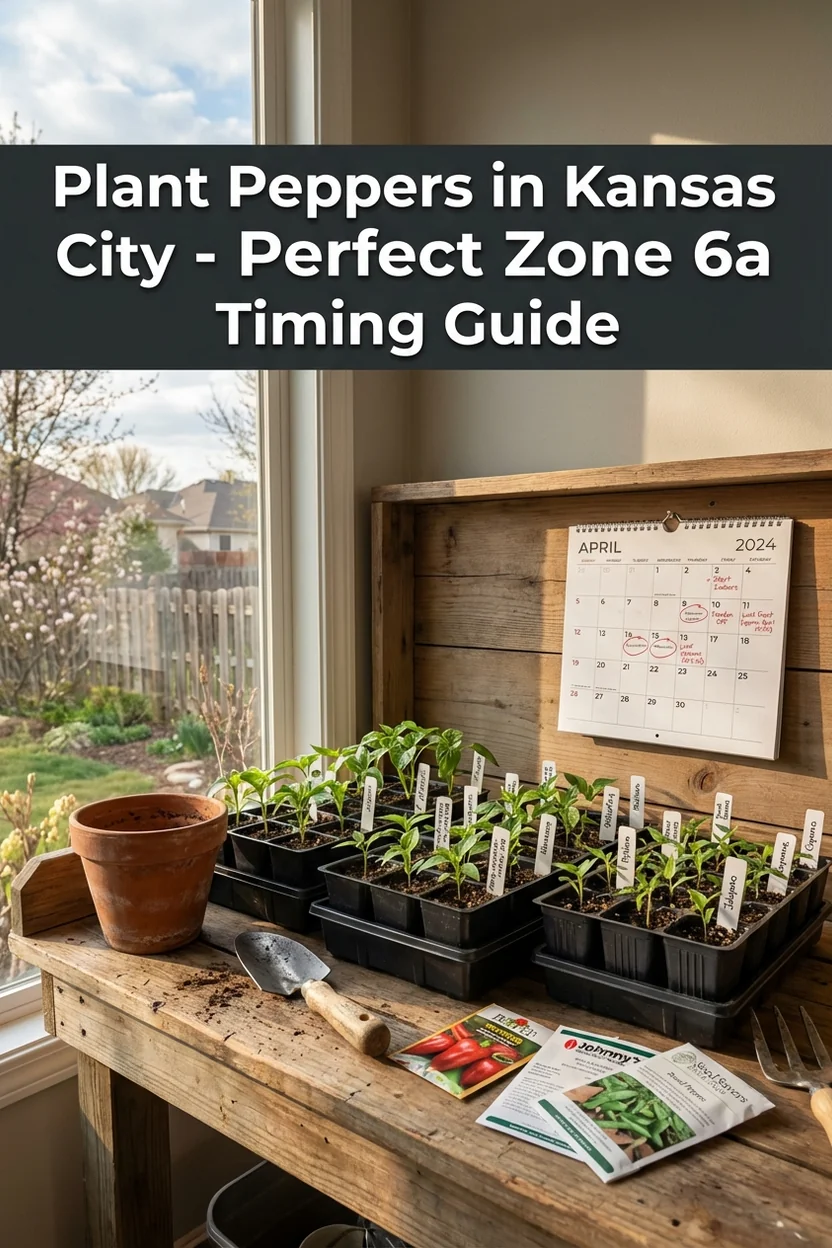
When to Plant Peppers in Kansas City: Complete Guide + Best Varieties for Zone 6a
Pets & Toxicity
Recorded toxicity for plants linked in this guide. An unknown status is not a safety assessment.
No linked plant is recorded as toxic (2 linked plants checked)DetailsHide
Capsicum annuum 'California Wonder' — Toxicity
Non-toxicView Capsicum annuum 'California Wonder' plant profile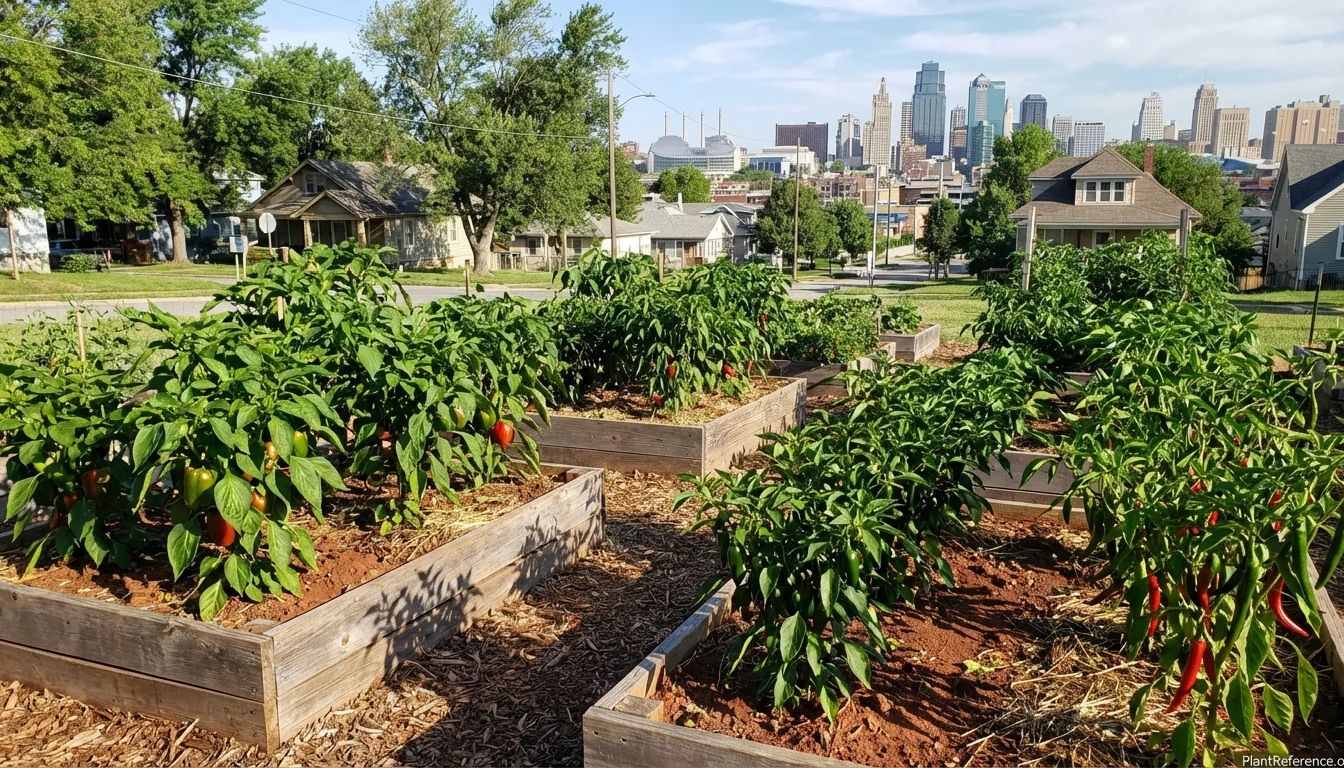
— Image © Plant Reference 2026
Kansas City gardeners have been asking me for forty years when to plant peppers, and I'll give you the straight answer: start seeds indoors February 15-March 1, and transplant outdoors April 28-May 8. With our Zone 6a climate and 193-day growing season, you can grow any pepper variety successfully if you time it right.
I've been gardening in Missouri since 1983, and peppers are one of our most reliable warm-season crops. The key to success is understanding our climate: we get a dependable growing season from April 14 to October 24, but those late April nights can still dip into the 40s. That's why timing matters more than anything else.
Kansas City's continental climate gives us hot, humid summers perfect for pepper production, but we have to navigate those tricky spring temperature swings. Our average last frost hits April 14, but I always wait until soil temperatures stay above 60°F (16°C) consistently—usually around April 28.
Best Pepper Varieties for Kansas City's Zone 6a Climate
After decades of growing peppers in Kansas City, I know which varieties thrive in our Zone 6a conditions. Our 193-day season from April 14 to October 24 provides enough heat units for all pepper types, but variety selection still matters for disease resistance and heat tolerance.
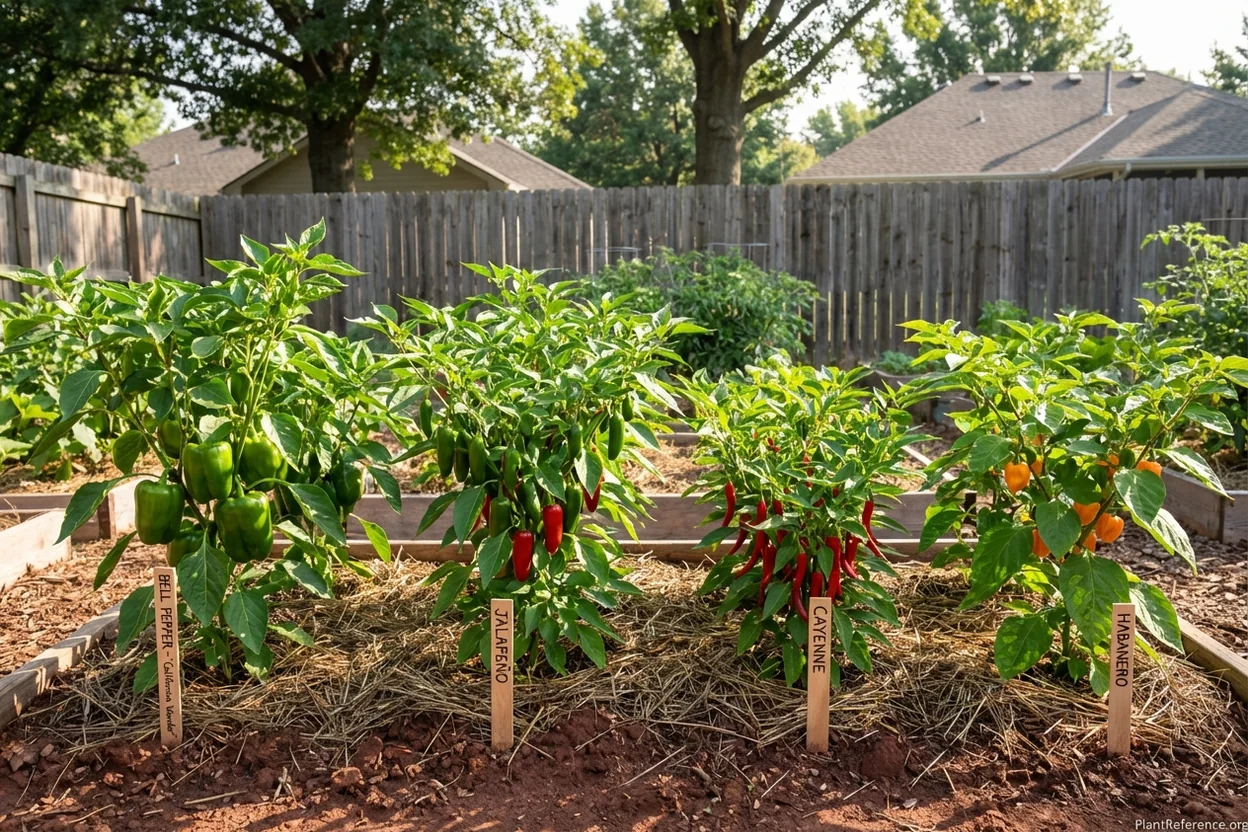
The varieties I recommend have proven themselves through Kansas City's hot, humid summers and occasional spring cold snaps. Disease resistance is crucial here—our summer humidity creates perfect conditions for bacterial leaf spot and anthracnose.
Variety | Days to Maturity | Best For | Notes for Kansas City |
|---|---|---|---|
75-80 days | Stuffing, fresh eating | Thick walls resist cracking in humidity | |
65-75 days | Salsa, pickling | Matures before peak disease pressure | |
70-75 days | Pickling, cooking | Excellent disease resistance | |
Capsicum annuum 'Cayenne Long Red' | 75-85 days | Drying, hot sauce | Handles Missouri heat well |
60-70 days | Grilling, tempura | Quick harvest before humidity issues | |
Capsicum chinense 'Habanero Orange' | 95-110 days | Hot sauce, specialty | Needs full season, plant early |
65-75 days | Fresh eating, salads | Cold-tolerant for Kansas City springs | |
Capsicum annuum 'Poblano' | 75-85 days | Roasting, stuffing | Heavy producer, stake well |
Short-season champions like 🌿Capsicum annuum 'Shishito' and 🌿Capsicum annuum 'Early Jalapeño' mature quickly, beating our late-summer disease pressure. For heat lovers, Capsicum chinense 'Habanero Orange' needs the full growing season but produces well if started early enough indoors.
Disease resistance matters in Kansas City's humid climate. 🌿Capsicum annuum 'Hungarian Hot Wax' and 🌿Capsicum annuum 'California Wonder' show excellent resistance to bacterial leaf spot, our most common pepper disease.
I always grow 🌿Capsicum annuum 'Sweet Banana' because it handles cool weather better than other varieties—perfect for our unpredictable Kansas City springs when late cold fronts can catch you off guard.
Cool-Season Performers
For Kansas City's variable spring weather, these varieties tolerate temperature dips better:
🌿Capsicum annuum 'Sweet Banana' - continues growing when nights drop to 50°F (10°C)
🌿Capsicum annuum 'Shishito' - produces even in cool, cloudy conditions
🌿Capsicum annuum 'Hungarian Hot Wax' - maintains growth during cool spells
🌿Capsicum annuum 'Early Jalapeño' - sets fruit reliably in variable temperatures
Heat-Loving Specialists
These varieties need Kansas City's full warm season but produce exceptional crops:
Capsicum chinense 'Habanero Orange' - requires 95+ days of warm weather
Capsicum annuum 'Cayenne Long Red' - loves hot, humid Missouri summers
Capsicum annuum 'Poblano' - develops thick walls in sustained heat
🌿Capsicum annuum 'California Wonder' - reaches full size in long, warm season
Specific Planting Dates for Kansas City
Kansas City's Zone 6a climate demands precise timing. Our last average frost hits April 14, but soil temperatures lag behind air temperatures. Here's my proven schedule after forty years of Kansas City gardening.
Indoor Seed Starting Timeline:
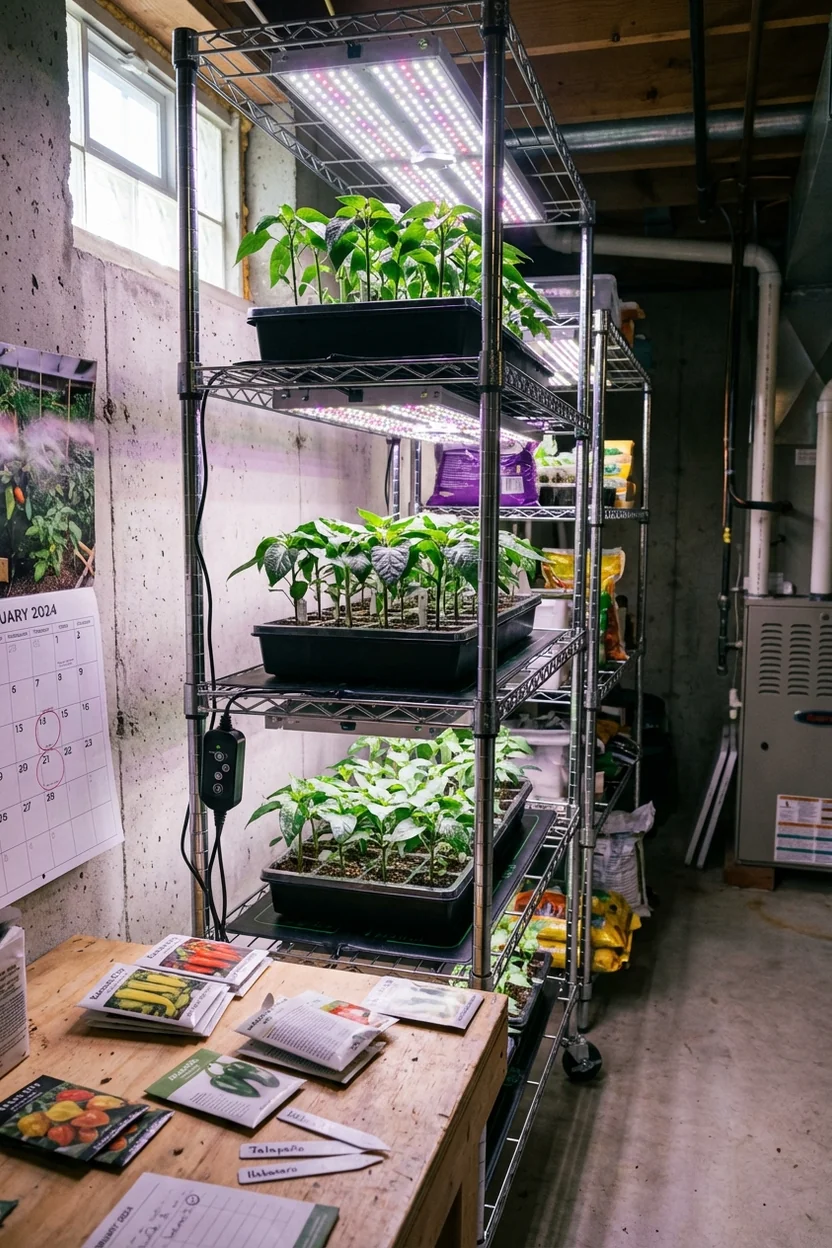
February 15 - March 1: Start Seeds Indoors - Heat-loving varieties (Capsicum chinense 'Habanero Orange', Capsicum annuum 'Poblano') on February 15 - Standard varieties (🌿Capsicum annuum 'California Wonder', jalapeños) on February 22 - Quick-maturing varieties (🌿Capsicum annuum 'Shishito', 🌿Capsicum annuum 'Sweet Banana') by March 1
Use seed-starting heat mats to maintain 80-85°F (27-29°C) soil temperature. Kansas City basements run cool in February—without bottom heat, germination takes 3-4 weeks instead of 7-10 days.
March 15 - April 1: Seedling Care Transplant seedlings to 4-inch pots once they have 2-3 sets of true leaves. Keep under grow lights 14-16 hours daily. Kansas City's cloudy March weather doesn't provide enough light for strong stem development.
April 15 - April 25: Hardening Off Begin hardening off process two weeks before transplanting. Start with 2-3 hours outdoors in shade, gradually increasing to full sun. Kansas City's spring winds can damage tender seedlings—protect from gusts over 15 mph.
Outdoor Transplanting Schedule:
April 28 - May 8: Safe Transplant Window Wait until nighttime temperatures stay above 55°F (13°C) for three consecutive nights AND soil temperature reaches 60°F (16°C) at 4-inch depth. I check soil temperature with a digital thermometer every morning for five days before transplanting.
Kansas City-Specific Soil Temperature Timeline: - April 15: Soil averages 52°F (11°C) - too cold - April 22: Soil averages 56°F (13°C) - borderline - April 28: Soil averages 61°F (16°C) - safe for most varieties - May 5: Soil averages 65°F (18°C) - ideal for all varieties
Protection Strategy for Early Planting: Even after our April 14 average last frost, late cold fronts can bring temperatures into the 30s through early May. I always have row covers or milk jugs ready for unexpected cold snaps.
Direct Seeding (Not Recommended)
Direct seeding peppers in Kansas City rarely succeeds. Our soil doesn't warm reliably until mid-May, and by then you've lost 6-8 weeks of growing time. Stick with transplants for reliable harvests.
Fall Planting Strategy
For a fall harvest, start seeds indoors July 1-15 for transplanting in August. Fall peppers often produce better than summer crops because they avoid peak disease pressure and mature in cooler, less humid conditions.
Complete Growing Guide for Kansas City Peppers
Kansas City's continental climate creates unique growing conditions. Our hot, humid summers provide excellent pepper growing weather, but we need to manage moisture carefully to prevent disease problems that plague peppers in humid climates.
Soil Preparation for Kansas City Clay
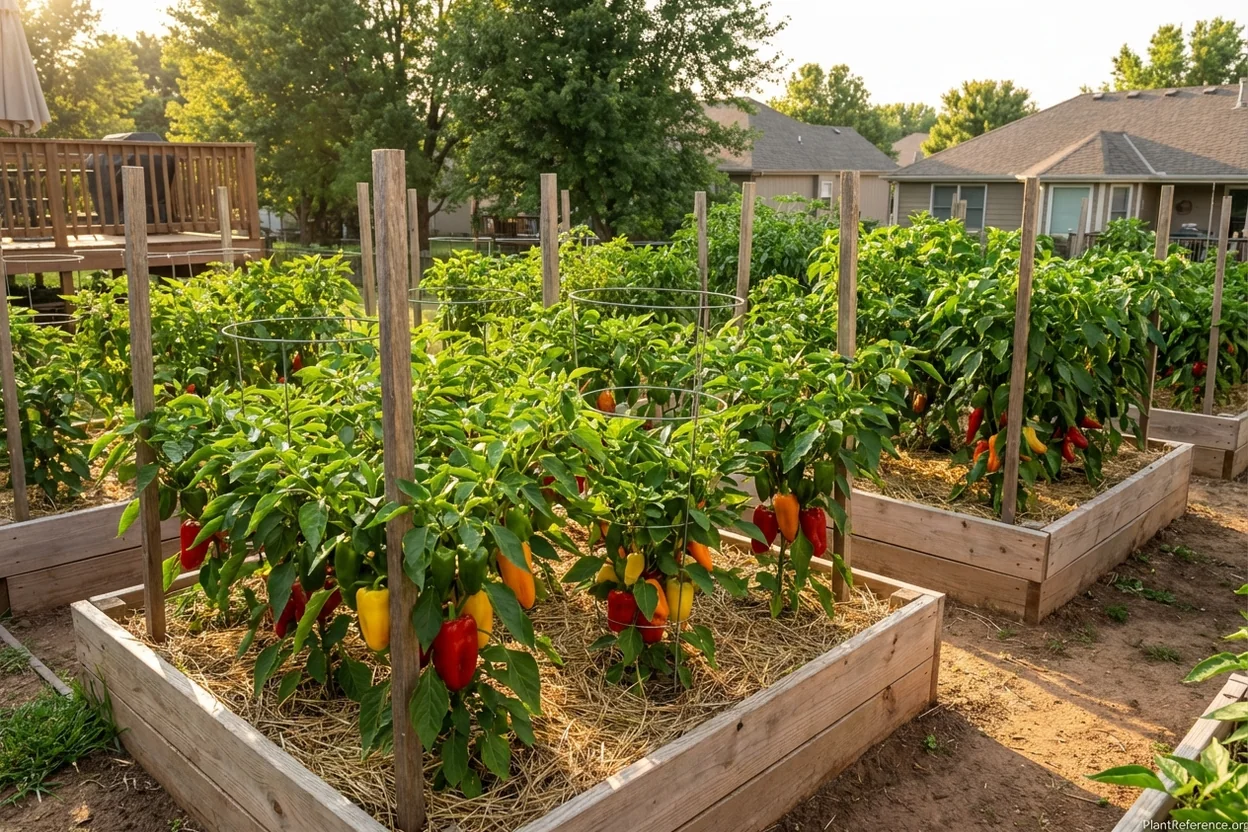
Kansas City sits on heavy clay soil that holds moisture but drains poorly. Peppers need well-draining soil to prevent root rot, especially during our wet spring periods when we can get 4-5 inches of rain in a week.
Soil Amendment Strategy: Add 2-3 inches of compost and 1 inch of coarse sand to clay soil. Work amendments into the top 8 inches. This improves drainage while maintaining moisture-holding capacity peppers need during hot July and August.
Never add fine sand to clay—it creates concrete-like hardpan. Use coarse builder's sand or pea gravel for drainage improvement.
Raised Beds Recommended: In Kansas City's clay soil, 8-inch raised beds solve drainage problems while warming soil faster in spring. Fill with a 50/50 mix of compost and quality topsoil.
Spacing for Disease Prevention
Kansas City's summer humidity (often 70-80% at dawn) creates perfect conditions for fungal and bacterial diseases. Proper spacing ensures air circulation to dry foliage quickly after rain or heavy dew.
Plant Spacing Guidelines: - Large varieties (🌿Capsicum annuum 'California Wonder', Capsicum annuum 'Poblano'): 18-24 inches apart - Medium varieties (jalapeños, 🌿Capsicum annuum 'Hungarian Hot Wax'): 15-18 inches apart - Compact varieties (🌿Capsicum annuum 'Shishito', 🌿Capsicum annuum 'Sweet Banana'): 12-15 inches apart - Row spacing: 36 inches minimum for equipment access
Watering Strategy for Kansas City Climate
Kansas City averages 39 inches of annual rainfall, with peak precipitation in May (4.2 inches) and September (3.5 inches). Supplement natural rainfall to maintain consistent soil moisture without overwatering.
Irrigation Schedule: - Spring (May): Usually no supplemental water needed - Early summer (June-July): 1 inch per week if rainfall is less than 0.5 inches - Late summer (August-September): Monitor closely—drought periods require heavy watering - Fall (October): Reduce watering as temperatures drop
Use drip irrigation or soaker hoses to keep foliage dry. Overhead sprinklers in Kansas City's humid climate invite disease problems.
Fertilizing in Kansas City Soil
Missouri soil typically has adequate phosphorus but may lack nitrogen and potassium. Heavy clay holds nutrients well but releases them slowly, requiring different fertilization than sandy soils.
Fertilizer Schedule: - At transplanting: Work balanced 10-10-10 fertilizer into soil (2 tablespoons per plant) - 4 weeks after transplanting: Side-dress with nitrogen (1 tablespoon per plant) - First fruit set: Switch to low-nitrogen, high-potassium fertilizer (5-10-10) - Mid-season: Compost tea every 2 weeks maintains steady nutrition
Avoid high-nitrogen fertilizers after flowering begins. Kansas City's long, warm growing season can produce excessive foliage at expense of fruit production.
Supporting Plants in Kansas City Weather
Kansas City experiences severe thunderstorms with straight-line winds reaching 60+ mph. Pepper plants loaded with fruit will snap without proper support, especially heavy-fruited varieties like Capsicum annuum 'Poblano' and 🌿Capsicum annuum 'California Wonder'.
Support Systems: - Install cages or stakes at transplanting before roots establish - Use 6-foot tall supports for indeterminate varieties - Tie plants with soft materials (cloth strips, plant ties) that won't cut stems - Check ties monthly as plants grow—tight ties girdle stems
Troubleshooting Kansas City-Specific Pepper Problems
Kansas City's climate creates specific challenges for pepper growers. High humidity, variable spring temperatures, and severe weather require targeted solutions I've developed over decades of growing here.
Spring Temperature Fluctuations
Kansas City spring weather can swing from 75°F (24°C) to 45°F (7°C) overnight. These temperature swings stress young pepper transplants, causing stunted growth or "sulking."
Solution: Use row covers or plant protectors for first 2-3 weeks after transplanting. Remove during warm days (above 70°F) to prevent overheating, replace for cool nights. Gradually reduce protection as plants acclimate.
High Humidity Disease Pressure
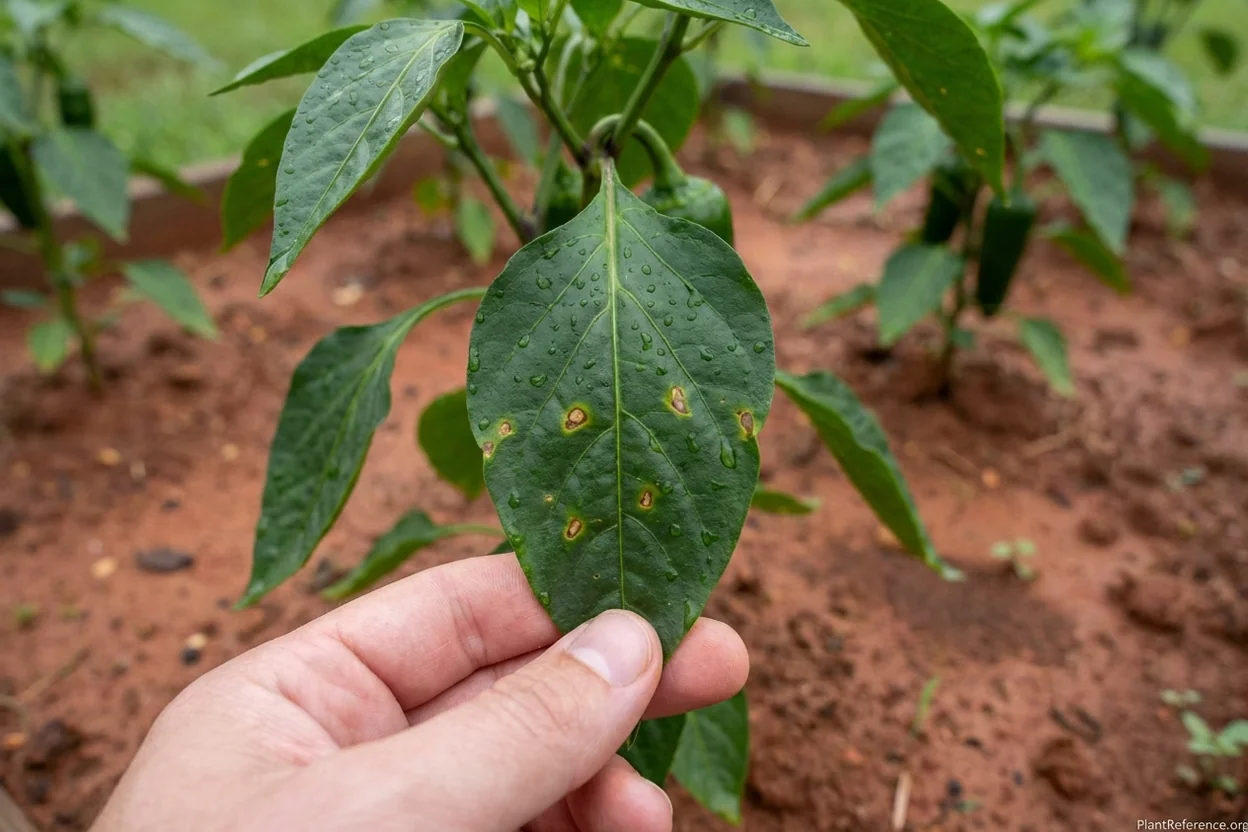
Kansas City's summer humidity creates ideal conditions for bacterial leaf spot and anthracnose. These diseases can destroy entire crops if left unchecked.
Bacterial Leaf Spot Prevention: - Plant resistant varieties like 🌿Capsicum annuum 'Hungarian Hot Wax' - Water at soil level, never overhead irrigation - Space plants for maximum air circulation (18+ inches apart) - Remove infected leaves immediately—don't compost diseased material
Anthracnose Management: - Harvest fruit before fully ripe during humid periods - Apply copper fungicide preventively in July when humidity peaks - Mulch heavily to prevent soil splash onto lower leaves - Rotate pepper crops annually—don't plant in same location for 3 years
Clay Soil Drainage Issues
Heavy spring rains on Kansas City clay create waterlogged conditions that cause root rot in peppers. Yellowing plants and wilting despite wet soil indicate drainage problems.
Immediate Solutions: - Install French drains around affected plants - Add coarse organic matter (wood chips, straw) around plants - Hill soil around plant stems to improve surface drainage - Avoid walking on wet clay soil—compaction worsens drainage
Long-term Solutions: - Build raised beds for future pepper crops - Install drainage tile in problem areas - Add sand and compost annually to improve soil structure
Severe Weather Protection
Kansas City averages 62 thunderstorm days annually, with peak activity in May and June. High winds and hail can devastate pepper crops overnight.
Wind Protection: - Plant near buildings or fences for natural windbreaks - Install temporary windscreens during severe weather warnings - Stake all plants securely—wind damage often occurs at ground level - Harvest nearly mature fruit before predicted severe weather
Hail Protection: - Cover plants with buckets, laundry baskets, or hail cloth when warnings issued - Plant extra seedlings as backup—hail can occur multiple times per season - Choose varieties with thick leaves (🌿Capsicum annuum 'California Wonder') that resist hail damage
Late Season Pest Pressure
Kansas City's long, warm falls (often into October) extend growing season but also allow pest populations to build. Aphids and spider mites become problematic in September and October.
Integrated Pest Management: - Monitor weekly for aphid colonies on new growth - Use insecticidal soap sprays for early infestations - Encourage beneficial insects with diverse plantings - Remove heavily infested plants to prevent spread to healthy plants
Harvest & Storage in Kansas City
Kansas City's Zone 6a climate provides a long harvest window from July through October 24. Proper harvest timing and storage techniques maximize your pepper crop's quality and extend eating season into winter.
Optimal Harvest Timing
Different varieties require different harvest strategies in Kansas City's climate. Harvest green peppers anytime after they reach full size, but colored peppers need specific timing to develop full flavor and maximum nutrition.
Green Harvest (Immature): - 🌿Capsicum annuum 'Shishito': Harvest at 3-4 inches long, bright green - 🌿Capsicum annuum 'California Wonder': Pick at full size (4 inches) while dark green - Jalapeños: Harvest green or wait for red—both stages excellent
Colored Harvest (Mature): - 🌿Capsicum annuum 'Sweet Banana': Yellow stage for mild flavor, red for sweetness - Capsicum annuum 'Cayenne Long Red': Must ripen to red for full heat development - Capsicum chinense 'Habanero Orange': Requires full orange color for characteristic flavor
Harvest before October 24 (first frost date) or bring plants indoors. Green peppers will continue ripening indoors if picked just before frost.
Storage Methods for Kansas City Growers
Kansas City's variable fall weather—warm days and cool nights—affects pepper storage requirements. Plan storage methods based on harvest volume and intended use.
Fresh Storage (2-3 weeks): Store unwashed peppers in perforated plastic bags in refrigerator. Kansas City's dry winter air requires humidity retention for fresh peppers.
Freezing (6-12 months): Freeze whole small peppers (🌿Capsicum annuum 'Shishito', small hot varieties) without blanching. Large peppers like 🌿Capsicum annuum 'California Wonder' should be chopped before freezing.
Drying (Indefinite storage): Kansas City's low winter humidity (30-40%) provides excellent conditions for air-drying thin-walled varieties like Capsicum annuum 'Cayenne Long Red'. String peppers and hang in basement or garage.
Fermented Hot Sauce: Use fresh hot peppers within 24 hours of harvest for best fermentation results. Kansas City's consistent indoor winter temperatures (68-72°F) provide ideal fermentation conditions.
Frequently Asked Questions
Reading about plants and recognising them are different skills. These three build the second.
- Daily PlantIdentify the day’s mystery plant from a close-up photograph.
- Keyed OutWork a dichotomous key, lead by lead, to name a hidden specimen.
- Name That PlantName a specimen from botanical clues dealt hardest first.
Free to play, no account needed
Bill is a third-generation nurseryman who runs a small family garden center on the outskirts of Kansas City. His grandfather started the business in the 1960s, and Bill took over after working as an ag teacher for a decade. He knows the plants that work in the Kansas City area better than anyone—he's grown most of them himself and watched customers succeed or fail with the rest. Bill specializes in trees and shrubs for the Midwest, perennial borders that handle the region's hot summers and cold winters, and helping customers make sensible choices rather than impulse buys. He writes the way he talks to customers: patient, knowledgeable, and honest about what's worth the money and what isn't.