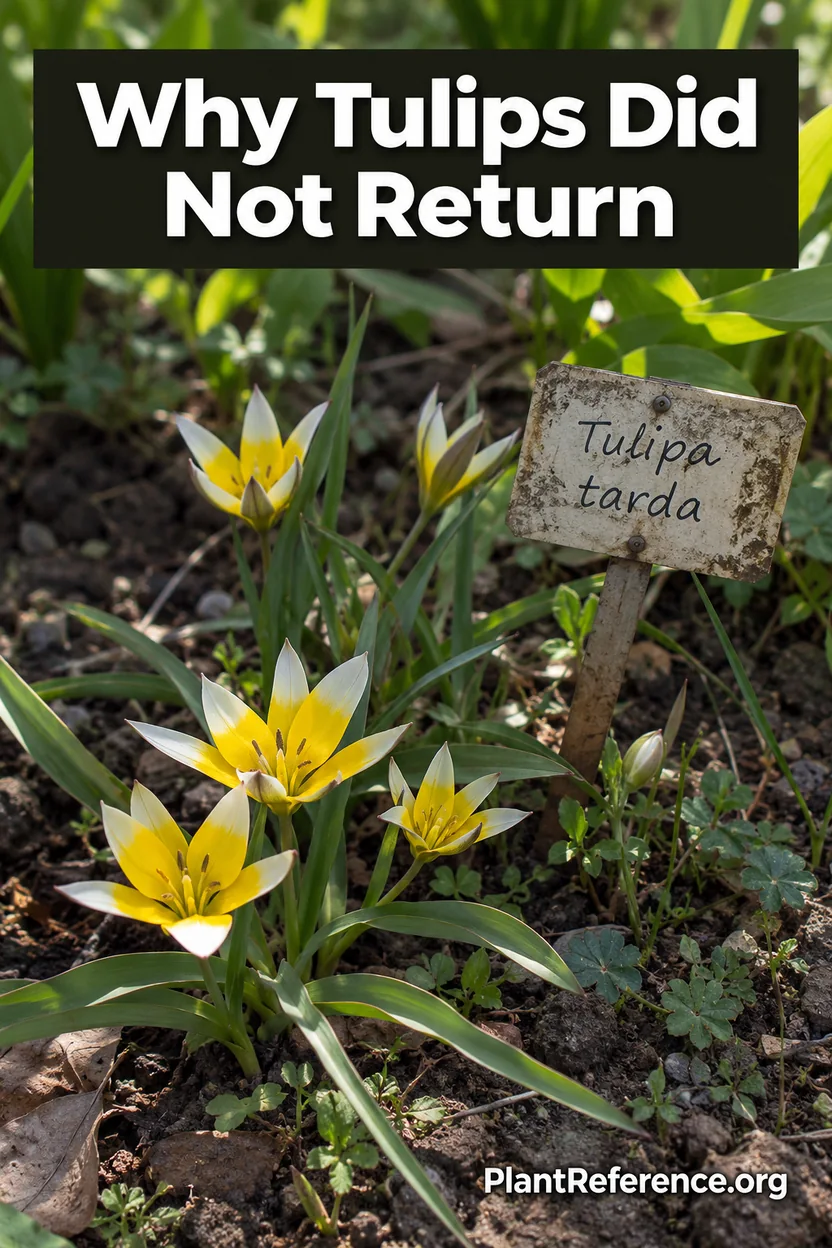
Tulips Not Returning: Causes and Better Bulb Choices
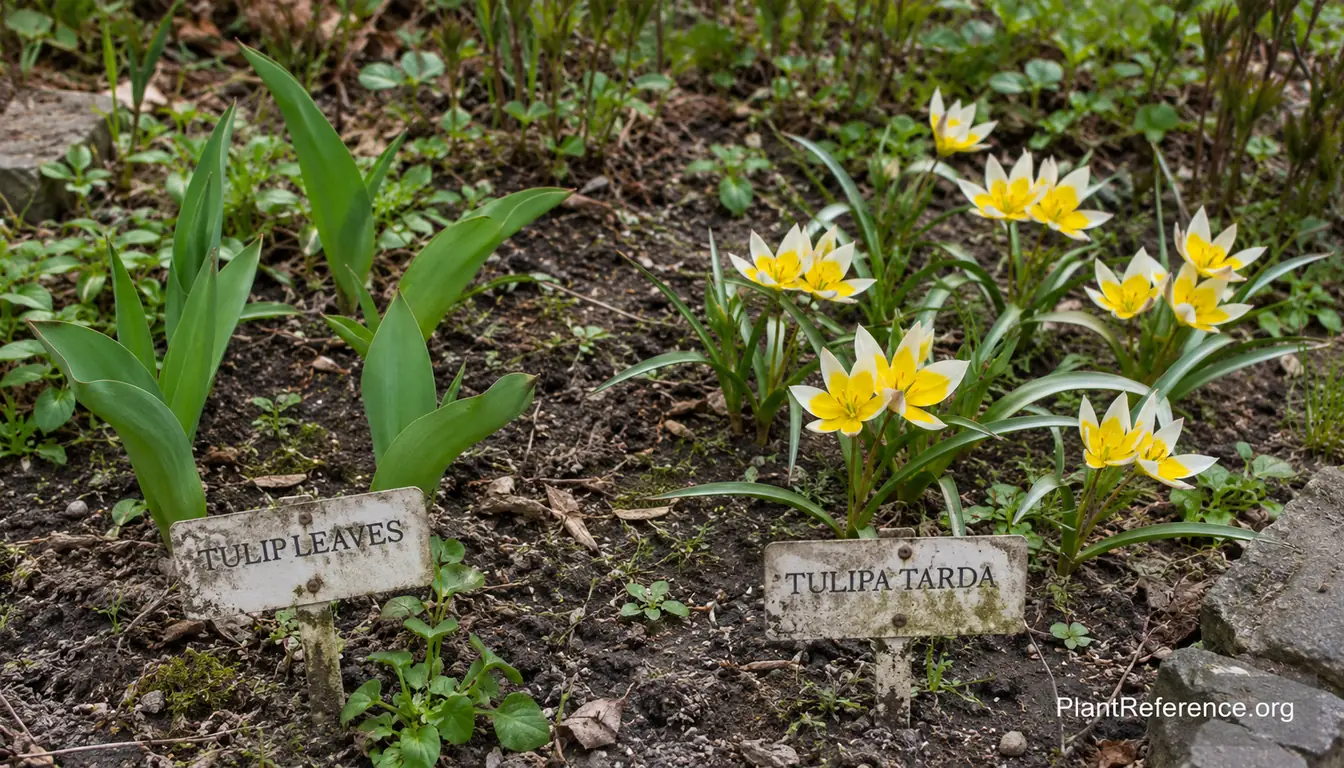
— Image © PlantReference.org 2026
Pets & Toxicity
Recorded toxicity for plants linked in this guide. An unknown status is not a safety assessment.
Toxic to pets: tulips, thalia daffodil, common snowdropDetailsHide
Tulips not returning does not automatically mean you planted them wrong. Many large, elaborate hybrids deliver one impressive spring and then decline; others disappear because of wet soil, animal damage, or foliage removed too soon.
First establish what failed: the bulb, the leaves, or the flowers. Buying fertilizer before answering that question is an expensive guessing game.
Tulips Not Returning: Check What Is Missing
Tulips 🌿Tulipa spp. (TOO-lih-puh) can survive below ground without producing another full-sized flower. A single weak leaf is not the same diagnosis as an empty planting hole.
Check your planting record and inspect one failed spot carefully rather than digging up the whole bed. Wait until the expected local emergence period has passed; a colder spring can shift the schedule.
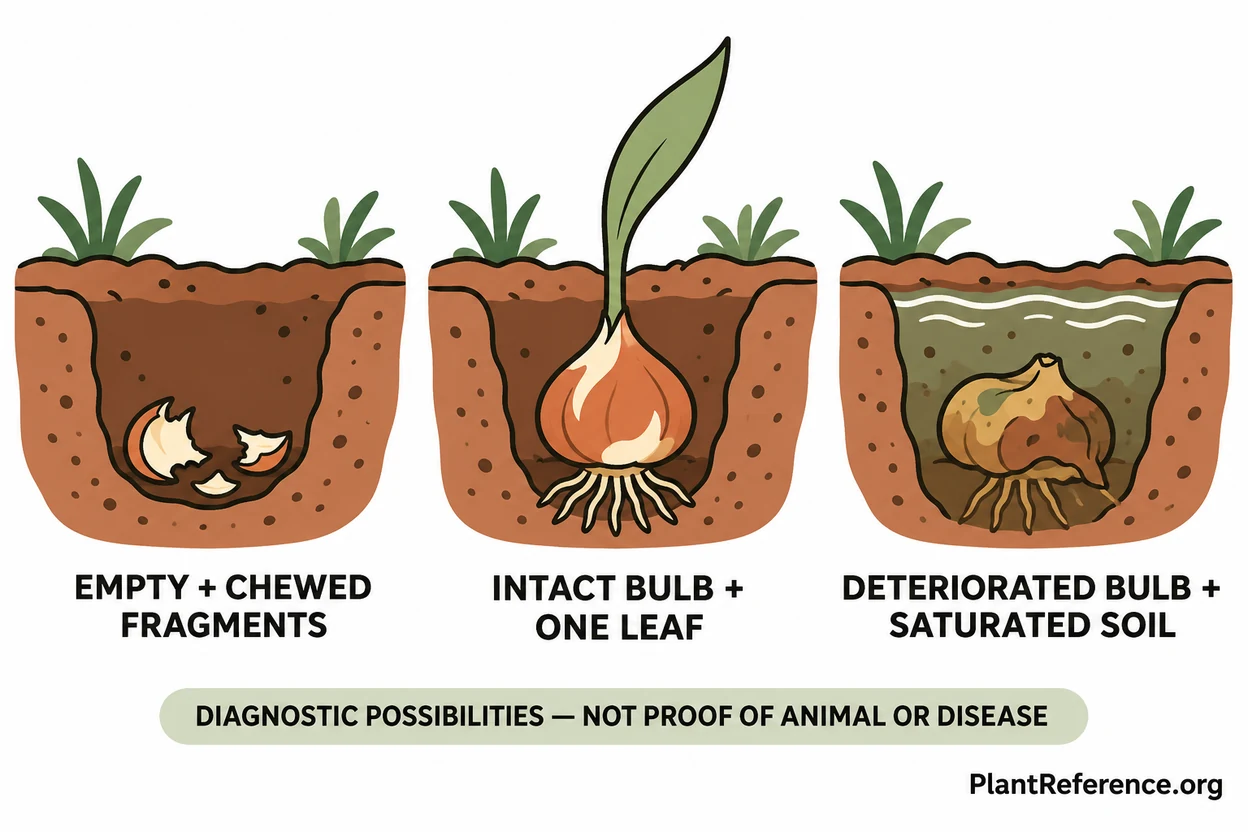
Leaves but no flowers: investigate depleted reserves, cultivar choice, shade, and chilling.
Empty spaces with digging or chewed remnants: investigate animal damage.
Soft, deteriorating bulbs in wet ground: address drainage before replanting.
A formerly productive clump losing flowers: review crowding and changing site conditions.
The soil framework in Soil Health 101: How to Build Living, Productive Garden Soil helps separate a site problem from a fertilizer problem. If soil texture is unclear, use How to Test Garden Soil: Jar, Ribbon & pH Tests before deciding what to change.
Start with the Tulip Type You Bought
Your purchase label matters more than a promise that all bulbs are perennial. Triumph, parrot, double, fringed, and lily-flowered tulips often perform better as seasonal displays than as permanent plantings. Some return, but you should not budget next spring's display around that possibility.
Botanical tulips such as Tulipa tarda, Tulipa clusiana, and Tulipa kaufmanniana are stronger candidates for repeat flowering in suitable sites. Their scale and flower shapes differ from the big exhibition-style hybrids. Choose them because you like that effect, not because you expect identical flowers with easier maintenance.
Darwin hybrids such as Tulipa 'Apeldoorn' and Fosteriana selections such as Tulipa 'Orange Emperor' can also return for several years. Well-drained soil and a suitably dry summer rest improve the prospects; no cultivar name overrides a waterlogged bed.
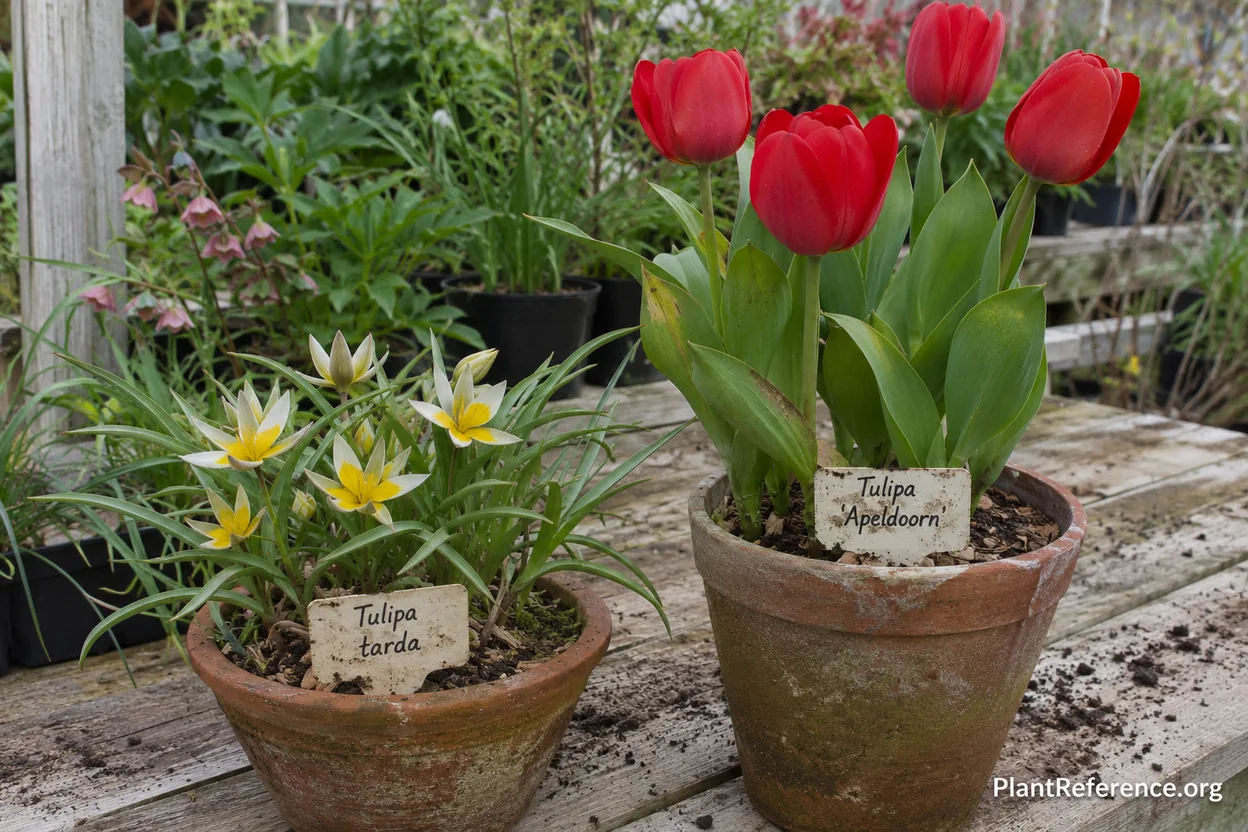
If you want an exact color display every year, replacing unreliable hybrids is a legitimate design choice. If you want a persistent planting, change the selection rather than repeatedly blaming yourself.
Keep Leaves Working After Bloom
Removing green foliage cuts off the bulb's opportunity to rebuild reserves. Deadhead spent flowers, but leave leaves loose and exposed to light until they yellow naturally. That often takes about six to eight weeks after flowering; the condition of the foliage matters more than a deadline.
Do not braid, tie, or fold leaves into tidy bundles. Place later-growing companions nearby to soften the view without burying the foliage. A bed that looks untidy for a few weeks is easier to fix than a bulb starved every spring.
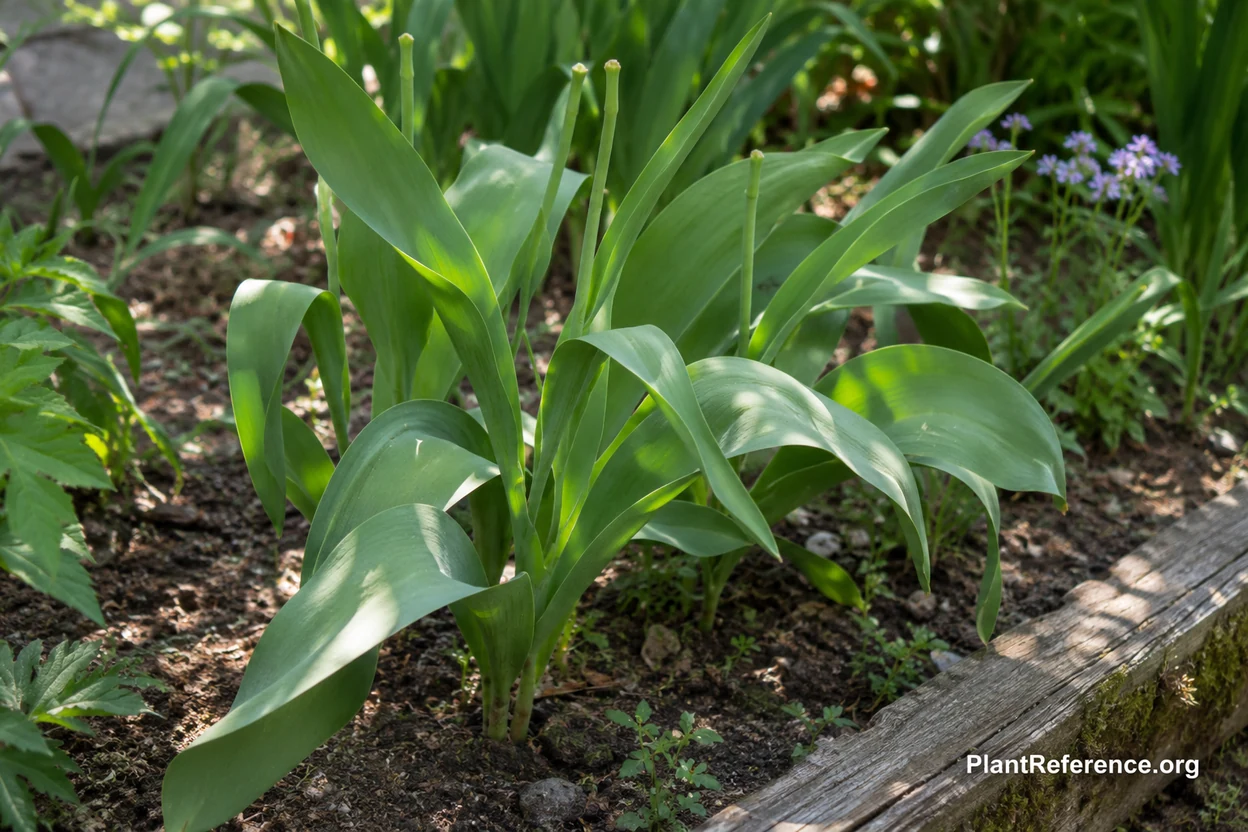
Avoid routine fertilizer escalation. Nutrients cannot replace photosynthesis, repair a rotten bulb, or make an unsuitable cultivar reliably perennial. DIY Organic Fertilizer Blends: A Soil-Test-First Guide explains the evidence-first approach; Best Soil Test Kits for Home Gardeners helps you choose a testing route when a deficiency is genuinely suspected.
Fix Wet Soil and Check Winter Chilling
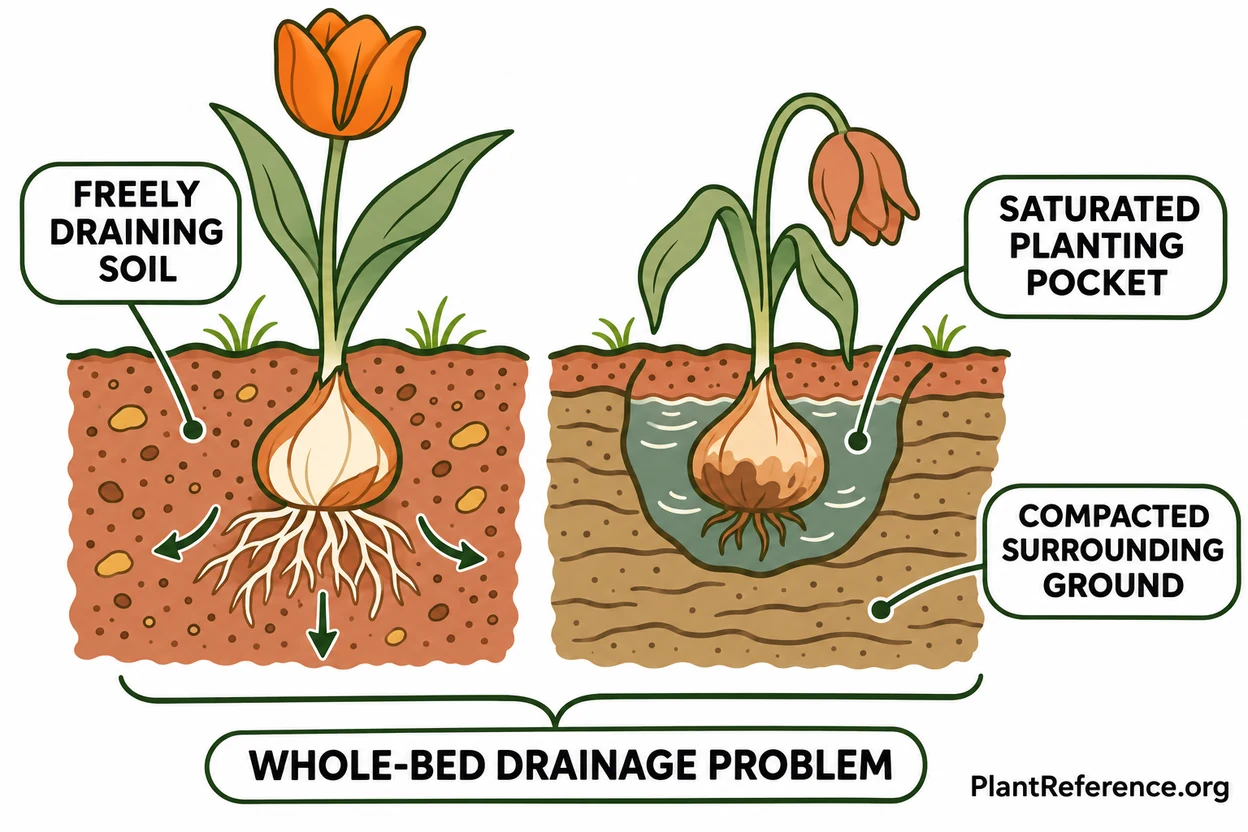
Tulips need drainage through the whole year, not just planting day. A summer bed irrigated heavily for thirsty neighbors can work against their dormant season. Check where water collects and whether compacted layers restrict movement.
Use How to Improve Clay Soil Without Making It Worse for a broader bed-level strategy. Adding a small pocket of loose material around one bulb does not fix the surrounding ground. For raised beds, Poor Drainage in Raised Beds: Causes and Fixes for Waterlogged Soil addresses outlets and layers that trap water.
A lack of winter cold is another reason flowers fail. Many tulips need roughly 12–18 weeks of chilling, with requirements varying by cultivar and the treatment received before purchase. In warm-winter gardens, follow supplier instructions for prepared bulbs rather than assuming every zone or every tulip needs the same refrigerator schedule.
Keep chilling bulbs away from ripening fruit. Pre-chilling can support a first-season display; it does not turn a warm garden into a naturally cold winter site for future years.
At autumn planting, soil around 50–55°F (10–13°C) is a useful seasonal cue, alongside local timing and workable ground. A soil thermometer checks planting conditions, not whether a bulb has completed its chilling requirement.
Choose Better Bulbs for Repeat Flowers
If tulips not returning is a recurring frustration, shift part of the planting to suitable daffodils. Narcissus 'Carlton', 🌿Narcissus 'Thalia', and Narcissus 'Tete-a-Tete' are useful options to investigate for your local conditions. They are not interchangeable in size, season, or climate suitability.
Choice | Why consider it | What still matters |
|---|---|---|
Tulipa tarda | Botanical tulip with repeat-flowering potential | Suitable climate and summer drainage |
Tulipa 'Apeldoorn' | Large-flowered Darwin hybrid option | Good aftercare; return is not guaranteed |
Narcissus 'Carlton' | Established perennial daffodil option | Intact foliage and suitable site |
Small spring flowers that can increase | Animal pressure and delayed mowing | |
Long-lived early flowers once established | Patience and appropriate growing conditions |
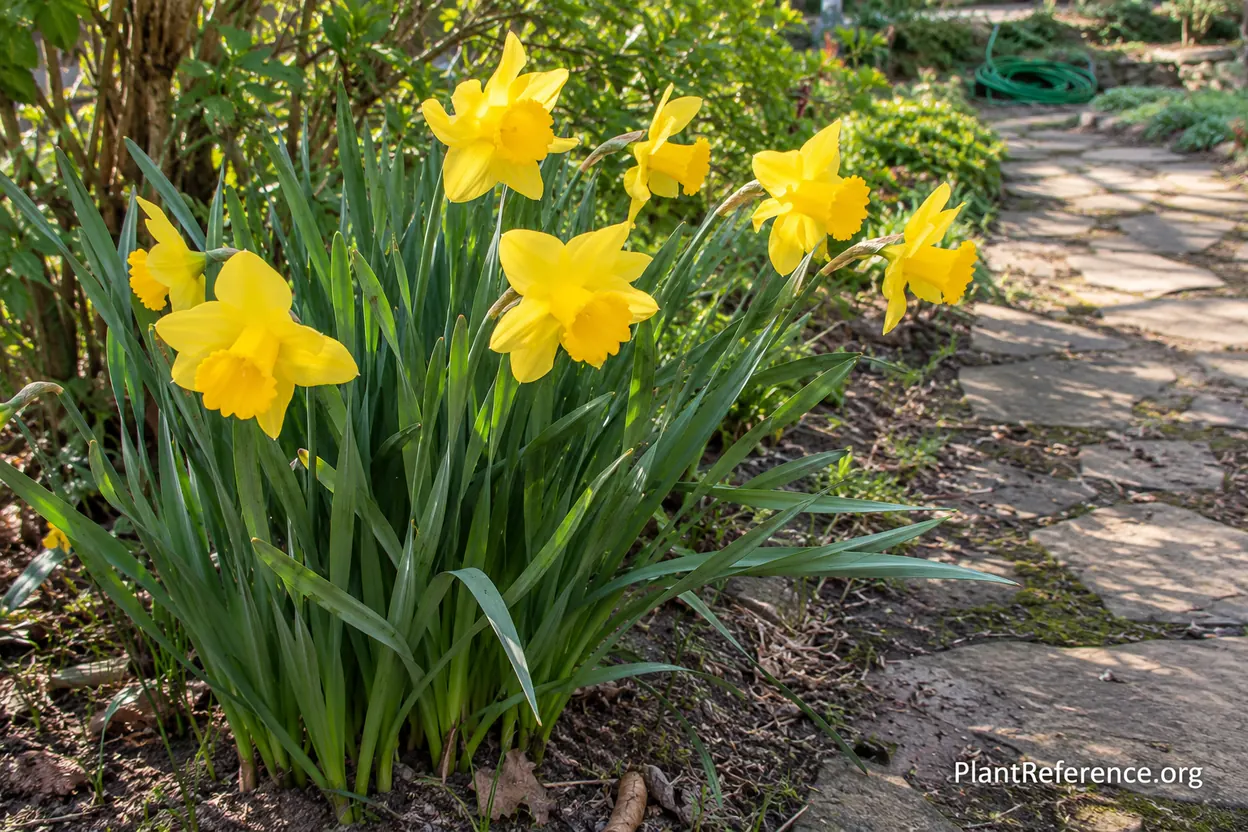
For large tulips and daffodils, a common planting depth is 6–8 inches (15–20 cm), measured from the finished soil surface to the bulb's base. Follow stock-specific instructions; do not confuse this with soil covering the bulb's tip.
For containers, Container Gardening: Pots, Soil, Water & Yields covers the separate challenges of a restricted root zone. In beds that keep sinking or compacting, consult Raised Bed Soil Settling and Compaction: Prevention and Solutions before setting next autumn's planting depth.
Keep labels and note which groups return, which produce leaves only, and which vanish. Correct the identified failure, trial a small group of better candidates, and expand what actually performs in your garden.
Frequently Asked Questions

Reading about plants and recognising them are different skills. These three build the second.
- Daily PlantIdentify the day’s mystery plant from a close-up photograph.
- Keyed OutWork a dichotomous key, lead by lead, to name a hidden specimen.
- Name That PlantName a specimen from botanical clues dealt hardest first.
Free to play, no account needed
Tagged with
TJ stumbled into plant parenthood when a coworker gave him a neglected pothos. That single plant sparked an obsession that led him to quit his corporate marketing job and start a plant care service for busy professionals in Chicago. TJ maintains over 150 plants for residential clients and runs monthly plant swap meetups at local coffee shops. He's self-taught through YouTube, plant forums, and plenty of expensive mistakes (RIP to his variegated monstera). TJ specializes in troubleshooting common houseplant problems and is known for his blunt, no-BS advice: "Your plant isn't dying because Mercury is in retrograde—you're overwatering it." He's particularly skilled with finicky tropical plants like fiddle leaf figs and calatheas.