Narcissus, Genus, 'Thalia', Cultivar,
- Genus
- Cultivar
thalia daffodil
Hybrid origin (Division 5 Triandrus; N. triandrus parentage; M. van Waveren & Sons, Netherlands, 1916)
Overview
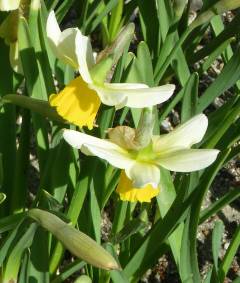
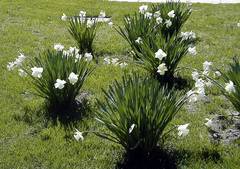
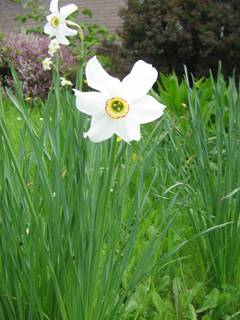
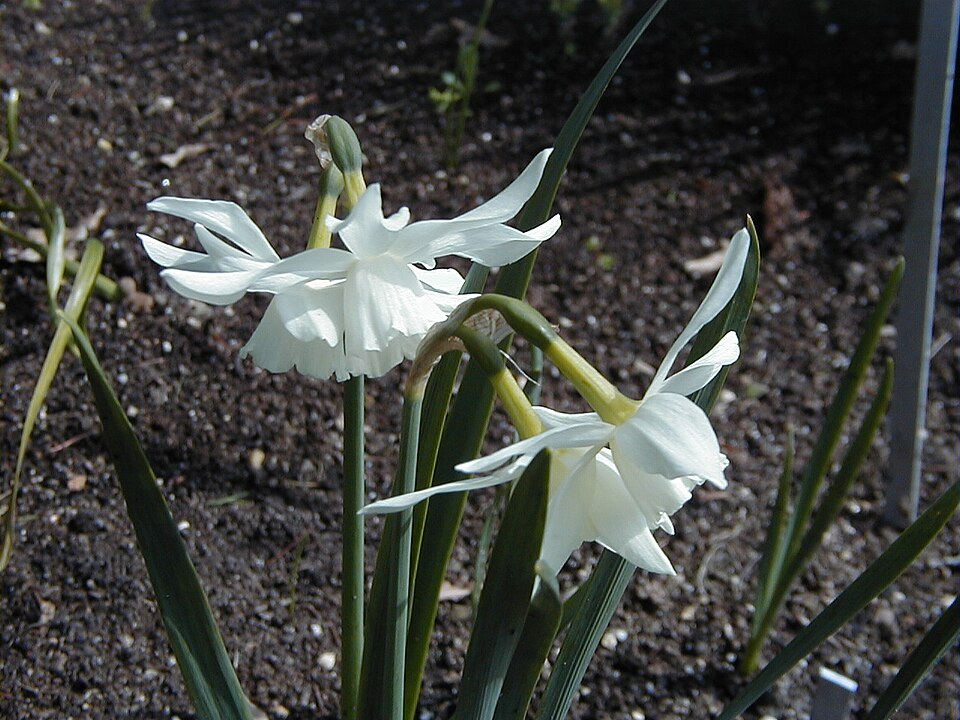
Narcissus 'Thalia' is a bulbous perennial reaching 14–16 inches (36–40 cm) tall with a spread of 3–4 inches (8–10 cm) per bulb. This Division 5 Triandrus hybrid carries 2–3 pendant pure white flowers per stem, each 2–2.5 inches (5–6 cm) across with a short reflexed cup and slightly swept-back perianth segments. The pendant flower habit combined with the multiple-flowers-per-stem character runs typical of Triandrus hybrids, which carry N. triandrus in their parentage. Narrow strap-shaped basal leaves run 8–12 inches (20–30 cm) long and gray-green. Flowers open in April through May across the mid-to-late Narcissus season. Growth rate runs moderate. Hardy to zone 3. Flowers carry sweet fragrance. The cultivar naturalizes well in well-drained soil. The pure white pendant flower form combined with the graceful multi-flowered stems supplies a refined visual register that separates the cultivar from the larger-flowered single-blossom Division 1 and 2 daffodils. Bred by M. van Waveren & Sons, Netherlands, and registered with the Royal Horticultural Society in 1916, which places this among the oldest-surviving Triandrus hybrids in continuous commercial trade.
Native Range
Narcissus species are native to Europe, North Africa, and western Asia, with the genus centered on the Iberian Peninsula. 'Thalia' is a Division 5 (Triandrus) hybrid carrying N. triandrus parentage. Bred by M. van Waveren & Sons in the Netherlands and registered with the Royal Horticultural Society in 1916, which places this among the oldest-surviving Triandrus hybrids in continuous commercial bulb trade.Suggested Uses
Planted in perennial borders, under deciduous trees, rock gardens, or naturalized in light woodland at 4–5 inch (10–13 cm) spacing and 5–6 inches (13–15 cm) deep in zone-3-and-warmer gardens. Pure white pendant flowers combined with sweet fragrance fit the cultivar to refined plantings where larger brighter daffodils would read as visually heavy. Mid-to-late season bloom extends the Narcissus display beyond the earlier Division 1 trumpets and Division 2 large-cup cultivars. Partial shade under deciduous trees supplies an acceptable position because flowering runs before full canopy leaf-out. All Narcissus bulbs and plant parts run toxic if ingested by pets or humans.How to Identify
Appearance
Size & Dimensions
Height1'2" - 1'4"
Width/Spread3" - 4"
Bloom Information
Pure white pendant flowers 2–2.5 inches (5–6 cm) across open 2–3 per stem in April through May across the mid-to-late Narcissus season. Each flower carries a short reflexed cup. Flowers release sweet fragrance across the active bloom window. Fresh bloom duration runs 2–3 weeks.
Detailed Descriptions
Flower Description
Pure white; 2-3 pendant flowers per stem; short reflexed cup; 2-2.5 inches; April-MayFoliage Description
Gray-green; narrow strap-shaped 8-12 inches; basalGrowing Conditions
Sun Requirements
Requires 4-10 hours of direct sunlight daily
• Full Sun: 6+ hours of direct sunlight
• Partial Shade: 3-6 hours of direct sunlight
• Full Shade: Less than 3 hours of direct sunlight
Care & Maintenance
Care Guide
Plant bulbs 5–6 inches (13–15 cm) deep in full sun to partial shade in well-drained soil (pH 6.0–7.0) in autumn. Hardy to zone 3 (−40°F / −40°C). Well-drained soil is required—wet conditions cause bulb rot and reduce flowering in subsequent seasons. The cultivar naturalizes well in woodland and perennial border settings where undisturbed positions support long-term colony development. Foliage is allowed to yellow naturally for at least 6 weeks after bloom so the bulb can replenish reserves. Bulbs are divided every 5–8 years when clumps run congested enough to thin flowering.Pruning
Foliage is allowed to yellow naturally across 6 or more weeks after bloom so the bulb can replenish energy reserves. Spent flower stems are deadheaded to prevent seed-set that would redirect bulb energy. Yellowed foliage is removed when the leaves detach easily from the bulb with light tension.Pruning Schedule
Prune: June
summer
Container Growing
Suitable for container growing
Minimum container size: 2 gallons