Image 1 of 14
1 / 14
Plant Reference
Tulipa, Genus,
- Genus
tulips
Central Asia — from Turkey and Iran east through Afghanistan to western China; rocky slopes, meadows, and steppes; the Netherlands became the center of tulip breeding after the 16th century
Overview
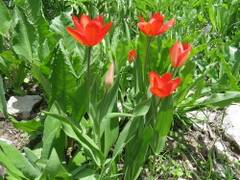
Tulipa spp. is tulip, an upright bulbous perennial growing 4-28 inches (10-70 cm) tall and 4-8 inches (10-20 cm) wide. Erect solitary flowers 2-4 inches (5-10 cm) with 6 tepals in every color except true blue-green — red, yellow, pink, white, purple, orange, near-black, and multicolored — in March-May (3 weeks per cultivar, 8-10 weeks across all divisions). Waxy blue-green strap-shaped leaves. In Liliaceae. About 75 species and over 3,000 registered cultivars classified into 15 divisions. Native to central Asia — Turkey to western China. Most hybrid tulips decline after year one — the flower is smaller or absent in subsequent years. This perennialization failure is the primary limitation of hybrid divisions (1-11). Species tulips (Divisions 12-15: T. sylvestris, T. clusiana, T. tarda) are more persistent and naturalize. Squirrels eat freshly planted bulbs — wire mesh or chicken wire at planting depth deters them. Deer eat the flowers and foliage. Contains tulipalin A — toxic to cats and dogs; handling bulbs causes contact dermatitis ('tulip fingers') in sensitive individuals. Zones 3-8. Full sun. Growth rate is moderate.
Native Range
Native to central Asia — from Turkey and Iran east through Afghanistan to western China. Found on rocky slopes, meadows, and steppes. The Netherlands became the center of tulip breeding after the 16th century.Suggested Uses
Grown in spring borders, formal bedding, forced indoors, and in containers of at least 3 gallons (11 L), spaced 4-8 inches (10-20 cm). Plant in drifts. Use species tulips for naturalization. Squirrels eat bulbs. Toxic to pets. Zones 3-8.How to Identify
Appearance
Size & Dimensions
Height4" - 2'4"
Width/Spread4" - 8"
Colors
Bloom Information
Early to late spring (March-May). Erect solitary flowers 2-4 inches (5-10 cm) with 6 tepals. Every color except true blue-green. 3 weeks per cultivar; 8-10 weeks succession across divisions. Bee-visited.
Detailed Descriptions
Flower Description
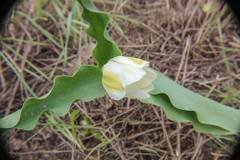
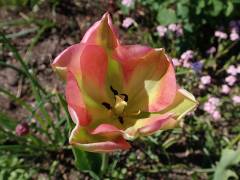
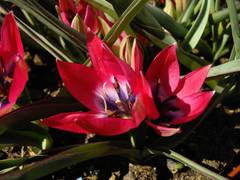
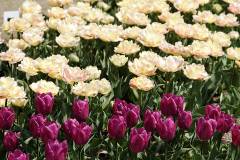
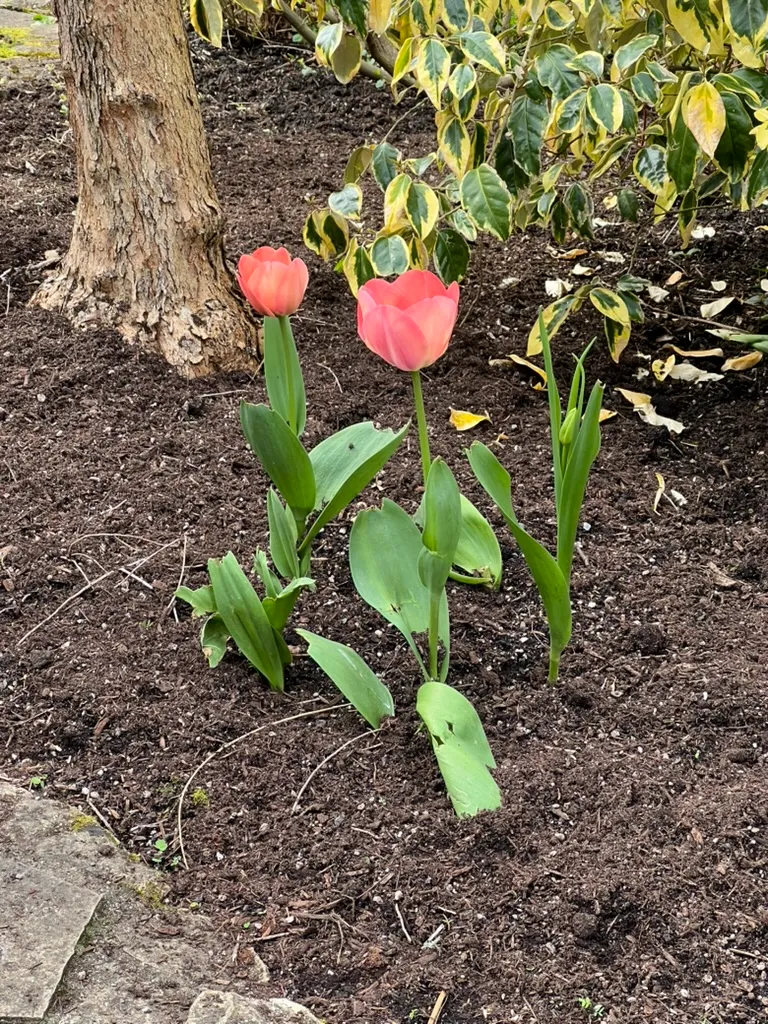
Every color except true blue-green — red, yellow, pink, white, purple, orange, near-black, and multicolored; 6 tepals, solitary, erect, 2-4 inches (5-10 cm); often with a contrasting dark basal blotch inside; forms vary by division (single, double, parrot, fringed, lily-flowered, viridiflora)Foliage Description
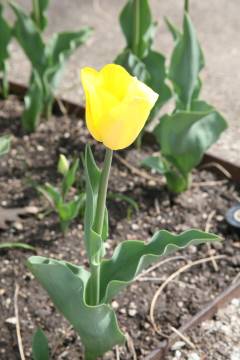
Strap-shaped, waxy, blue-green (glaucous), 6-12 inches (15-30 cm); 2-6 leaves per stem, often with wavy margins; foliage dies back by early summerGrowing Conditions
Sun Requirements
Requires 6-12 hours of direct sunlight daily
• Full Sun: 6+ hours of direct sunlight
• Partial Shade: 3-6 hours of direct sunlight
• Full Shade: Less than 3 hours of direct sunlight
Care & Maintenance
Care Guide
Full sun (6+ hours). Well-drained soil pH 6.0-7.0. Plant 6-8 inches (15-20 cm) deep in fall. Snap off spent flowers. Allow foliage to die back 6+ weeks. Most hybrids decline after year one — treat as annuals or use species tulips for persistence. Squirrels eat bulbs — use wire mesh. Deer eat flowers. Toxic to pets (tulipalin A). 'Tulip fingers' contact dermatitis from bulb handling. Zones 3-8.Pruning
Snap off spent flowers. Do not cut green foliage — allow to yellow naturally for 6+ weeks. Remove dead foliage after it withers (May-June).Pruning Schedule
Prune: May–June
late spring
Container Growing
Suitable for container growing
Minimum container size: 3 gallons