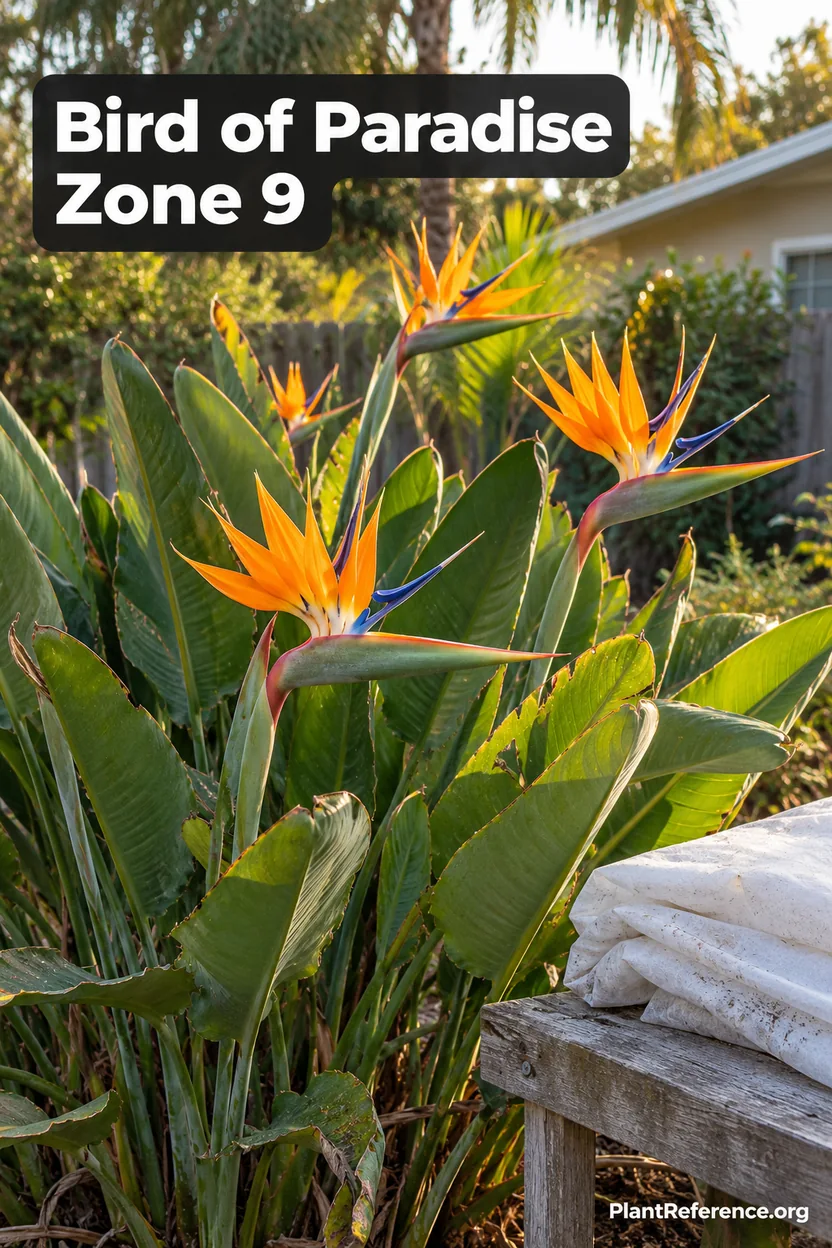
Bird of Paradise Outdoors in Zone 9: Freeze Plan
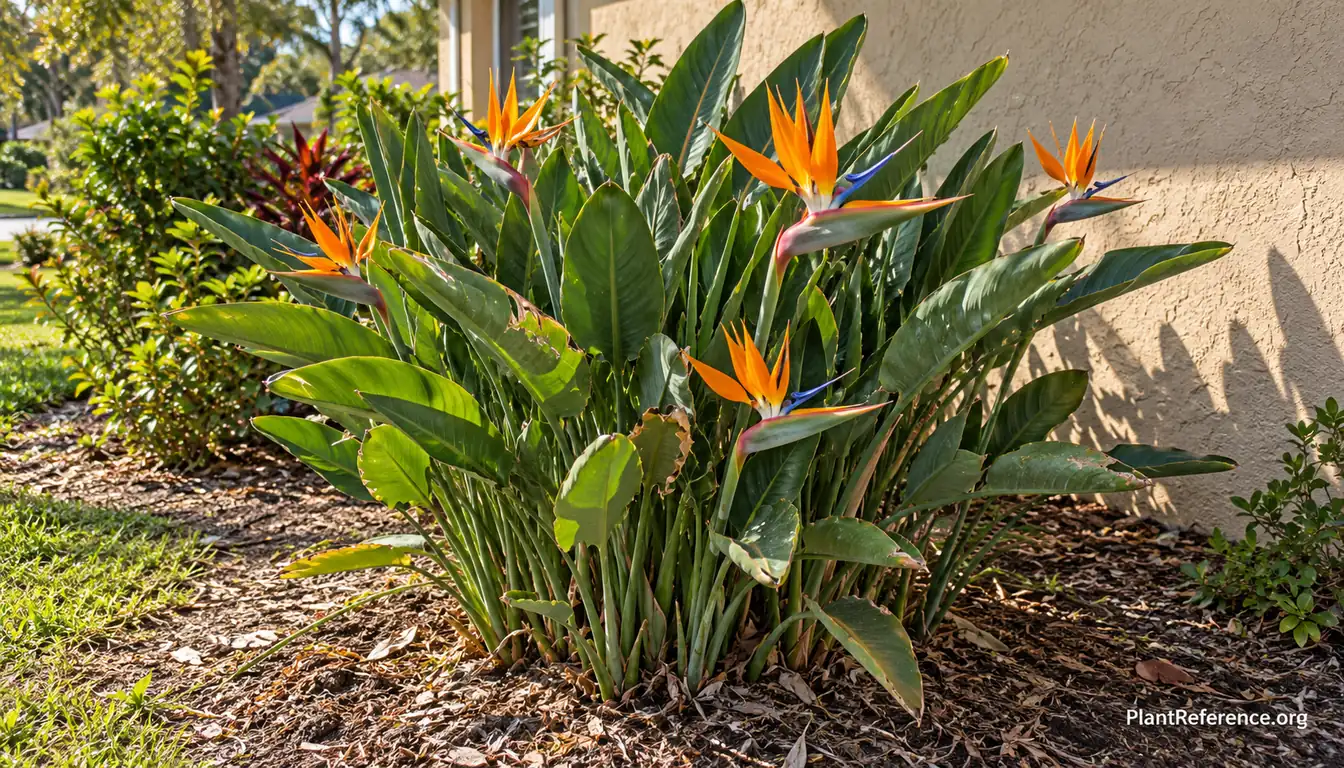
— Image © PlantReference.org 2026
Pets & Toxicity
Recorded toxicity for plants linked in this guide. An unknown status is not a safety assessment.
Toxic to pets: bird of paradise, giant bird of paradiseDetailsHide
Bird of paradise outdoors in Zone 9 is possible, but winter protection belongs in the plan from day one. The orange species can return from a living crown after cold damage, yet a hard or prolonged freeze may injure that crown as well as the leaves. Choose a draining site, keep a movable container as an option on colder properties, and decide how you will cover or cut back an in-ground clump before the forecast turns urgent.
Choose the Right Bird of Paradise and Growing Method
Orange bird of paradise 🌿Strelitzia reginae (stre-LIT-see-uh reh-JIN-ee) is the clumping plant with orange-and-blue flowers usually meant by this guide. A nursery may also sell a much larger white-flowered bird of paradise under a similar common name. These are different species and different size commitments. Check the botanical tag rather than buying a handsome leaf and hoping the plant will fit beside a path. The regional research describes the orange plant as thriving in warmer Zones 10–12 and surviving in Zone 9 with protection. Survival does not mean unblemished foliage every winter.
Start with your site's weakest point: its drainage and cold exposure. A sunny wall can shelter a planting from wind, but an open low spot may collect cold air and winter rain. In a Gulf Coast yard, clay sometimes holds water like a bathtub after a storm; tropical-looking foliage does not make roots immune to oxygen-starved soil. A broad mound or raised planting area can help where runoff has a route away. If water pools around the intended crown for days, change the site. Poor Drainage in Raised Beds: Causes and Fixes for Waterlogged Soil explains why a raised surface still needs an exit for water.
A container offers control on the colder edge of Zone 9. You can move it to a sheltered, frost-free place when temperatures threaten, though the pot dries faster in summer and can topple in wind. Choose a stable vessel with drainage holes and a route through the doorway before the plant grows large. A container too heavy to move is an in-ground winter problem with handles. Container Gardening: Pots, Soil, Water & Yields helps frame the pot-size, weight, and watering tradeoff.
Compare Species and Nursery Forms
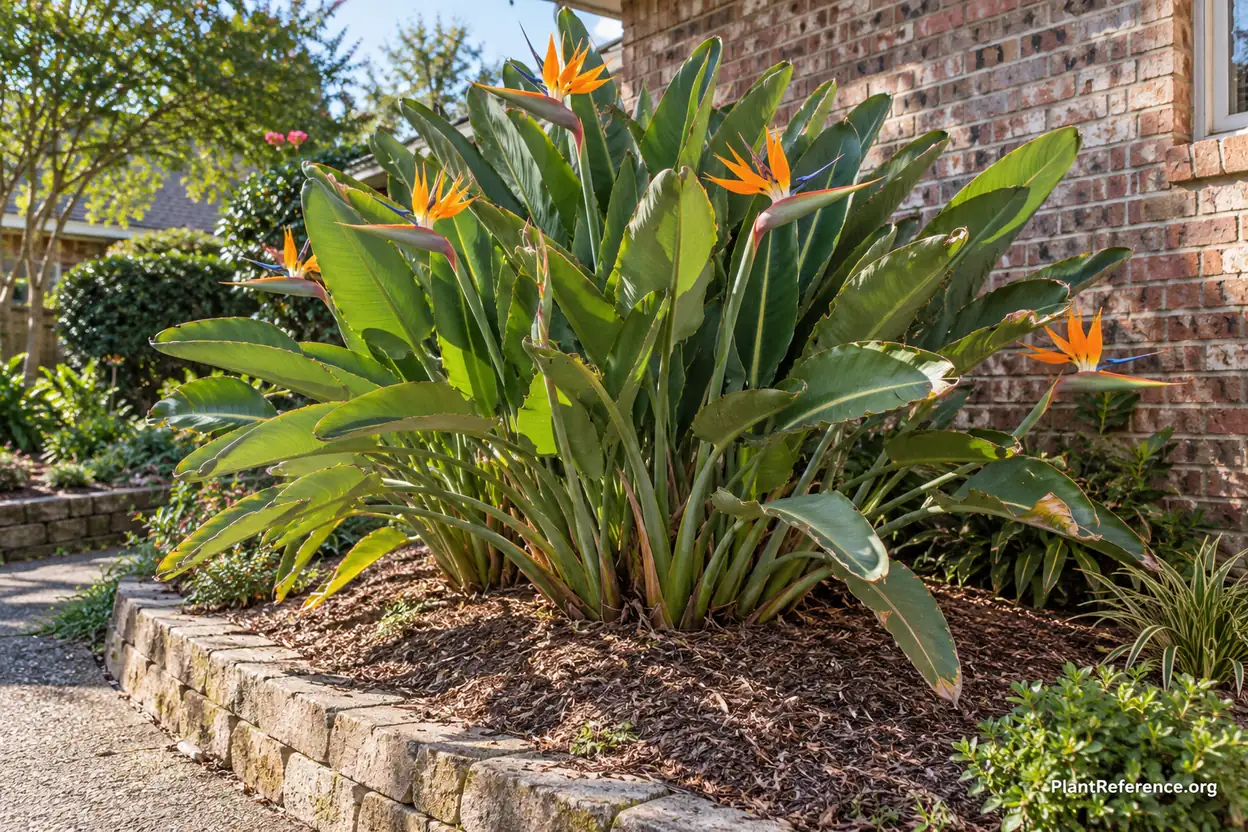
Use the species name to avoid confusing a compact orange clump with a tree-sized relative. 🌿Strelitzia reginae forms a dense fan of leaves and produces the familiar orange-and-blue display. 🌿Strelitzia nicolai can develop a much taller, trunking presence with white-and-dark flowers. Size and growth form change where a plant fits and whether a container remains movable. Neither name on a tag substitutes for local cold history, so ask a reputable nursery how its actual stock has performed outdoors in your area.
Species or form | Main visual cue | Best placement | Cold-management question |
|---|---|---|---|
🌿Strelitzia reginae in ground | Clumping leaves and orange-blue flowers | Warm, draining bed with crown access | Can you cover and mulch the clump? |
🌿Strelitzia reginae in a container | Same flowers in a movable scale | Sunny patio with clear shelter route | Can you move the loaded pot safely? |
🌿Strelitzia nicolai in ground | Much larger leaves and white-dark flowers | Spacious warm landscape | Is there room for mature height and cold damage? |
Unlabeled bird of paradise | Identity and mature habit unknown | Hold in a container while identifying | What species did the seller actually supply? |
This is a choice table, not a promise of exact heights or frost thresholds. Plants vary with age, growing conditions, and nursery culture. A young 🌿Strelitzia nicolai can look manageable beside a patio for a while, then outgrow it. A pot-bound 🌿Strelitzia reginae may flower differently after planting. Read labels, check mature dimensions from the seller, and leave enough room to work around the foliage without snapping petioles.
Inspect the plant before purchase. Firm leaf bases, healthy new growth, and roots that are not sitting in sour-smelling water matter more than a perfect display flower. Split leaves can result from wind and do not by themselves prove disease. If the crown feels soft or the pot never drains, a beautiful flower will not repair the underlying problem. Bring the plant home only when its intended site is ready; leaving it in a dark garage for weeks is not a head start.
Plant for Sun, Drainage, and Room
Give orange bird of paradise bright light and a position with substantial direct sun for strong flowering. In the hottest, most reflective corners of the South, watch for scorched foliage and root-zone heat rather than assuming more pavement exposure is always better. A nursery plant raised under shade cloth should be acclimated over several days before being placed in all-day sun. Move a container gradually; for a ground planting, use temporary filtered shade while it adjusts if leaves begin to burn.
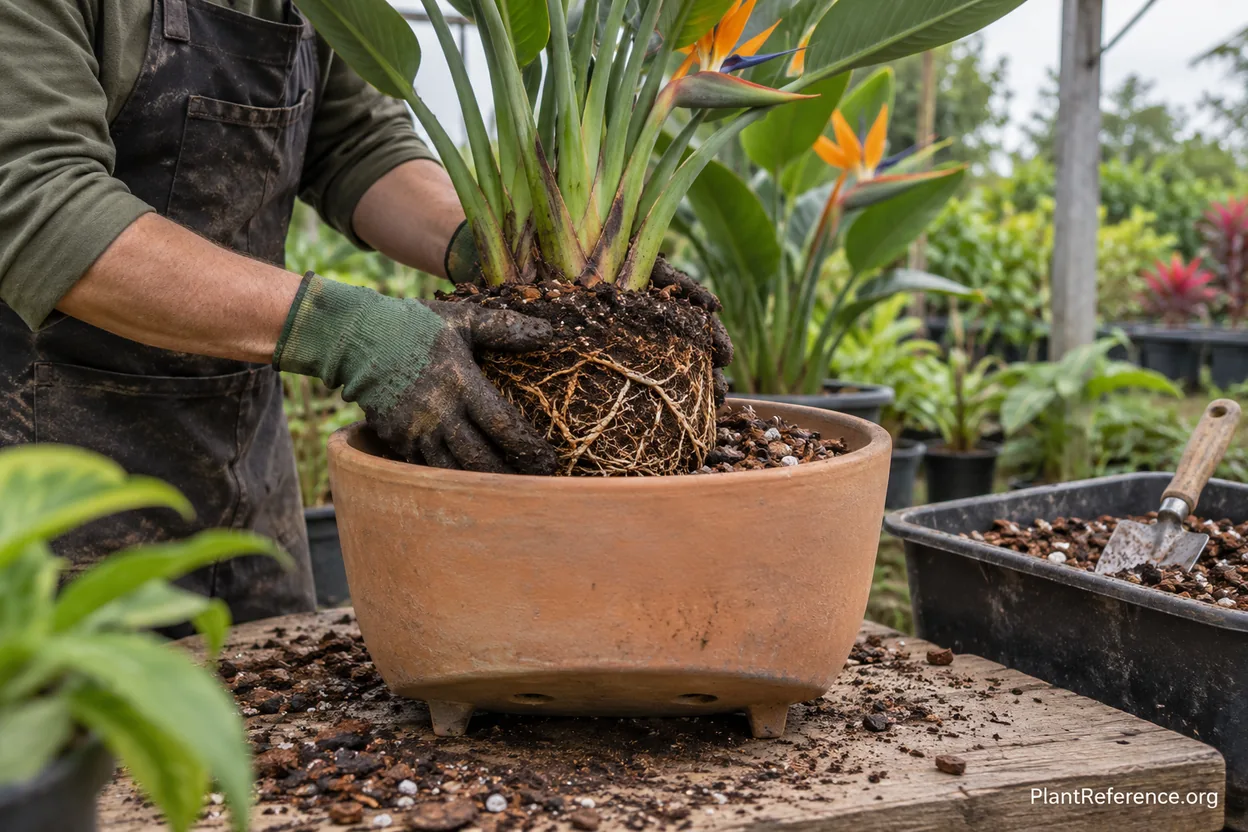
Dig an in-ground hole no deeper than the root ball and wider than its sides. Set the crown at its previous soil level, backfill mainly with native soil, and water once to settle the roots. A deep pit of amended soil in slow-draining clay can hold water like a bowl. Improve a broad area or use a raised site instead of making a tiny pocket. How to Improve Clay Soil Without Making It Worse is a useful companion for that decision. Keep landscape mulch away from the leaf bases so the crown is visible and not constantly damp.
For a pot, use a structured medium that drains through open holes and retains enough moisture to support active growth. Do not place a layer of gravel under a heavy, water-holding mix and call the problem solved. Gravel in Bottom of Pots for Drainage: Why It Backfires explains that the medium and outlet matter more. A pot around 14–18 inches (35–45 cm) across may suit a young clump, but choose by root-ball size, stability, and your ability to move it. Avoid a huge volume of wet mix around a small root system.
Water and Feed Through the Warm Season
The research notes that an established orange bird of paradise can tolerate drought, but establishment is not the time to test that limit. Water a new planting deeply, then check the root zone and allow air to return before watering again. A ground clump in sandy soil may need a different rhythm from one in heavy clay. In a container, lift the pot if practical or feel below the surface to judge moisture. The top inch (2.5 cm) can dry while deeper roots remain wet. Overwatering vs Underwatering Container Tomatoes: How to Tell the Difference uses another crop to teach the same diagnostic habit: verify moisture at root depth.
As roots establish, water thoroughly when the plant needs it rather than sprinkling the leaves every evening. Direct the water to the root zone and let incidental leaf wetness dry by day. Humid weather slows evaporation and can make a fixed weekly schedule misleading. After a drenching rain, postpone irrigation until you have checked the soil. On a windy, hot patio, a container may need water sooner than an in-ground clump, but it still needs an exit for excess water. Empty any saucer that holds standing water.
Remove dead leaves at their bases with clean tools, but leave healthy foliage to support growth. Do not cut a whole plant to a short stump each autumn merely because a guide mentions a 12-inch (30-cm) freeze option. That is a contingency for cold, not ordinary summer pruning. Clean debris from around the crown so you can see whether it is firm and dry. A clear crown also helps you place protective mulch correctly when winter weather threatens.
Prepare the Crown Before a Freeze
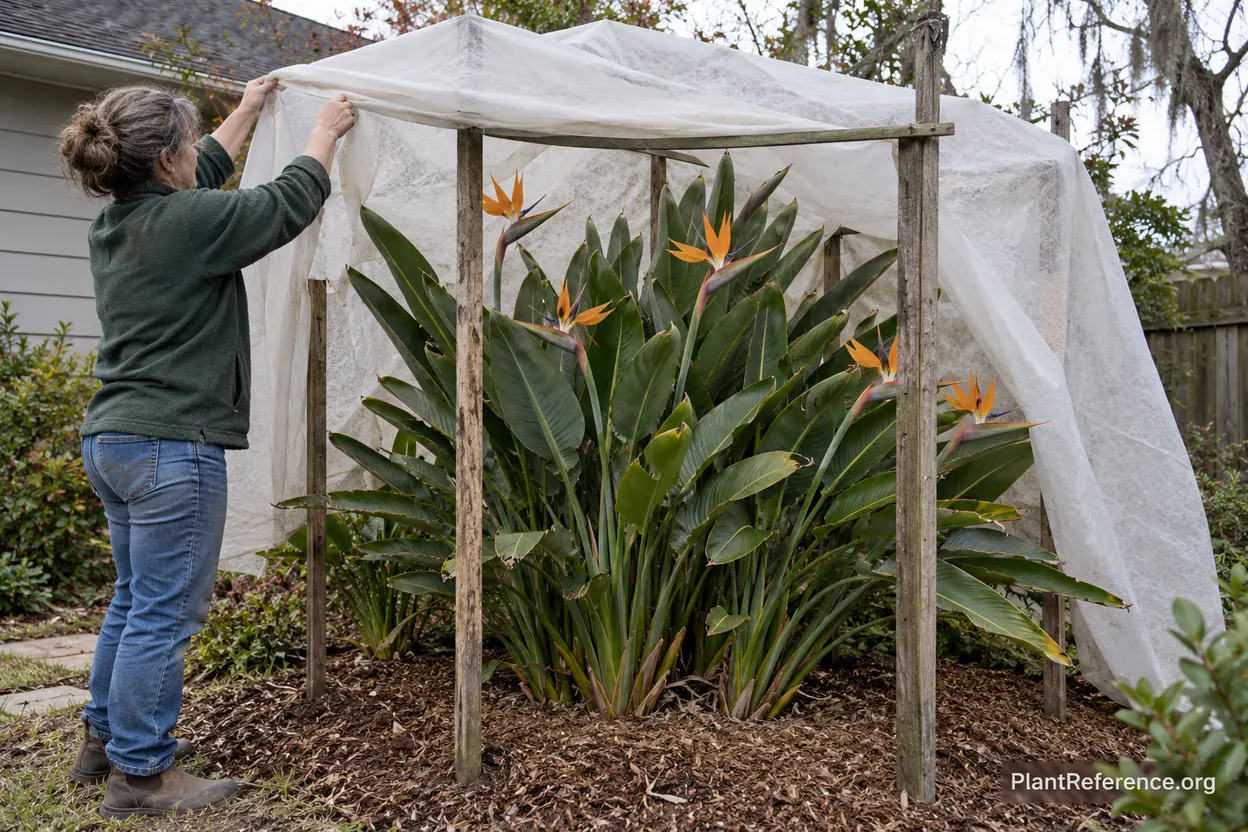
For an in-ground clump, water normally if the soil is dry well before cold arrives, but do not soak an already wet planting. Protect the crown with a breathable cover supported so fabric does not crush the leaves, and anchor the edges to trap some ground warmth. Remove or vent the covering when temperatures rise; trapped heat and moisture can damage leaves. A thin row cover offers a modest buffer, not immunity from a hard freeze. Best Season Extenders for the Pacific Northwest Garden compares cover concepts in another region, but your local forecast and plant size determine the response.
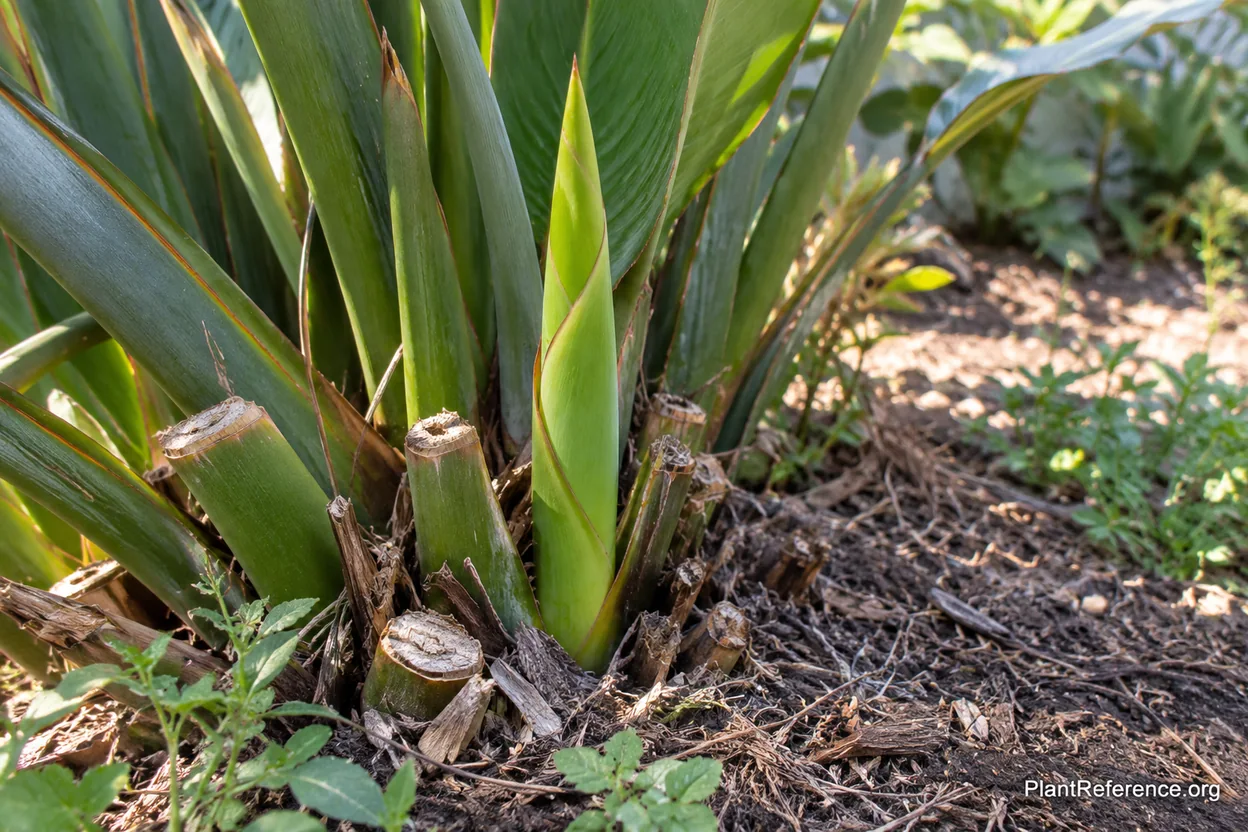
The research describes cutting orange bird of paradise to about 12 inches (30 cm) and heavily mulching to protect the rhizome when a freeze is forecast. Treat this as a defensive, canopy-sacrificing plan for an established in-ground plant, particularly when a cover cannot shelter the full foliage. It is not a guarantee that an unprotected crown will survive prolonged cold. If the leaves are already badly frozen, wait until the weather steadies before removing damaged tops; living tissue can be hard to judge immediately after an event. Use clean, sharp tools and avoid cutting into the firm crown itself.
Apply a generous insulating layer of loose mulch over the surrounding root zone, then keep the crown's central leaf bases from staying packed with soggy material. The goal is to moderate root-zone temperature, not seal the growing point in a wet mound. A layer several inches deep can be useful, but its exact depth depends on material, site, and whether the crown is covered. Check the mulch after wind and rain. If water stands at the base, drainage remains the priority. Is My Shrub Dead? Scratch Test After a Freeze offers the general lesson of waiting for living growth before making permanent pruning decisions.
Cut Back and Mulch Without Trapping Rot
After cold passes, separate cosmetic leaf damage from crown injury. Blackened leaf blades may look dreadful while firm central tissue remains alive. Do not pull on a frozen leaf or pry apart the crown to inspect it. Let damaged material dry enough to handle, then trim leaves and petioles with clean tools. If the whole top is lost, cut dead stems back to firm tissue; the research's 12-inch (30-cm) cutback is a practical reference for a protected clump, not a required height for every plant. The remaining crown must stay firm and well drained.
Keep the protective mulch over the surrounding roots during the cold period, but pull back material that stays pressed into the central leaf bases. A soggy collar can favor decay, especially in heavy soil after repeated winter rain. Inspect the crown for soft, foul-smelling tissue, and clear any decomposing leaves. Do not respond to a leafless clump by watering it on a summer schedule; without a canopy it uses less water. If the crown is rotten, no amount of fertilizer will reverse that damage.
An established clump can be divided when it is healthy and active, but division is not an emergency rescue for fresh freeze damage. Repeatedly tearing apart a stressed crown removes stored reserves it needs to recover. If a plant must be moved because its site floods, lift it with as much root system as practical and provide drainage first. Then allow time for recovery before expecting flowers. A living plant may spend a season rebuilding foliage after a severe cold event.
Read Spring Recovery and Troubleshoot Growth
Wait for sustained warmth to assess the result. New shoots from the base show that the crown survived even if old leaves did not. Their timing depends on weather and the degree of damage. A clump that stays firm but slow is not automatically dead in the first warm week. If leaf bases soften or smell rotten, investigate waterlogging and crown decay; the two problems can occur together after a freeze. Take notes about where damage appeared. A sheltered wall may help one year and fail during a longer event.
Poor flowering usually points to light, maturity, or recent stress before it points to a missing “bloom booster.” Count direct sun hours in the active season, not just the brightness at noon. If nearby trees have grown, yesterday's full-sun bed may now be shaded. A pot can be shifted gradually into more light; an in-ground clump takes planning. Avoid moving a newly divided or cold-damaged plant into punishing reflected heat in one day.
Brown leaf edges can reflect wind, uneven watering, salt buildup in a pot, or cold injury. Check when the symptom began and inspect the medium before choosing a cure. A yellow leaf after a freeze is different from many yellow leaves during warm weather in saturated soil. Soil Types by Region: Diagnose and Fix Your Garden Soil helps interpret a ground site's behavior, but the plant and root-zone evidence should guide the next step. Do not apply a fungicide or fertilizer simply because a photo online looks similar.
Keep a Seasonal Maintenance Plan
In warm months, check light, moisture below the surface, and drainage after heavy rain. Water an establishing plant deliberately; an established clump may endure dry periods, but do not turn drought tolerance into a reason to ignore a wilted new planting. Clean away spent leaves and watch how quickly a container dries in wind. If you keep more than one bird of paradise, label the species so a young white-flowered plant does not quietly outgrow the space planned for orange 🌿Strelitzia reginae.
As cooler weather approaches, clear the path to a container's shelter and set aside the cover materials for ground plants. Note the lowest spots where frost lingers. Before a freeze, choose between moving the pot, covering the clump, or accepting a canopy-sacrificing cutback and mulch plan. After cold, wait for stable weather and signs of living tissue before aggressive pruning. In spring, ease the plant back into normal watering as new leaves expand. This sequence is more useful than one fixed calendar date across all of Zone 9.
Bird of paradise outdoors in Zone 9 works when the root zone stays sound through both wet summers and cold surprises. The showy leaves are replaceable if a firm crown survives; that crown is what your drainage and winter plan protect. A sheltered wall can help, but it cannot rewrite the forecast. Choose a growing method you can manage on the worst night, not only on the nicest day.
Frequently Asked Questions

Reading about plants and recognising them are different skills. These three build the second.
- Daily PlantIdentify the day’s mystery plant from a close-up photograph.
- Keyed OutWork a dichotomous key, lead by lead, to name a hidden specimen.
- Name That PlantName a specimen from botanical clues dealt hardest first.
Free to play, no account needed
Tagged with
Aisha manages a small tropical nursery on the east side of Houston, specializing in plants that can handle the Gulf Coast's humidity, heat, and unpredictable flooding. She studied horticulture in college and worked at a wholesale grower before opening her own operation. Growing up, her parents kept a kitchen garden with okra, bitter gourd, and curry leaf plants—a tradition she's continued. Houston's subtropical climate lets her grow things most of the country can't, but it also means dealing with fungal issues, standing water, and summers where it's too hot for even tomatoes. Aisha writes about tropical and subtropical plant care, humidity management, and working with heavy clay soils.