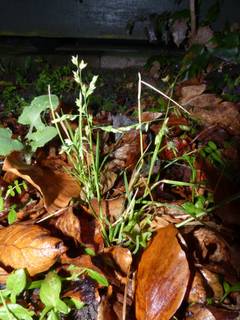
Poa, Genus, pratensis, Species,
- Genus & species
Kentucky bluegrass
Europe and northern Asia; despite the common name, the species was brought to Kentucky by European settlers and naturalized across temperate North America rather than originating in the region.
Overview
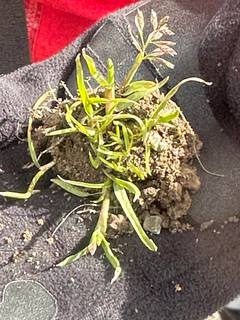
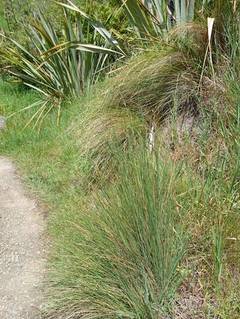
Poa pratensis is a cool-season perennial sod-forming grass in the grass family (Poaceae) reaching 12-24 inches (30-60 cm) tall when unmowed and maintained at 2.5-3.5 inches (6-9 cm) mowed height. Spread is indefinite through aggressive underground rhizomes that push laterally and produce new shoots at intervals, which gives the species its characteristic dense self-repairing turf habit and separates it from the bunch-forming cool-season grasses such as perennial ryegrass and tall fescue. Despite the common name, the species is native to Europe and northern Asia and was brought to Kentucky and the broader American transition zone by European settlers, naturalizing across temperate North America to become the dominant lawn grass of the northern United States. Leaves are narrow-bladed at 2-3 mm wide, dark blue-green, with a boat-shaped (keeled) leaf tip that identifies the species in the field, and folded vernation (the leaf rolled around itself in bud rather than rolled inside the next leaf as in tall fescue). Open pyramidal panicles with small spikelets open in late spring on unmowed plants and pollination is wind-driven, but mowing prevents flowering on lawn-managed turf. Germination is slow at 14-21 days and full establishment takes one growing season, but the trade-off for the slow start is a 10-plus-year functional lifespan once mature, with rhizomatous self-repair filling bare spots and recovering from wear without overseeding. Cool-season growth pattern: active growth at 60-75°F (16-24°C) in spring and fall, semi-dormancy and browning in sustained summer heat above 85°F (29°C), and recovery when cool weather returns. High water requirement (1-1.5 inches per week) and high nitrogen requirement (2-4 pounds nitrogen per 1,000 square feet per year) put the species in the high-maintenance category for residential turf. Hardy in USDA zones 3-7 (-40°F / -40°C). Non-toxic.
Native Range
Poa pratensis is native to Europe and northern Asia, where it grows in meadows, pastures, and open grasslands across the temperate Eurasian range. The species was carried to North America by European settlers in the colonial period and naturalized rapidly across the temperate continent, becoming the dominant cool-season turfgrass of the northern United States and southern Canada. The Kentucky bluegrass common name reflects the early American distribution rather than the geographic origin of the species.Suggested Uses
Used in home lawns, parks, golf course fairways and tees, and sports fields throughout the northern United States transition zone. The species is the dominant lawn grass of the cool-season climate region and the visual reference point for what most North American homeowners think of as a lawn: dense dark blue-green, narrow-bladed, self-repairing via rhizomes, and permanent for 10-plus years once established. The high water and high nitrogen requirements place the species in the high-maintenance category, which has driven interest in lower-input alternatives (tall fescue, narrow-leaf fescues, microclover-augmented mixes) for water-conscious homeowners. The species is not suited to deep shade (less than 4 hours of direct sun causes thinning) or to low-input low-water management approaches.How to Identify
Appearance
Size & Dimensions
Height3" - 2'
Width/Spread1' - 2'
Bloom Information
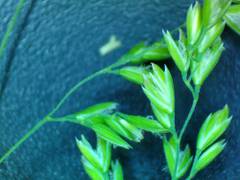
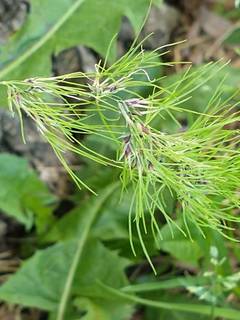
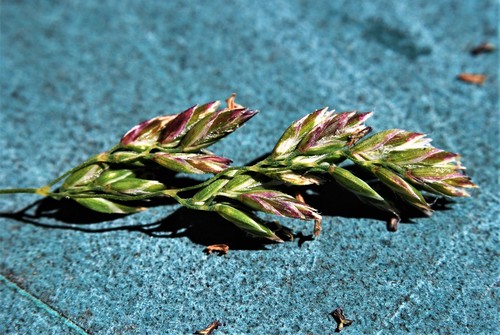
Open pyramidal panicles 4-8 inches (10-20 cm) tall carrying small green-to-purplish spikelets emerge in late spring on unmowed plants, with bloom from May through June. Wind pollination produces seed in 4-6 weeks. On mowed turf, flowering is removed by routine mowing and the lawn produces no seed; commercial seed comes from designated seed-production fields in the Pacific Northwest where Kentucky bluegrass is a major agricultural seed crop, particularly in eastern Oregon and Washington.
Detailed Descriptions
Flower Description
Green to purplish; open pyramidal panicles with small spikelets in late spring on unmowed plantsFoliage Description
Dark blue-green; narrow blades 2-3 mm wide with a boat-shaped (keeled) tip and folded vernation; the boat-shaped tip is the primary leaf identification character for the speciesGrowing Conditions
Sun Requirements
Requires 4-10 hours of direct sunlight daily
• Full Sun: 6+ hours of direct sunlight
• Partial Shade: 3-6 hours of direct sunlight
• Full Shade: Less than 3 hours of direct sunlight
Care & Maintenance
Care Guide
Seeding is timed for early fall at 2-3 pounds per 1,000 square feet (90-135 g per 93 square meters), since fall seeding gives the slow-establishing seedlings two cool-weather windows (fall and the following spring) before the first summer heat stress. Germination takes 14-21 days at soil temperatures of 50-65°F (10-18°C) and full establishment takes one growing season. Mowing is at 2.5-3.5 inches (6-9 cm) and removes no more than one-third of the blade height in any single mowing. Watering is 1-1.5 inches per week through the active growing seasons, and fertilization is 2-4 pounds nitrogen per 1,000 square feet per year split across spring and fall applications. Cool-season physiology means the species enters semi-dormancy and browns in sustained summer heat above 85°F (29°C); the brown summer color recovers when temperatures drop and the rhizomes resume growth in fall. Thatch buildup at the soil surface is the main maintenance issue across multi-year stands, and core aeration once per year removes thatch and improves water and oxygen movement to the root zone.Pruning
Mowing is the standard maintenance, at 2.5-3.5 inches (6-9 cm) and never removing more than one-third of the blade height per mowing. Higher mowing during summer heat stress (3.5 inches / 9 cm) reduces water demand and shading at the soil surface. Core aeration once per year through the active growing season removes thatch and maintains root zone health.Pruning Schedule
Prune: March–October
early springlate springsummerfall