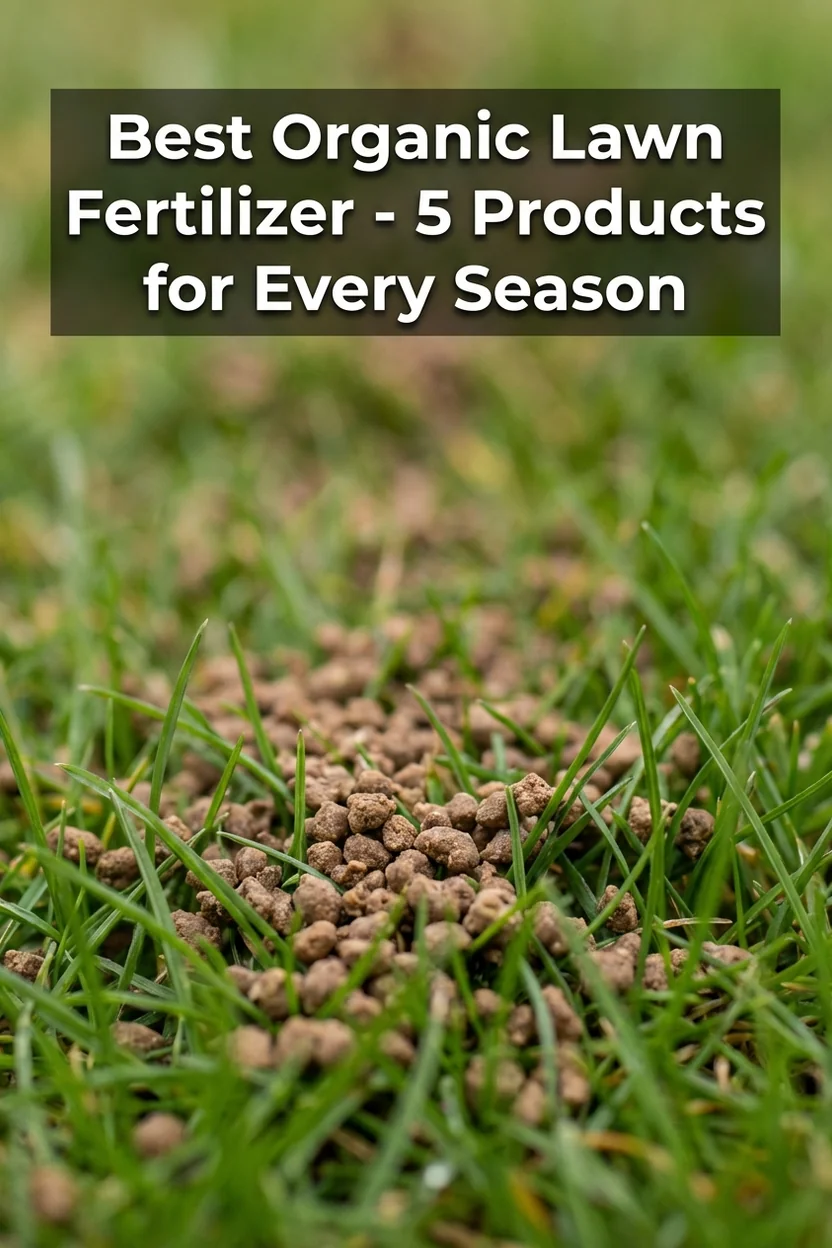
Best Organic Lawn Fertilizer: 5 Products for Every Season
Pets & Toxicity
Recorded toxicity for plants linked in this guide. An unknown status is not a safety assessment.
No linked plant is recorded as toxicDetailsHide
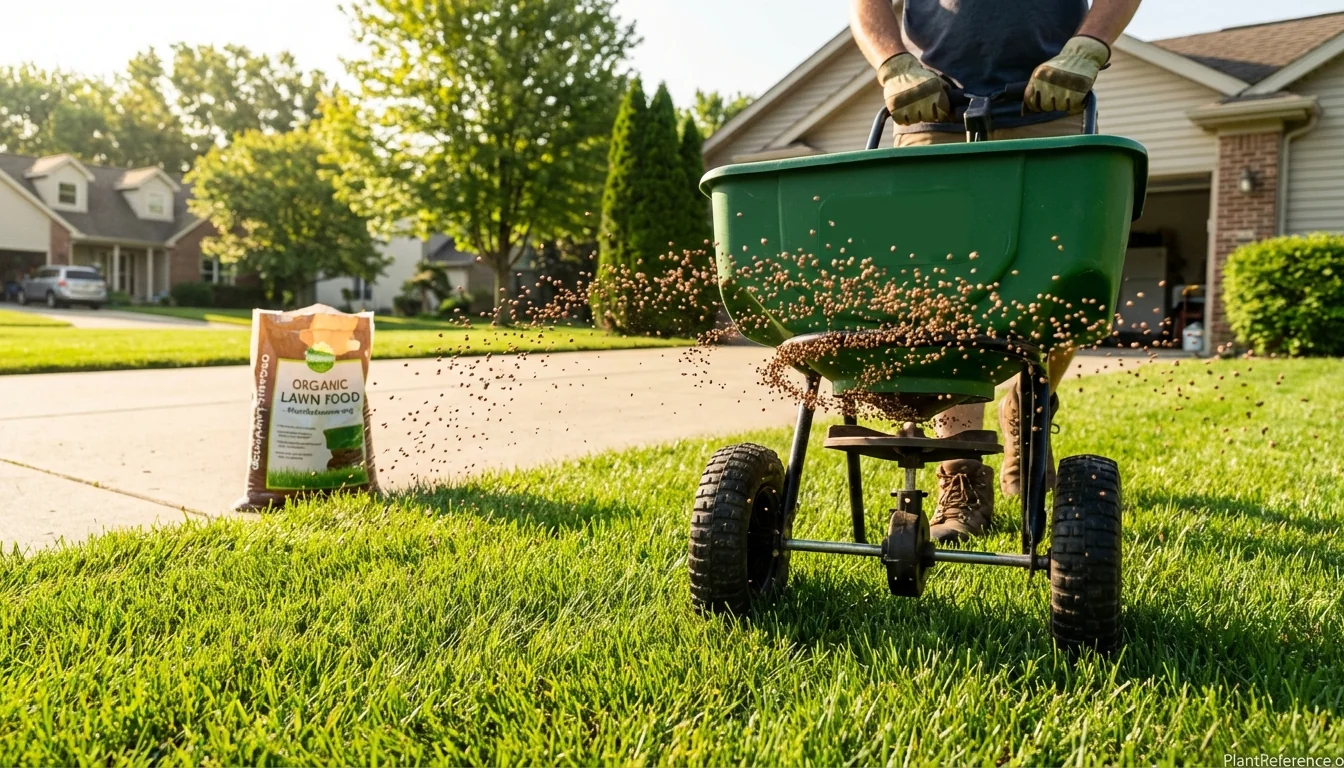
— Image © Plant Reference 2026
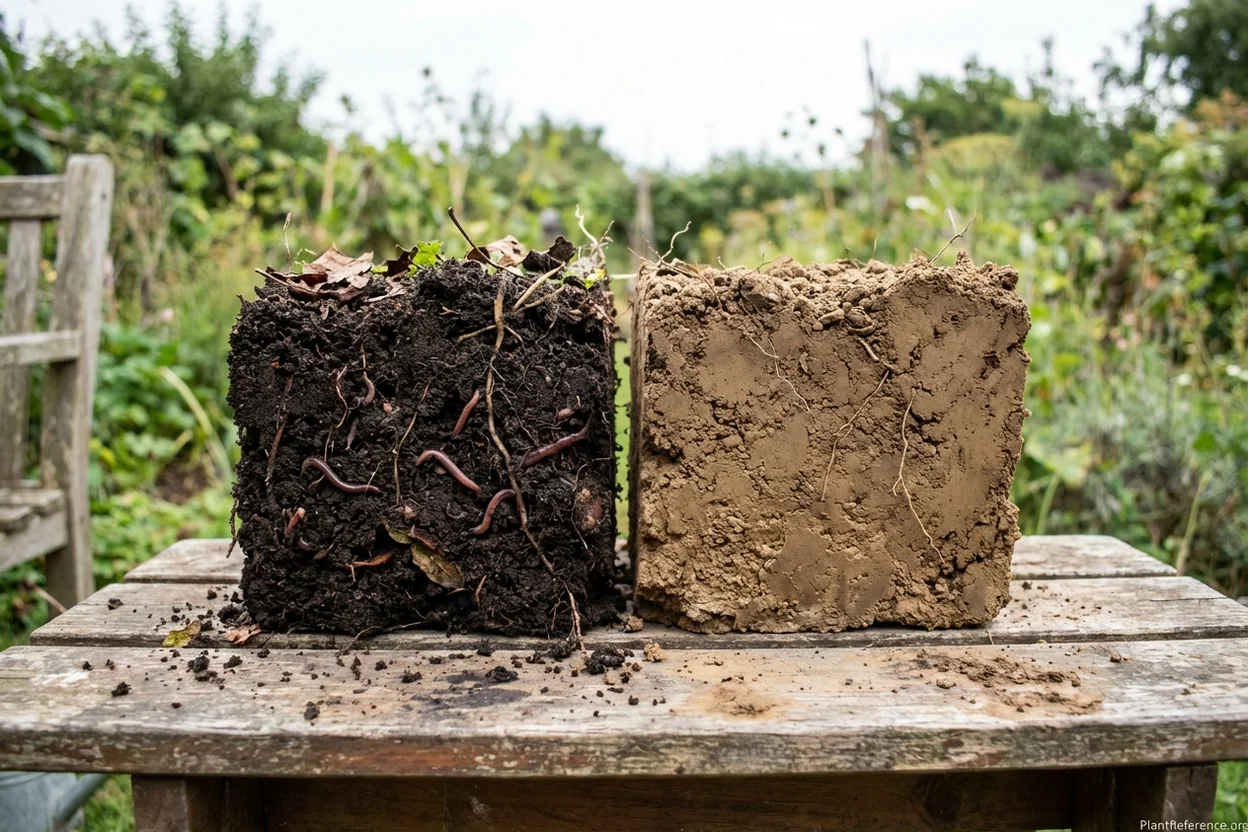
I switched to organic lawn fertilizers on my own property twelve years ago and have never looked back. The lawn took two seasons to fully transition — the first year looked slightly less green than my neighbors' chemically fed turf. By the third year, my lawn was outperforming theirs because the soil biology had rebuilt to the point where nutrients cycled naturally. That is the fundamental difference between organic and synthetic: synthetic fertilizers feed the grass, organic fertilizers feed the soil that feeds the grass.
Why Organic Over Synthetic
The Soil Biology Argument
Synthetic fertilizers deliver nitrogen in water-soluble form that grass roots absorb immediately. This produces fast green-up (3-5 days) but bypasses the soil food web — the network of bacteria, fungi, and microorganisms that naturally cycle nutrients. Over years of exclusive synthetic use, this soil biology declines because it has nothing to do. The grass becomes dependent on the next synthetic application because the soil can no longer provide nutrients on its own. Lawn Fertilization Schedule: When and What to Feed by Grass Type
Organic fertilizers require soil microorganisms to break them down before plants can absorb the nutrients. This process feeds and multiplies the soil biology with every application. Over 2-3 years of organic feeding, the soil develops a self-sustaining nutrient cycle that supports healthier, more resilient turf with less external input.
The Safety Argument
Organic fertilizers contain virtually no salts — the component in synthetic fertilizers that causes burn when over-applied or applied in heat. You cannot burn a lawn with organic fertilizer. Apply it in 95°F (35°C) heat, double the rate by accident, or spread it on wet grass — it will not burn. This zero-burn safety margin eliminates the most common fertilizer mistake homeowners make.
What to Look For in an Organic Lawn Fertilizer
Nitrogen Source and Release Rate
The nitrogen source determines how long the fertilizer feeds. Look for slow-release organic nitrogen from sources like feather meal, soybean meal, blood meal, or biosolids. These release nitrogen over 8-10 weeks as soil microbes break them down. Avoid organic products with significant water-soluble nitrogen — they behave more like synthetics with boom-and-bust feeding cycles.
N-P-K Ratio
For most lawn feeding, nitrogen (N) is the primary nutrient. An organic lawn fertilizer with a first number between 6-10 provides adequate nitrogen per application. The phosphorus (P) and potassium (K) numbers matter less for routine feeding — many states restrict phosphorus application on established lawns, making 9-0-0 or similar phosphorus-free formulas the safest choice. Cool-Season vs Warm-Season Grass: Which Type Fits Your Lawn?
Coverage Per Bag
Organic fertilizers require more product per 1,000 sq ft than synthetics because the nitrogen concentration is lower. A 28 lb bag of Espoma 9-0-0 covers 5,000 sq ft. A 32 lb bag of Milorganite 6-4-0 covers 2,500 sq ft. Calculate cost per 1,000 sq ft, not cost per bag, for accurate value comparison.
The 5 Best Organic Lawn Fertilizers
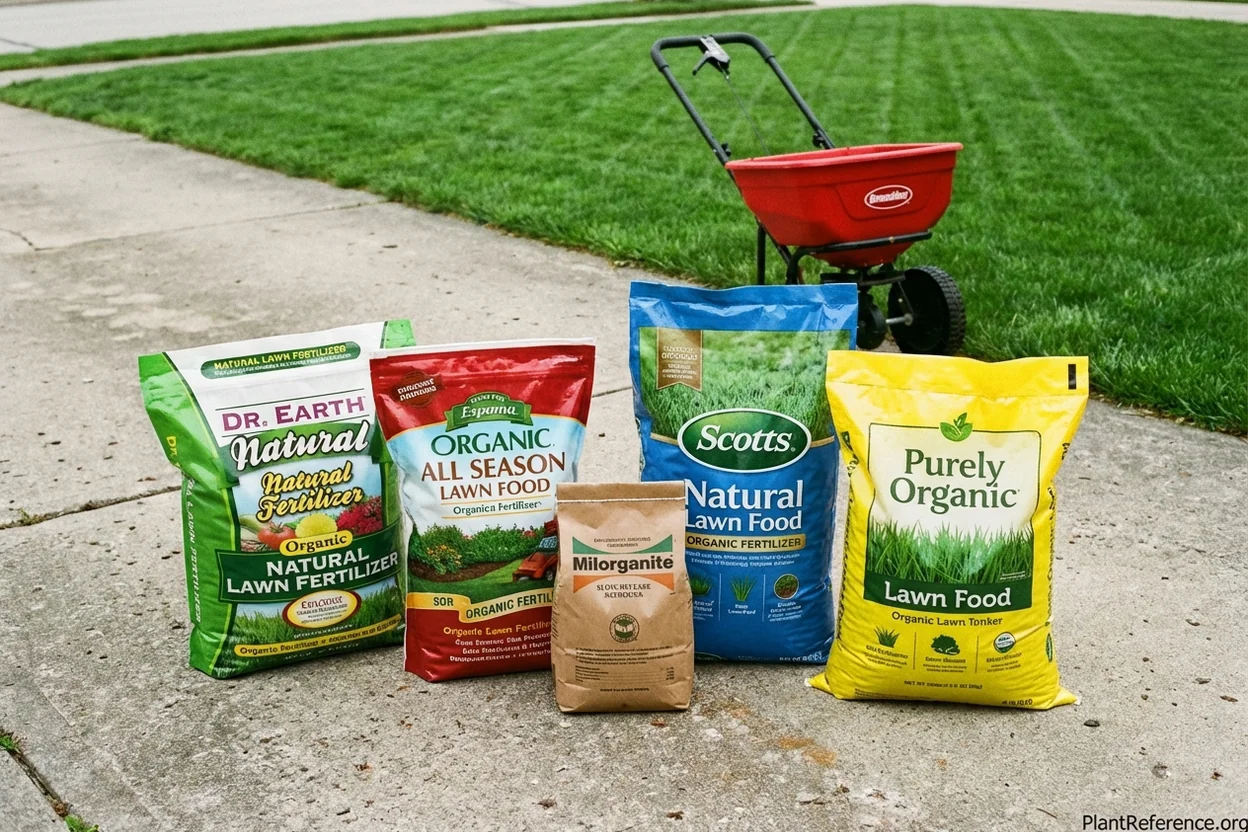
1. Espoma Organic All Season Lawn Food (9-0-0) — Best Overall
Espoma has been making organic fertilizers since 1929, and their All Season Lawn Food is the product I recommend as the foundation of any organic lawn program. The 9-0-0 formula delivers the highest nitrogen concentration of any purely organic lawn fertilizer, meaning less product per application than competitors.
The real advantage is Espoma's proprietary Bio-tone formula — a blend of beneficial microbes that colonize the root zone and improve nutrient uptake. In side-by-side tests on my own clients' lawns, Bio-tone-treated turf shows visibly better color retention during summer drought compared to organic fertilizers without microbial inoculants.
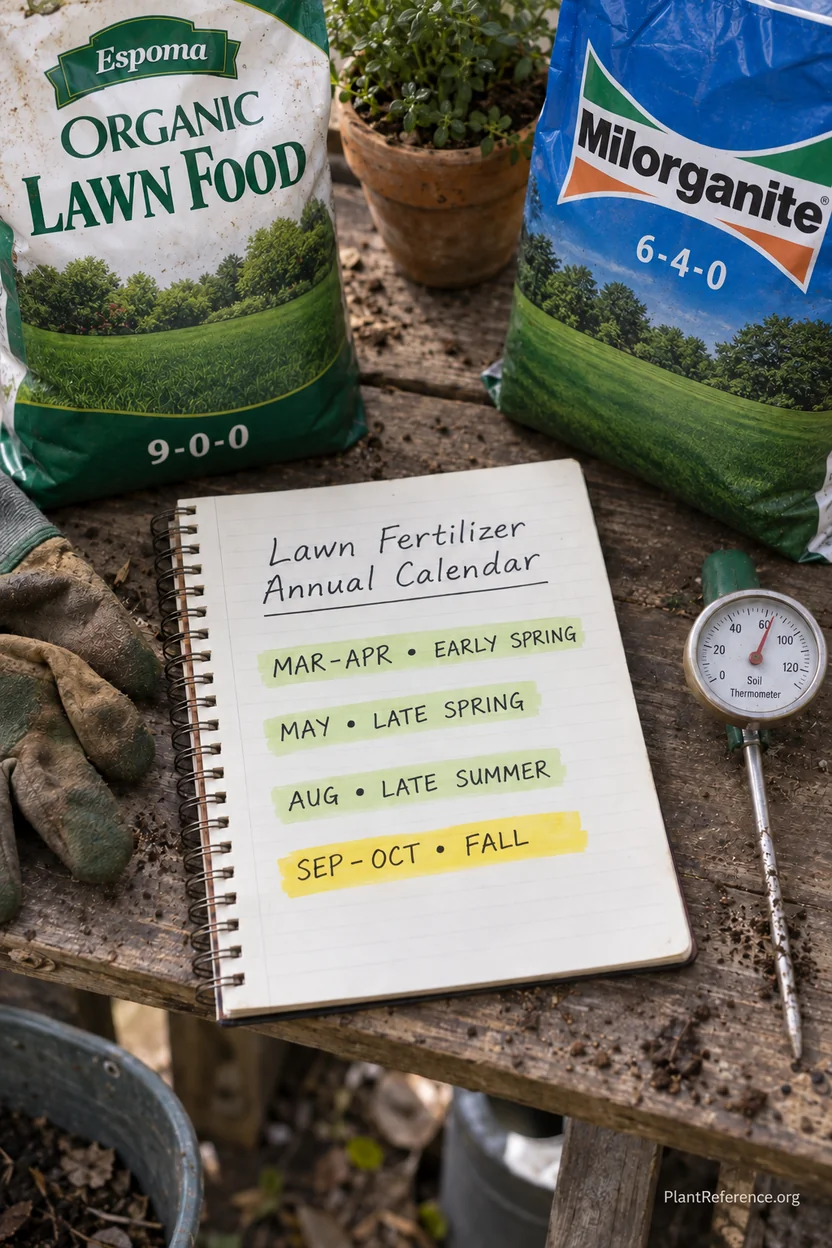
The zero-phosphorus formula complies with state restrictions, and the 28 lb bag covers 5,000 sq ft — competitive coverage for the price. Apply 4 times per year (early spring, late spring, late summer, fall) or use as part of Espoma's seasonal program with their Spring Booster, Summer Revitalizer, and Fall Winterizer.
Price: $25-35 | N-P-K: 9-0-0 | Coverage: 5,000 sq ft | Feed duration: 6-8 weeks Best for: Year-round organic feeding on all grass types.
2. Milorganite (6-4-0) — Best Value and Best for Iron
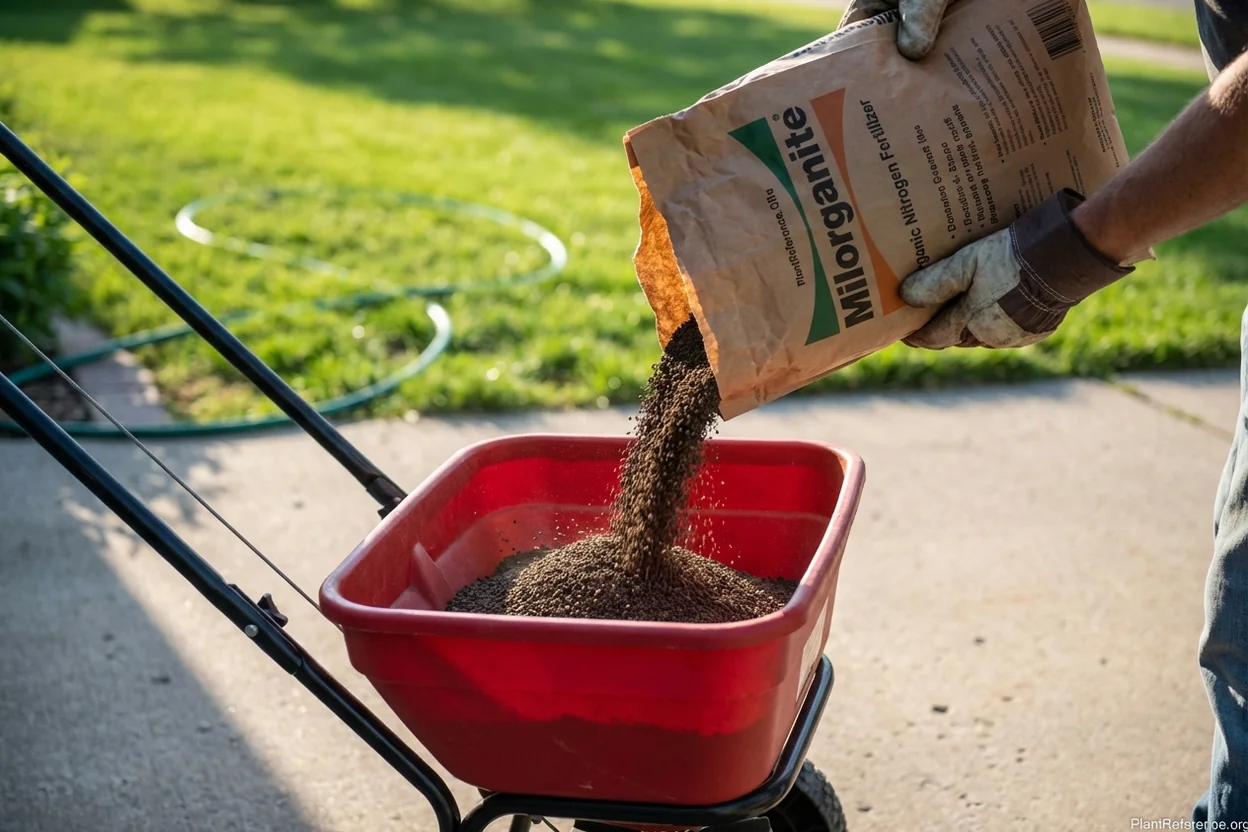
Milorganite is made from heat-dried microbes that processed organic matter at Milwaukee's water reclamation facility — the same production process since 1926. The resulting product is 85% organic matter by weight, which means every application adds significant soil-building material in addition to nutrients.
The standout feature is 2.5% iron — more than any other organic lawn fertilizer. Iron promotes deep green color without stimulating excessive top growth the way nitrogen does. This makes Milorganite particularly effective as a summer application when you want color without increased mowing frequency. The iron is organically complexed, so it does not stain concrete or sidewalks.
At $15-25 per 32 lb bag covering 2,500 sq ft, Milorganite is the most affordable organic fertilizer per application. The trade-off is lower nitrogen (6%) requiring more bags for large lawns. The "holiday schedule" (Memorial Day, Independence Day, Labor Day, Thanksgiving) provides an easy-to-remember 4-application program. Lawn Care Schedule by Month: Your Complete Cool-Season Grass Calendar
Price: $15-25 | N-P-K: 6-4-0 | Coverage: 2,500 sq ft | Feed duration: 8-10 weeks Best for: Budget organic feeding, iron-deficient lawns, summer color without growth surge.
3. Espoma Spring Lawn Booster (8-0-0) — Best for Early Spring
This is Espoma's season-specific formula for the first application of the year. The 8-0-0 formula enhanced with calcium supports the initial spring green-up when cool-season grasses are emerging from winter dormancy and root growth is active.
The added calcium improves soil structure in acidite soils — a common condition in the eastern U.S. where soil pH trends below 6.5. The slow-release nitrogen feeds for 6-8 weeks, bridging the gap from early spring through late spring when the All Season formula takes over.
Price: $25-35 | N-P-K: 8-0-0 + calcium | Coverage: 5,000 sq ft | Feed duration: 6-8 weeks Best for: First application of the season on cool-season lawns, acidic soils. Lawn Fertilization Schedule: When and What to Feed by Grass Type
4. Safer Brand Lawn Restore (9-0-2) — Best for Rebuilding Stressed Lawns
Safer Brand Lawn Restore combines 9% nitrogen with 2% potassium — the potassium helps stressed lawns recover from drought, heat, and traffic damage. Most organic lawn fertilizers omit potassium, so Lawn Restore fills a gap for lawns that need recovery support alongside nitrogen.
The granular formula applies easily with a broadcast spreader and feeds for approximately 8 weeks. At $25-35 for 5,000 sq ft coverage, it is priced competitively with Espoma. The nitrogen comes from plant-based sources (no biosolids), which some homeowners prefer.
Price: $25-35 | N-P-K: 9-0-2 | Coverage: 5,000 sq ft | Feed duration: ~8 weeks Best for: Lawns recovering from drought or heat stress, homeowners who prefer plant-based nitrogen sources.
5. Jonathan Green Organic Lawn Food (8-0-1) — Best for Dense Turf
Jonathan Green's organic formula focuses on turf density rather than just color. The 8-0-1 formula with added soil-building ingredients supports thicker growth that crowds out weeds naturally — the long-term organic approach to weed suppression.
The 20 lb bag covers 5,000 sq ft, and Jonathan Green's reputation for premium grass seed carries over to their fertilizer line. This pairs particularly well with their Black Beauty seed blends for a fully integrated organic lawn program. How to Overseed Your Lawn: Timing, Seed Selection, and Technique
Price: $20-30 | N-P-K: 8-0-1 | Coverage: 5,000 sq ft | Feed duration: 6-8 weeks Best for: Homeowners using Jonathan Green seed who want a matched organic fertilizer program.
Product | N-P-K | Coverage | Price | Iron | Best Season |
|---|---|---|---|---|---|
Espoma All Season | 9-0-0 | 5,000 sq ft / 28 lb | $25-35 | No | All year |
Milorganite | 6-4-0 | 2,500 sq ft / 32 lb | $15-25 | 2.5% | All year (best summer) |
Espoma Spring Booster | 8-0-0 | 5,000 sq ft / 30 lb | $25-35 | No | Early spring |
Safer Lawn Restore | 9-0-2 | 5,000 sq ft / 25 lb | $25-35 | No | Recovery / stress |
Jonathan Green Organic | 8-0-1 | 5,000 sq ft / 20 lb | $20-30 | No | All year |
Seasonal Organic Feeding Schedule
Cool-Season Lawns (🌿Poa pratensis / 🌿Festuca arundinacea)
Early Spring (March-April): Apply Espoma Spring Booster or Milorganite as soon as grass begins active growth. This feeds the initial green-up and supports root recovery from winter.
Late Spring (May): Apply Espoma All Season or Milorganite. This sustains the spring growth through the transition into summer.
Late Summer (August): Apply Milorganite (iron for summer color without growth surge) or Safer Lawn Restore (potassium for heat stress recovery). How to Water Your Lawn the Right Way: Depth, Timing, and Drought
Fall (September-October): The most important application of the year. Apply Espoma All Season at full rate. This feeds the aggressive fall root growth that determines next year's lawn density and health. When to Stop Mowing in Fall (And When to Start Again in Spring)
Warm-Season Lawns (🌿Cynodon dactylon / 🌿Zoysia japonica)
Late Spring (May): First application when bermuda or zoysia is fully green and actively growing.
Summer (June-August): Apply monthly through peak growth. Milorganite is excellent here — the iron maintains color while the moderate nitrogen avoids excessive top growth in heat.
Early Fall (September): Final application before dormancy. Do not fertilize warm-season grass after mid-October. When to Fertilize Bermuda Grass: Monthly Schedule by Zone
Making the Switch from Synthetic
The Transition Period
Expect a 1-2 season adjustment when switching from synthetic to organic fertilizers. During the first year, the lawn may appear slightly less vivid green than it did on synthetics because organic nitrogen releases slower and the soil biology needs time to rebuild. By the second fall, most lawns fed organically match or exceed their previous appearance.
Do Not Mix Approaches
Running organic and synthetic simultaneously undermines the purpose of switching. The salt content in synthetic fertilizers suppresses the soil biology that organic fertilizers depend on for nutrient cycling. Commit fully to organic for at least two full years before judging results.
Increase Mowing Height
Organic lawns perform best at 3-4 inches (8-10 cm) for cool-season grasses and 1.5-2 inches (4-5 cm) for warm-season grasses. Taller grass shades the soil, retains moisture, and supports the deeper root growth that organic feeding promotes. Lawn Mowing Height Guide: The One-Third Rule and Seasonal Timing
Frequently Asked Questions
Reading about plants and recognising them are different skills. These three build the second.
- Daily PlantIdentify the day’s mystery plant from a close-up photograph.
- Keyed OutWork a dichotomous key, lead by lead, to name a hidden specimen.
- Name That PlantName a specimen from botanical clues dealt hardest first.
Free to play, no account needed
Tagged with
James is a lawn care professional in Dallas who runs a small residential maintenance company. He started mowing lawns as a teenager and worked his way up to running crews for a large landscaping firm before going out on his own. James specializes in warm-season turf grasses—Bermuda, St. Augustine, and Zoysia—and knows how to keep a lawn alive through Texas summers without wasting water. He's also experienced with the transition zone challenges that Dallas faces, where warm-season and cool-season grasses overlap. James takes a practical, science-informed approach to lawn care and pushes back on the idea that a good lawn requires heavy chemical inputs.