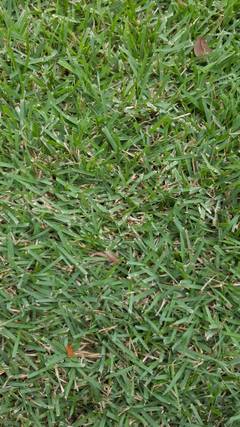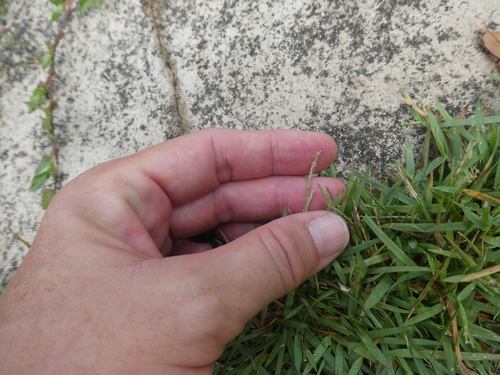
Zoysia, Genus, japonica, Species,
- Genus & species
zoysia grass
Native to Japan, China, and Korea where the species grows in coastal grasslands and disturbed open ground; introduced to North America in the late 19th century and adopted as a transition-zone and warm-season lawn grass for its drought tolerance, wear tolerance, and dense weed-resistant carpet; the long winter dormancy (5-7 months in northern zones) is the primary tradeoff against the low input requirements
Overview
Zoysia japonica is a warm-season perennial grass in the grass family (Poaceae) reaching 4-8 inches (10-20 cm) tall (unmowed) with an aggressive indefinite spread via both stolons and rhizomes and a dense carpet-like turf habit. Native to Japan, China, and Korea, the species forms a thick wiry medium-textured dark green lawn with stiff blades 2-4 mm wide that create an extremely dense turf — so dense it resists weed invasion and foot traffic. Maintained at mowing heights of 1-2 inches (2.5-5 cm). Established by sod, plugs, sprigs, or seed (seed is slow — 60-90 days germination). Extremely slow to establish — 2-3 growing seasons for full coverage from plugs. Among the more drought-tolerant and wear-tolerant warm-season grasses available for transition-zone lawns. Transitions to tan-brown winter dormancy below 55°F (13°C); the dormant period runs 5-7 months in northern zones, longer than bermudagrass.
Native Range
Zoysia japonica is native to Japan, China, and Korea.Suggested Uses
Used in home lawns, golf course fairways and tees, and commercial landscapes in the transition zone and warm-season regions. Among the more drought- and wear-tolerant lawn grasses available. Dense carpet resists weed invasion. Low fertilizer and water requirements suit the species to lowest-input warm-season turf. Zones 6-9. Moderate shade tolerance. Not suited to gardeners who want quick establishment since 2-3 growing seasons are required from plugs. Long winter dormancy (brown for 5-7 months in northern zones). Extremely slow recovery from physical damage. Wiry blades require a reel mower or frequent rotary blade sharpening.How to Identify
Appearance
Size & Dimensions
Height1" - 8"
Width/Spread1' - 2'
Bloom Information
Short slender spike-like inflorescences open in late spring through summer if plants are unmowed. Visually understated. Seed is available but very slow to germinate (60-90 days), so vegetative establishment by sod or plugs is the standard practice rather than seeding.
Detailed Descriptions
Flower Description
Green slender spike-like inflorescences carried in summer if plants are unmowed; visually understatedFoliage Description
Dark green wiry stiff medium-textured blades 2-4 mm wide carried in an extremely dense carpet that resists weed invasion and foot trafficGrowing Conditions
Sun Requirements
Requires 4-10 hours of direct sunlight daily
• Full Sun: 6+ hours of direct sunlight
• Partial Shade: 3-6 hours of direct sunlight
• Full Shade: Less than 3 hours of direct sunlight
Care & Maintenance
Care Guide
Establish by sod (fastest), plugs (12-inch spacing, 2-3 years to fill), sprigs, or seed (slowest — 60-90 days germination). Plant in late spring to summer when the soil is warm. Full sun to moderate shade (4-6 hours minimum). Grows in well-drained soil at pH 6.0-7.0. Mow at 1-2 inches with a reel mower for the cleanest cut. Water 0.5-1 inch per week — among the more drought-tolerant lawn grasses. Low nitrogen requirement: 1-2 lb per 1,000 sq ft per year. Warm-season grass that browns in winter dormancy. Extremely slow to establish from any starting material. Builds thatch as the dense growth accumulates — dethatch or verticut as the thatch layer reaches 0.5 inch.Pruning
Mow at 1-2 inches (2.5-5 cm) with a reel mower since the wiry blades dull rotary mowers quickly. Never remove more than one-third of blade height. Dethatch as needed since the dense growth builds thatch.Pruning Schedule
Prune: May–September
late springsummer