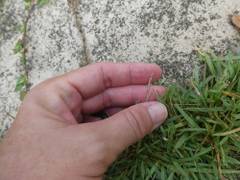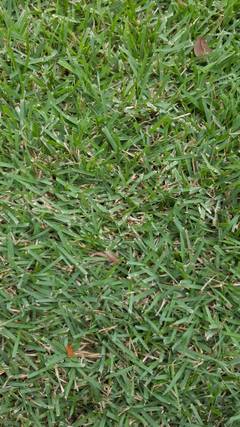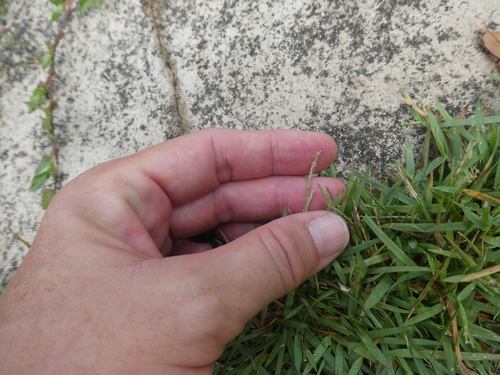
Zoysia, Genus, spp., Multiple species,
- Genus
- Multiple species
East and Southeast Asia, Australia, and the Pacific
Overview
Zoysia is a genus of about 11 warm-season grasses in the family Poaceae, native to East and Southeast Asia, Australia, and Pacific islands, and widely used for lawns and turf. The most planted are Z. japonica, Z. matrella, and Z. tenuifolia, along with many hybrids. Plants spread by both stolons and rhizomes to form a dense, low mat of stiff, narrow leaves that range from very narrow to medium in width depending on species. Mowed turf is held at 0.5 to 2 inches (1 to 5 cm), while unmown plants reach 2 to 12 inches (5 to 30 cm) and produce short, spike-like flower clusters in late spring and summer. Zoysia turf tolerates heat, drought, foot traffic, and some salt, and several species take light shade better than other warm-season grasses. Growth is slow, so a new planting from plugs or sprigs can take two to three seasons to knit together. In climates with cold winters the foliage goes dormant and turns tan from first frost until spring, and the dense growth can build thatch and dull mower blades, which are the main drawbacks of the genus.
Native Range
Zoysia is native to East and Southeast Asia, including China, Japan, and Korea, and extends through Southeast Asia to Australia and the islands of the Pacific. The grasses grow naturally in coastal grasslands, dunes, and open ground, often tolerating sandy and salty soils. They have been introduced widely as turf in warm-temperate and subtropical regions.Suggested Uses
Zoysia is grown as lawn turf, on golf fairways and tees, and for erosion control on slopes and sandy ground in warm regions. Its dense mat resists weeds and foot traffic in play areas and parkways. Slow establishment, winter dormancy in cold climates, and spread into adjacent beds are the trade-offs in choosing it.How to Identify
Appearance
Size & Dimensions
Height2" - 1'
Width/Spread1' - 3'
Bloom Information
Flowering occurs in late spring and summer, broadly May to July, though regular mowing removes most flower stems before they show. Each stem bears a short, narrow, spike-like cluster that sheds wind-borne pollen. Seed set is often poor, and most turf types are propagated from plugs, sprigs, or sod rather than seed.
Detailed Descriptions
Flower Description
Purplish to tan, inconspicuous spikesFoliage Description
Medium to dark green; tan when dormantGrowing Conditions
Sun Requirements
Requires 5-10 hours of direct sunlight daily
• Full Sun: 6+ hours of direct sunlight
• Partial Shade: 3-6 hours of direct sunlight
• Full Shade: Less than 3 hours of direct sunlight