Zoysia, Genus, tenuifolia, Species,
- Genus & species
Korean velvet grass
Overview
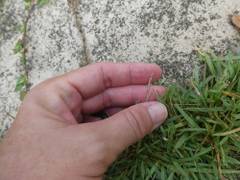
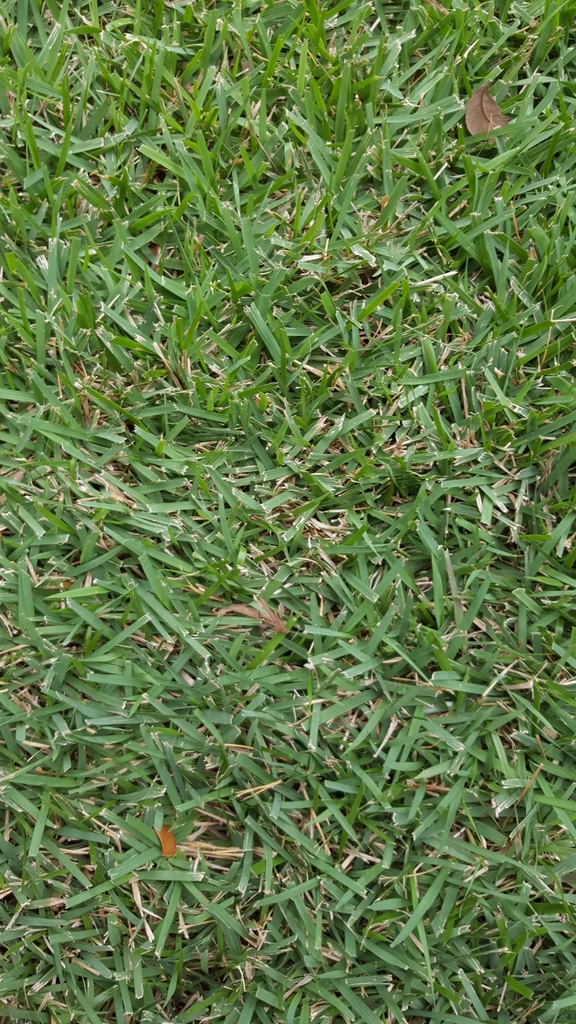
Zoysia tenuifolia is a warm-season, perennial turfgrass that forms a dense, mounding mat 2–4 inches (5–10 cm) tall. Leaf blades are threadlike, less than 0.04 inch (1 mm) wide and 1–3 inches (2.5–7.5 cm) long, and curl inward, giving the surface an uneven, velvety texture. Plants spread by short stolons and rhizomes, and growth rate is slow, with bare ground filling over 2–3 growing seasons. Foliage is mid-green during the growing season, turns straw-brown after the first hard frost or when temperatures stay below 50°F (10°C), and returns to green in late spring. Narrow seedheads 0.4–1.2 inches (1–3 cm) long appear just above the foliage in late spring to early summer. Plants tolerate light foot traffic but recover slowly from damage, and the dormant brown surface lasts 4–6 months in zones 7–8. Growth slows in shade, and thin stands are invaded by weeds. Hardy in USDA zones 7–10; plants in zone 6 and colder often winterkill.
Native Range
Native to eastern Asia, including Japan and Korea, in open grassland and on sunny slopes.Suggested Uses
Grown as a lawn, as ground cover between stepping stones, and in Japanese-style gardens. Used in warm climates as a low, mounded turf that requires infrequent mowing.How to Identify
Appearance
Size & Dimensions
Height2" - 4"
Width/Spread1' - 3'
Bloom Information
Detailed Descriptions
Foliage Description
Mid-green, straw-brown when dormantGrowing Conditions
Sun Requirements
Requires 6-8 hours of direct sunlight daily
• Full Sun: 6+ hours of direct sunlight
• Partial Shade: 3-6 hours of direct sunlight
• Full Shade: Less than 3 hours of direct sunlight
Care & Maintenance
Care Guide
Grows in full sun to light shade in average, well-drained soil of pH 5.5–7.5; growth is slow in shade. Newly installed plugs or sod need 0.5–1 inch (1.3–2.5 cm) of water every few days for 2–3 weeks, then 1 inch (2.5 cm) weekly during dry periods. Plugs set 6–12 inches (15–30 cm) apart fill in over 2–3 growing seasons. Established lawns tolerate short drought by going dormant. Nitrogen is applied at 0.5–1 pound per 1,000 square feet (2.4–4.9 g/m²) per year. Thatch accumulation, large patch disease, and billbugs occur.Pruning
Mowing is optional; where a level surface is maintained, mowing height is 0.5–1.5 inches (1.3–3.8 cm) with a reel mower. Dethatching is done in late spring or early summer while plants are actively growing. Edges are trimmed to restrict stolon spread into adjacent beds.Pruning Schedule
Prune: May–July
late springsummer