When to Stop Mowing in Fall (And When to Start Again in Spring)
Pets & Toxicity
Recorded toxicity for plants linked in this guide. An unknown status is not a safety assessment.
No linked plant is recorded as toxicDetailsHide
— Image © Plant Reference 2026
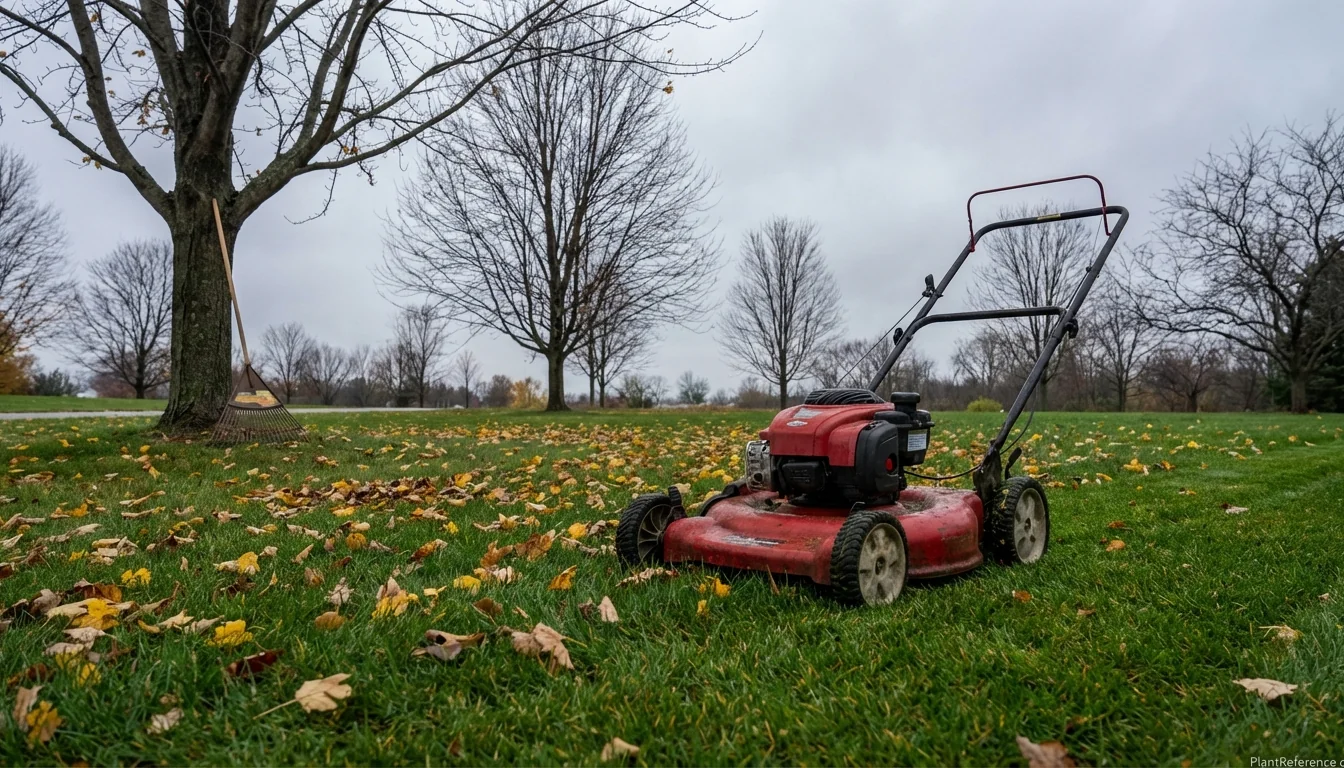
Every fall, I get the same question from clients: "When should I stop mowing?" The honest answer is that your grass tells you — you just have to pay attention. The lawn does not know what month it is. It responds to temperature and daylight, and those vary by several weeks depending on where you live. A homeowner in Minneapolis puts the mower away three to four weeks before someone in Nashville.
The Real Signal: Temperature, Not Dates
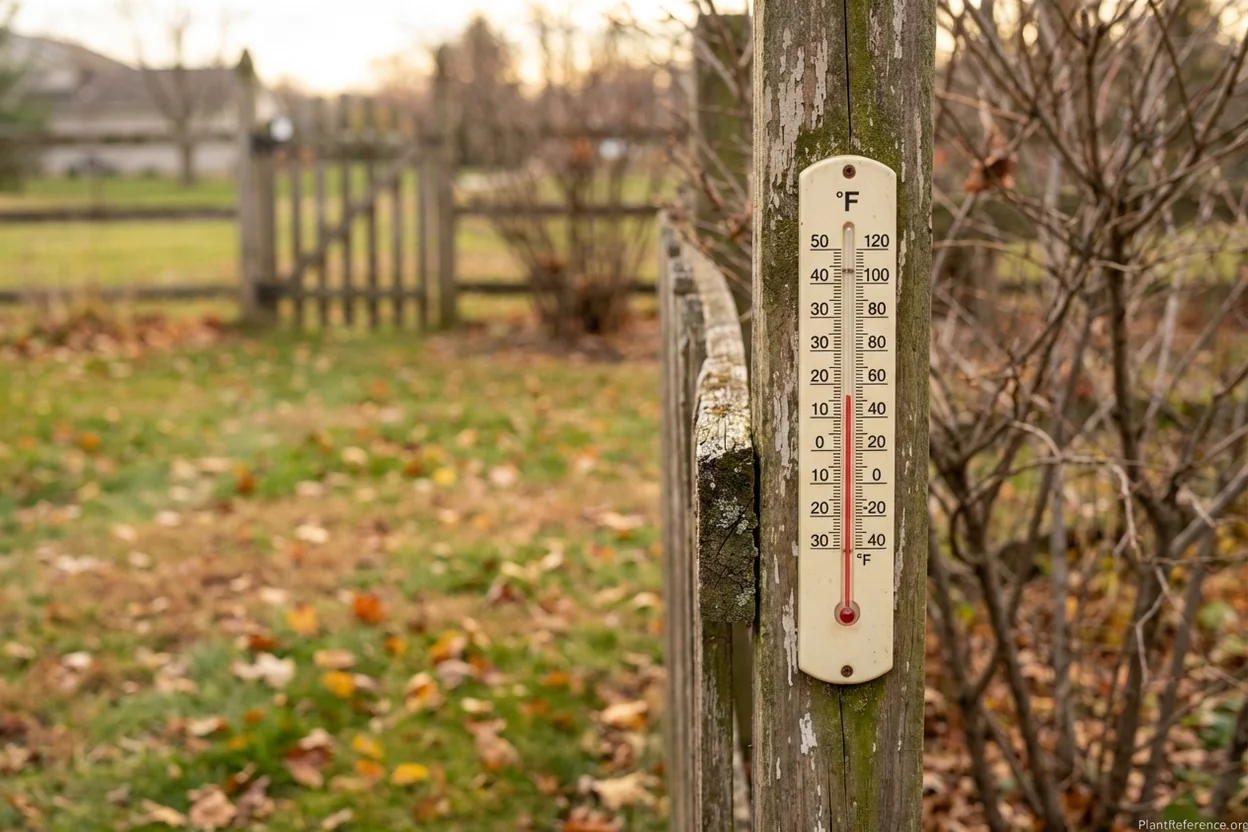
Cool-season grasses like 🌿Poa pratensis (poh-uh prah-TEN-sis) Kentucky bluegrass and 🌿Festuca arundinacea tall fescue grow most actively between 60-75°F. As daytime highs drop into the 50s and nighttime lows hit the 40s, growth slows dramatically. Once sustained air temperatures stay below 50°F (10°C), the grass essentially stops producing new leaf tissue. That is your signal to stop mowing. Cool-Season vs Warm-Season Grass: Which Type Is Right for Your Lawn?
Warm-season grasses like 🌿Cynodon dactylon bermudagrass and 🌿Zoysia japonica zoysiagrass stop even earlier — they enter dormancy when soil temperatures drop below 55°F, which often happens before the first frost. Once the grass turns brown and goes dormant, mowing does nothing productive.
Grass Type | Growth Stops At | Typical Last Mow (Northern U.S.) | Typical Last Mow (Transition Zone) |
|---|---|---|---|
🌿Poa pratensis Kentucky Bluegrass | Air below 50°F sustained | Late October - early November | Mid-November |
🌿Festuca arundinacea Tall Fescue | Air below 50°F sustained | Late October - early November | Mid-to-late November |
🌿Cynodon dactylon Bermudagrass | Soil below 55°F | N/A (not grown) | Mid-October - early November |
🌿Zoysia japonica Zoysiagrass | Soil below 55°F | Late September - mid-October | Mid-October - early November |
How to Time Your Last Mow
Do not try to schedule your last mow on a specific date. Instead, watch the growth rate. When the interval between mowings stretches past 10-14 days because the grass simply is not growing enough to trigger the one-third rule, you are approaching the end of the season.
Your last mow should happen after the grass has stopped active growth but before the ground freezes. In practice, this means you are cutting grass that has not grown much — you are trimming it to the right height for winter, not responding to active growth. For most of the cool-season zone (Zones 5-7), that window falls between the last week of October and mid-November. Lawn Mowing Height Guide: The One-Third Rule and Seasonal Timing
Regional Timing Estimates
Zone 4 (Minneapolis, northern New England): mid-to-late October
Zone 5 (Chicago, Boston, Denver): late October to early November
Zone 6 (St. Louis, Philadelphia, Portland OR): early to mid-November
Zone 7 (Nashville, Charlotte, Oklahoma City): mid-to-late November
Warm-season lawns: stop when grass goes dormant (brown), typically 2-4 weeks before cool-season lawns in the same area
What Height for the Final Cut
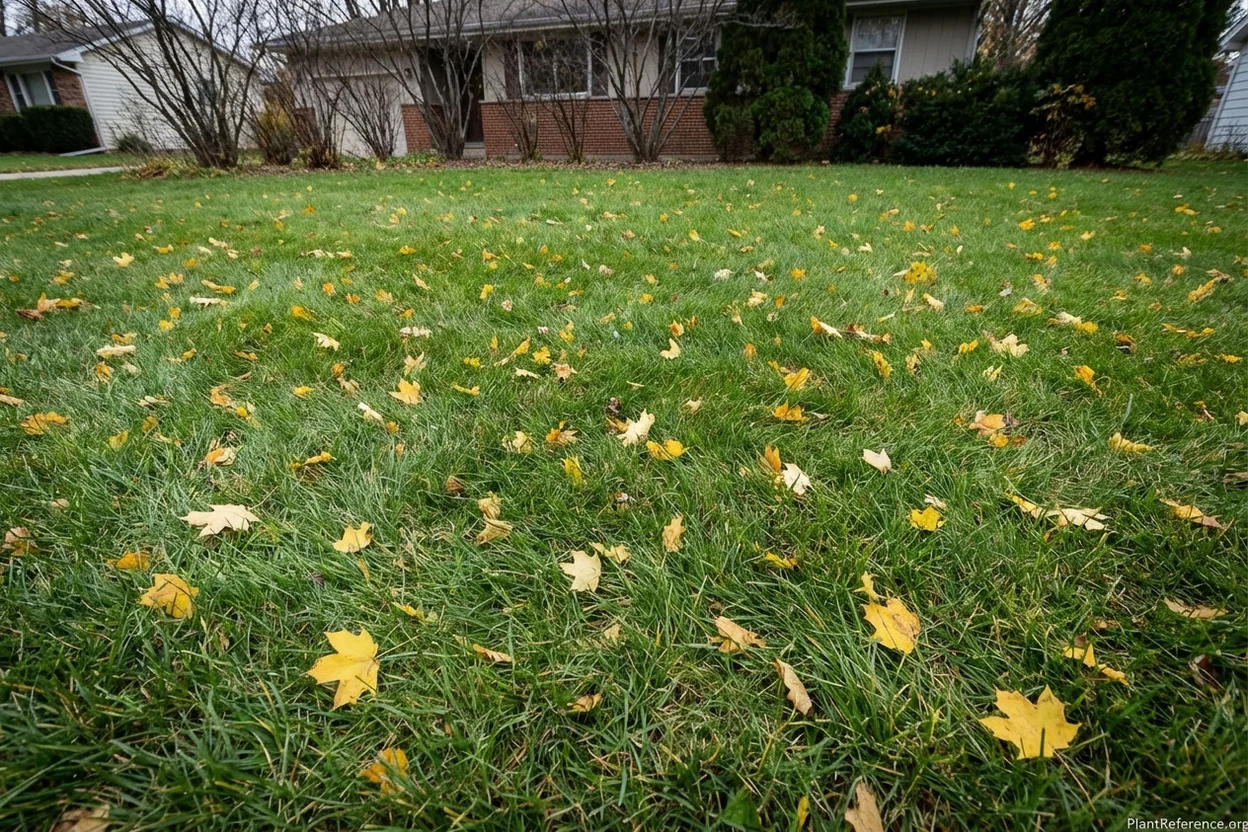
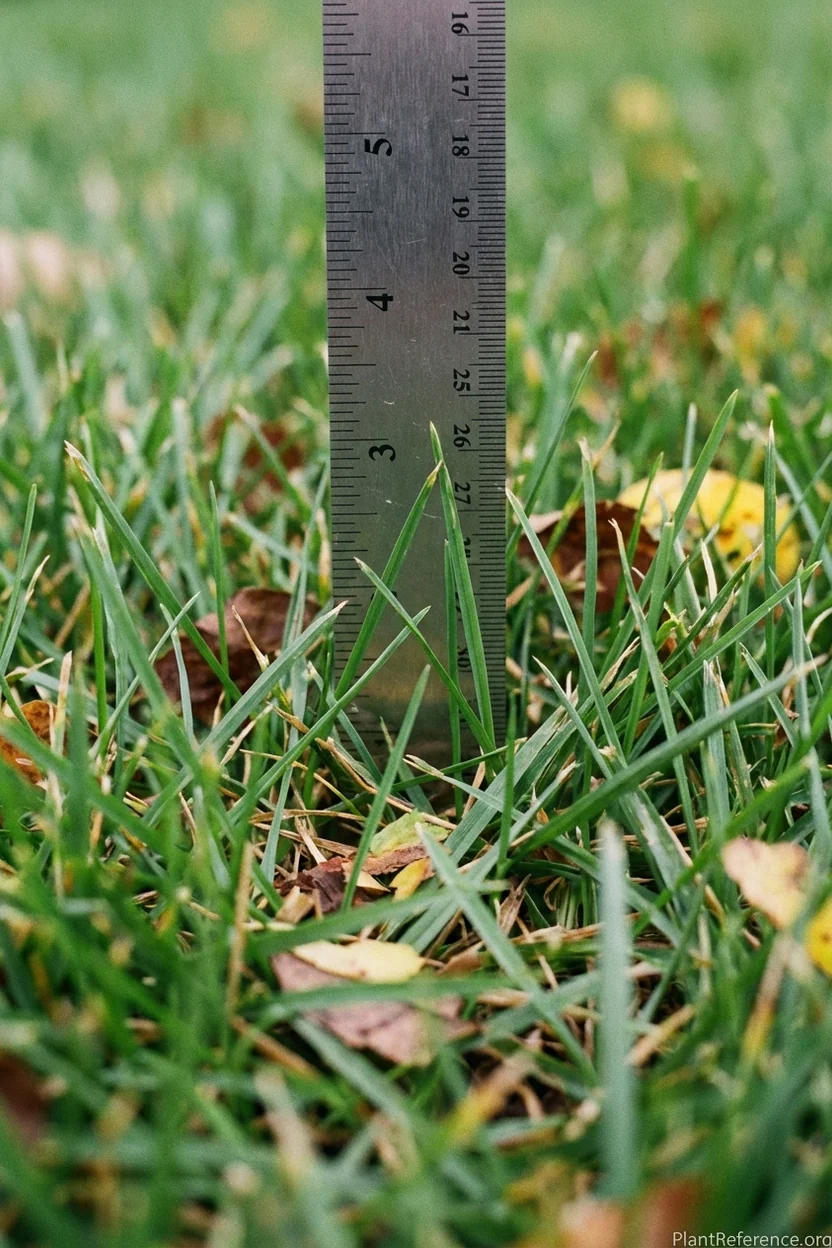
Lower your mowing height by about half an inch to one inch below your summer setting for the last one or two mows. For most cool-season lawns, that means cutting to 2.5-3 inches (6-8 cm) instead of the 3.5-4 inches (9-10 cm) you maintained during summer.
Why Shorter Going Into Winter
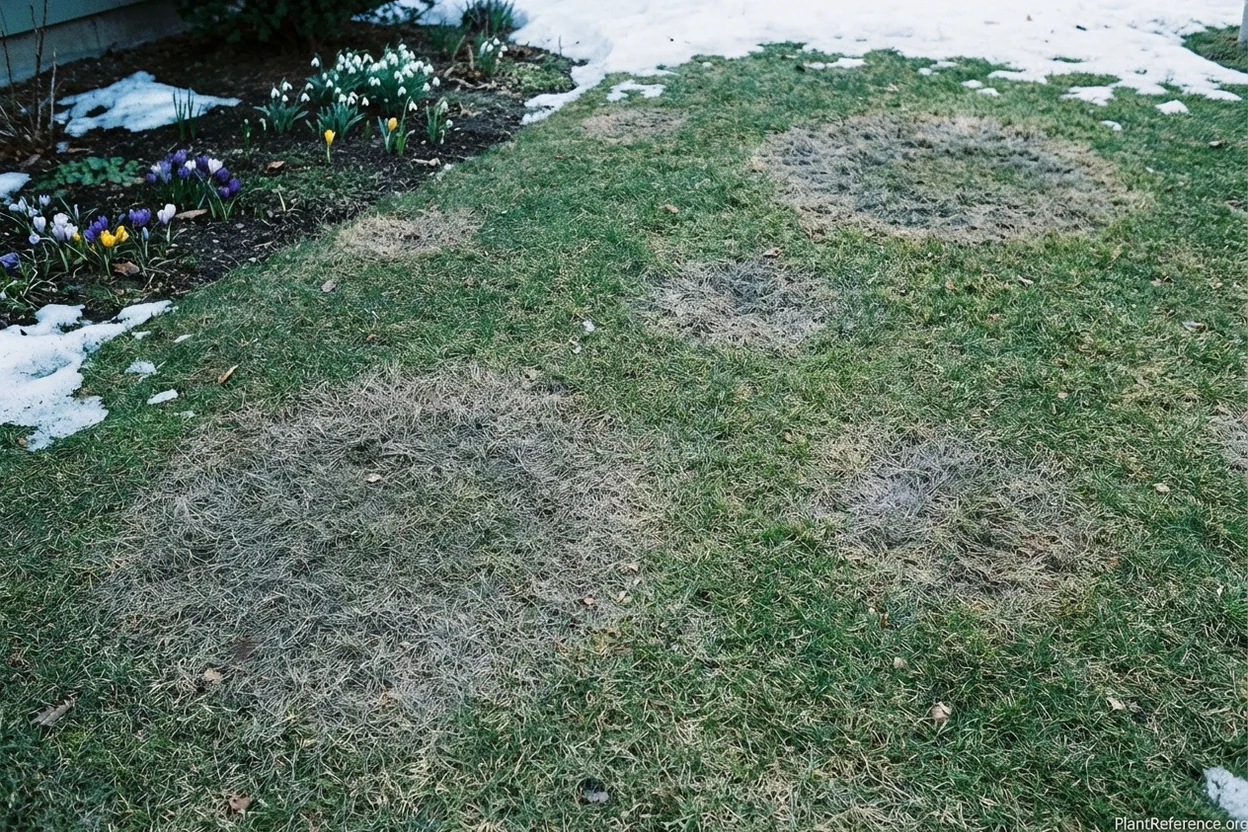
Tall grass left standing through winter creates two problems. First, it mats down under snow and rain, creating a wet blanket over the crowns that promotes gray and pink snow mold — fungal diseases that appear as circular matted patches at snowmelt. Second, tall matted grass provides ideal habitat for voles, which tunnel under the canopy and chew on crowns and roots all winter, leaving winding trails of dead grass visible in spring.
Do Not Scalp
Shorter does not mean scalped. Cutting below 2 inches (5 cm) exposes the crown — the growth point at the base of each grass plant — to freezing temperatures and desiccation. The goal is the low end of your grass species' recommended range, not the absolute lowest your mower can go. What Type of Grass Do I Have? Identify Your Lawn in 5 Steps
What Happens If You Stop Too Early or Too Late
Stopping Too Early
If you park the mower in mid-October and your grass keeps growing through November, the lawn enters winter at 5-6 inches (13-15 cm). That excess height mats under snow, creating a textbook snow mold environment. It also encourages vole activity. The spring result: matted, diseased patches that need raking, reseeding, and weeks of recovery. Lawn Care Schedule by Month: Your Complete Cool-Season Grass Calendar
Stopping Too Late
Mowing on frozen ground causes more harm than skipping the last cut. Frozen grass blades are brittle — mower wheels crush and shatter them, leaving brown tracks that do not recover until spring. Frozen soil also compacts more easily under wheel traffic. If the ground has frozen, the season is over regardless of what the grass looks like. Leave it alone.
Mowing Dormant Warm-Season Grass
Once 🌿Cynodon dactylon bermudagrass or 🌿Zoysia japonica zoysiagrass goes brown and dormant, stop mowing entirely. The plant has shut down active growth to survive winter. Mowing removes tissue the grass cannot replace until spring. The only exception is if you have overseeded bermuda with 🌿Lolium perenne perennial ryegrass for winter color — in that case, continue mowing the ryegrass at 2-3 inches (5-8 cm) through winter. Transition Zone Lawn Care: Growing Grass in America's Toughest Climate Belt
When to Start Mowing Again in Spring
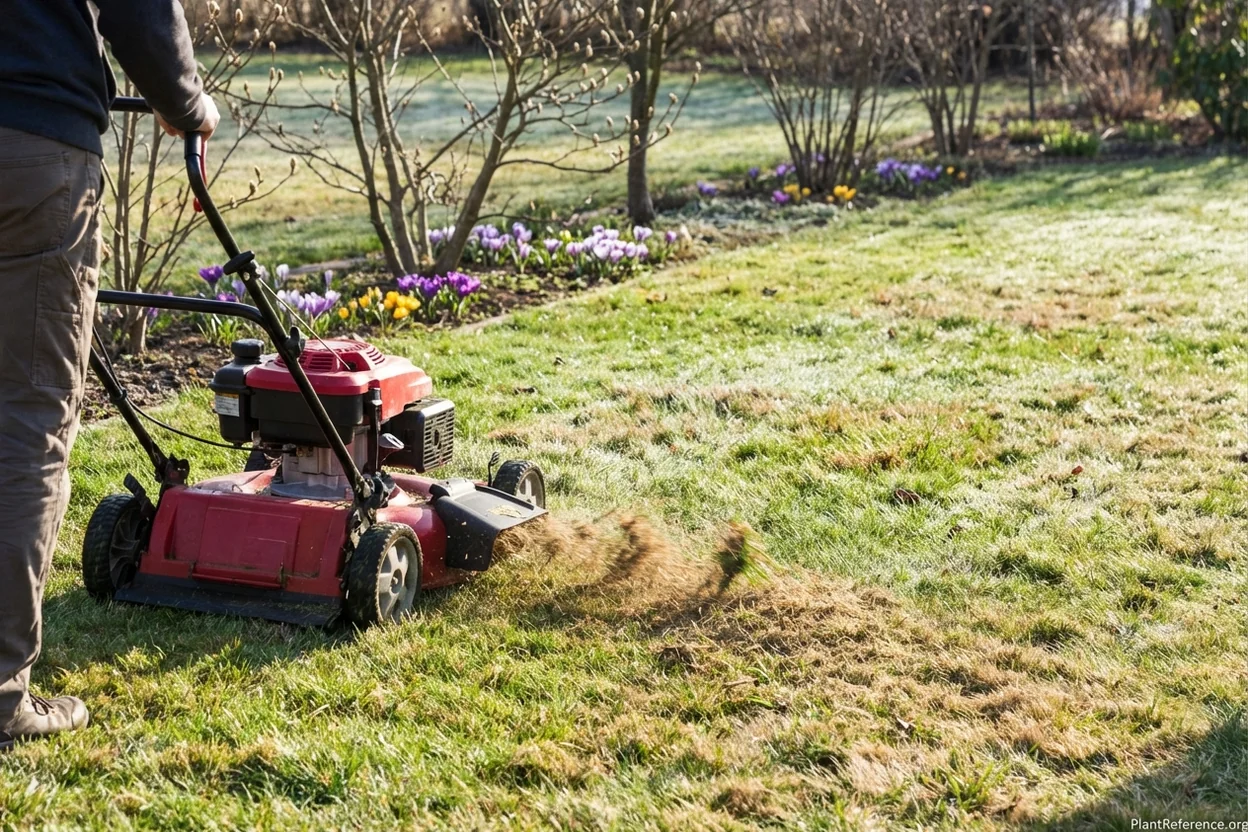
The spring first-mow follows the same principle as the last fall cut — respond to the grass, not the calendar. Start mowing when growth reaches approximately one-third above your target height. For a lawn maintained at 3 inches (8 cm), that means mowing when the grass hits 4-4.5 inches (10-11 cm).
Cool-Season Spring Timing
🌿Poa pratensis Kentucky bluegrass and 🌿Festuca arundinacea tall fescue resume growth when daytime temperatures consistently reach the mid-50s to low 60s°F. In Zone 5, that typically happens in mid-to-late April. In Zone 7, it can be late March. The first mow should be set slightly lower than your summer height — 2.5-3 inches (6-8 cm) — to clean up winter-damaged tips, remove any matted dead tissue, and expose crowns to sunlight. After the first cut, raise back to your normal spring height of 3-3.5 inches (8-9 cm).
Warm-Season Spring Timing
For 🌿Cynodon dactylon bermudagrass and 🌿Zoysia japonica zoysiagrass, the first spring mow is a deliberate scalp. Once the grass shows 50% green-up — typically when soil temperatures sustain 65°F or above — lower the mower to its lowest setting and scalp off the brown dormant tissue. This exposes green crowns to sunlight and accelerates full green-up by 1-2 weeks. Bag the brown clippings from this scalp mow rather than leaving them on the surface. Best Grass for Your Climate Zone: The Complete Selection Guide
Frequently Asked Questions
Reading about plants and recognising them are different skills. These three build the second.
- Daily PlantIdentify the day’s mystery plant from a close-up photograph.
- Keyed OutWork a dichotomous key, lead by lead, to name a hidden specimen.
- Name That PlantName a specimen from botanical clues dealt hardest first.
Free to play, no account needed
Tagged with
Aisha manages a small tropical nursery on the east side of Houston, specializing in plants that can handle the Gulf Coast's humidity, heat, and unpredictable flooding. She studied horticulture in college and worked at a wholesale grower before opening her own operation. Growing up, her parents kept a kitchen garden with okra, bitter gourd, and curry leaf plants—a tradition she's continued. Houston's subtropical climate lets her grow things most of the country can't, but it also means dealing with fungal issues, standing water, and summers where it's too hot for even tomatoes. Aisha writes about tropical and subtropical plant care, humidity management, and working with heavy clay soils.