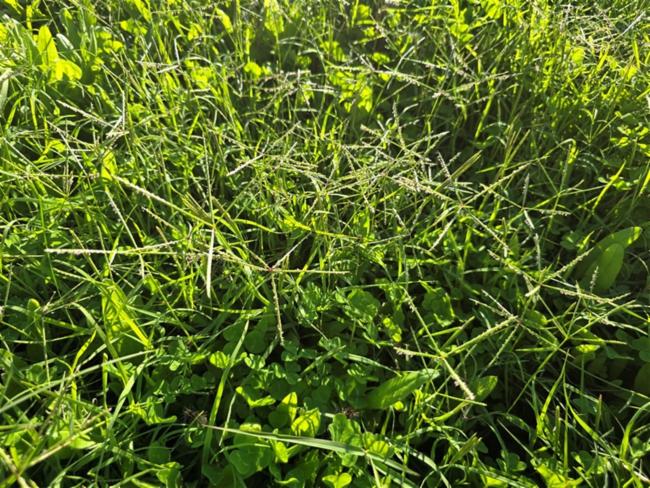
Cynodon, Genus, dactylon, Species,
- Genus & species
bermuda grass
Tropical and subtropical Africa; naturalized worldwide in warm-climate regions and the dominant warm-season turfgrass of the southern United States.
Overview
Cynodon dactylon is a warm-season perennial spreading grass in the grass family (Poaceae) maintained at 0.5-2 inches (1.3-5 cm) mowed height in lawn use, with 12-18 inches (30-45 cm) reach when unmowed. The species spreads aggressively by both above-ground stolons and below-ground rhizomes, which is the dual-mechanism spread that separates Bermuda grass from zoysia (primarily rhizomes) and from St. Augustine grass (primarily stolons, with wider leaf blades). Active growth occurs at 80-95°F (27-35°C), and the species enters dormancy below 50°F (10°C), turning brown across the planting until soil and air temperatures return to the warm-season range; the winter dormancy is the primary limitation in the northern transition zone, where the brown dormant period lasts 4-6 months and many homeowners find the off-season appearance acceptable for sun-belt regions and unacceptable for cooler areas. Leaves are blue-green to gray-green, 1.5-3 mm wide, with a narrow texture that gives a dense lawn surface when properly maintained. Traffic tolerance is high and recovery from wear is rapid through the active growing season, which is why Bermuda is heavily used on sports fields, golf course fairways, and high-traffic public turf across the warm-climate range. Full sun is required: less than 4 hours of direct daily sun causes progressive thinning and death of the stand, and shade-tolerant warm-season alternatives (zoysia, St. Augustine) are substituted in shaded sites. The aggressive spread by stolons and rhizomes makes the species highly invasive into adjacent garden beds, sidewalk cracks, and neighboring lawns; physical barriers extending 6-8 inches (15-20 cm) deep and edging that intercepts stolons at the soil surface are the standard containment approaches in mixed plantings. Pollen produced during summer flowering is documented as an allergen for many people, and routine mowing on lawn-managed turf removes the flower stalks before pollen release, which reduces allergen exposure on residential lawns relative to unmowed stands. Hardy in USDA zones 7-11 (0°F / -18°C). Non-toxic.
Native Range
Cynodon dactylon is native to tropical and subtropical Africa, where it grows in open grasslands, riverbanks, and seasonally dry savannas across the African continent. The species was carried worldwide through colonial-era plant exchange and has naturalized across warm-climate regions on every inhabited continent, becoming the dominant warm-season turfgrass of the southern United States and a major naturalized weed in warm agricultural regions worldwide.Suggested Uses
Used as a warm-season lawn grass in full sun (USDA zones 7-11) on home lawns, sports fields, golf course fairways, and high-traffic public turf across the southern United States transition zone. The dense low traffic-tolerant turf and rapid recovery from wear give the species the structural advantage on heavily used surfaces. The species is not used in shaded sites (zoysia or St. Augustine grass replace Bermuda where direct sun is below 4 hours daily), in mixed plantings without containment (the stolon-and-rhizome spread crosses bed edges within months), or on high-end visual lawns where the winter dormant brown color is unacceptable. The pollen-allergen profile during summer flowering is a meaningful consideration for households where occupants have grass pollen sensitivity, and seed-cleaned turf-type cultivars (lower flowering, lower pollen production) are available for that situation.How to Identify
Appearance
Size & Dimensions
Height2" - 6"
Width/Spread1' - 8'
Bloom Information
Purple to purplish-brown finger-like spikes 1-2 inches (2.5-5 cm) at stem tips open from June through August on unmowed plants. Wind pollination produces seed in 4-6 weeks. Pollen is a documented allergen for many people during the summer flowering window, and routine mowing on lawn-managed turf removes the flower stalks before pollen release. Commercial Bermuda lawns are commonly established from sod, plugs, or stolons rather than from seed because seed-grown stands take longer to fill in than vegetative establishment.
Detailed Descriptions
Flower Description
Purple to purplish-brown; finger-like spikes 1-2 inches (2.5-5 cm) at stem tips through summer; routinely mowed off in lawn use; pollen is a documented allergen for many people during the summer flowering windowFoliage Description
Blue-green to gray-green; narrow blades 1.5-3 mm wide; turns dormant brown below 50°F (10°C) and remains brown through cold-weather dormancy until temperatures climb back into the active growth rangeGrowing Conditions
Sun Requirements
Requires 6-12 hours of direct sunlight daily
• Full Sun: 6+ hours of direct sunlight
• Partial Shade: 3-6 hours of direct sunlight
• Full Shade: Less than 3 hours of direct sunlight
Care & Maintenance
Care Guide
Plants grow in full sun (6 or more hours of direct daily light) on well-drained soil at pH 6.0-8.5; the species tolerates a wide range of soil types from sand through clay loam. Mowing is at 0.5-2 inches (1.3-5 cm) depending on the cultivar and the intended use, with reel mowers giving a cleaner cut at the lower end of the range and rotary mowers covering the upper end. Frequent mowing, removing no more than one-third of the blade height per cut, maintains turf density. Watering is minimal: the species is drought-tolerant once established and survives extended dry periods that would kill cool-season grasses, with established lawns commonly going 2-3 weeks between irrigation events in summer heat. Dethatching annually when thatch exceeds 0.5 inch (1.3 cm) maintains root zone health on multi-year stands. Cold dormancy below 50°F (10°C) is the primary winter behavior: the planting turns brown and remains brown until warm weather returns, and the species is not overseeded with cool-season grass on most residential lawns although some sports fields use winter ryegrass overseeding to maintain green color year-round. Containment barriers extending 6-8 inches (15-20 cm) deep along bed edges intercept stolons and rhizomes from invading mixed plantings.Pruning
Mowing is the standard maintenance, at 0.5-2 inches (1.3-5 cm) depending on cultivar, with reel mowers giving the cleanest cut at the lower end of the range. Mowing frequency removes no more than one-third of the blade height per cut. Dethatching annually when thatch exceeds 0.5 inch (1.3 cm) at the soil surface keeps root zone health stable.Pruning Schedule
Prune: April–October
late springsummerfall