How to Overseed Your Lawn: Timing, Seed Selection, and Technique
Pets & Toxicity
Recorded toxicity for plants linked in this guide. An unknown status is not a safety assessment.
No linked plant is recorded as toxicDetailsHide
— Image © Plant Reference 2026
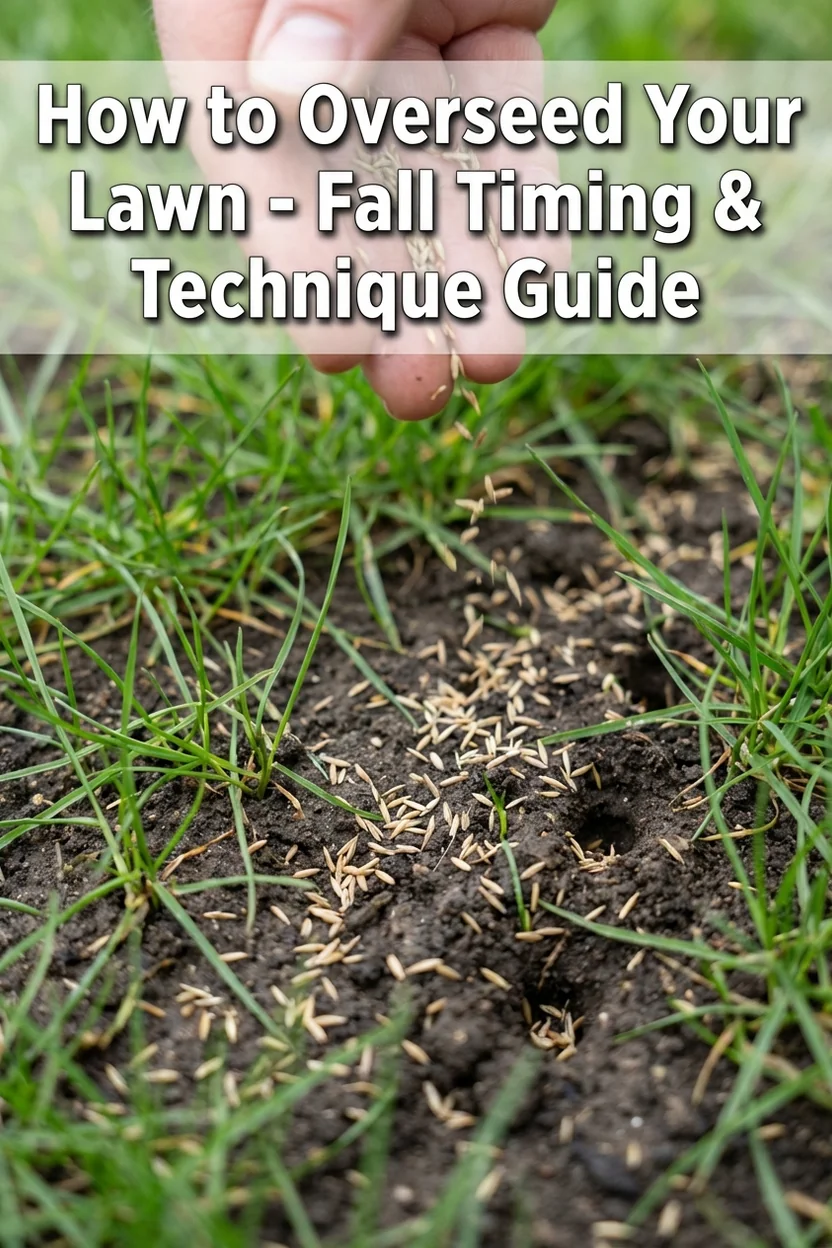
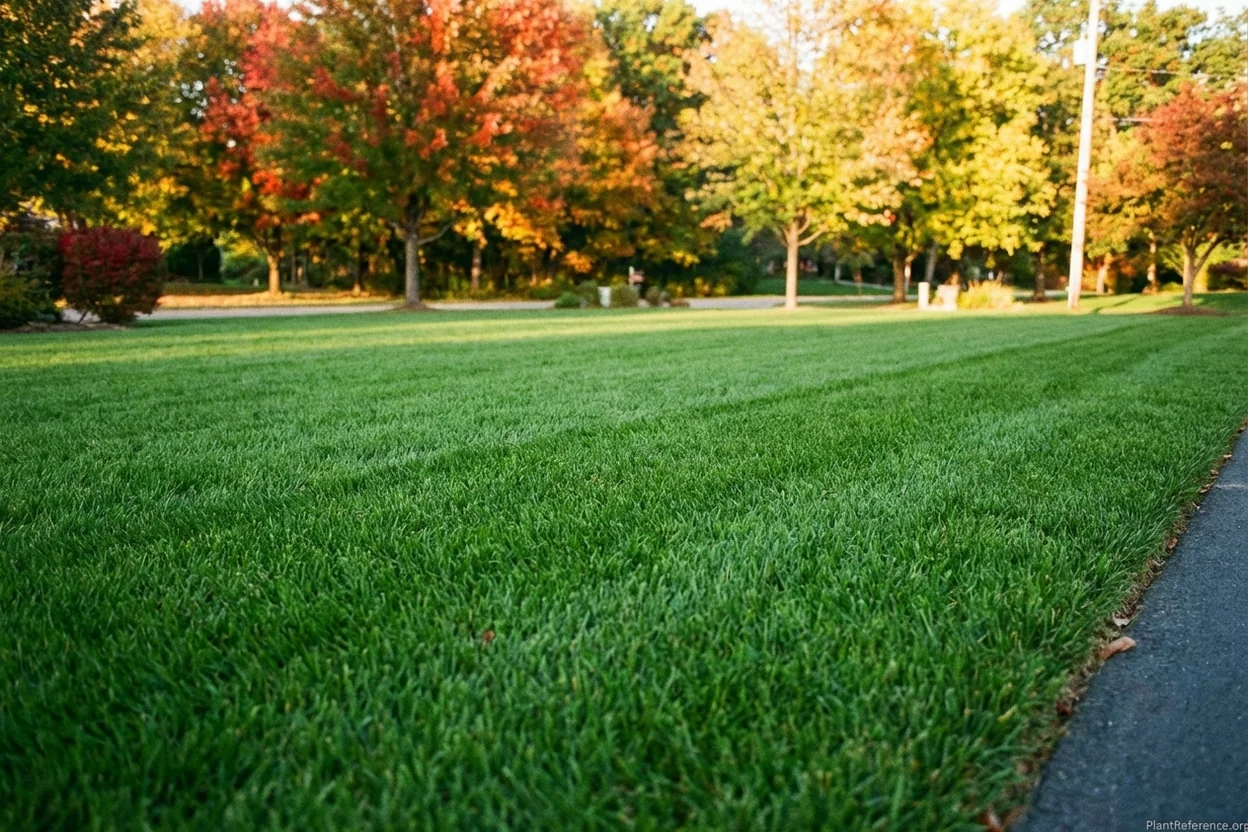
Every lawn thins over time. Traffic wears down high-use areas, drought kills sections, disease takes patches, and bunch-type grasses like 🌿Festuca arundinacea (feh-STEW-kuh ah-run-din-AY-see-uh) tall fescue simply do not spread to fill gaps on their own. Overseeding — broadcasting new seed over existing turf — is the maintenance practice that reverses this thinning without tearing up the lawn and starting from scratch. Done correctly in fall, it transforms a thin, weedy lawn into dense turf by the following spring.
Why Overseed Instead of Replanting
Overseeding is renovation without destruction. You keep the existing turf as a base and fill in thin spots, bare areas, and worn sections with new seed. The established grass holds the soil, suppresses weeds during the germination period, and provides a canopy framework that shelters new seedlings from heat and drying.
Full renovation — killing everything and starting over — is warranted only if more than 50% of the lawn is weeds or dead. Below that threshold, overseeding achieves the same density improvement with far less cost, labor, and risk. What Type of Grass Do I Have? Identify Your Lawn in 5 Steps
The Annual Overseeding Argument
For lawns dominated by 🌿Festuca arundinacea tall fescue — the most common cool-season grass in the transition zone — annual fall overseeding is not optional. Tall fescue is a bunch-type grass that does not spread by stolons or rhizomes. When a fescue plant dies from summer heat, disease, or traffic, nothing fills the gap except new seed. Without annual overseeding, tall fescue lawns thin progressively each year until weeds fill the openings. Transition Zone Lawn Care: Growing Grass in America's Toughest Climate Belt
When to Overseed: The September Window
Cool-Season Lawns: Early-to-Mid September
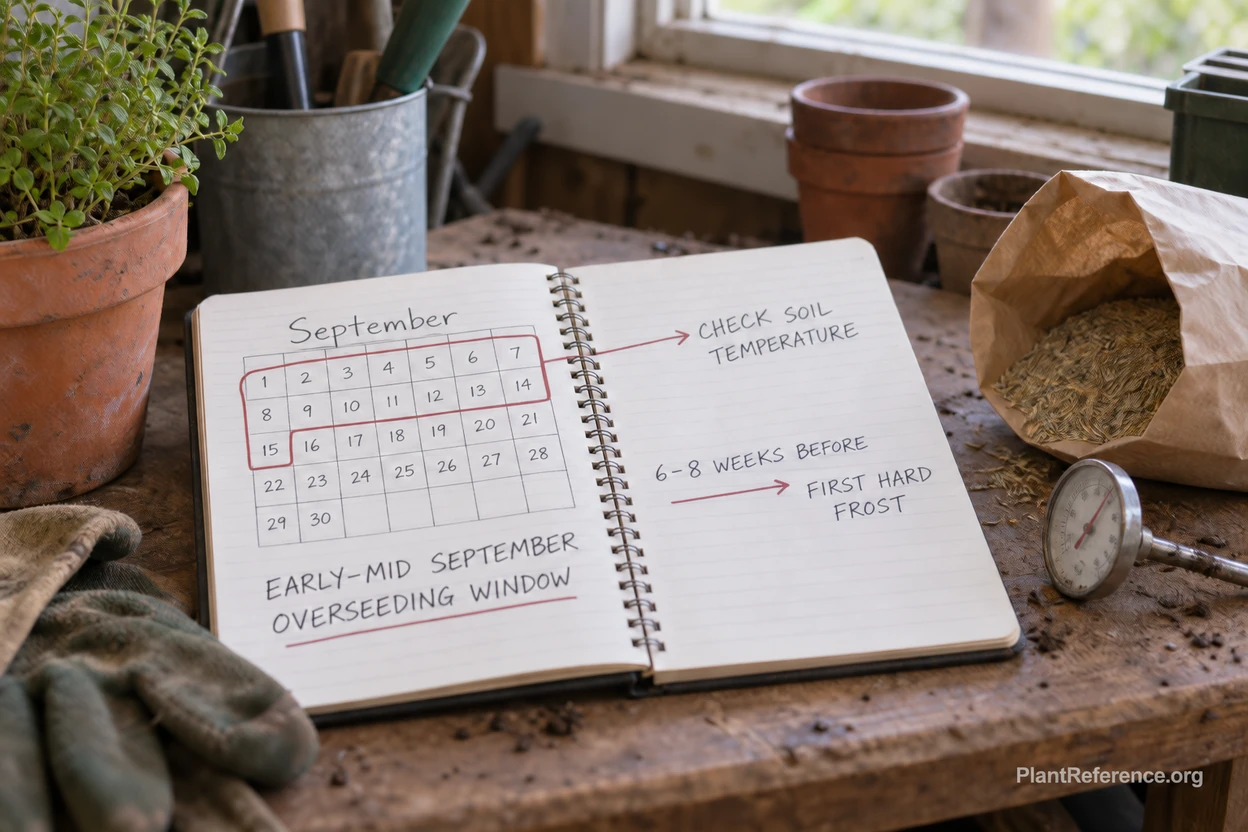
The overseeding window for cool-season grasses is early-to-mid September in most of the northern U.S. and transition zone. This timing works because soil is still warm from summer (65-75°F / 18-24°C at the surface, which accelerates germination), air temperatures have cooled (reducing heat stress on seedlings), and the annual crabgrass crop is dying back, removing the primary weed competitor.
Region | Overseeding Window | Soil Temp at Seeding | Last Safe Date |
|---|---|---|---|
Northern U.S. (Zones 4-5) | Late August - Early September | 65-75°F | September 15 |
Central U.S. (Zones 5-6) | Early-Mid September | 65-75°F | September 30 |
Transition Zone (Zones 6-7) | Mid September - Early October | 65-75°F | October 15 |
The "last safe date" is the latest you can overseed and still get 6-8 weeks of growth before the first hard frost. Seedlings need this establishment period to develop root systems strong enough to survive winter. Overseeding too late produces thin, weak seedlings that winterkill. Lawn Care Schedule by Month: Your Complete Cool-Season Grass Calendar
Warm-Season Lawns: Do Not Overseed with Warm-Season Seed
Warm-season grasses spread by stolons and rhizomes — they fill their own gaps given adequate fertility and time. 🌿Cynodon dactylon Bermudagrass does not need overseeding; it needs nitrogen and sunlight. If you want winter color on a dormant warm-season lawn, overseed with 🌿Lolium perenne perennial ryegrass in October — but this is cosmetic overseeding, not renovation.
Choosing the Right Seed
Match Your Existing Grass
Overseed with the same species already in your lawn. Broadcasting Kentucky bluegrass seed into a tall fescue lawn creates a patchy mix of two species with different textures, colors, and maintenance requirements. If you do not know what you have, identify your grass type first — leaf width, growth habit, and vernation are the key features. Cool-Season vs Warm-Season Grass: Which Type Fits Your Lawn?
Seed Quality Matters
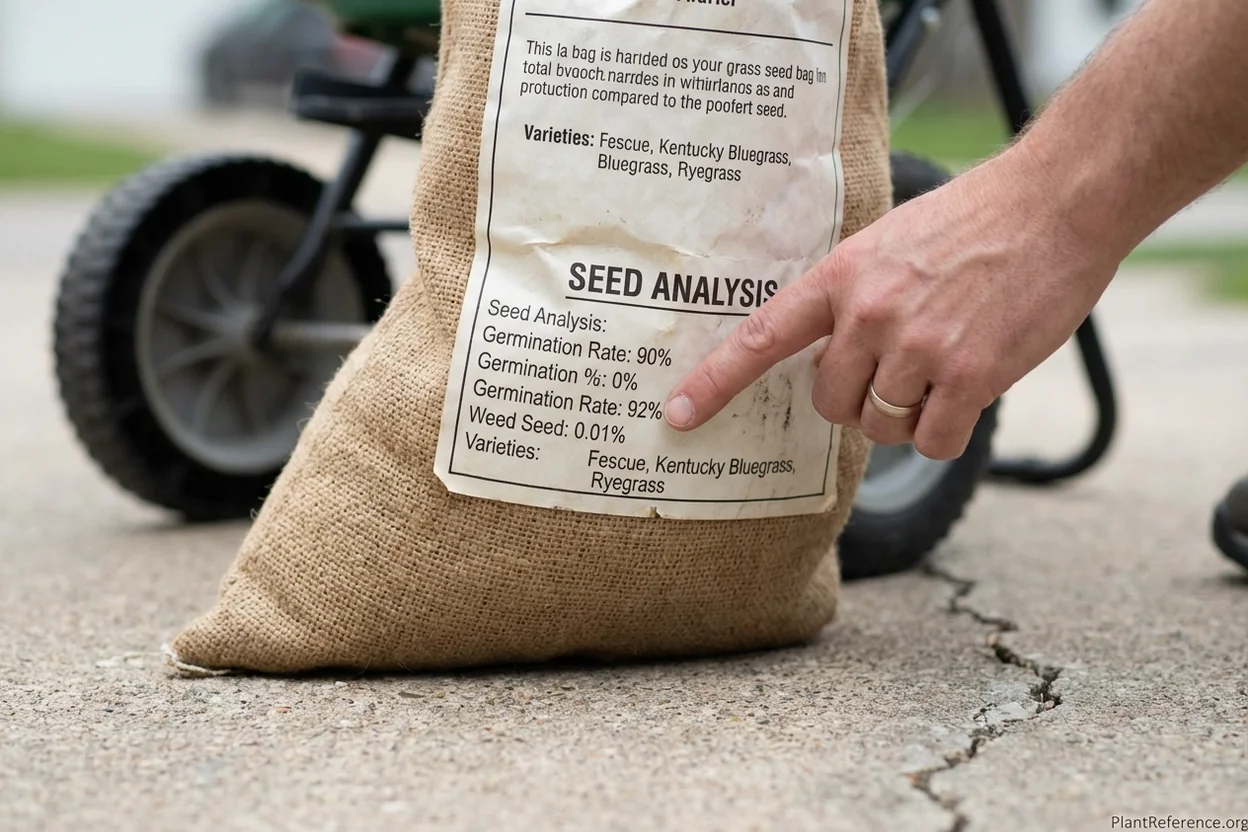
Read the seed tag on the bag. Look for:
Germination rate above 85%. This tells you what percentage of seeds will actually sprout. Below 80%, you are paying for dead seed.
Weed seed below 0.5%. Cheap seed mixes contain weed seeds that introduce new problems. Zero percent is ideal.
No "variety not stated" (VNS) listings. VNS seed is generic, unimproved material — older genetics with less disease resistance, slower establishment, and coarser texture than named cultivars. Pay a few dollars more for named varieties.
Species | Overseeding Rate | Germination Time | Notes |
|---|---|---|---|
🌿Festuca arundinacea Tall Fescue | 3-5 lbs / 1,000 sq ft | 7-14 days | Most common overseeding species in transition zone |
🌿Poa pratensis Kentucky Bluegrass | 1-2 lbs / 1,000 sq ft | 14-28 days | Slow germination; mix with ryegrass for quick cover |
🌿Lolium perenne Perennial Ryegrass | 3-5 lbs / 1,000 sq ft | 5-10 days | Fastest germination; nurse crop for slow bluegrass |
Fine Fescues | 3-4 lbs / 1,000 sq ft | 10-14 days | Best for shade; lowest maintenance |
Lawn Mowing Height Guide: The One-Third Rule and Seasonal Timing
The Overseeding Process Step by Step
Step 1: Mow Low
Mow the existing lawn down to 1.5-2 inches (4-5 cm) — lower than your normal mowing height. Bag the clippings to remove the leaf canopy that would otherwise shade the soil and block seed from reaching the surface. The goal is maximum sunlight and air exposure at the soil level where seeds need to germinate.
Step 2: Core Aerate
Core aeration before overseeding is the single most impactful step you can take. The aeration holes create perfect seed-to-soil contact — seeds drop into the holes and sit against moist soil at the ideal depth for germination. Without aeration, seeds sit on top of the thatch layer and often fail to make the soil contact they need. When and How to Aerate Your Lawn: Timing, Method, and Results
If you cannot aerate (no equipment available, lawn is too small), dethatch with a power rake to expose soil through the thatch layer. Some soil exposure is essential — seed sitting on top of a thick thatch mat will not germinate reliably.
Step 3: Broadcast Seed
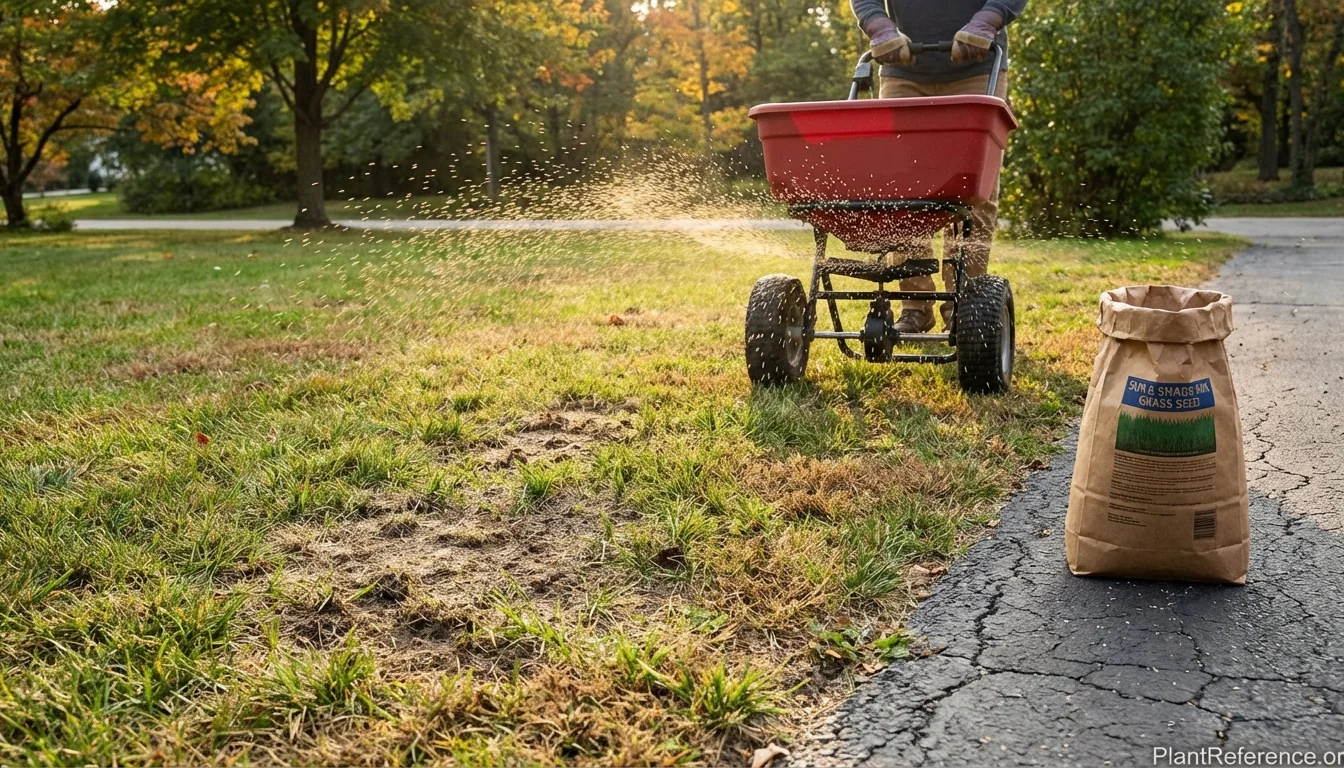
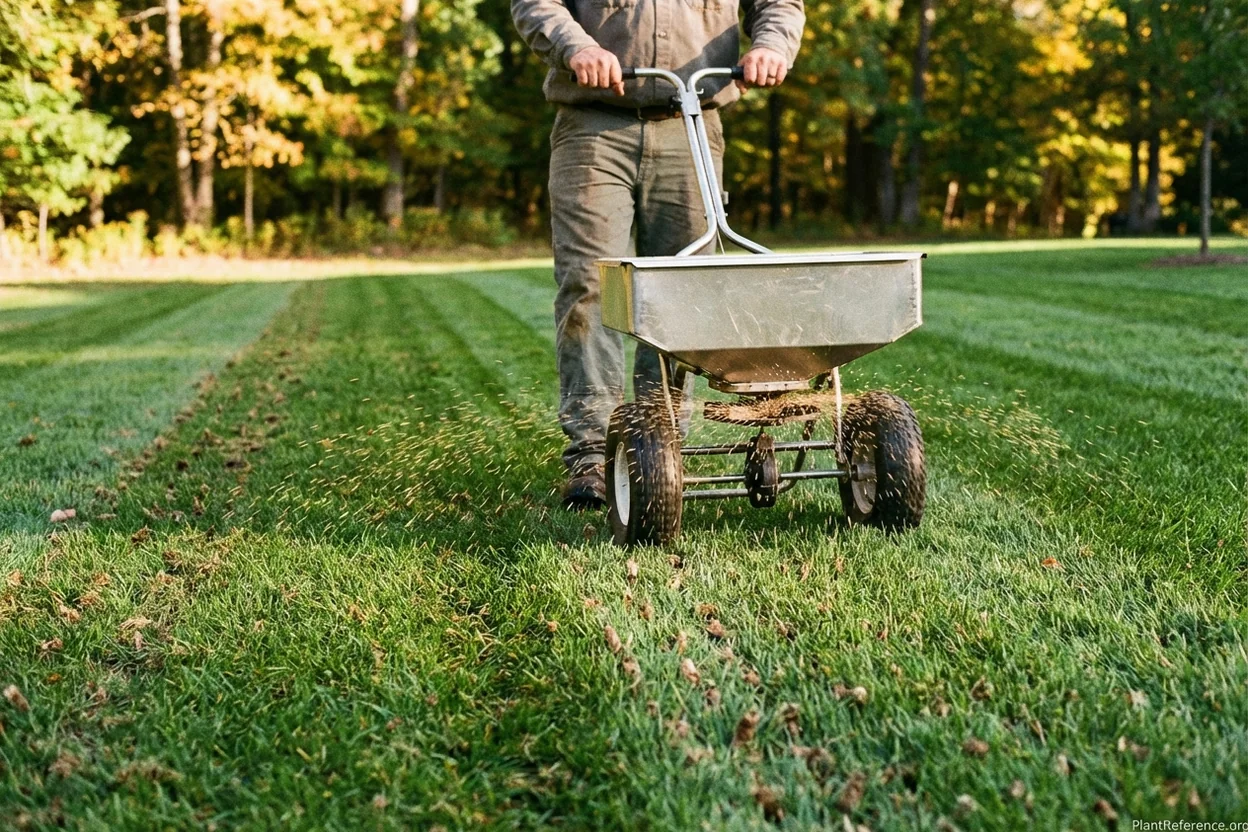
Use a broadcast spreader for even distribution. Apply half the seed in one direction (north-south), then the other half in a perpendicular direction (east-west). This two-pass method prevents streaky germination from uneven single-pass application.
Apply at the overseeding rate listed on the bag — this is typically half the rate used for new lawn establishment. Over-applying seed creates excessive competition between seedlings, producing weak, spindly plants rather than strong ones.
Step 4: Fertilize
Apply a starter fertilizer or your regular fall fertilizer (1 lb nitrogen per 1,000 sq ft) immediately after seeding. The nitrogen supports both existing turf recovery and new seedling establishment. If using a starter fertilizer with phosphorus (e.g., 10-18-10), check local regulations — many states restrict phosphorus application on established lawns. Lawn Fertilization Schedule: When and What to Feed by Grass Type
Step 5: Water
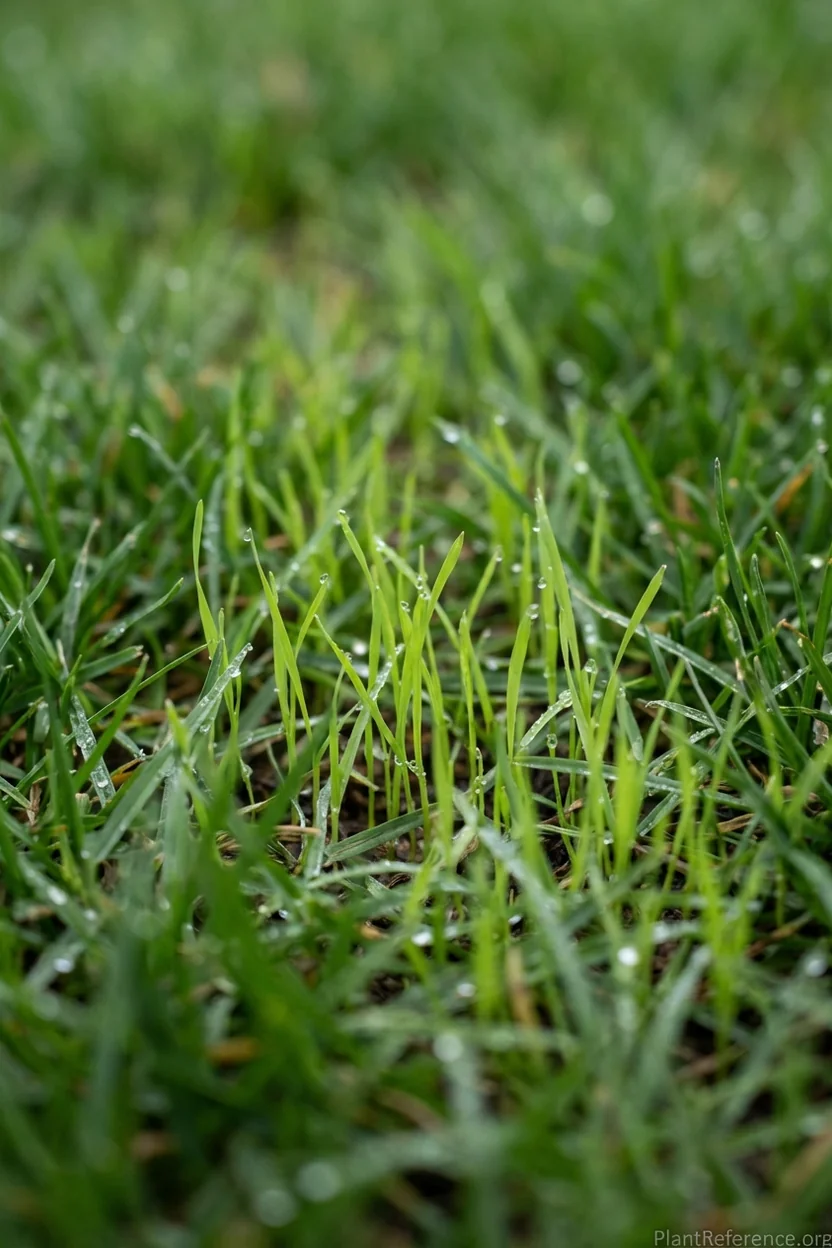
This is where most overseeding failures happen. New seed requires consistent surface moisture for the first 2-3 weeks. Water lightly — just enough to moisten the top 0.5 inches (1.3 cm) of soil — 2-3 times daily if needed to prevent the seed bed from drying out. Once seedlings emerge and reach 1-2 inches (3-5 cm), transition to deeper, less frequent watering (the normal 2-3 times per week schedule). How to Water Your Lawn the Right Way: Depth, Timing, and Drought
Aftercare: Watering and First Mow
The Watering Transition
The hardest part of overseeding aftercare is the watering transition from frequent light watering (for seed germination) to deep infrequent watering (for established turf). During weeks 1-2, the surface must stay moist — light watering 2-3 times daily. During weeks 3-4, as seedlings establish roots, reduce to once daily. By week 5, transition to the normal deep watering schedule (2-3 sessions per week, 1-1.5 inches total).
First Mow
Wait until new seedlings reach 3-4 inches (8-10 cm) tall before the first mow — typically 3-4 weeks after germination. Set the mower to 3 inches (8 cm) and remove no more than one-third of the blade height. Use a sharp blade — dull blades pull young seedlings out of the soil instead of cutting them cleanly. When to Stop Mowing in Fall (And When to Start Again in Spring)
Pre-Emergent Warning
Do not apply pre-emergent herbicide within 4 months of overseeding. Pre-emergent products prevent all seed germination — including your new grass seed. If you applied pre-emergent in spring, check the product label for residual duration before fall overseeding. Prodiamine (Barricade) lasts 4-6 months; pendimethalin (Scotts Halts) lasts 3-4 months. Plan the spring pre-emergent application to expire by your fall overseeding date. How to Get Rid of Crabgrass: Prevention, Timing, and Treatment
Frequently Asked Questions
Reading about plants and recognising them are different skills. These three build the second.
- Daily PlantIdentify the day’s mystery plant from a close-up photograph.
- Keyed OutWork a dichotomous key, lead by lead, to name a hidden specimen.
- Name That PlantName a specimen from botanical clues dealt hardest first.
Free to play, no account needed
Tagged with
James is a lawn care professional in Dallas who runs a small residential maintenance company. He started mowing lawns as a teenager and worked his way up to running crews for a large landscaping firm before going out on his own. James specializes in warm-season turf grasses—Bermuda, St. Augustine, and Zoysia—and knows how to keep a lawn alive through Texas summers without wasting water. He's also experienced with the transition zone challenges that Dallas faces, where warm-season and cool-season grasses overlap. James takes a practical, science-informed approach to lawn care and pushes back on the idea that a good lawn requires heavy chemical inputs.