Festuca, Genus,
- Genus
fescues
Temperate and cold regions worldwide, including the mountains of the tropics
Overview
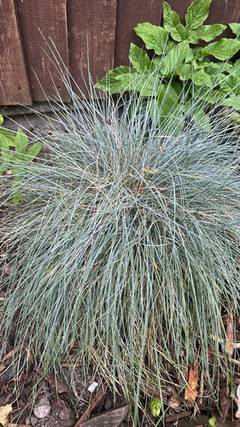
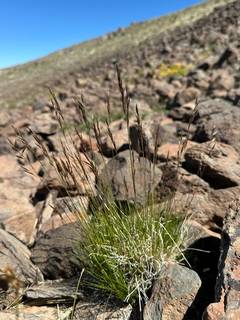
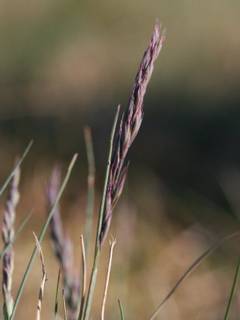
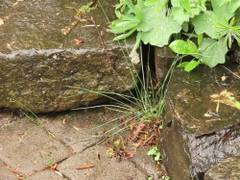
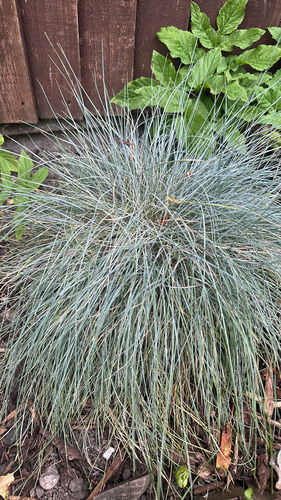
Festuca is a genus of about 400 to 600 species of tufted, cool-season grasses in the grass family (Poaceae), the fescues, found in temperate and cold regions worldwide and on tropical mountains. Most form dense clumps of narrow, often rolled or bristle-like leaves 6 in to 4 ft (15 to 120 cm) tall, ranging in color from green to silvery blue-gray. Airy flower panicles rise above the foliage in late spring and summer, green at first and drying to tan, and carry small wind-pollinated spikelets. The genus includes turf and pasture grasses such as red fescue F. rubra and the forage grasses once placed here, as well as clump-forming ornamentals such as blue fescue F. glauca, grown for its rounded mounds of blue foliage. Fescues grow in cool weather and may go semi-dormant in summer heat. Many are evergreen or semi-evergreen and hold their color into winter in mild climates. Some pasture fescues carry a fungal endophyte that helps the grass resist drought and grazing but can poison livestock that eat large amounts. The genus tolerates poor soil, drought, and cold once established.
Native Range
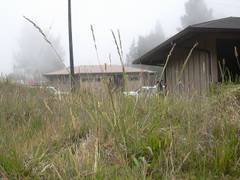
Festuca grows wild across the temperate Northern and Southern Hemispheres and on cool mountains in the tropics, in grassland, meadow, woodland, and alpine habitats. Many species are native to North America, including bunchgrasses of western prairies and mountains.Suggested Uses
Festuca is used for lawns, meadows, slopes, and erosion control with the turf and pasture species, and as edging, groundcover, and container plants with ornamental blue fescue. The neat mounded forms are planted in rock gardens, gravel gardens, and the front of borders, spaced 8 to 12 in (20 to 30 cm) apart. Native bunchgrass fescues are grown in prairie and habitat restorations.How to Identify
Appearance
Size & Dimensions
Height6" - 4'
Width/Spread6" - 2'
Bloom Information
Flowering occurs mainly in late spring and early summer, roughly May to July, when slender panicles of greenish spikelets rise above the foliage. The flowers are wind-pollinated and dry to straw color, holding into late summer before shedding seed. On ornamental fescues the panicles are often sheared off to keep the foliage mounds tidy.
Detailed Descriptions
Flower Description
green to tan paniclesFoliage Description
green to blue-grayGrowing Conditions
Sun Requirements
Requires 5-9 hours of direct sunlight daily
• Full Sun: 6+ hours of direct sunlight
• Partial Shade: 3-6 hours of direct sunlight
• Full Shade: Less than 3 hours of direct sunlight
Care & Maintenance
Care Guide
Festuca grows in full sun to light shade in well-drained soil of low to average fertility at a pH of about 5.5 to 7.5, including sandy and rocky ground. The genus is most active in cool weather and tolerates drought, cold, and poor soil once established, needing little water or feeding. Heavy, wet soil and high summer heat and humidity can rot the clumps, especially the blue ornamental forms, so sharp drainage matters. Blue fescue often loses color and dies out at the center after two or three years and is lifted and divided in spring to renew it. Most fescues are hardy in USDA zones 3 to 9 and stay green through mild winters. Few pests trouble the genus, though rust and other fungal diseases appear in damp conditions.Pruning
Cut or comb out the old foliage of Festuca in early spring before new growth starts to clear away dead blades. Shear off spent flower panicles in summer to keep ornamental clumps neat. Lifting and dividing the clumps every two to three years renews tired, hollow centers.Pruning Schedule
Prune: March–April
early spring
Container Growing
Suitable for container growing
Minimum container size: 1 gallons