© Kristian Peters -- Fabelfroh 12:57, 5 May 2007 (UTC), some rights reserved (CC-BY-SA) · Wikimedia Commons
Festuca, Genus, brevipila, Species,
- Genus & species
hard fescue
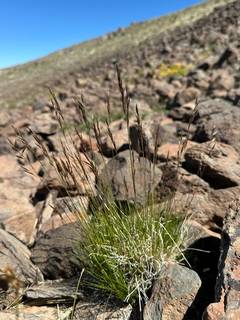
Europe and western Asia (dry grasslands, rocky slopes, sandy heathland on acidic to neutral soils)
Overview
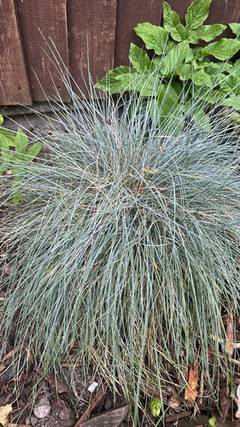
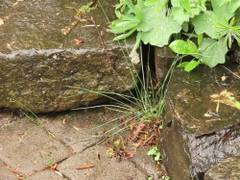
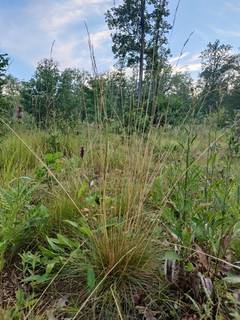
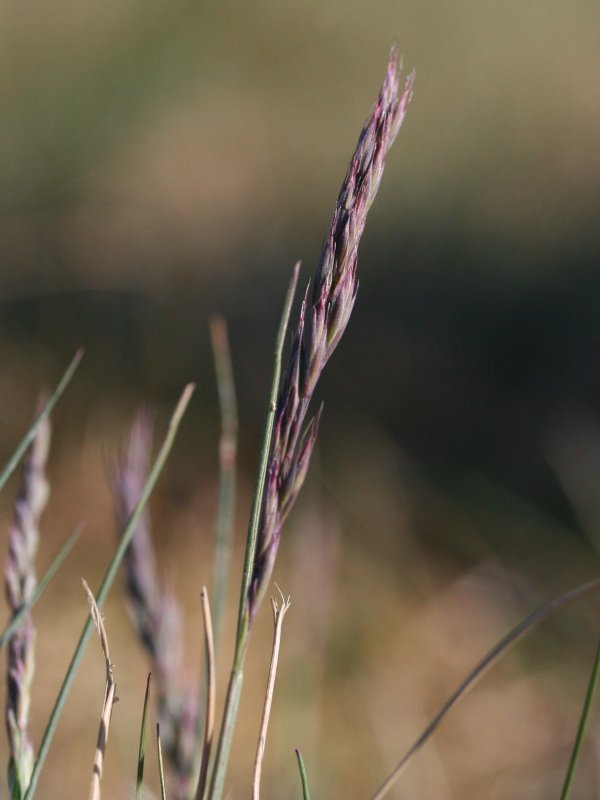
Festuca brevipila (often sold under the older name F. longifolia or as a subtype of F. ovina) is a cool-season, bunch-type perennial grass in the grass family (Poaceae), growing 8-16 inches (20-40 cm) tall in dense, narrow-leaved clumps 6-10 inches (15-25 cm) wide. Leaves are very narrow, 0.5-1 mm wide, blue-green to grey-green, stiff, and wiry, staying semi-evergreen through mild winters. The narrow leaf width and dense clumping habit create a low-maintenance turf alternative when planted en masse — hard fescue requires less mowing, fertilisation, water, and pesticide input than any other cool-season turfgrass. The species tolerates drought, shade (3-4 hours of sun minimum), acidic soil, poor soil fertility, and cold temperatures to -30°F (-34°C). Heavy foot traffic and wet, poorly drained sites are not tolerated. Growth rate is slow — 60% of the speed of tall fescue — which reduces mowing frequency to 2-4 times per year in a no-mow lawn application. The inflorescence is a narrow panicle 2-4 inches (5-10 cm) long. Modern cultivars ('Reliant IV', 'Spartan II', 'Beacon') are used in low-maintenance turf mixes, roadside seedings, and erosion control.
Native Range
Festuca brevipila is native to Europe and western Asia, occurring in dry grasslands, rocky slopes, and sandy heathland on acidic to neutral soils.Suggested Uses
Low-maintenance and no-mow lawn alternative, typically blended with other narrow-leaved fescues (F. rubra, F. ovina). Roadside and slope seedings for erosion control. Shade lawns (minimum 3-4 hours sun). Airport and cemetery turf where minimal maintenance is desired. In the Pacific Northwest, a component of low-input turf mixes for residential lawns, parks, and school grounds.How to Identify
Appearance
Size & Dimensions
Height8" - 1'4"
Width/Spread6" - 10"
Bloom Information
Detailed Descriptions
Flower Description
Green to straw panicleFoliage Description
Blue-green to grey-greenGrowing Conditions
Sun Requirements
Requires 3-8 hours of direct sunlight daily
• Full Sun: 6+ hours of direct sunlight
• Partial Shade: 3-6 hours of direct sunlight
• Full Shade: Less than 3 hours of direct sunlight