Festuca, Genus, arundinacea, Species,
- Genus & species
tall fescue
Overview
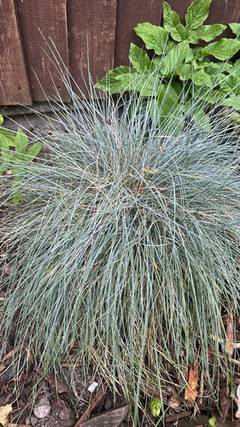
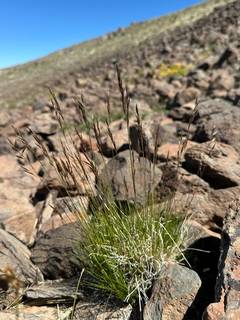
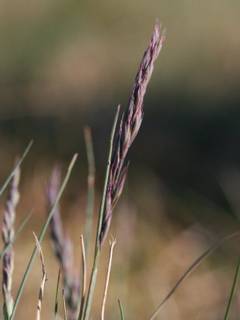
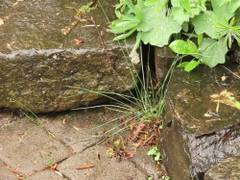
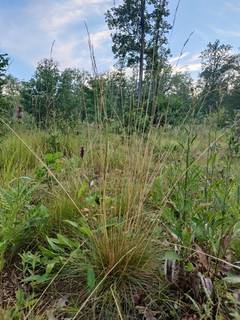
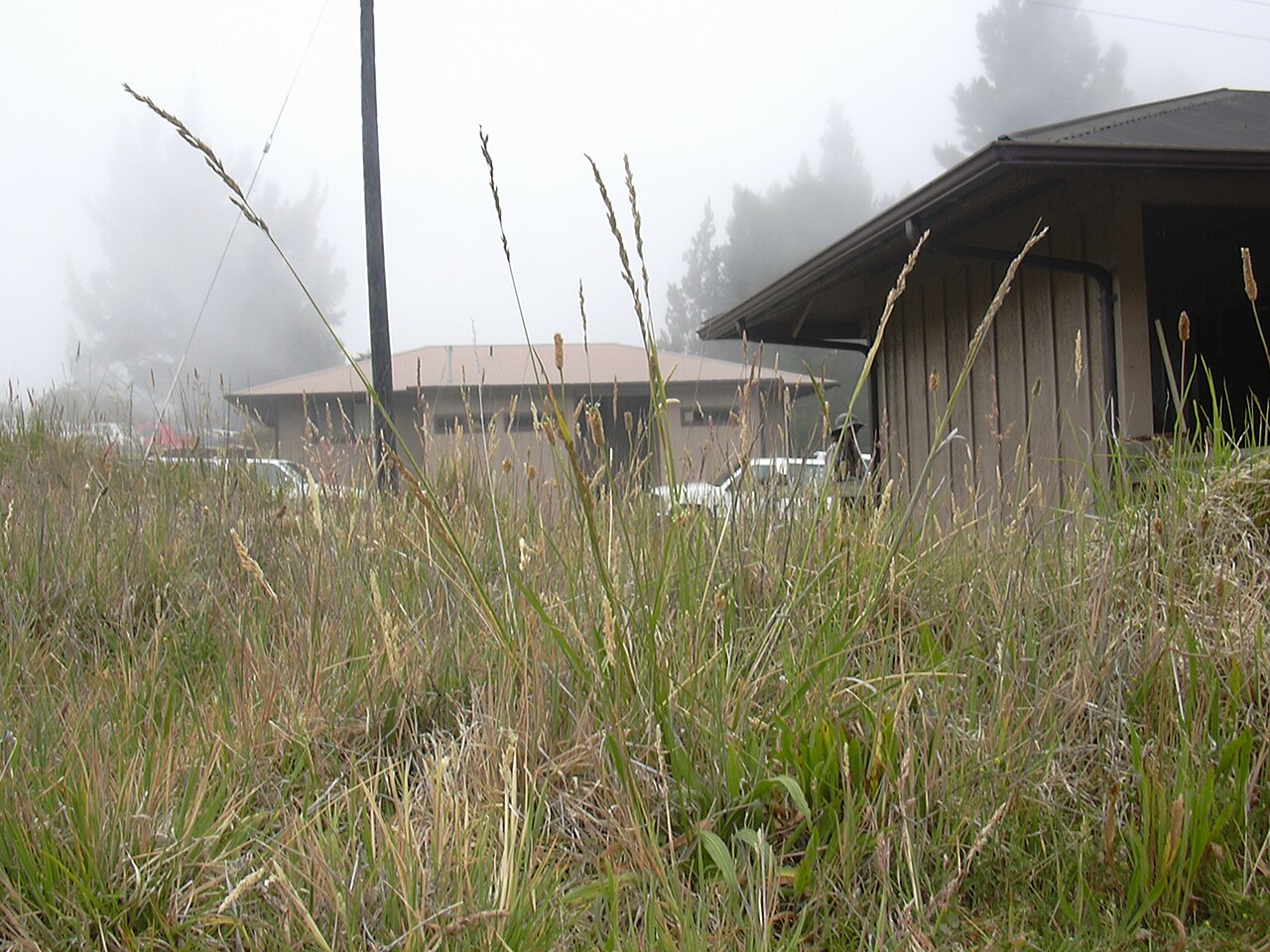
Festuca arundinacea (syn. Schedonorus arundinaceus, Lolium arundinaceum) is a cool-season, bunch-type perennial grass in the Poaceae family, reaching 24-48 inches (60-120 cm) tall in unmowed stands, with a deep, fibrous root system extending 24-36 inches (60-90 cm) — deeper than most cool-season turfgrasses. Leaf blades are flat, coarse-textured, 0.25-0.4 inch (6-10 mm) wide, dark green, with prominent parallel veins and rough-textured upper surfaces with visible ridges (scabrous). Leaf sheaths are smooth, split, with short auricles at the junction of blade and sheath. The inflorescence is a contracted panicle 4-10 inches (10-25 cm) long, bearing spikelets with 3-10 florets each. Many turf-type cultivars harbour the endophytic fungus Epichloë coenophiala (formerly Neotyphodium coenophialum), which confers drought tolerance, insect resistance, and heat tolerance to the grass but produces ergot alkaloids toxic to grazing livestock — particularly cattle and horses — causing fescue toxicosis (vasoconstriction, reduced weight gain, elevated body temperature). Endophyte-free cultivars are available for pasture use. Turf-type cultivars carry narrower leaf blades, denser tillering, and darker green colour than forage types. The species tolerates heat, drought, foot traffic, and a wide range of soil types better than most cool-season grasses, which is why it is widely planted as the dominant turfgrass throughout the transition zone (USDA zones 6-7) of the United States where neither cool- nor warm-season grasses are fully adapted.
Native Range
Festuca arundinacea is native to Europe, North Africa, and western Asia. The species was introduced to North America in the early 1800s as a forage grass. It is now widely planted as a cool-season grass throughout the United States, covering an estimated 35 million acres, and has naturalised throughout temperate regions globally.Suggested Uses
Planted as a lawn, sports turf, and erosion control grass throughout the transition zone (USDA zones 5-8) where summers are too hot for Kentucky bluegrass and winters too cold for bermudagrass. Turf-type cultivars ('Rebel', 'Titan', 'Kentucky 31' for pasture) are selected based on intended use. The deep root system supports low-irrigation lawns. In the Pacific Northwest, the species is commonly mixed with perennial ryegrass and Kentucky bluegrass for all-purpose turf.How to Identify
Appearance
Size & Dimensions
Height3" - 4'
Width/Spread6" - 1'
Bloom Information
Detailed Descriptions
Flower Description
Green to straw-coloured panicleFoliage Description
Dark greenGrowing Conditions
Sun Requirements
Requires 4-10 hours of direct sunlight daily
• Full Sun: 6+ hours of direct sunlight
• Partial Shade: 3-6 hours of direct sunlight
• Full Shade: Less than 3 hours of direct sunlight