Poa, Genus, spp., Multiple species,
- Genus
- Multiple species
Meadow grasses
Temperate and cold regions of both hemispheres
Overview
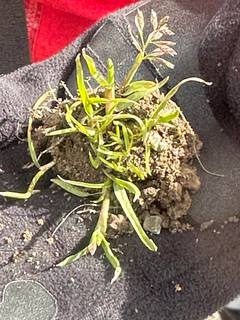
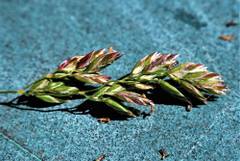
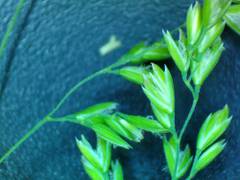
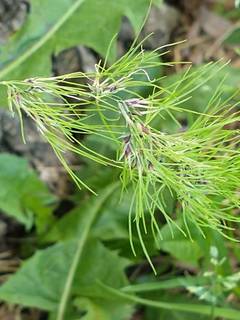
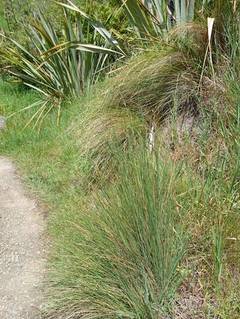
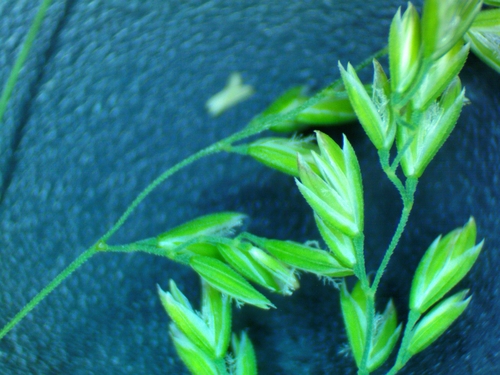
Poa is a genus of about 500 species of annual and perennial grasses in the family Poaceae, distributed through temperate and cool regions of both hemispheres and on tropical mountains. Plants form tufts or spread by rhizomes, ranging from 4 in (10 cm) in alpine species to 4 ft (120 cm) in meadow species. The leaf blades are soft and typically end in a blunt, boat-shaped tip, a feature that helps identify the genus. Flowers are borne in open or contracted panicles of small, flattened spikelets, each holding two to several florets, and are wind-pollinated. Kentucky bluegrass P. pratensis is widely planted as a cool-season turf and pasture grass, spreading by rhizomes to form dense sod. Annual bluegrass P. annua is a near-cosmopolitan weed of lawns, paths, and cultivated ground that seeds heavily and dies back in summer heat. Several species supply forage and erosion control, while others are weedy in turf and crops. The genus grows in grasslands, meadows, woodland edges, disturbed soil, and alpine tundra across a wide climate range.
Native Range
Poa is nearly cosmopolitan, with the greatest diversity in temperate and cold-temperate grasslands and on high mountains worldwide. North American native species include Sandberg bluegrass P. secunda and arctic bluegrass P. arctica. Kentucky bluegrass P. pratensis is native to Eurasia and has naturalized across North America.Suggested Uses
Poa species are grown as lawn turf, pasture and hay grasses, and for soil stabilization on banks and verges. Native species are used in meadow and prairie restoration and as cool-season forage. The seeds and foliage feed birds, grazing animals, and the larvae of some butterflies.How to Identify
Appearance
Size & Dimensions
Height4" - 4'
Width/Spread4" - 2'
Bloom Information
Most Poa species flower from late spring into summer, roughly May to July, producing airy panicles of greenish to purplish spikelets. Annual bluegrass P. annua can flower almost year-round in mild climates and seeds even when closely mowed. Flowering is wind-pollinated and produces no showy petals. Seed ripens within a few weeks of flowering.
Detailed Descriptions
Flower Description
green to purplishFoliage Description
green to blue-greenGrowing Conditions
Sun Requirements
Requires 4-10 hours of direct sunlight daily
• Full Sun: 6+ hours of direct sunlight
• Partial Shade: 3-6 hours of direct sunlight
• Full Shade: Less than 3 hours of direct sunlight