When to Plant Peppers in Memphis: Complete Guide + Best Varieties for Zone 7b
Pets & Toxicity
Recorded toxicity for plants linked in this guide. An unknown status is not a safety assessment.
Toxic to pets: Poblano pepperDetailsHide
Capsicum chinense 'Habanero' — Toxicity: Not assessed
Fruit contains capsaicin at 100,000–350,000 Scoville Heat Units — strong enough to cause severe burning on skin, eyes, and mucous membranes through simple contact with cut fruit or the hand that held it. Nitrile gloves are used during handling and food preparation; face and eye contact is avoided. The fruit is irritating rather than toxic in the usual sense, but the heat level can cause significant discomfort and real injury if mishandled. The plant is kept out of reach of children and pets.View Capsicum chinense 'Habanero' plant profileCapsicum annuum 'California Wonder' — Toxicity
Non-toxicView Capsicum annuum 'California Wonder' plant profileCapsicum annuum 'Jalapeño' — Toxicity: Not assessed
Capsaicin in fruit causes burning sensations in mouth and on skin. Fruit and handling oils are irritating to eyes and mucous membranes but are not toxic in the usual sense. Gloves are used during harvesting and processing; hands are washed thoroughly before touching face. Small amounts are generally safe for pets but can cause digestive upset.View Capsicum annuum 'Jalapeño' plant profileCapsicum annuum 'Poblano' — Toxicity Warning
Toxic to petsView Capsicum annuum 'Poblano' plant profile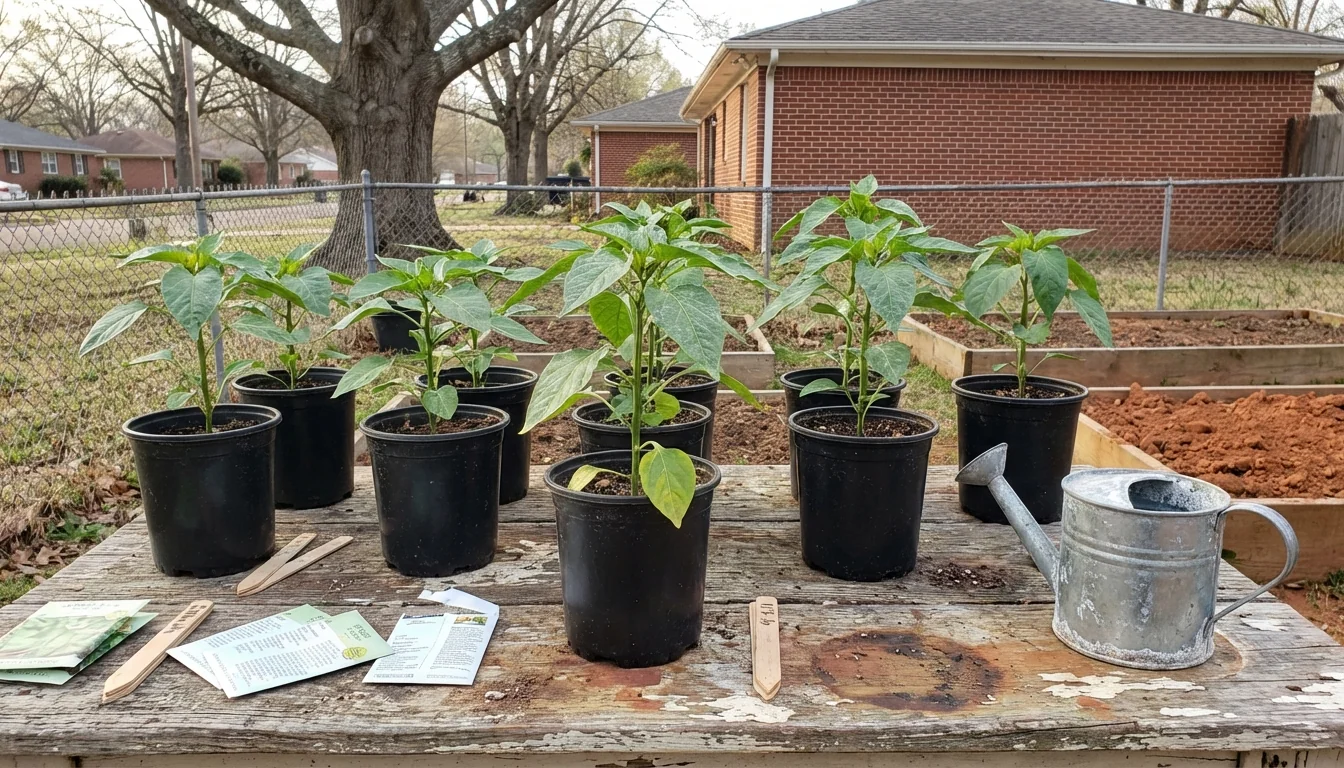
— Image © Plant Reference 2026
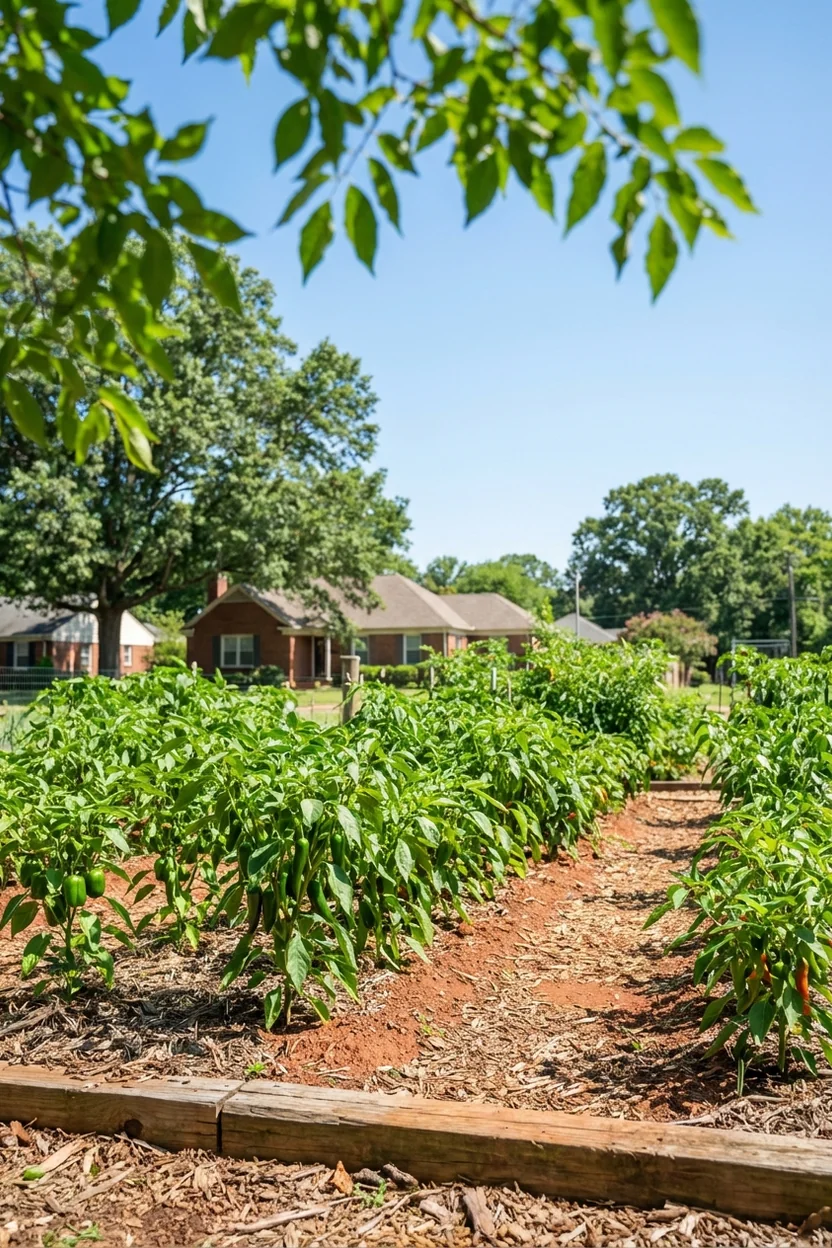
Memphis gardeners have a significant advantage when growing peppers—your Zone 7b climate provides a generous 210-day growing season perfect for both quick-maturing sweet varieties and heat-loving hot peppers. With last frost typically occurring around April 5 and first frost not until November 1, you have ample time to grow everything from early Shishitos to demanding Habaneros.
I've been gardening in the Mid-South for over forty years, and peppers are one of our most reliable warm-season crops. The key to success in Memphis is working with our climate's strengths—that long, hot summer—while managing the challenges of humidity and occasional late spring cold snaps.
Best Pepper Varieties for Memphis's Climate
Memphis's Zone 7b climate with hot, humid summers and mild winters creates ideal conditions for most pepper varieties. Your 210-day frost-free period allows even long-season varieties like 🌿Capsicum chinense 'Habanero' habaneros to fully mature, while the intense summer heat brings out the best flavor in all pepper types.
Variety | Days to Maturity | Best For | Notes for Memphis |
|---|---|---|---|
60-70 days | Early harvest | Perfect for Zone 7b short spring window | |
65-75 days | Pickling/fresh | Handles Memphis heat well | |
70-80 days | Stuffing/fresh | May need shade cloth in peak summer | |
70-80 days | Salsa/general use | Thrives in Memphis humidity | |
75-85 days | Roasting/drying | Excellent for Memphis growing season | |
75-85 days | Roasting/mild heat | Strong performer in Tennessee | |
80-90 days | Hot sauce/drying | Heat intensity peaks in Memphis summers | |
95-120 days | Extreme heat | Needs full Memphis growing season |
Heat-Tolerant Champions
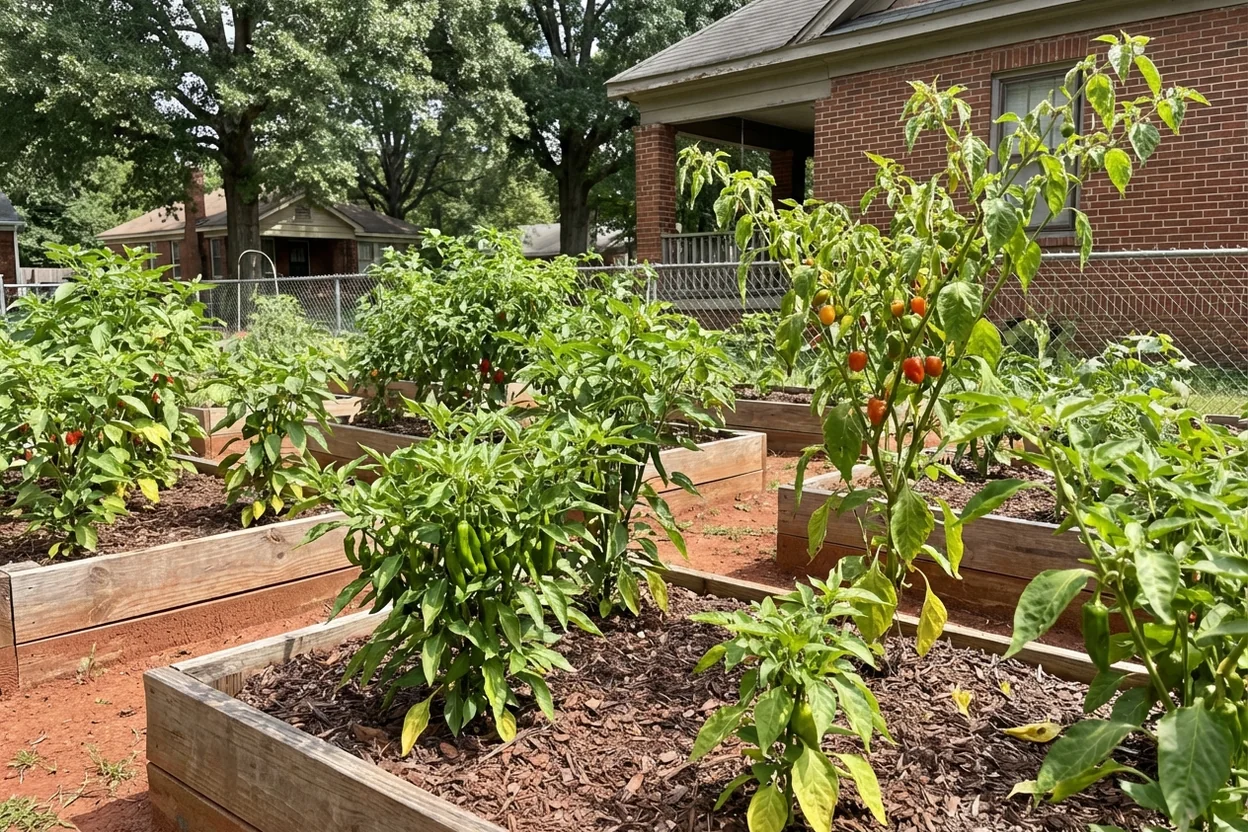
For Memphis's intense summer heat, focus on varieties that actually benefit from high temperatures. 🌿Capsicum annuum 'Jalapeño' performs exceptionally well here—the heat stress increases capsaicin production, making your peppers spicier than the same varieties grown in cooler climates. 🌿Capsicum annuum 'Cayenne' is another winner, with the thin walls drying naturally even in our humidity.
Timing Considerations
Your 210-day growing season means you can start with quick producers like 🌿Capsicum annuum 'Shishito' for early summer harvest, then transition to preserving hot peppers like 🌿Capsicum annuum 'Cayenne' for winter use. The extended season also allows 🌿Capsicum chinense 'Habanero' to fully ripen, which rarely happens in shorter-season zones.
Specific Planting Dates for Memphis
Memphis's Zone 7b climate requires precise timing to maximize your pepper harvest. With last frost around April 5, you need to start seeds early enough to have strong transplants ready when soil temperatures reach the critical 60°F threshold.
Indoor Seed Starting: February 15-22
Start your pepper seeds indoors 8-10 weeks before transplanting. In Memphis, this means sowing seeds February 15-22. Pepper seeds need warm soil (80-85°F) to germinate properly, so use heat mats if your indoor space runs cool. 🌿Capsicum chinense 'Habanero' seeds may take up to 21 days to sprout, while 🌿Capsicum annuum 'California Wonder' varieties typically emerge in 7-14 days.
Transplant Preparation: April 5-12
Begin hardening off seedlings one week before transplanting. Even though average last frost is April 5, I recommend waiting until April 12-19 to transplant outdoors. This gives soil time to warm consistently above 60°F, which is crucial for strong root development.
Critical Temperature Monitoring
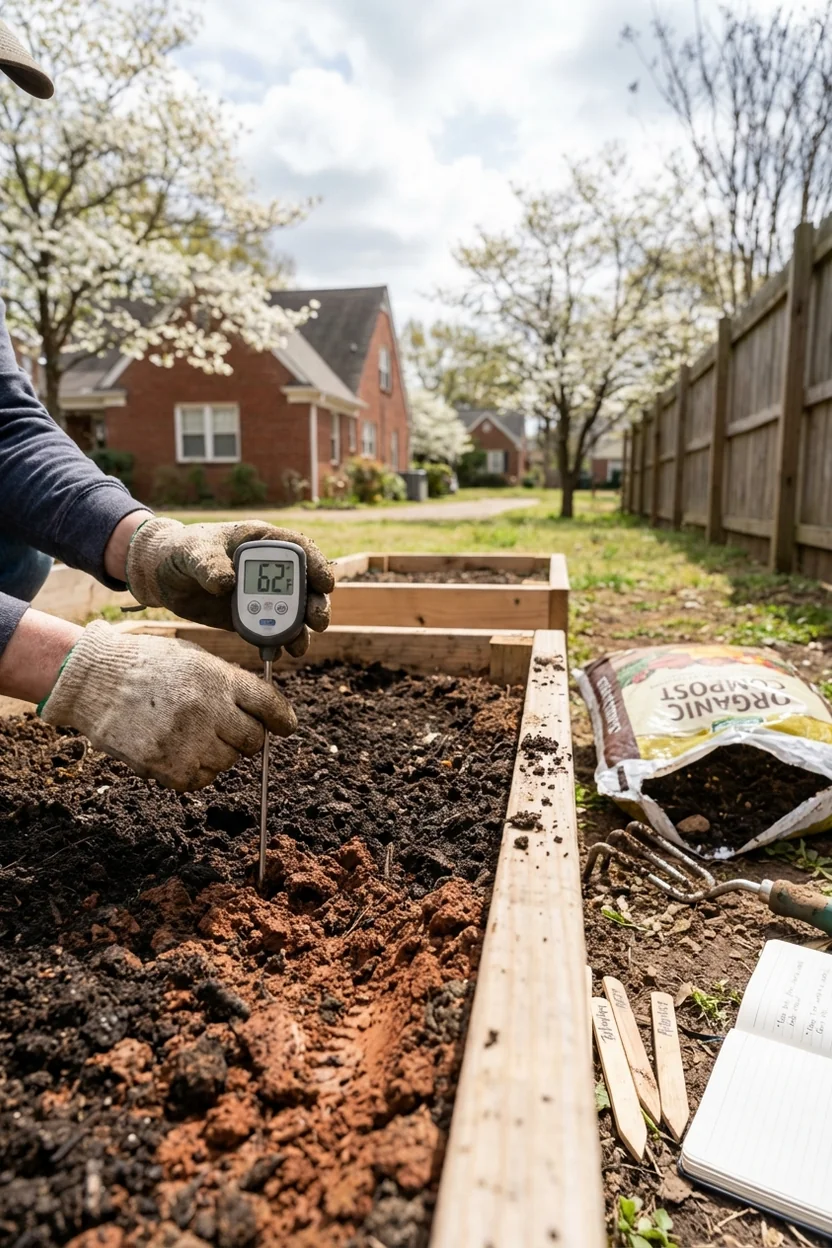
Memphis spring weather can be unpredictable. Monitor both air and soil temperatures closely. If nighttime temperatures drop below 55°F after transplanting, protect plants with row covers or cloches. Young pepper plants will "sulk" in cold soil, stopping growth for weeks even after temperatures improve.
Succession Planting Opportunities
Your long growing season allows succession planting for continuous harvest. Plant a second round of quick-maturing varieties like 🌿Capsicum annuum 'Shishito' in late May for fall harvest, or start heat-loving varieties in containers that can be moved during extreme summer heat.
Complete Growing Guide for Memphis
Success with peppers in Memphis requires understanding how to work with both the advantages and challenges of Zone 7b. Your long, hot growing season is perfect for pepper production, but the humidity and intense summer heat require specific management strategies.
Soil Preparation for Memphis Gardens
Memphis's clay-heavy soil presents both opportunities and challenges. The clay holds nutrients well but can become waterlogged during our spring rains and concrete-hard during summer dry spells. Amend beds with 2-3 inches of aged compost annually and ensure excellent drainage—peppers hate wet feet more than any other common garden vegetable.
Work compost into the top 8-12 inches of soil, creating a loose, well-draining root zone. If your soil has poor drainage, consider raised beds 8-10 inches high. The elevation improves drainage and allows soil to warm faster in spring.
Planting and Spacing
Space pepper plants 18-24 inches apart in Memphis to ensure good air circulation—critical for preventing fungal diseases in our humid climate. Plant transplants at the same depth they were growing in containers. Deeper planting doesn't benefit peppers like it does tomatoes.
Immediately after planting, apply a 2-3 inch layer of organic mulch around plants, keeping mulch 3 inches away from stems. Straw, shredded leaves, or aged wood chips work well. Mulch conserves moisture during hot summers and prevents soil splashing onto leaves during heavy rains.
Support Systems
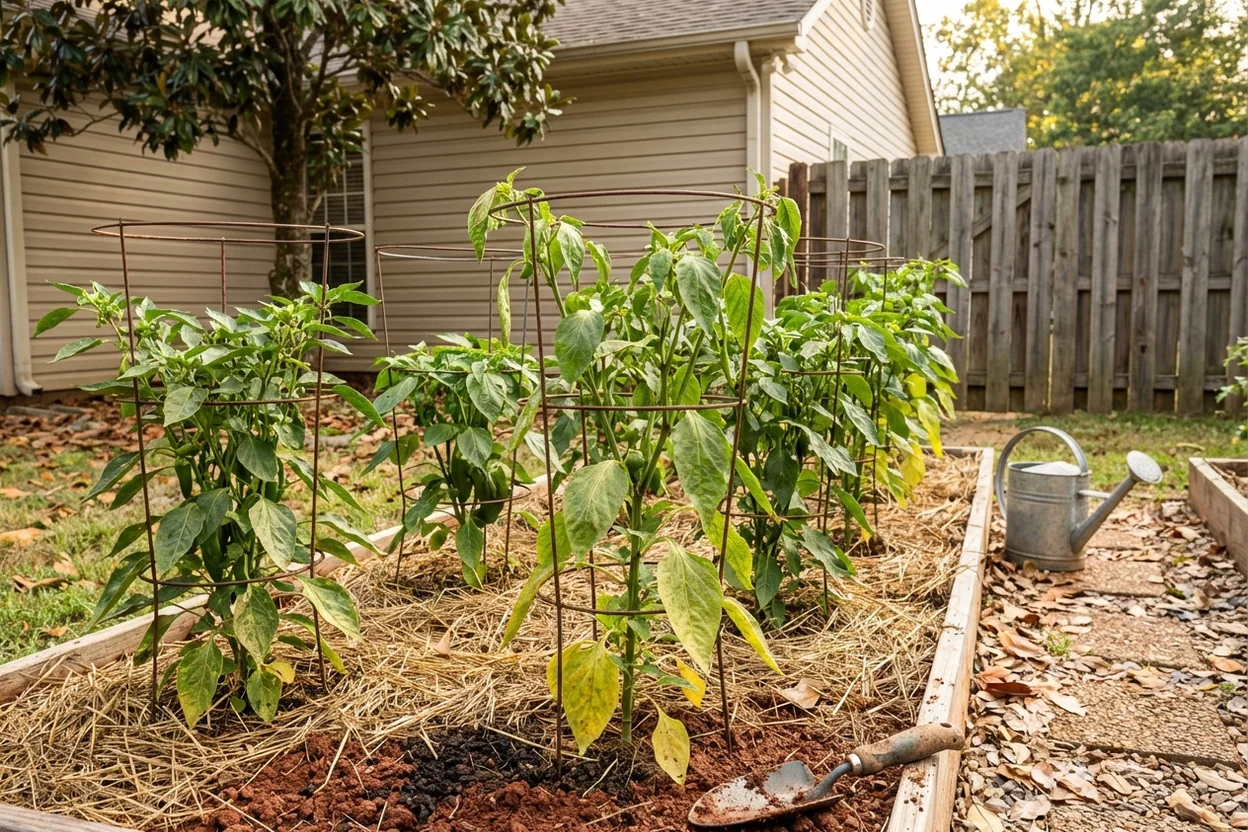
Most pepper varieties benefit from support in Memphis due to our thunderstorms and heavy fruit loads. Install cages or stakes at planting time to avoid disturbing roots later. Heavy producers like 🌿Capsicum annuum 'Poblano' and 🌿Capsicum annuum 'California Wonder' absolutely require support—their large fruits combined with storm winds will topple unsupported plants.
Watering Strategy
Consistent moisture is crucial for pepper success in Memphis. Irregular watering leads to blossom end rot, especially on large-fruited varieties. Water deeply 1-2 times weekly rather than daily shallow watering. Drip irrigation or soaker hoses work best, keeping water off foliage to prevent fungal diseases.
During peak summer heat (July-August), you may need to water every 2-3 days. Watch for wilting in late afternoon—if plants recover overnight, they're fine. If they're still wilted in the morning, increase watering frequency.
Managing Summer Heat
Memphis summers can stress pepper plants despite their heat tolerance. When temperatures exceed 95°F for several consecutive days, flowers may drop without setting fruit. This is temporary—fruit production resumes when temperatures moderate.
For sensitive varieties like 🌿Capsicum annuum 'California Wonder', consider 30% shade cloth during the hottest weeks of summer. Remove shade cloth by late August to ensure adequate light for fall fruit ripening.
Troubleshooting Memphis-Specific Problems
Memphis's humid subtropical climate creates specific challenges for pepper growers. Understanding these common problems helps you maintain healthy, productive plants throughout the growing season.
Fungal Diseases in Humid Conditions
High humidity combined with warm temperatures creates perfect conditions for fungal problems. Bacterial leaf spot appears as dark, water-soaked lesions on leaves, while anthracnose causes dark, sunken spots on fruit. Prevention focuses on air circulation and keeping foliage dry.
Plant in raised beds for better drainage, space plants appropriately for airflow, and water at soil level using drip irrigation or soaker hoses. Remove any infected plant material immediately and dispose of it in trash, not compost.
Blossom End Rot in Clay Soils
Memphis's clay soils can contribute to blossom end rot—dark, sunken areas on the bottom of developing fruits. This appears to be a calcium deficiency but is usually caused by inconsistent watering that prevents calcium uptake from the soil.
Maintain consistent soil moisture through regular watering and thick mulch. Avoid disturbing roots through deep cultivation once plants are established. If your soil test shows low calcium, apply lime in fall for next season's benefit.
Late Spring Cold Snaps
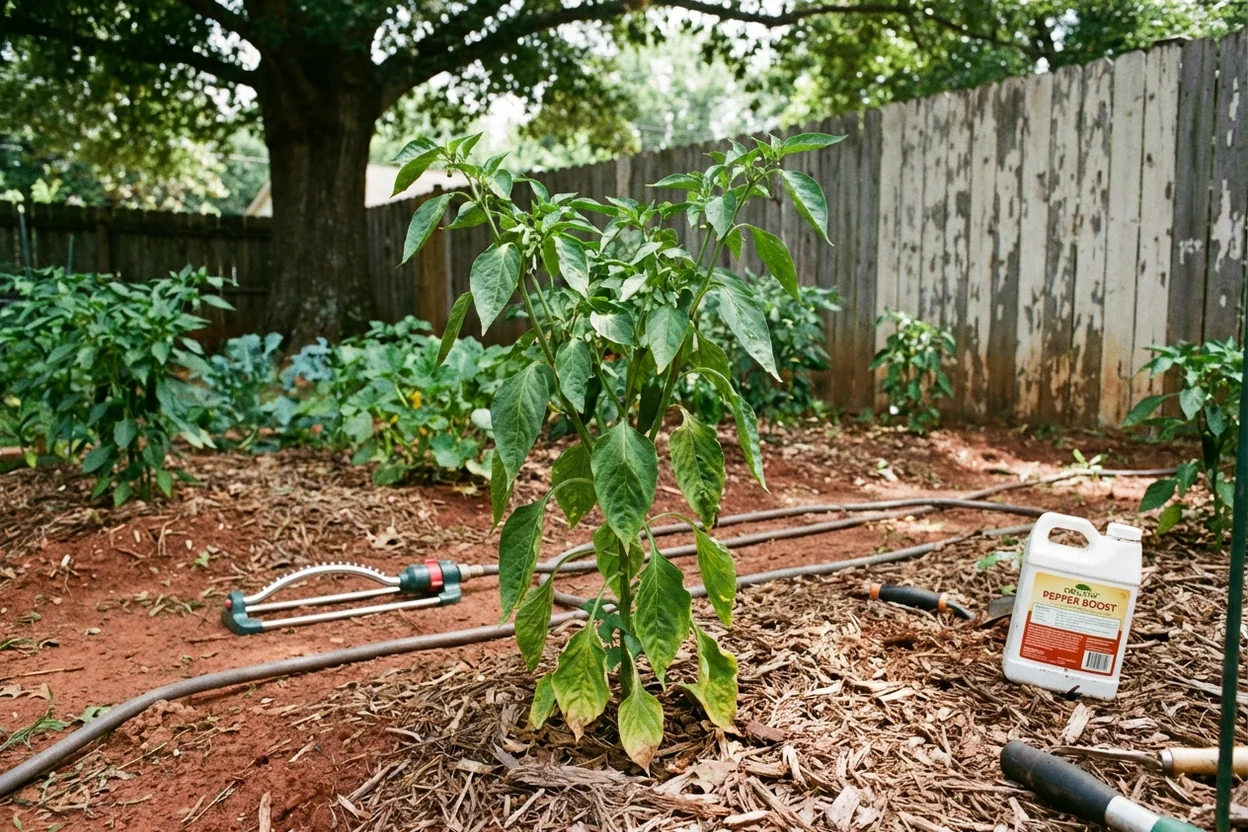
Occasional late cold snaps can damage newly transplanted peppers in Memphis. Even temperatures in the low 50s can shock young plants, causing them to drop leaves and stop growing for 2-3 weeks.
Monitor weather forecasts closely in April and early May. Have row covers, milk jugs, or other protection ready for unexpected cold nights. If plants do suffer cold damage, be patient—they typically recover and produce normally once consistent warm weather returns.
Pest Management
Aphids can be problematic in Memphis, especially during cool, wet springs. They cluster on new growth and can transmit viral diseases between plants. Monitor weekly and spray with insecticidal soap at first sign of infestation.
Hornworms occasionally attack peppers but are more commonly a tomato problem. Hand-picking works for small gardens, while Bt (Bacillus thuringiensis) provides organic control for larger plantings.
Harvest & Storage
Memphis's extended growing season provides exceptional opportunities for pepper harvest and preservation. Your first peppers typically ripen in late June, with continuous harvest possible until the first frost in early November.
Timing Your Harvest
Most peppers can be harvested at any stage of development. 🌿Capsicum annuum 'Jalapeño' peppers are commonly picked green but develop more complex flavors when allowed to ripen to red. 🌿Capsicum annuum 'California Wonder' bell peppers are typically harvested green but become sweeter and more nutritious when fully red.
For drying varieties like 🌿Capsicum annuum 'Cayenne', allow fruits to ripen fully on the plant until they begin to shrivel. Memphis's humidity makes air-drying challenging—use a dehydrator or oven-drying method for best results.
Preservation Methods
Fresh peppers store 1-2 weeks in the refrigerator. For longer storage, peppers freeze excellently. Wash, seed, and chop peppers before freezing in measured portions. Frozen peppers work perfectly for cooking but lose crispness for fresh eating.
Hot peppers dry well for long-term storage. String whole peppers on thread and hang in a dry, well-ventilated area, or use a dehydrator. Properly dried peppers stored in airtight containers maintain potency for years.
Memphis gardeners often have abundant harvests—consider making hot sauce, pepper jellies, or pickled peppers to preserve the bounty. Your long growing season typically provides multiple harvests from the same plants.
Frequently Asked Questions
Reading about plants and recognising them are different skills. These three build the second.
- Daily PlantIdentify the day’s mystery plant from a close-up photograph.
- Keyed OutWork a dichotomous key, lead by lead, to name a hidden specimen.
- Name That PlantName a specimen from botanical clues dealt hardest first.
Free to play, no account needed
Dot grew up on a small farm in rural Virginia and has maintained a vegetable garden for decades. After retiring from teaching elementary school, she became a Master Gardener volunteer and spends her time mentoring new gardeners at community garden plots in Richmond. She's especially knowledgeable about heirloom varieties, seed saving, and traditional growing methods passed down from her grandmother. Dot's no-nonsense advice comes from extensive trial and error—she's seen every tomato disease, pest problem, and weather disaster imaginable. Her biggest pet peeve is gardeners who overcomplicate simple tasks. "Plants want to grow," she often says. "Your job is to not get in their way."