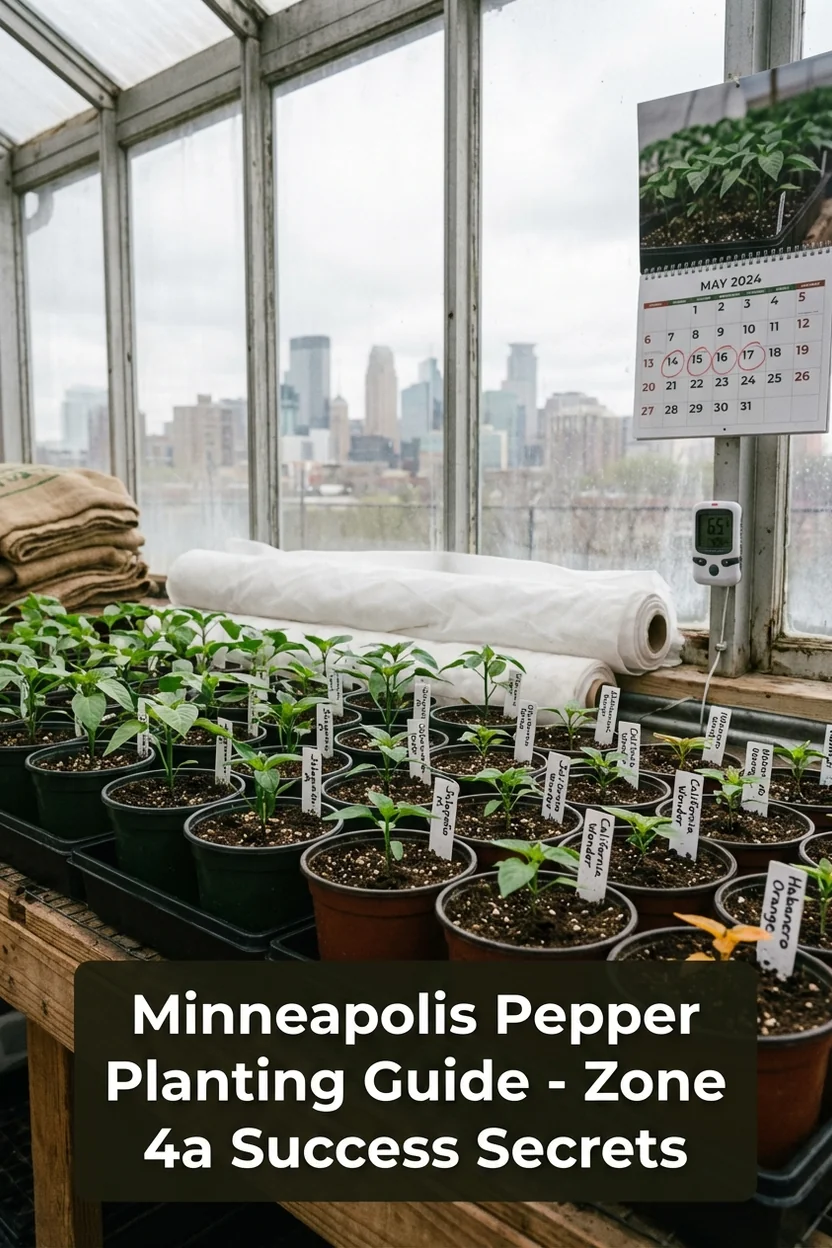
When to Plant Peppers in Minneapolis: Complete Guide + Best Varieties for Zone 4a
Pets & Toxicity
Recorded toxicity for plants linked in this guide. An unknown status is not a safety assessment.
Toxic to pets: Poblano pepperDetailsHide
Capsicum annuum 'California Wonder' — Toxicity
Non-toxicView Capsicum annuum 'California Wonder' plant profileCapsicum chinense 'Habanero' — Toxicity: Not assessed
Fruit contains capsaicin at 100,000–350,000 Scoville Heat Units — strong enough to cause severe burning on skin, eyes, and mucous membranes through simple contact with cut fruit or the hand that held it. Nitrile gloves are used during handling and food preparation; face and eye contact is avoided. The fruit is irritating rather than toxic in the usual sense, but the heat level can cause significant discomfort and real injury if mishandled. The plant is kept out of reach of children and pets.View Capsicum chinense 'Habanero' plant profileCapsicum annuum 'Poblano' — Toxicity Warning
Toxic to petsView Capsicum annuum 'Poblano' plant profile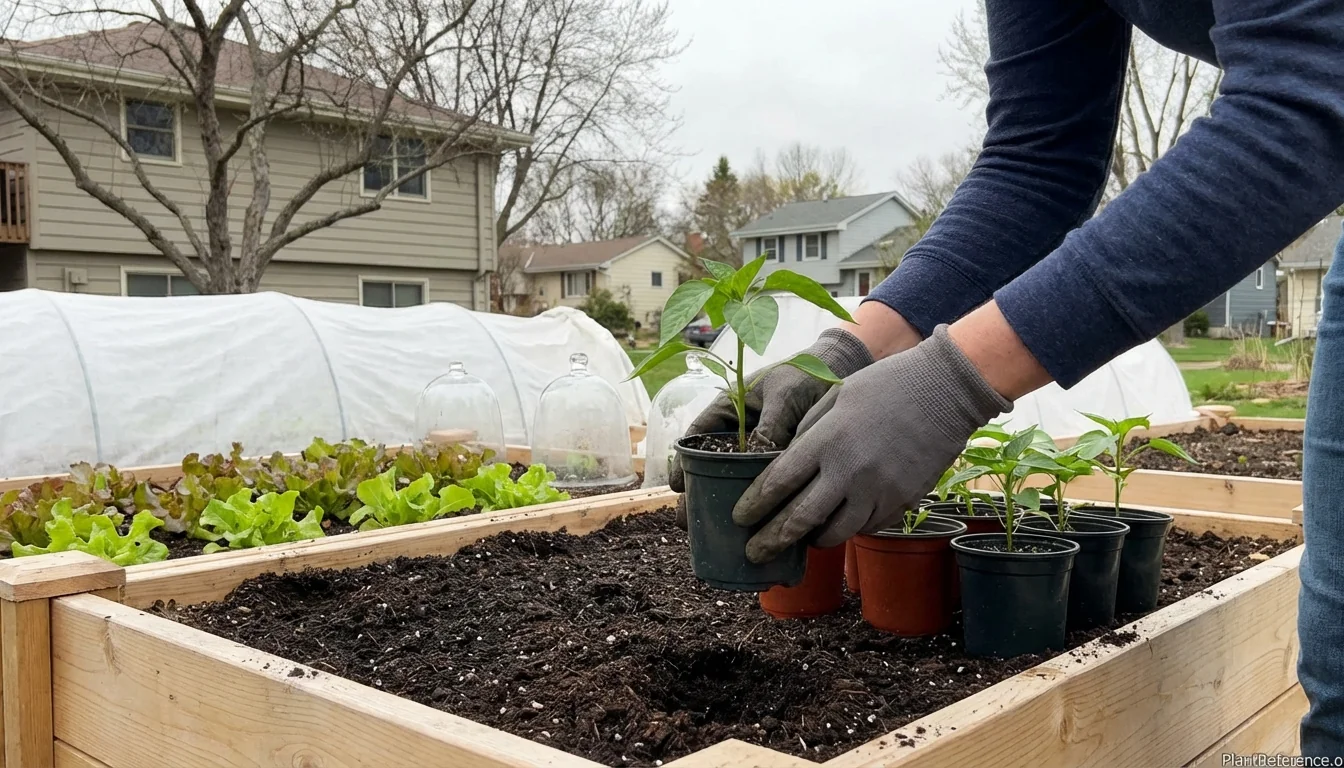
— Image © Plant Reference 2026
Growing peppers in Minneapolis presents unique challenges that I've been navigating for over four decades. Zone 4a's short 138-day growing season and unpredictable spring weather demand precise timing and smart variety selection to achieve success.
Best Pepper Varieties for Minneapolis's Climate
Minneapolis gardeners must prioritize varieties that can complete their life cycle within our 138-day frost-free window. After testing dozens of varieties in Minnesota's challenging climate, I've identified the most reliable performers for Zone 4a success.
The key is understanding that not all peppers 🌿Capsicum annuum 'Hungarian Wax' are created equal for northern climates. Fast-maturing varieties that can set and ripen fruit in cool conditions will consistently outperform their warm-season cousins, regardless of how appealing those long-season varieties might seem in catalogs.
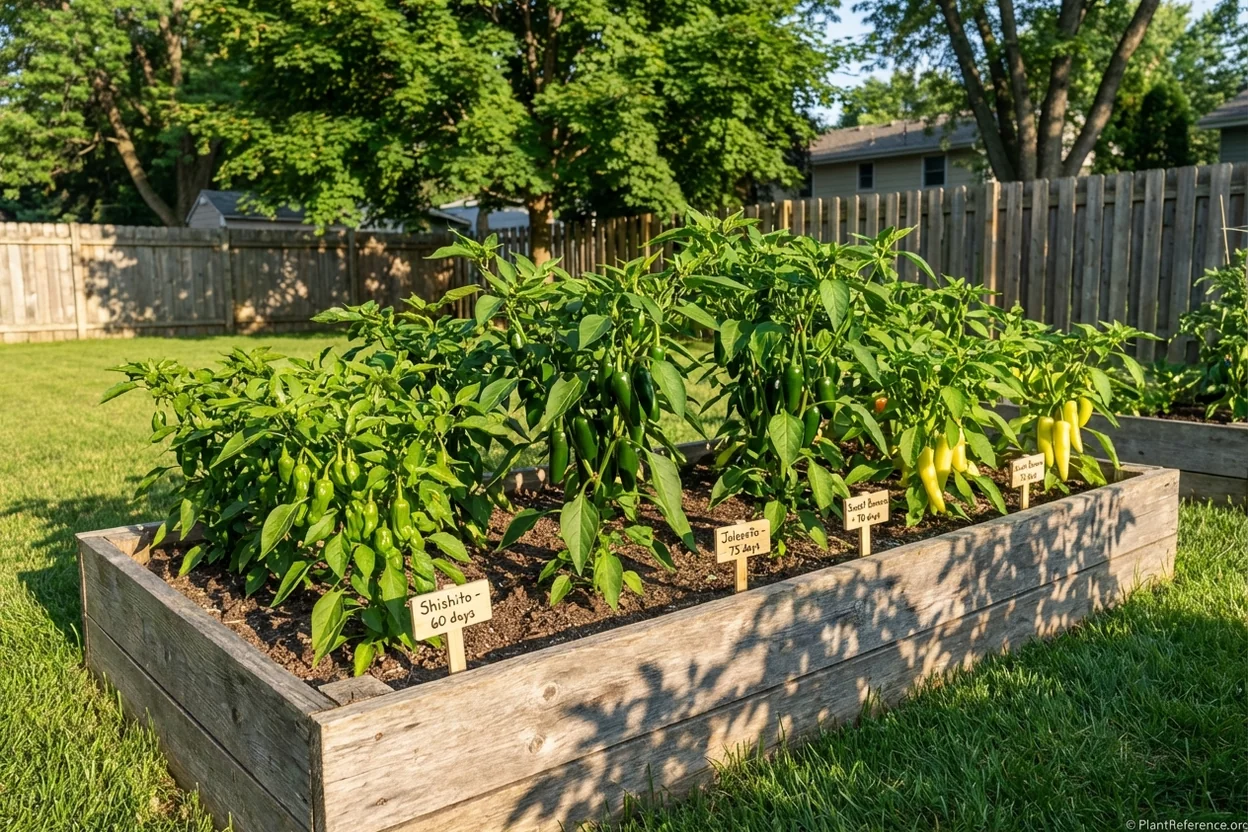
Here's my tested variety selection for Minneapolis success:
Variety | Days to Maturity | Best For | Notes for Minneapolis |
|---|---|---|---|
60-70 days | Quick harvest | Most reliable for Zone 4a | |
65-75 days | Salsa production | Cold-tolerant selection | |
65-75 days | Fresh eating | Productive in cool summers | |
70-80 days | Pickling | Handles temperature swings | |
75-85 days | Bell pepper needs | Requires maximum protection | |
70-80 days | Drying/powder | Thin walls dry quickly |
Avoid These Long-Season Varieties: 🌿Capsicum chinense 'Habanero' (90-120 days), 🌿Capsicum annuum 'Poblano' (80-90 days), and most superhot varieties simply cannot accumulate enough heat units in Minneapolis to reach maturity before frost.
🌿Capsicum annuum 'Shishito' remains my top recommendation for Minneapolis gardeners. These Japanese peppers consistently produce harvestable fruit by mid-July, providing insurance against early autumn frosts. Their compact growth habit also makes them excellent candidates for container growing if you need to bring plants indoors during cold snaps.
For heat lovers, 🌿Capsicum annuum 'Early Jalapeño' offers the best compromise between spice and reliability. Select strains specifically bred for northern climates, as standard Jalapeños often struggle to ripen consistently in our climate.
Specific Planting Dates for Minneapolis
Timing is everything in Minneapolis pepper production. Our May 14 average last frost date provides the foundation for all planting calculations, but soil temperature and consistent nighttime temperatures matter more than calendar dates.
Critical Temperature Thresholds:
Soil temperature: Minimum 60°F (16°C) for safe transplanting
Nighttime air temperature: Consistently above 50°F (10°C)
Daytime temperature: Reliably reaching 70°F (21°C) or higher
Indoor Seed Starting Schedule
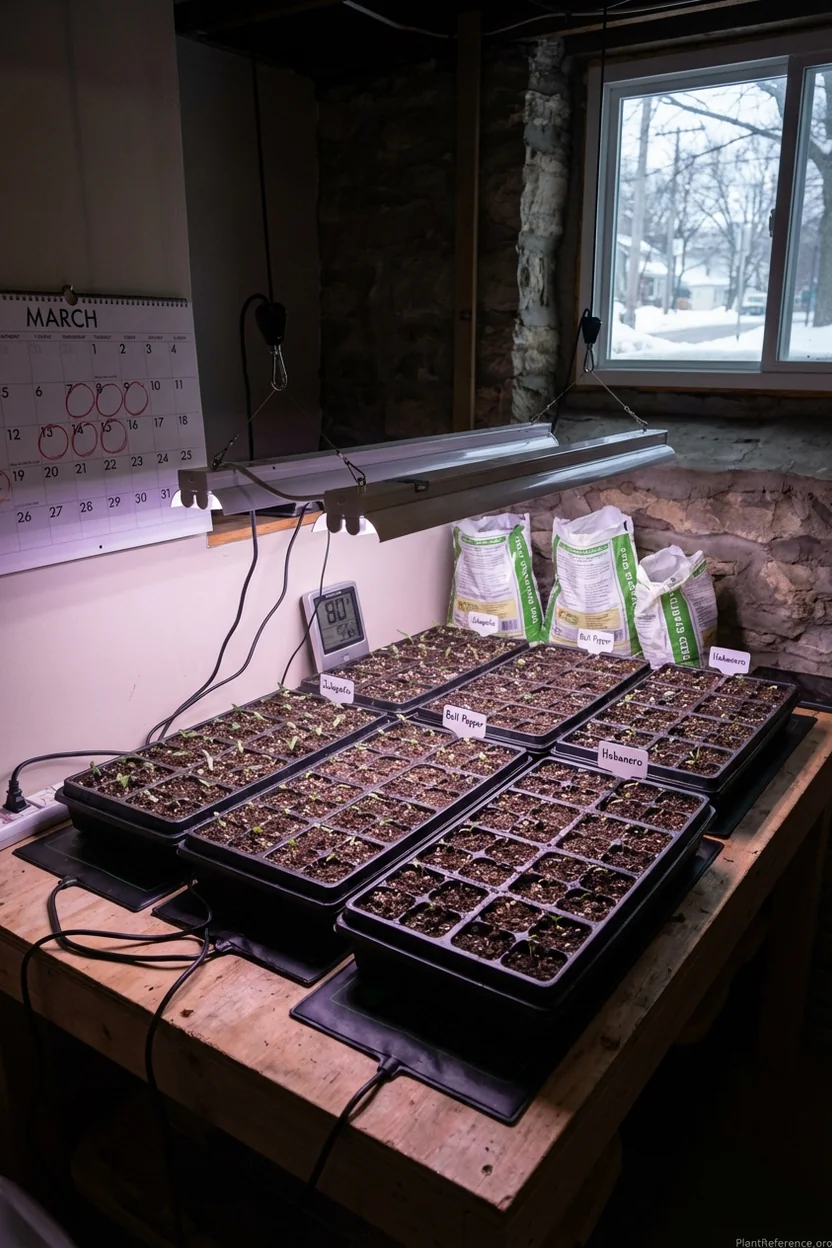
Start pepper seeds indoors March 16-23 for Minneapolis planting. This 8-week head start provides sufficient time for seedlings to develop strong root systems and mature stems capable of handling transplant shock.
I use a simple calculation: Last frost date (May 14) minus 8 weeks equals March 16. However, I extend this window through March 23 to accommodate varieties with slower germination or if you're starting seeds in cooler indoor conditions.
Seed Starting Protocol:
Maintain soil temperature at 80-85°F (27-29°C) using heat mats
Expect germination in 7-14 days for 🌿Capsicum annuum 'Hungarian Wax' varieties
Transplant to 4-inch pots when first true leaves appear
Begin hardening off process May 7-14
Transplant Timing
The safe transplant window for Minneapolis falls between May 21-28. This timing accounts for soil warming and reduced risk of late frost events that can devastate young pepper plants.
I monitor three conditions before transplanting:
Soil temperature consistently reaching 60°F (16°C) at 4-inch depth
Nighttime temperatures staying above 50°F (10°C) for seven consecutive nights
Long-range forecast showing no frost warnings for the following 10 days
Pre-Planting Soil Preparation (May 1-15): Cover prepared beds with black plastic mulch or IRT (infrared transmitting) mulch 2-3 weeks before transplanting. This technique can raise soil temperatures by 8-12°F, effectively creating Zone 5-6 growing conditions in our Zone 4a climate.
Season Extension Strategies
Minneapolis's challenging climate rewards gardeners who extend the growing season on both ends. Here's my proven approach:
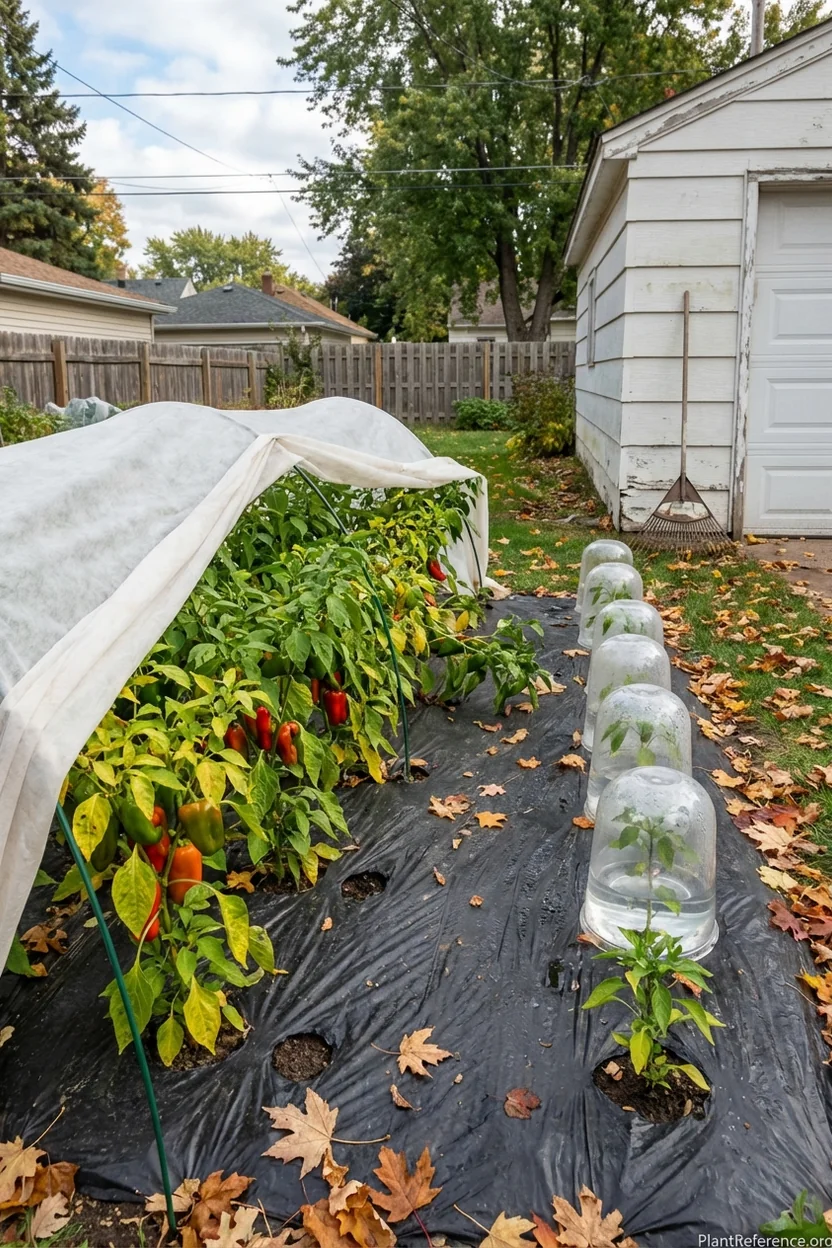
Spring Protection (May 21 - June 15):
Wall O' Water or water-filled cloches around each plant
Row covers during cold nights (below 55°F)
Black plastic mulch to maximize soil heat absorption
Fall Protection (September 1 - October 15):
Row covers when temperatures drop below 45°F
Harvest green peppers for indoor ripening
Container-grown plants can be moved to protected areas
Complete Growing Guide for Minneapolis
Success with peppers in Minneapolis requires adapting every aspect of cultivation to our unique climate constraints. After four decades of growing peppers in Minnesota, I've developed a system that consistently produces abundant harvests despite our challenging conditions.
Soil Preparation and Site Selection
Choose the warmest microclimate in your yard—typically a south-facing location protected from north winds. In Minneapolis, I've found that planting against south-facing walls or fences can add 5-10 degrees to your growing environment through reflected heat.
Soil Requirements:
Well-draining soil with pH 6.0-7.0
Rich in organic matter (2-3 inches of compost worked in)
Raised beds warm faster than ground-level plantings
Black plastic mulch to maximize heat absorption
The thermal mass strategy works exceptionally well in Minneapolis. Place gallon water jugs painted black around pepper plants—these absorb heat during the day and release it slowly at night, moderating temperature swings that can stress plants.
Planting and Spacing
Space plants 18-24 inches (45-60 cm) apart in Minneapolis to account for our typically smaller plant sizes due to the shorter growing season. Closer spacing also creates a microclimate that helps retain heat around the plants.
Transplant Protocol:
Dig holes slightly deeper than root balls
Backfill with compost-enriched soil
Install protective cloches or Wall O' Water immediately
Water thoroughly with lukewarm water (not cold well water)
Watering and Fertilization
Minneapolis's variable spring weather requires careful water management. Cold, wet conditions can quickly lead to root rot, while hot, dry periods stress plants and reduce fruit set.
Watering Guidelines:
Water deeply but infrequently once established
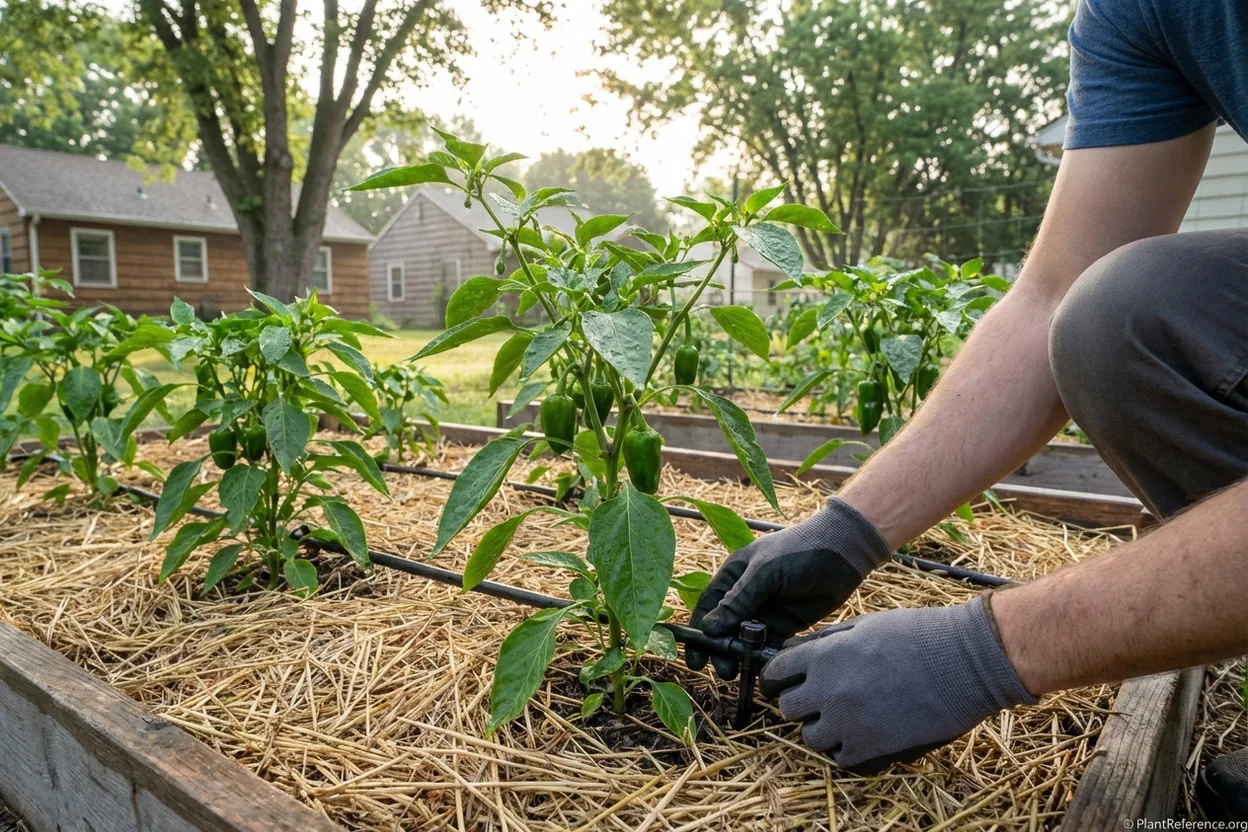
Use soaker hoses or drip irrigation to warm water before application
Avoid overhead watering, which can spread fungal diseases
Maintain consistent soil moisture during fruit development
Fertilization Schedule:
Pre-plant: Work 2-4 inches of compost into soil
Transplant: Side-dress with balanced fertilizer (10-10-10)
Mid-season: Light application of low-nitrogen fertilizer to encourage fruiting
Avoid high-nitrogen fertilizers after June, which promote leafy growth at fruit expense
Managing Minneapolis's Short Growing Season
The key to pepper success in Minneapolis lies in maximizing every available degree day. I've developed several techniques that consistently extend the effective growing season:
Heat Accumulation Methods:
Thermal Mass: Place large stones or water-filled containers around plants
Reflective Surfaces: Use aluminum foil mulch to reflect additional light and heat to plants
Windbreaks: Temporary structures to block cooling northerly winds
Container Growing: Black pots heat up faster and can be moved to capture optimal conditions
Growth Regulation: Pinch flowers until plants are well-established (usually mid-June in Minneapolis). This forces energy into root and stem development, creating stronger plants capable of supporting heavy fruit loads during our peak heat period.
Troubleshooting Minneapolis-Specific Problems
Minneapolis pepper growers face unique challenges that require specific solutions. Here are the most common problems I encounter and my time-tested remedies:
Cold Damage and Stunting
Symptoms: Purple-tinged leaves, slow growth, yellowing lower leaves Cause: Soil temperatures below 60°F or nighttime air temperatures below 50°F Solution: Install protective barriers immediately. Wall O' Water or clear plastic cloches can raise temperatures 10-15°F. For containers, move plants to protected areas during cold snaps.
Late Season Fruit Drop
Symptoms: Flowers and small fruits dropping in late August/early September Cause: Nighttime temperatures dropping below 60°F trigger natural senescence Solution: Cover plants with row cover fabric during cool nights. Harvest larger green fruits for indoor ripening.
Slow Ripening
Symptoms: Fruits reach full size but remain green well into September Cause: Insufficient heat accumulation during fruit development Solution: Remove excess foliage to direct energy to fruit ripening. Pick green fruits when temperatures consistently drop below 65°F and ripen indoors.
Fungal Disease Pressure
Minneapolis's humid summers can promote fungal diseases, especially in poorly ventilated gardens.
Common Diseases:
Bacterial Leaf Spot: Dark, water-soaked spots on leaves
Anthracnose: Sunken spots on ripening fruits
Powdery Mildew: White, powdery coating on leaves
Prevention Strategy:
Ensure adequate spacing for air circulation
Use drip irrigation to keep foliage dry
Apply preventive copper fungicide sprays during humid periods
Remove affected plant material immediately
Pest Management
Cutworms: Young transplants cut off at soil level - Solution: Paper collars around stems, diatomaceous earth around plants
Aphids: Small green insects clustering on new growth - Solution: Strong water spray, beneficial insects, reflective mulch
Flea Beetles: Small holes in leaves, particularly on young plants - Solution: Row covers until plants are established, yellow sticky traps
Harvest & Storage
Minneapolis's short growing season requires strategic harvest timing to maximize your pepper production. Understanding when and how to harvest ensures you get the most from your plants before our early autumn frosts arrive.
Determining Harvest Readiness
Most pepper varieties in Minneapolis will begin producing harvestable fruit by mid to late July. 🌿Capsicum annuum 'Shishito' often leads the way, with first harvests possible as early as July 15 in favorable years.
Harvest Indicators:
Fruits reach expected size for variety
Skin develops glossy appearance and firm texture
Green peppers: Harvest when full-sized, before color change begins
Colored peppers: Allow at least 75% color development on the plant
For sweet peppers like 🌿Capsicum annuum 'California Wonder', I harvest green once fruits reach 3-4 inches in length. Allowing them to ripen to red on the plant in Minneapolis often results in frost damage before full maturity.
Maximizing Late Season Harvest
As September temperatures begin dropping, shift harvest strategy to beat the frost:
Green Harvest (September 1-15): Pick all full-sized green peppers. These will continue ripening indoors at room temperature, typically completing color change within 2-3 weeks.
Final Harvest (September 20-29): Before first frost, harvest everything regardless of size. Small peppers can be used fresh, pickled, or frozen.
Storage Methods
Fresh Storage: Ripe peppers keep 1-2 weeks in refrigerator crisper drawer. Green peppers store slightly longer, up to 3 weeks.
Freezing: Wash, remove seeds, and chop peppers. Freeze in portion-sized bags. No blanching required. Frozen peppers work excellently in cooked dishes but lose crisp texture.
Drying: 🌿Capsicum annuum 'Cayenne' and other thin-walled varieties dry well. String whole peppers and hang in dry, well-ventilated area, or use a food dehydrator.
Indoor Ripening: Place green peppers in paper bags with a ripe apple. The ethylene gas speeds color development. Check every few days and remove any showing soft spots.
Frequently Asked Questions
Reading about plants and recognising them are different skills. These three build the second.
- Daily PlantIdentify the day’s mystery plant from a close-up photograph.
- Keyed OutWork a dichotomous key, lead by lead, to name a hidden specimen.
- Name That PlantName a specimen from botanical clues dealt hardest first.
Free to play, no account needed
Amanda came to gardening through an unexpected route—after developing chronic pain from rheumatoid arthritis in her late 20s, she started researching adaptive gardening techniques that would allow her to continue growing plants without aggravating her condition. Now based in Minneapolis, she writes about accessible gardening, raised bed designs for people with mobility challenges, and ergonomic tools that reduce strain. Amanda completed a certificate in sustainable urban agriculture and volunteers with a nonprofit that builds accessible community gardens. She grows vegetables, herbs, and flowers in waist-high raised beds she designed herself. Her writing focuses on practical solutions that work for real people with real limitations—whether that's arthritis, limited mobility, or just a bad back.