When to Plant Green Beans in Austin: Complete Guide + Best Varieties for Zone 8b
Pets & Toxicity
Recorded toxicity for plants linked in this guide. An unknown status is not a safety assessment.
No linked plant is recorded as toxic (6 linked plants checked)DetailsHide
Phaseolus vulgaris 'Blue Lake' — Toxicity
Non-toxic when cooked. Raw pods carry lectins (phytohemagglutinin) that cause digestive upset on raw consumption — pods are cooked before eatingView Phaseolus vulgaris 'Blue Lake' plant profilePhaseolus vulgaris 'Purple Queen' — Toxicity
Non-toxicView Phaseolus vulgaris 'Purple Queen' plant profilePhaseolus vulgaris 'Dragon Tongue' — Toxicity
Non-toxicView Phaseolus vulgaris 'Dragon Tongue' plant profilePhaseolus vulgaris 'Kentucky Wonder' — Toxicity
Non-toxicView Phaseolus vulgaris 'Kentucky Wonder' plant profile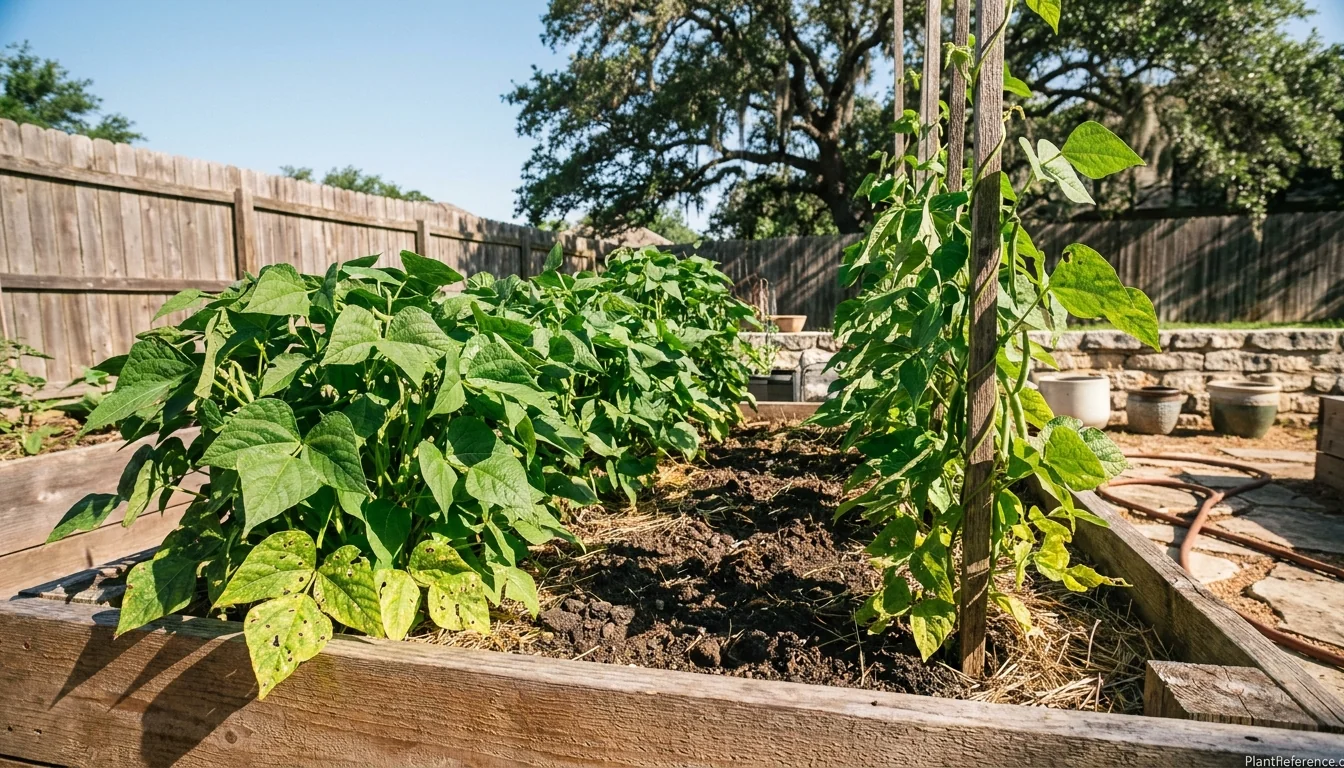
— Image © PlantReference.org 2026
Austin gardeners have a tremendous advantage when it comes to growing green beans. With 274 frost-free days and warm springs that arrive early, you can grow multiple crops of beans from March through November. The key is understanding when to plant green beans in Austin and which varieties thrive in Zone 8b's unique climate.
Best Green Bean Varieties for Austin's Zone 8b Climate
Austin's climate presents both opportunities and challenges for green bean cultivation. The long growing season allows for extended harvests, but the intense summer heat from July through September requires strategic variety selection and timing.
The common bean Phaseolus vulgaris (fay-zee-OH-lus vul-GAR-is) thrives in Austin's warm climate, but choosing the right varieties makes the difference between struggling plants and abundant harvests. I've been growing beans in Central Texas for over thirty years, and these six varieties consistently deliver the best results.
Variety | Days to Maturity | Growth Habit | Best Planting Window | Heat Tolerance |
|---|---|---|---|---|
50-55 days | Bush, 4" spacing | March-April, August | Excellent | |
53-60 days | Bush, 4" spacing | March-May, August | Very Good | |
55-65 days | Bush, 6" spacing | March-July | Good | |
55-60 days | Bush, 4" spacing | March-June | Very Good | |
55-60 days | Bush, 6" spacing | March-May, September | Moderate | |
60-70 days | Pole, 6" spacing | March-April, August | Good |
Heat-Tolerant Champions for Austin Summers
🌿Phaseolus vulgaris 'Provider' stands out as the most reliable variety for Austin's challenging climate. This compact bush bean germinates quickly in warm soil and produces heavily before summer heat becomes overwhelming. Its 50-day maturity window allows you to harvest in early June from an April planting, beating the worst heat.
🌿Phaseolus vulgaris 'Roma II' offers the classic Italian flat-pod shape with impressive heat tolerance. These Romano-style beans maintain their tender texture even when temperatures climb into the 90s°F (32-37°C). The broad pods are easy to spot during harvest, reducing the time you spend in the hot garden.
For vertical growing in small Austin spaces, 🌿Phaseolus vulgaris 'Kentucky Wonder' remains the top pole variety. While it requires support structures, one planting can produce beans for 8-10 weeks, making it ideal for fall plantings when cooler weather extends the harvest window.
Cool-Season Specialists for Spring and Fall
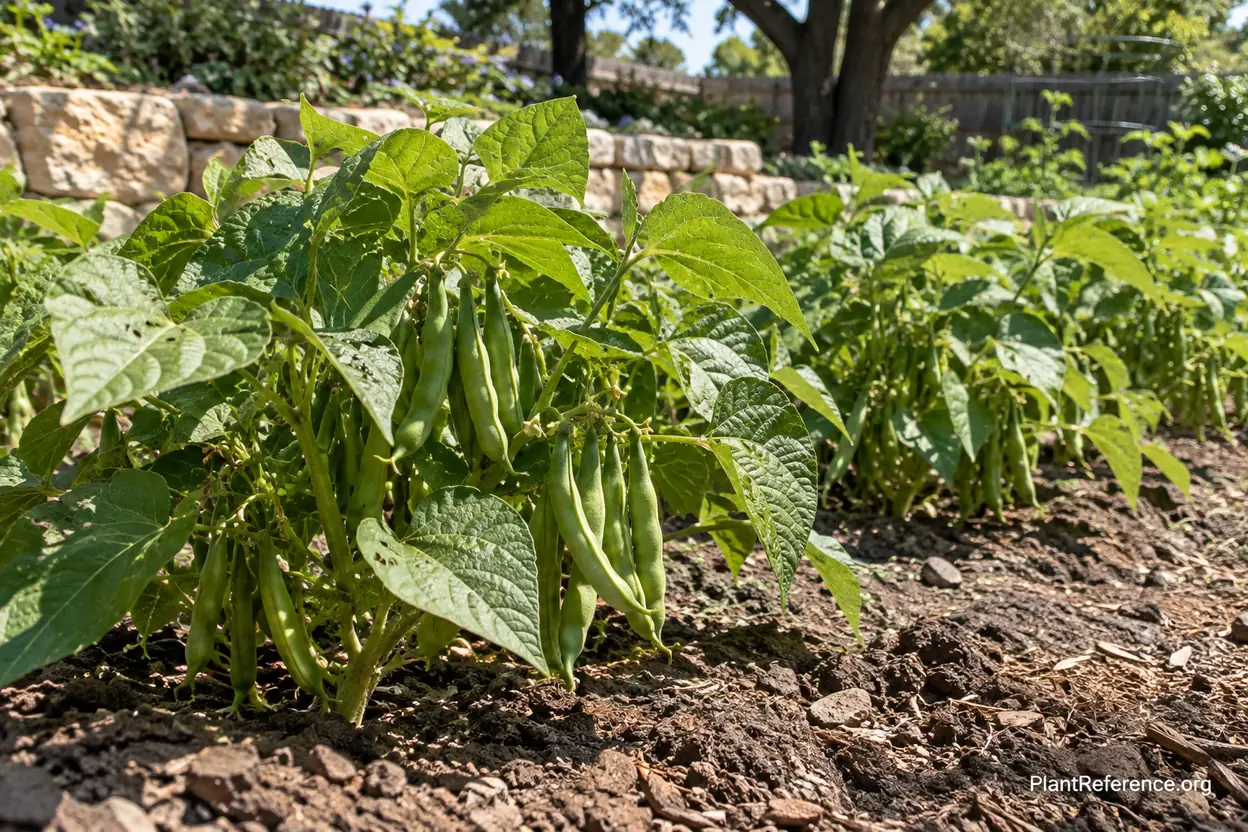
🌿Phaseolus vulgaris 'Dragon Tongue' produces stunning yellow pods with purple streaks but performs best during Austin's cooler months. Plant in March for May harvest or wait until September for October yields. The moderate heat tolerance means summer plantings often result in poor pod set.
🌿Phaseolus vulgaris 'Purple Queen' brings both visual appeal and practical benefits to Austin gardens. The deep purple pods stand out clearly against green foliage, making harvest easier during hot weather when you want to work quickly. The anthocyanin pigments that create the purple color also provide some natural sun protection.
Specific Planting Dates for Austin Texas
Austin's February 28 last frost date and November 29 first frost create a 274-day growing window that's the envy of northern gardeners. However, success depends on working with—not against—the Central Texas climate patterns.
Spring Planting Strategy (March 15 - May 1)
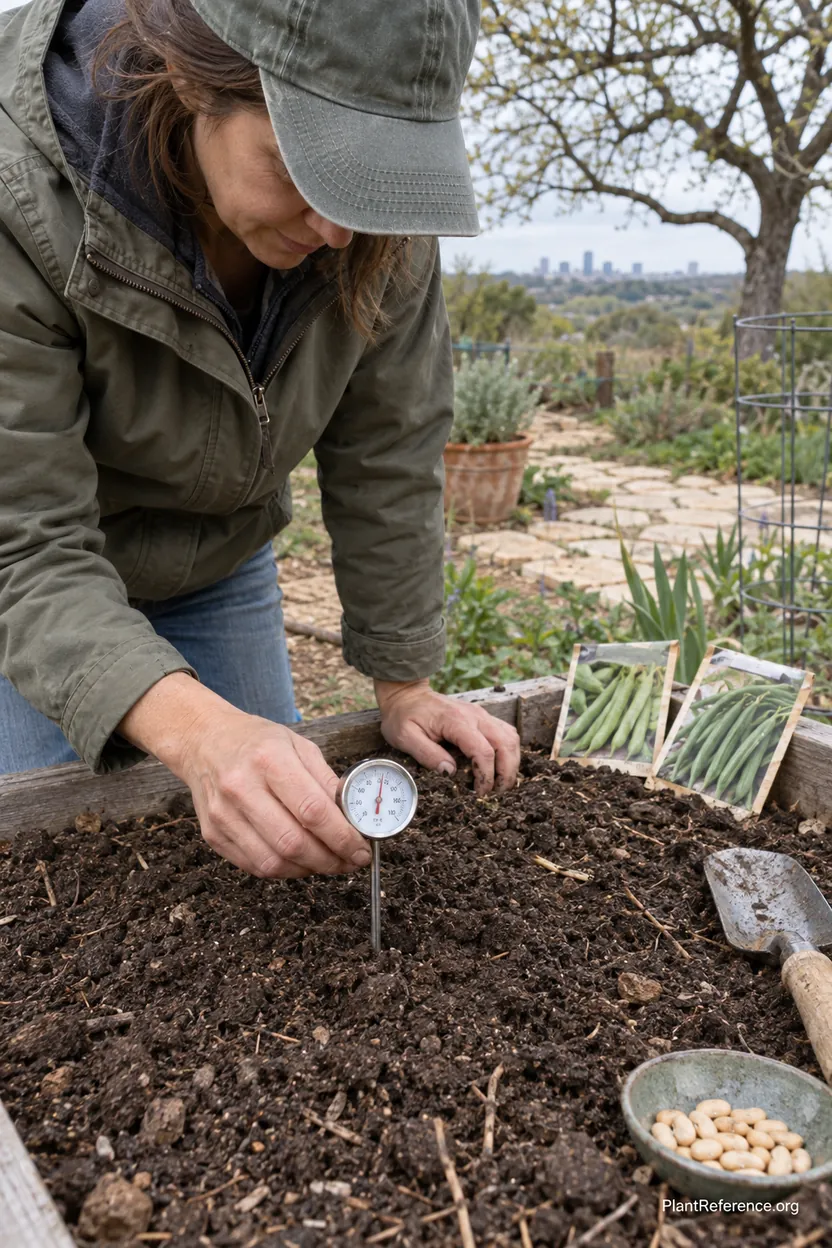
Start your first bean planting March 15 when soil temperature reaches a consistent 60°F (16°C). Soil thermometers are essential in Austin—air temperature can hit 80°F (27°C) while soil remains too cool at 55°F (13°C), leading to seed rot.
March 15-30: Plant 🌿Phaseolus vulgaris 'Provider' and 🌿Phaseolus vulgaris 'Kentucky Wonder' for the most reliable germination in cool soil. Both varieties tolerate fluctuating spring temperatures better than others.
April 1-15: Add 🌿Phaseolus vulgaris 'Roma II' and 🌿Phaseolus vulgaris 'Blue Lake' as soil temperature stabilizes above 65°F (18°C). This timing puts harvest in late May to early June before peak heat.
April 15-May 1: Final spring window for 🌿Phaseolus vulgaris 'Purple Queen' and 🌿Phaseolus vulgaris 'Dragon Tongue'. Later plantings risk flowering during June heat waves when pollen becomes sterile above 90°F (32°C).
Summer Break Strategy (June - August 14)
Austin's summer heat from mid-June through August creates challenging conditions for bean flowering and pod development. Daytime temperatures consistently above 95°F (35°C) and nighttime lows staying above 75°F (24°C) stress bean plants significantly.
During this period, focus on maintaining existing plantings with deep, infrequent watering and shade cloth protection. Any beans flowering in July and August often abort their flowers due to heat stress.
Fall Planting Window (August 15 - September 1)
Fall beans often outperform spring crops in Austin. Cooling temperatures in October and November create ideal conditions for flowering and pod development without the unpredictable freezes that worry northern gardeners.
August 15-20: Plant 🌿Phaseolus vulgaris 'Provider' for harvest starting October 5. This fast-maturing variety gives you the longest harvest window before first frost on November 29.
August 20-25: Add 🌿Phaseolus vulgaris 'Kentucky Wonder' pole beans. The 70-day maturity puts first harvest around November 1, with production continuing until frost.
August 25-September 1: Final window for 🌿Phaseolus vulgaris 'Roma II' and 🌿Phaseolus vulgaris 'Blue Lake'. Count backwards 65 days from November 29 to ensure harvest before frost damage.
Complete Growing Guide for Austin Zone 8b
Growing green beans successfully in Austin requires understanding the unique soil and water challenges of Central Texas. The alkaline clay soil and unpredictable rainfall patterns demand specific adaptations.
Soil Preparation for Austin Clay
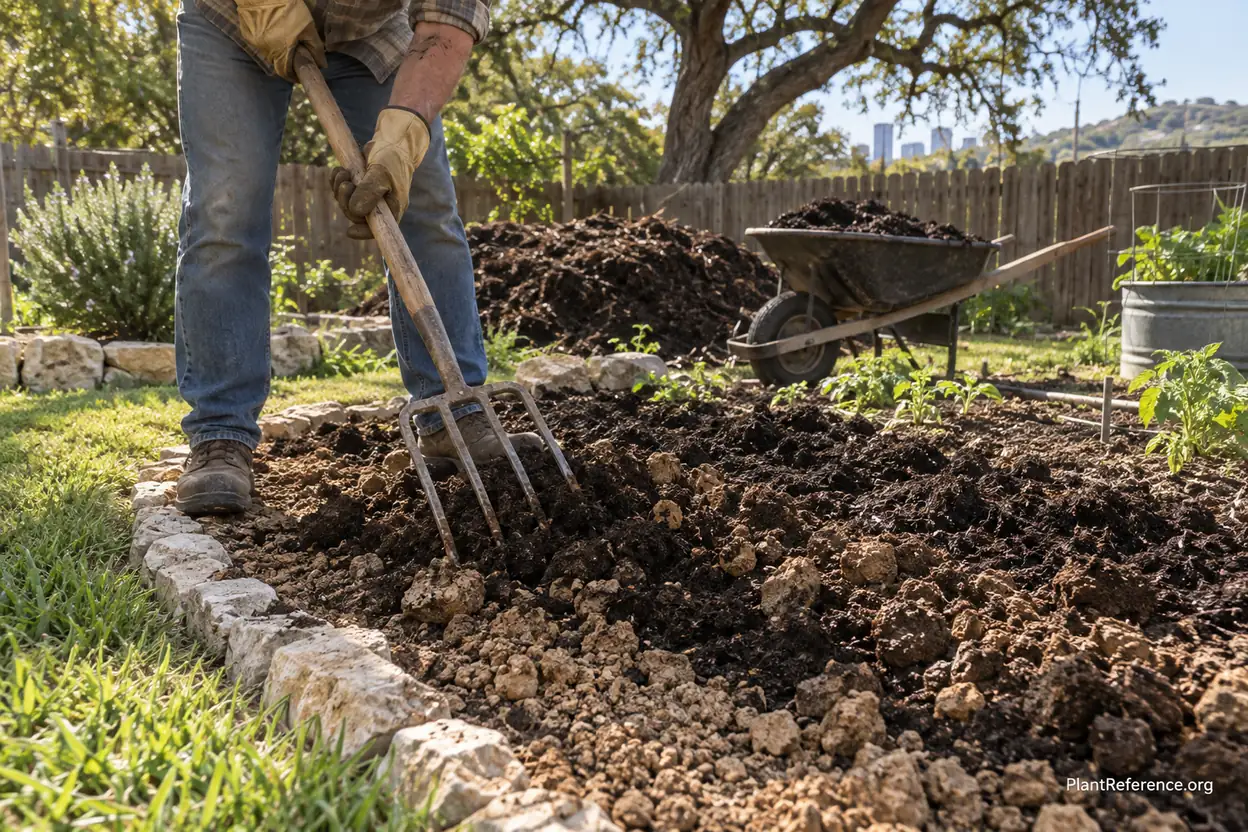
Most Austin gardens feature heavy clay soil with pH levels between 7.5-8.5. While beans prefer slightly acidic soil (pH 6.0-7.0), they adapt well to alkaline conditions with proper organic matter additions.
Work 2-3 inches (5-8 cm) of compost into clay soil before planting. The organic matter improves drainage while providing the slow-release nutrients beans need. Austin's clay holds water too long in spring, causing seed rot, but becomes brick-hard during summer droughts.
Consider raised beds for consistent drainage and soil temperature control. Even 6 inches (15 cm) of elevation improves germination rates dramatically in Austin's variable spring weather.
Watering Strategy for Central Texas
Austin's irregular rainfall—from spring floods to summer droughts—requires active irrigation management for consistent bean production. Install drip irrigation or soaker hoses before planting to avoid disturbing shallow bean roots later.
Beans need 1 inch (2.5 cm) of water weekly, but timing matters more than total amount. Water deeply twice weekly rather than daily shallow watering. Clay soil holds moisture longer than sandy soils, so check soil moisture at 3-inch (8 cm) depth before watering.
During Austin's common summer droughts, morning watering reduces evaporation losses. Mulch with 2 inches (5 cm) of shredded hardwood or grass clippings to conserve soil moisture and moderate soil temperature.
Supporting Pole Varieties in Austin Wind
Central Texas wind can damage unsupported pole beans, especially during spring thunderstorms. Install sturdy support systems before planting 🌿Phaseolus vulgaris 'Kentucky Wonder'.
Use 8-foot (2.4 m) cedar posts driven 2 feet (60 cm) deep for wind resistance. String lines or install netting between posts, allowing beans to climb without wind damage. Position supports to protect plants from prevailing southerly winds.
Troubleshooting Austin-Specific Problems
Austin's climate creates specific challenges that don't affect beans in other regions. Understanding these local issues helps you prevent problems before they start.
Heat Stress and Flower Drop
When temperatures exceed 90°F (32°C) during flowering, beans abort their blossoms to conserve energy. This is normal protective behavior, not a sign of plant failure.
Symptoms: Flowers form but drop off before setting pods. New flowers may have deformed or sterile pollen.
Solution: Provide afternoon shade using 50% shade cloth during heat waves. Water consistently to reduce additional stress. Plant heat-tolerant varieties like 🌿Phaseolus vulgaris 'Provider' for summer growing.
Mexican Bean Beetle Pressure
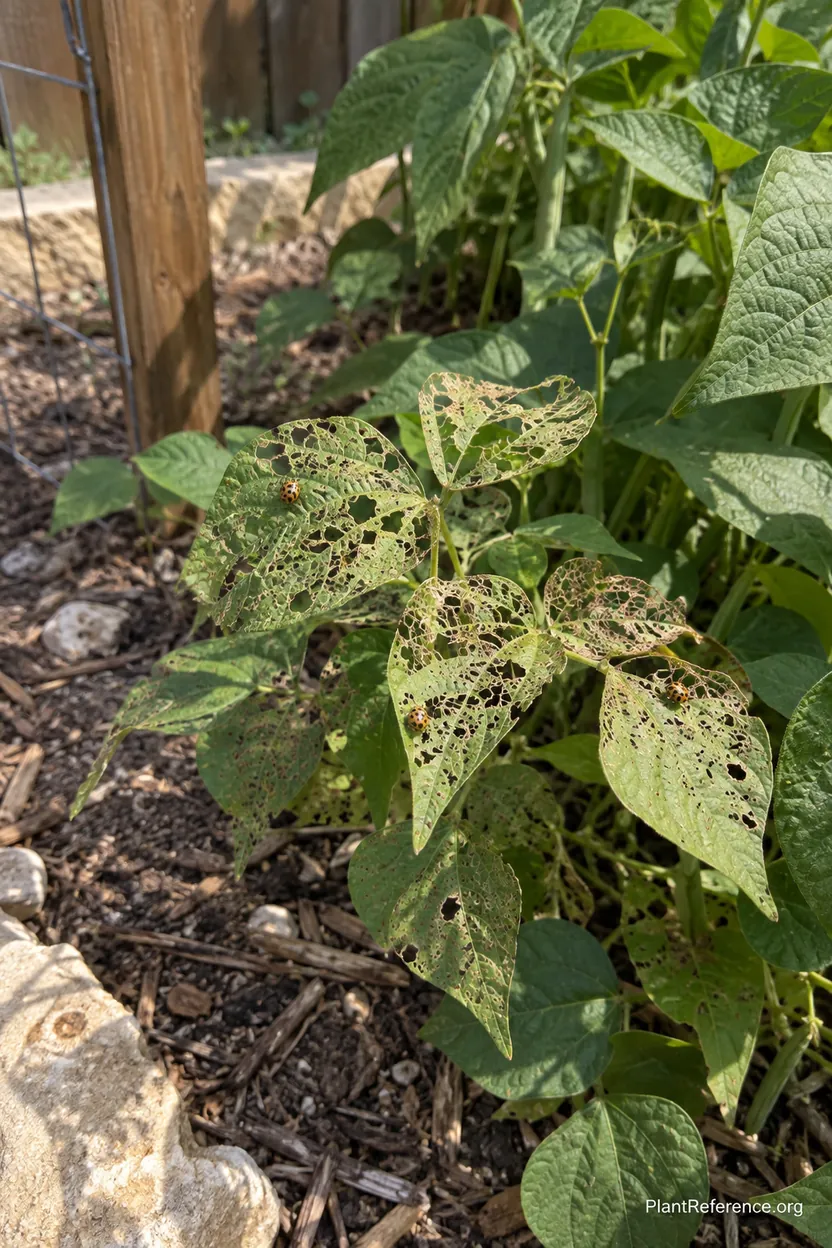
Austin's long growing season allows multiple generations of Mexican bean beetles Epilachna varivestis to develop, creating severe infestations by late summer.
Identification: Copper-colored beetles with black spots feeding on leaf undersides. Yellow, spiny larvae skeletonize leaves.
Management: Check plants weekly for egg clusters on leaf undersides. Remove manually or spray with Bt (Bacillus thuringiensis) when larvae are young. Row covers during early growth protect plants until they outgrow vulnerability.
Alkaline Soil Nutrient Deficiencies
Austin's high pH soil can lock up micronutrients, causing yellowing leaves despite adequate nitrogen from root nodules.
Symptoms: Interveinal chlorosis (yellowing between leaf veins) while veins remain green. Stunted growth despite good soil moisture.
Solution: Apply chelated iron foliar spray monthly during active growth. Add sulfur to gradually lower soil pH over multiple seasons. Avoid overliming—Austin soil rarely needs additional calcium.
Summer Drought Stress
Irregular summer rainfall combined with extreme heat creates severe drought stress, especially for shallow-rooted bush varieties.
Prevention: Install drip irrigation before planting. Mulch heavily to conserve soil moisture. Choose drought-tolerant varieties like 🌿Phaseolus vulgaris 'Provider' for summer plantings.
Recovery: Water deeply but infrequently to encourage deep root growth. Avoid nitrogen fertilizer during stress—it forces new growth the plant can't support.
Harvest & Storage in Central Texas
Austin's warm climate extends harvest seasons but also accelerates pod development. Timing harvest correctly is crucial for maintaining bean quality in hot weather.
Optimal Harvest Timing
Pick beans every 2-3 days once harvest begins. Austin heat causes pods to mature rapidly—beans that are perfect Monday morning may be tough and stringy by Wednesday evening.
Harvest early in the morning when pods are crisp and full of moisture. Evening harvest in 90°F+ (32°C) heat often yields wilted, poor-quality beans.
For 🌿Phaseolus vulgaris 'Provider' and other bush varieties, expect concentrated harvest over 2-3 weeks. Pole varieties like 🌿Phaseolus vulgaris 'Kentucky Wonder' produce continuously with regular picking.
Preservation in Hot Weather
Austin's heat accelerates post-harvest deterioration. Cool harvested beans immediately in ice water, then refrigerate at 40°F (4°C) within 2 hours of picking.
For long-term storage, blanch beans in boiling water for 3 minutes, then freeze in labeled containers. Austin's long growing season allows multiple harvests for year-round preservation.
Process beans the same day as harvest when possible. Quality deteriorates rapidly in hot weather—what takes 3 days to spoil in Minnesota happens overnight in August Austin heat.
Frequently Asked Questions
Three daily games
Can you name a plant on sight?
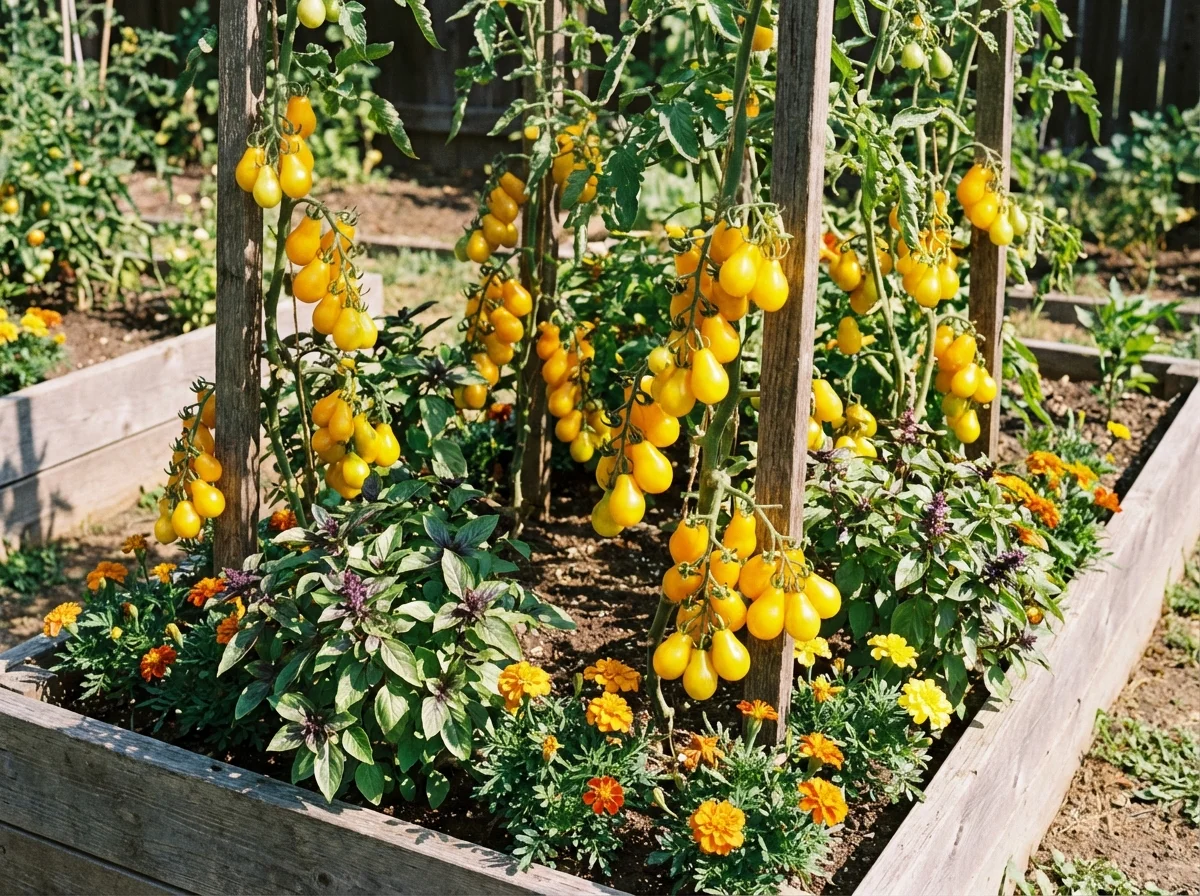
Saturday’s specimenSolanum lycopersicum 'Yellow Pear'Reading about plants and recognising them are different skills. These three build the second.
- Daily PlantIdentify the day’s mystery plant from a close-up photograph.
- Keyed OutWork a dichotomous key, lead by lead, to name a hidden specimen.
- Name That PlantName a specimen from botanical clues dealt hardest first.
Free to play, no account needed
Tagged with
Dot grew up on a small farm in rural Virginia and has maintained a vegetable garden for decades. After retiring from teaching elementary school, she became a Master Gardener volunteer and spends her time mentoring new gardeners at community garden plots in Richmond. She's especially knowledgeable about heirloom varieties, seed saving, and traditional growing methods passed down from her grandmother. Dot's no-nonsense advice comes from extensive trial and error—she's seen every tomato disease, pest problem, and weather disaster imaginable. Her biggest pet peeve is gardeners who overcomplicate simple tasks. "Plants want to grow," she often says. "Your job is to not get in their way."