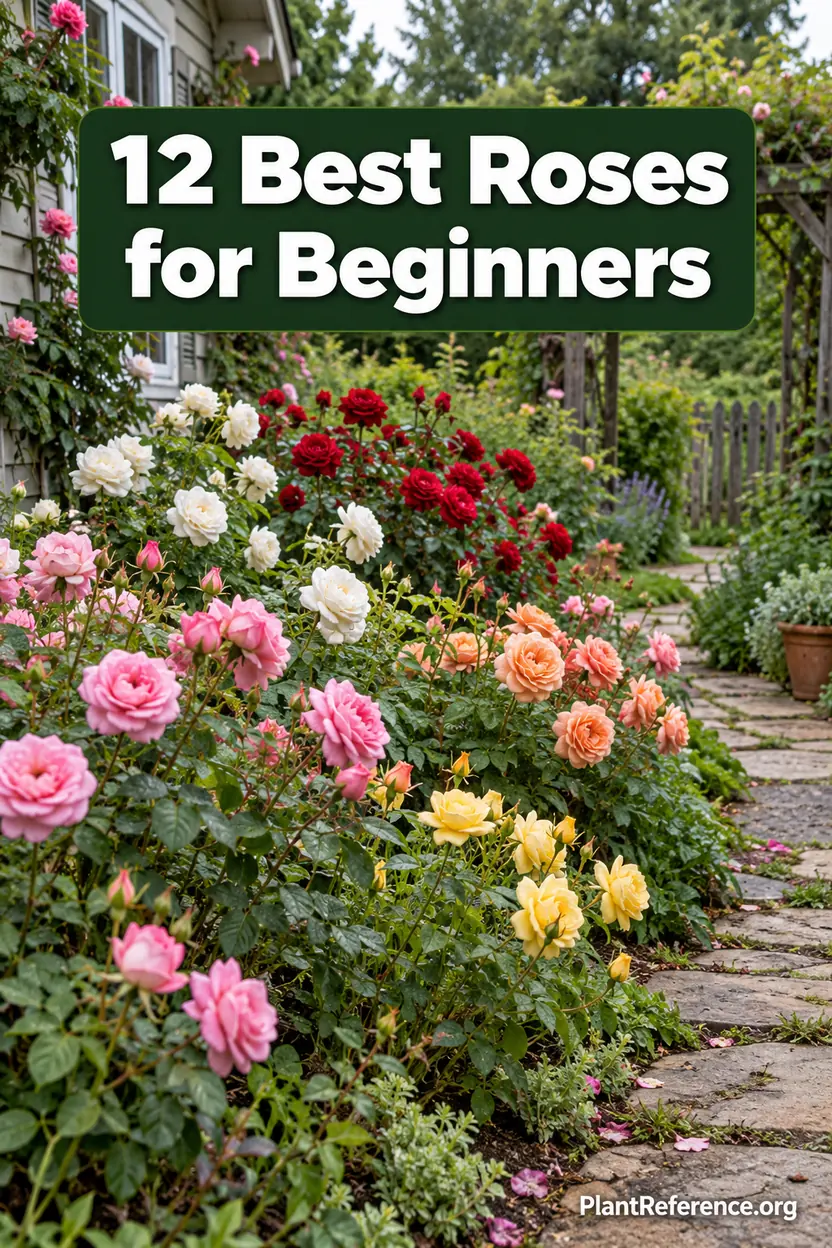
Best Roses for Beginners: 12 Low-Maintenance Picks
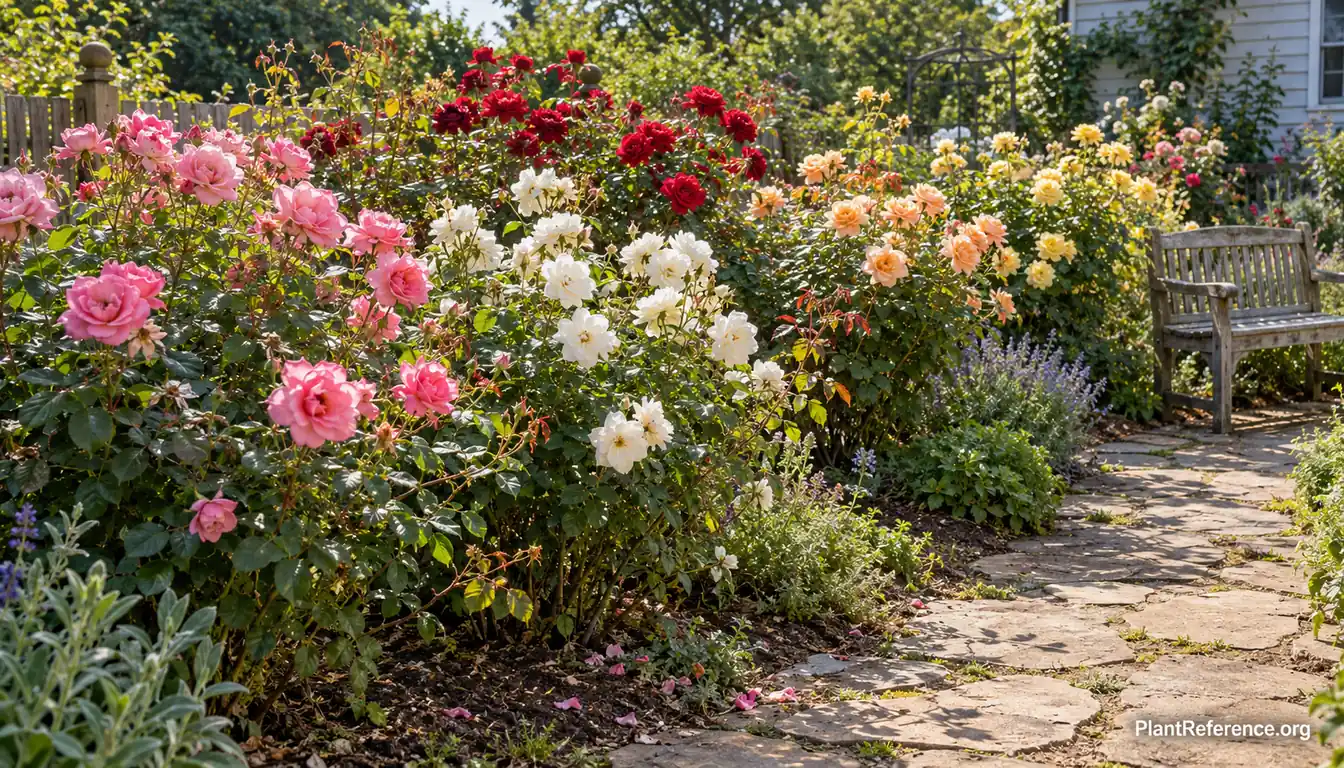
— Image © PlantReference.org 2026
Pets & Toxicity
Recorded toxicity for plants linked in this guide. An unknown status is not a safety assessment.
No linked plant is recorded as toxicDetailsHide
The best roses for beginners are not the plants that look flawless on a nursery tag. They are the roses that recover from an imperfect pruning cut, tolerate a missed deadheading session, resist common leaf diseases, and survive the local winter. Garden roses Rosa spp. (ROH-zuh) still need sunlight, drainage, and water, but the right cultivar does not make every minor mistake expensive.
How These Beginner Roses Were Ranked
I ranked these roses the way I would help a first-time customer at a family garden center: health first, hardiness second, then repeat bloom, manageable growth, and flower quality. No rose thrives on literal neglect. Each selection needs at least six hours of direct sun, well-drained soil near pH 6.0-6.8, and deep watering during establishment.
The list deliberately includes several rugosas because they tolerate cold, salt, and modest care unusually well. It also includes landscape shrubs, floribundas, Canadian-bred roses, and two English roses with strong disease reputations. Check local invasive-plant guidance before planting species-derived rugosas near natural areas. For a broader comparison of easy landscape classes, see Best Low-Maintenance Roses for Busy Gardeners.
Rank | Cultivar | Best quality | Typical hardiness |
|---|---|---|---|
1 | Rosa rugosa 'Hansa' | Extreme toughness | Zones 2-7 |
2 | Repeat landscape color | Zones 4-9 | |
3 | Rosa 'Therese Bugnet' | Winter survival | Zones 2-7 |
4 | Rosa 'Iceberg' | Healthy white clusters | Zones 4-10 |
5 | Rosa 'The Fairy' | Compact pink display | Climate dependent |
6 | Rosa 'Carefree Beauty' | Heat and cold adaptability | Climate dependent |
7 | Rosa rugosa 'Fru Dagmar Hastrup' | Compact rugosa habit | Zones 2-8 |
8 | Rosa rugosa 'Blanc Double de Coubert' | Fragrant white flowers | Zones 3-7 |
9 | Rosa 'Morden Blush' | Refined cold-hardy blooms | Cold-climate selection |
10 | Rosa 'William Baffin' | Cold-hardy climbing | Cold-climate selection |
11 | Rosa 'Lady of Shalott' | Apricot English form | Verify locally |
12 | Rosa 'Olivia Rose Austin' | Pink English form | Verify locally |
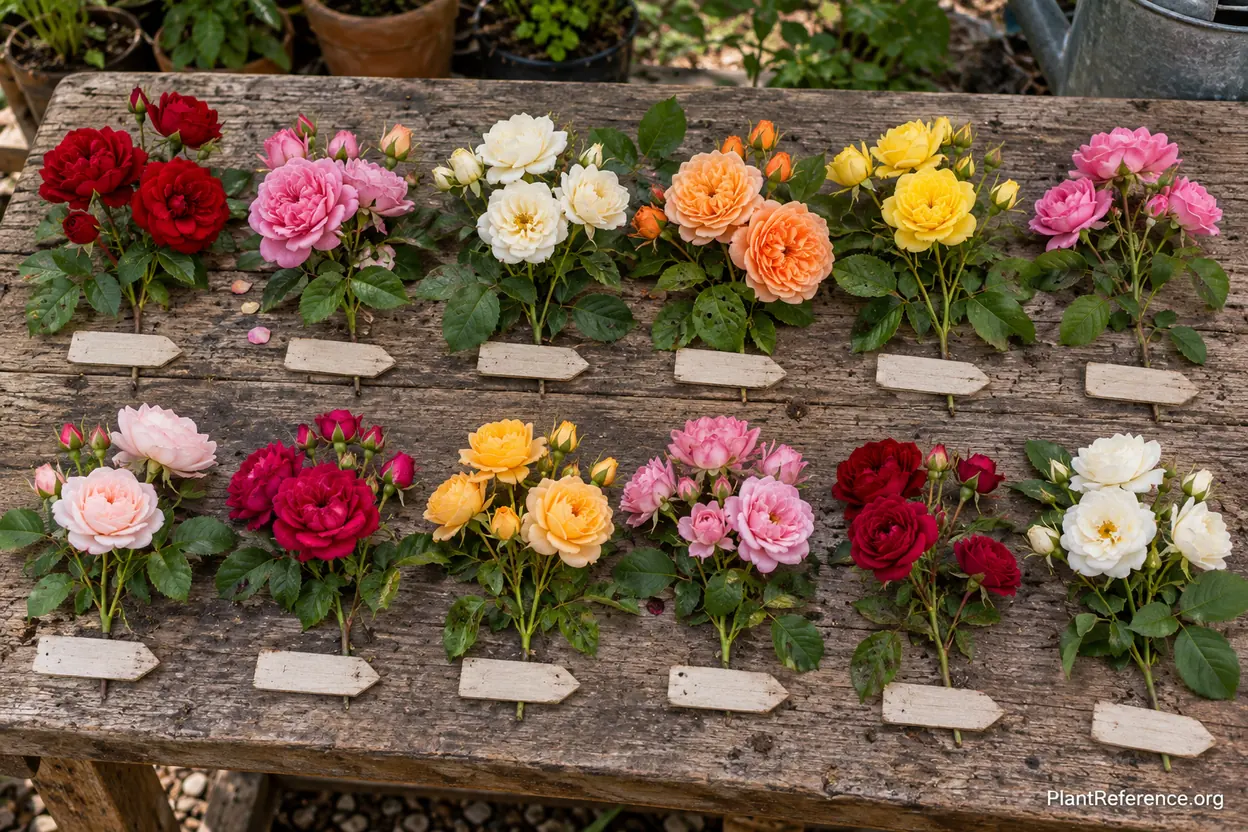
1. Rosa rugosa 'Hansa': Toughest Overall
Rosa rugosa 'Hansa' is my first recommendation when survival matters more than exhibition form. It is hardy in Zones 2-7 and inherits the rugosa group's tolerance of cold, salt, and common rose diseases. Its fragrant magenta flowers are followed by hips if spent blooms remain. Pruning is mostly corrective: remove damaged wood and contain unwanted spread rather than forcing a formal hybrid-tea shape.
Rugosa foliage is naturally crinkled and substantial. Do not treat that texture as disease. Give the shrub room, and avoid placing it where thorny stems will crowd a narrow walk. Growing Rugosa Roses in Pacific Northwest Gardens explains the class in more detail.
2. 🌿Rosa 'Radrazz': Easiest Repeat Color
The original Knock Out rose, 🌿Rosa 'Radrazz', gives beginners repeat red-pink bloom, a self-cleaning habit, and strong black-spot resistance in Zones 4-9. It is resistant, not immune. Crowded plants, overhead irrigation, and infected fallen leaves can still create trouble. Black Spot on Roses: Identification and Treatment helps separate normal aging from a genuine outbreak.
Prune an established plant to about 12 inches (30 cm) in late winter or early spring if a compact reset is needed. Rose rosette disease can infect this cultivar, so distorted witches'-broom growth requires diagnosis rather than another spray.
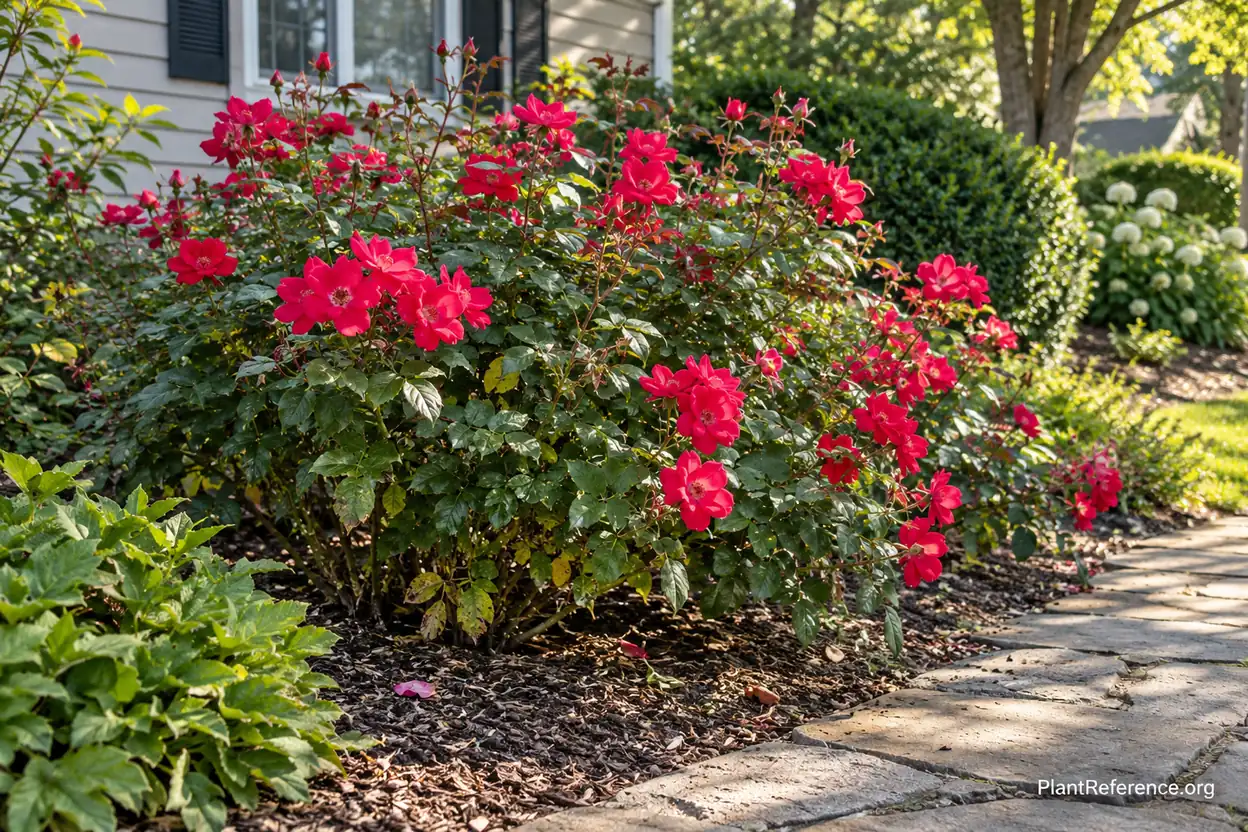
3. Rosa 'Therese Bugnet': Best for Harsh Winters
Rosa 'Therese Bugnet' is a Zone 2-7 rugosa hybrid valued where winter routinely exposes weak canes. Its pink flowers and strong shrub framework make it more garden-like than a purely utilitarian windbreak. It is an especially sensible first rose when a gardener is tired of replacing marginally hardy plants every spring.
4. Rosa 'Iceberg': Best White Floribunda
Rosa 'Iceberg' brings clusters of white flowers and exceptional disease resistance to a broad Zone 4-10 range. As a floribunda, it produces flowers in clusters rather than the long individual cutting stems associated with hybrid teas. That trade gives beginners more garden color with less pressure to produce a perfect specimen bloom.
5. Rosa 'The Fairy': Best Small Landscape Rose
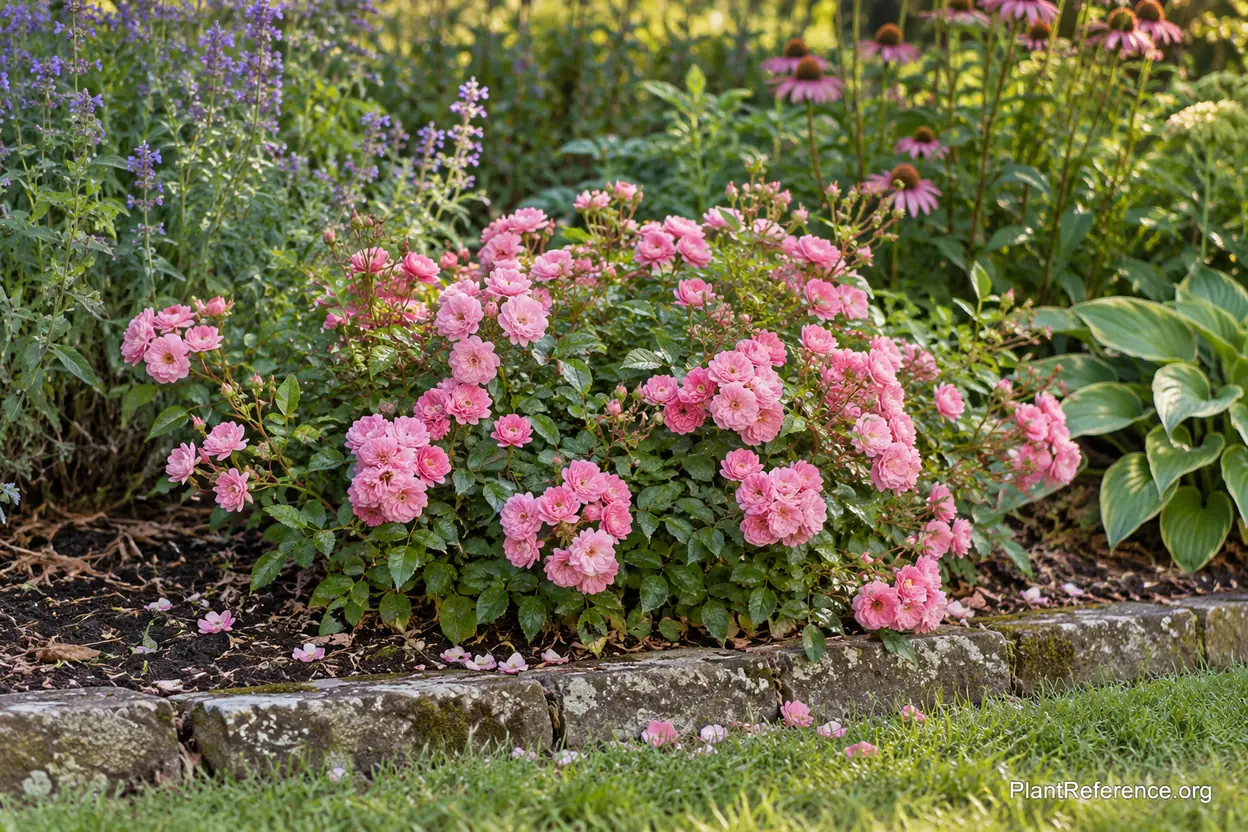
Rosa 'The Fairy' is a compact, dependable landscape rose with masses of small pink flowers. Its scale suits the front of a mixed border, a low flowering hedge, or a large container where a full-size shrub would overwhelm the space. Confirm mature size and hardiness on the current nursery label because local performance and rootstock can vary.
6. Rosa 'Carefree Beauty': Best Buck Rose
Rosa 'Carefree Beauty' represents the practical breeding work of Griffith Buck: a shrub selected for garden resilience rather than greenhouse perfection. It offers pink flowers and adaptability for gardeners who want a traditional rose look without hybrid-tea demands. Ask a local independent nursery about regional winter survival, because the research supports its toughness but does not provide one universal zone range.
7. Rosa rugosa 'Fru Dagmar Hastrup': Best Compact Rugosa
Rosa rugosa 'Fru Dagmar Hastrup' is hardy in Zones 2-8 and stays more compact than many vigorous rugosas. Single pink flowers allow easy access for pollinators, and decorative hips extend interest beyond bloom. Choose it where toughness is welcome but a large thicket is not. As with every rugosa, monitor suckers and local ecological guidance.
8. Rosa rugosa 'Blanc Double de Coubert': Best Fragrant White
Rosa rugosa 'Blanc Double de Coubert' combines fragrant, semi-double white flowers with Zone 3-7 hardiness. It gives beginners an old-fashioned scent without demanding the precise spraying and winter protection often associated with white hybrid teas. White petals show weather damage quickly, so allow good airflow and accept that rain-spotted blooms are cosmetic, not plant failure.
9. Rosa 'Morden Blush': Best for Cold-Climate Flower Form
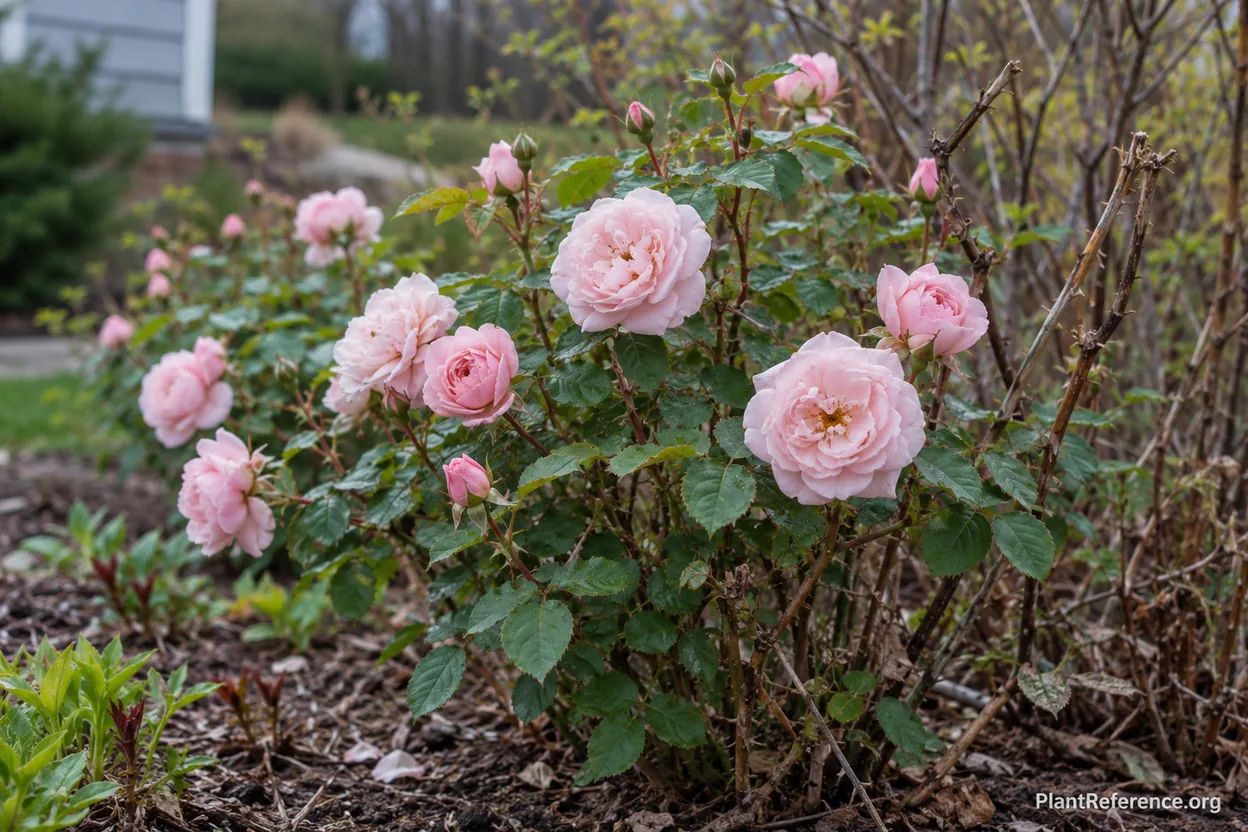
Rosa 'Morden Blush' is a Canadian Parkland rose bred for cold climates. Its pale pink, many-petaled flowers provide a refined look on a plant selected for tougher winters. It is a good bridge for beginners who want classic flower form but should not gamble on a marginal hybrid tea.
10. Rosa 'William Baffin': Best Easy Climber
Rosa 'William Baffin' is a cold-hardy Canadian Explorer rose for a fence or sturdy trellis. Its vigor is an advantage only when there is room to tie the long canes. Roses do not attach themselves, so this is not a plant-and-forget climber. Use Climbing Roses: Planting, Training, and Pruning Guide to build the framework correctly.
11. Rosa 'Lady of Shalott': Best Apricot English Rose
Rosa 'Lady of Shalott' gives beginners the cupped apricot flowers associated with David Austin roses along with excellent disease resistance and useful cold hardiness. It needs more thoughtful siting than a rugosa but rewards gardeners who want formal flower shape. Best English Roses for Pacific Northwest Gardens compares it with other English selections.
12. Rosa 'Olivia Rose Austin': Best Pink English Rose
Rosa 'Olivia Rose Austin' is the pink-flowered English option on this list, selected for outstanding disease resistance. It is a reasonable first step into densely petaled roses when a gardener values form and fragrance but wants to avoid the weakest older cultivars. Verify hardiness and mature size locally before buying.
What Beginners Should Avoid
Hybrid teas are beautiful, but they are rarely the easiest first rose. Many are disease prone, often hardy only in Zones 5-10, and may need precise pruning, regular deadheading, winter protection, and a spray program in humid climates. Begin with a resilient shrub, learn how roses behave in your garden, and add a hybrid tea later if its individual flowers justify the work.
Do not buy a rose solely because the tag says "easy care." Check the botanical cultivar name, zone rating, mature dimensions, and disease notes. Bare-Root vs Container Roses: Which Should You Buy? explains the stock choices, while Best Disease-Resistant Roses for the Pacific Northwest shows why resistance still matters after purchase.
Give an Easy Rose a Fair Start
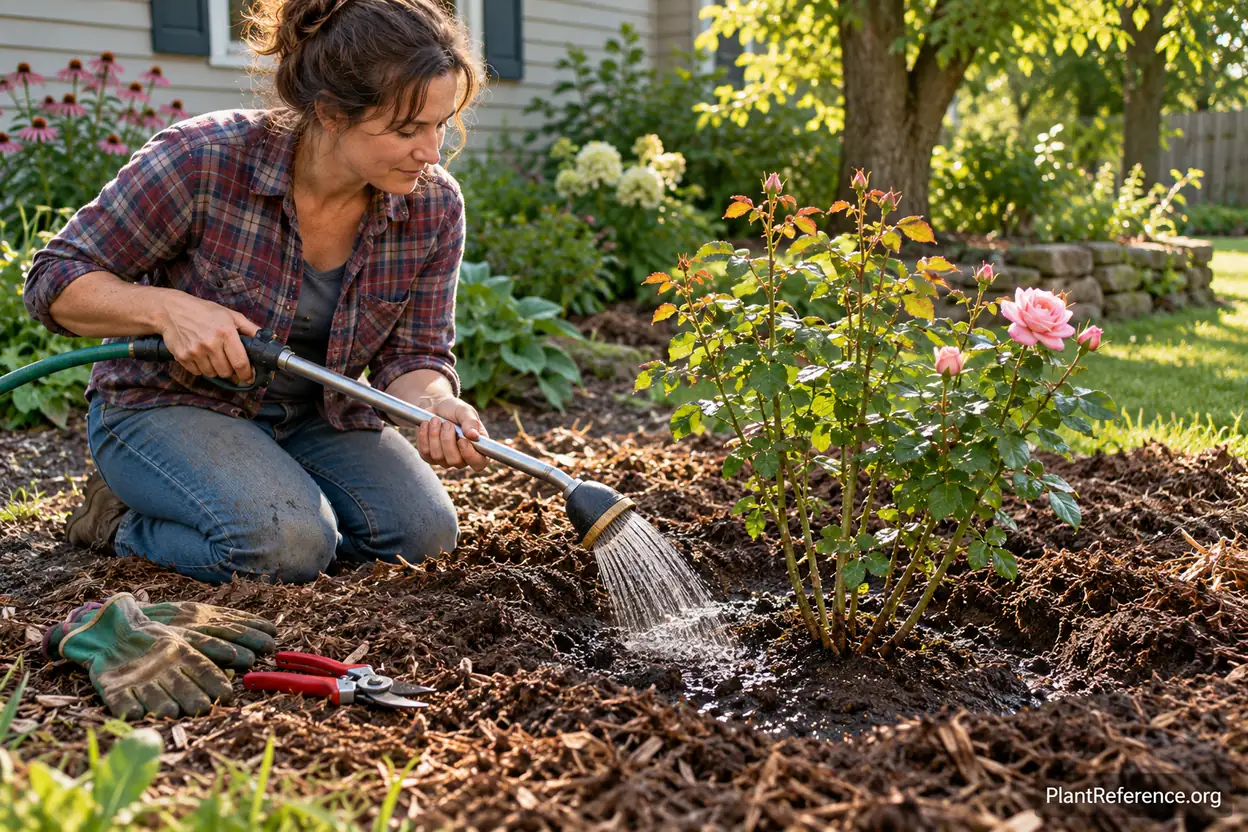
Plant in full sun with drainage, spread the roots into native soil, and water deeply at the root zone. Keep mulch away from the canes. A soil test is more useful than guessing at fertilizer; Best Soil Test Kits for Home Gardeners and Best Fertilizers and Organic Amendments for Roses provide practical comparisons. After flowering begins, How to Deadhead Roses for More Blooms explains which roses benefit and which self-clean.
My practical first choice is Rosa rugosa 'Hansa' where its size and thorns fit. Choose 🌿Rosa 'Radrazz' when repeat landscape color matters more, or Rosa 'Olivia Rose Austin' when classic flower form is the priority. The right beginner rose is not universally effortless; it is a healthy cultivar whose climate, mature size, and maintenance needs match the gardener's actual site.
Frequently Asked Questions
Reading about plants and recognising them are different skills. These three build the second.
- Daily PlantIdentify the day’s mystery plant from a close-up photograph.
- Keyed OutWork a dichotomous key, lead by lead, to name a hidden specimen.
- Name That PlantName a specimen from botanical clues dealt hardest first.
Free to play, no account needed
Tagged with
Bill is a third-generation nurseryman who runs a small family garden center on the outskirts of Kansas City. His grandfather started the business in the 1960s, and Bill took over after working as an ag teacher for a decade. He knows the plants that work in the Kansas City area better than anyone—he's grown most of them himself and watched customers succeed or fail with the rest. Bill specializes in trees and shrubs for the Midwest, perennial borders that handle the region's hot summers and cold winters, and helping customers make sensible choices rather than impulse buys. He writes the way he talks to customers: patient, knowledgeable, and honest about what's worth the money and what isn't.