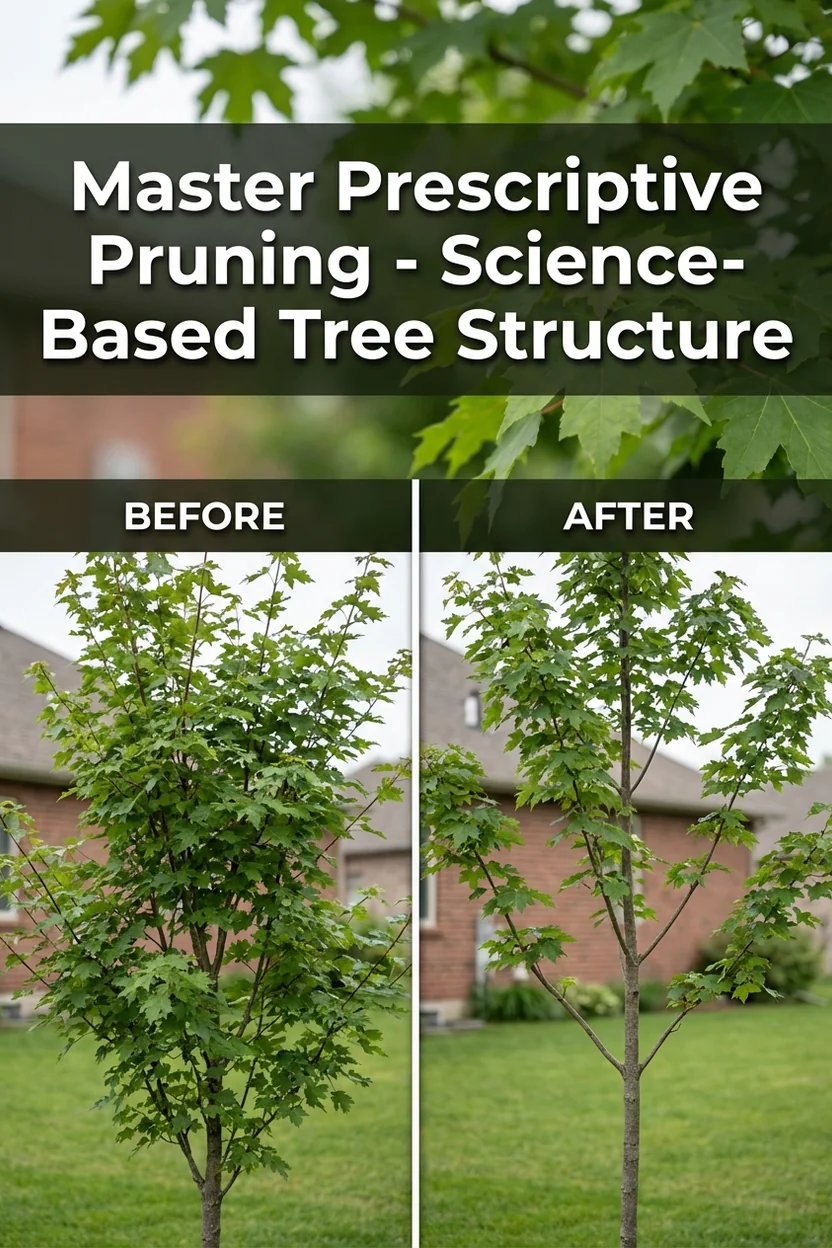
Prescriptive Pruning: The PPQ Model for Structural Tree Care
Pets & Toxicity
Recorded toxicity for plants linked in this guide. An unknown status is not a safety assessment.
Toxic to pets: Sadler's oakDetailsHide
Quercus sadleriana — Toxicity Warning
Toxic when leaves or acorns are eaten in quantity, especially by horses and grazing livestock; human ingestion toxicity is generally low.View Quercus sadleriana plant profilePicea orientalis 'Aureospicata' — Toxicity
Non-toxicView Picea orientalis 'Aureospicata' plant profile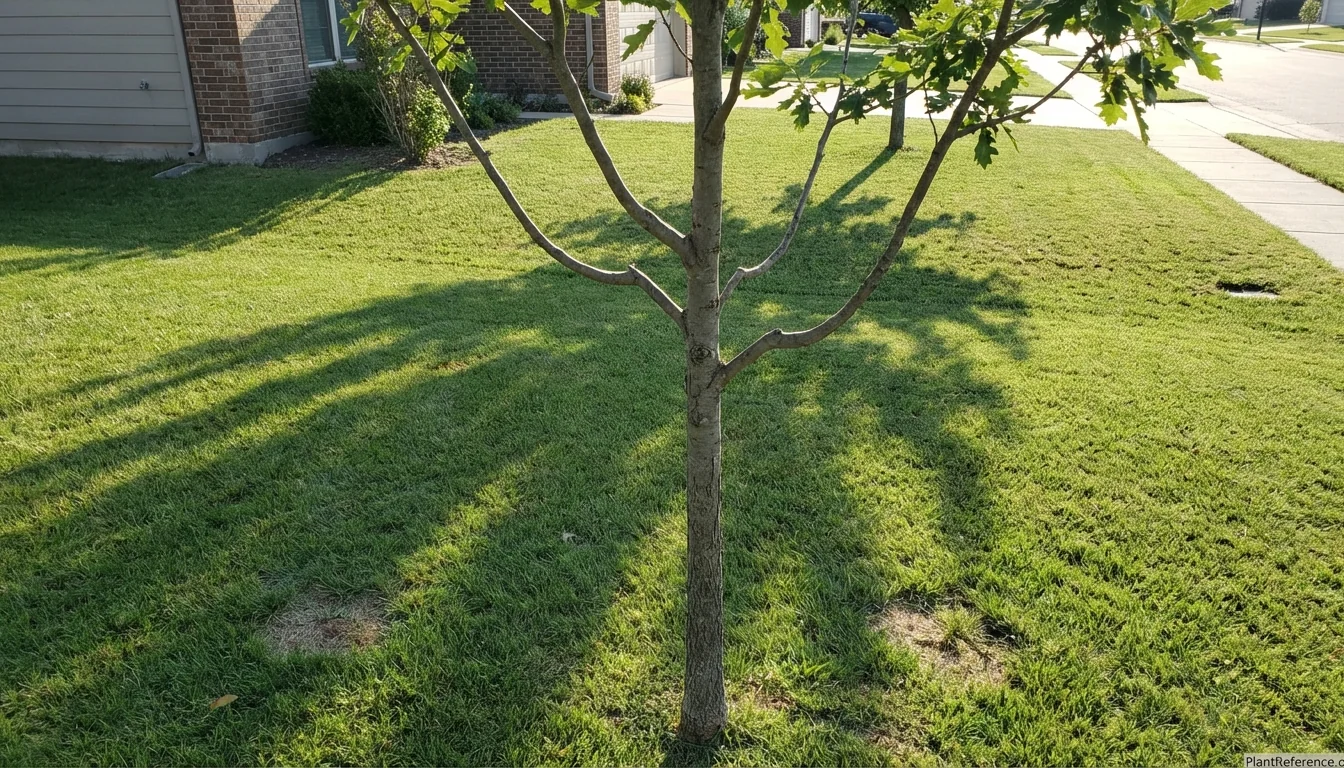
— Image © Plant Reference 2026
The days of generic "tree trimming" are ending. Modern arboriculture has evolved toward prescriptive pruning—a science-based approach that develops specific, written plans for each tree's structural development. Rather than sending crews to "clean up" trees reactively, prescriptive pruning creates 15-year roadmaps that shape urban-compatible architecture from the start.
What is Prescriptive Pruning?
Prescriptive pruning represents a fundamental shift from reactive maintenance to proactive tree asset management. Instead of waiting for problems to develop, this approach creates detailed, site-specific plans that guide a tree's structural development over its first 15-20 years of life.
The concept emerged from Dr. Ed Gilman's research at the University of Florida, which demonstrated that young tree training prevents costly problems later. A single co-dominant stem failure on a mature tree can cost $3,000-8,000 to remediate, while preventive structural pruning during establishment costs $150-400.
Traditional pruning often follows generic patterns—"thin the crown," "raise for clearance," "remove dead wood." Prescriptive pruning, by contrast, analyzes each tree's specific situation: proximity to buildings, utility lines, pedestrian traffic patterns, species growth habits, and soil conditions. The resulting prescription reads like a medical treatment plan, with specific objectives, measurable outcomes, and follow-up schedules.
Key characteristics of prescriptive pruning include:
Written specifications for each pruning operation
Measurable objectives (specific branch diameter limits, clearance heights)
Multi-year development timeline with defined milestones
Species-specific techniques based on natural growth patterns
Integration with site constraints (buildings, utilities, walkways)
Documentation of progress toward architectural goals
The approach recognizes that trees, like any infrastructure asset, require planned maintenance rather than crisis intervention. Municipal forestry departments using prescriptive methods report 30-40% reductions in emergency calls and significantly extended tree lifespans.
The PPQ Model: Prescriber vs Producer Roles
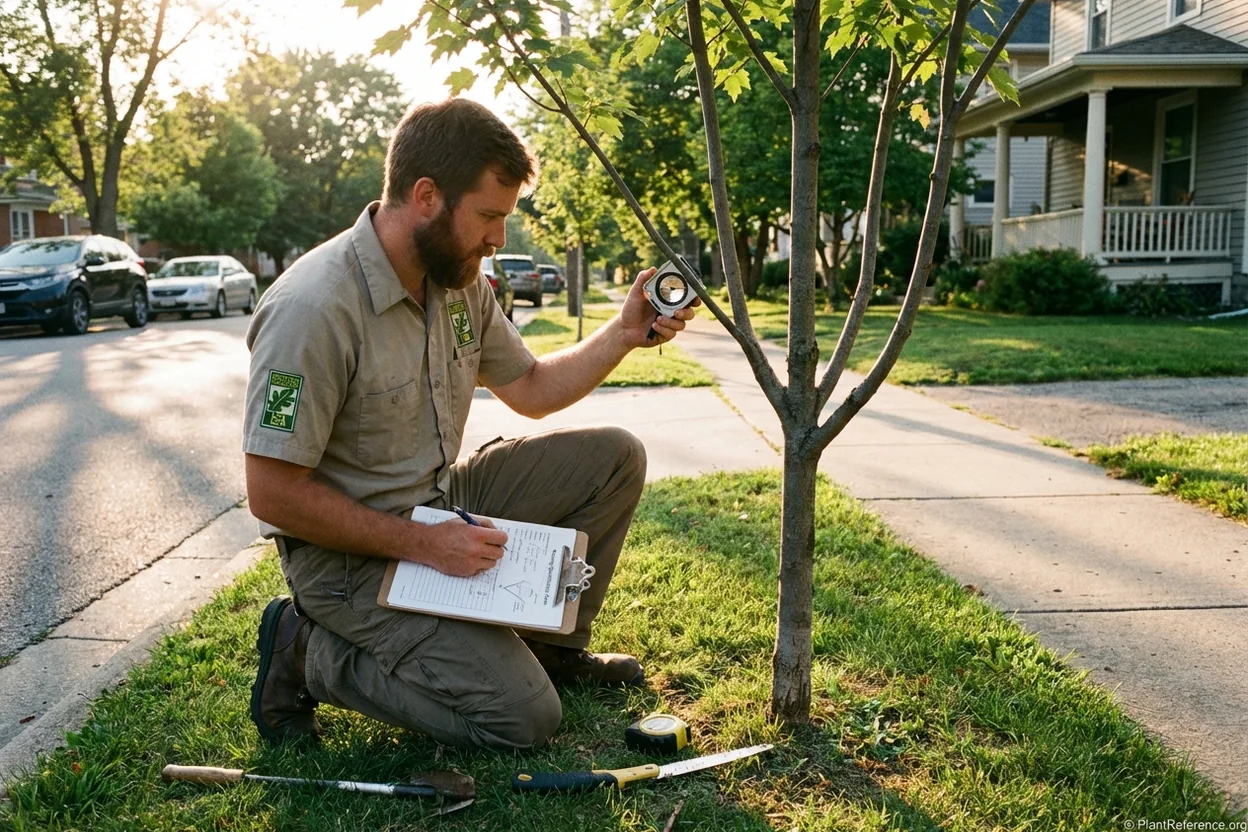
The Prescription Pruning Qualification (PPQ) system, developed through collaboration between the International Society of Arboriculture and university researchers, establishes clear role definitions that improve both quality and efficiency in tree care operations.
The Prescriber Role
Prescribers must hold ISA Certified Arborist credentials with additional training in tree architecture and species-specific growth patterns. Their responsibilities include:
Site Assessment and Analysis: - Evaluating soil conditions, drainage, and root space limitations - Measuring clearance requirements for buildings, utilities, and traffic - Analyzing species-specific growth patterns and mature size projections - Assessing existing structural defects or training needs
Prescription Development: - Writing specific pruning objectives with measurable outcomes - Establishing multi-year development timelines - Specifying branch retention criteria (diameter, angle, spacing) - Defining seasonal timing windows for optimal wound response - Creating priority rankings for budget allocation
Quality Control: - Post-pruning inspection to verify prescription compliance - Documentation of progress toward architectural objectives - Adjustment of future prescriptions based on tree response - Communication with property owners about long-term expectations
The prescriber's expertise lies in understanding how pruning cuts will influence long-term tree development. This requires knowledge of apical dominance, compartmentalization biology, species-specific wound closure rates, and the biomechanics of branch attachment strength.
The Producer Role
Producers are skilled climbing arborists or bucket operators who implement prescriptions using refined cutting techniques. Their focus is precision execution rather than decision-making about which branches to remove.
Technical Execution: - Making precise cuts at specified locations using proper technique - Understanding branch collar biology for optimal wound closure - Using appropriate equipment for different cut sizes and locations - Following safety protocols during aerial operations
Quality Implementation: - Following written specifications exactly as prescribed - Documenting any deviations or unforeseen conditions - Maintaining cut quality standards for rapid compartmentalization - Completing work within specified timeframes
This role separation prevents the common problem of production crews making architectural decisions in the field without full site context. Research shows that teams using the PPQ model achieve 40% better long-term structural outcomes compared to traditional approaches.
Urban-Compatible Tree Architecture
Urban environments place unique demands on tree structure. Unlike forest trees that grow tall and narrow in competition for light, urban trees must develop broad, low crowns that provide shade while avoiding conflicts with infrastructure.
Structural Objectives
The primary goal of prescriptive pruning is developing what researchers term "urban-compatible architecture"—branch structure that can be easily maintained for clearance while retaining structural integrity and aesthetic value.
Central Leader Dominance: The central trunk must maintain apical dominance throughout the tree's development. Co-dominant stems create weak attachment points prone to failure. Prescriptive pruning systematically removes competing leaders while the tree is young, when cuts heal quickly and energy redirection is minimal.
Scaffold Branch Selection: Permanent scaffold branches should emerge from the trunk at 18-24 inch (45-60 cm) vertical intervals, with no two branches originating at the same height. Branch diameter at attachment should not exceed 1/3 the trunk diameter—larger branches create weak attachment points.
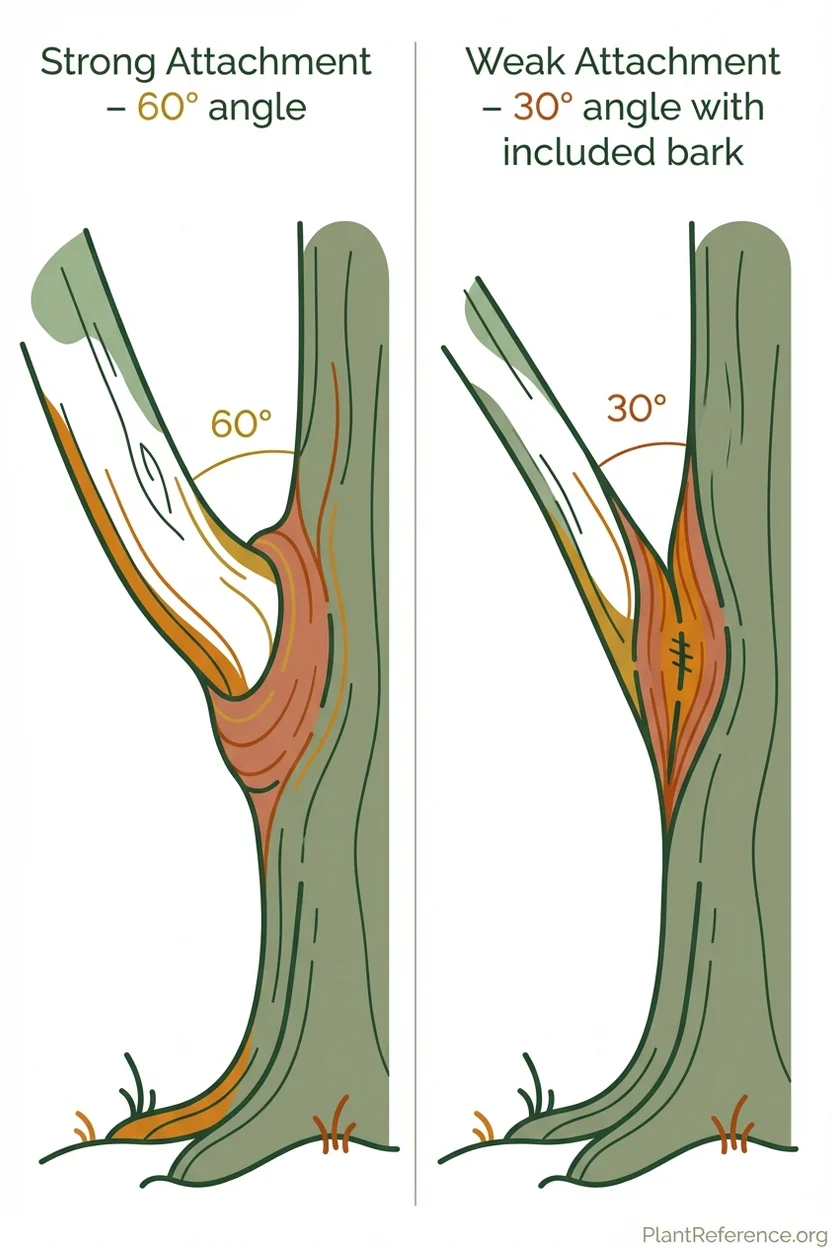
U-Shaped Attachments: Strong branch attachments form U-shaped angles rather than narrow V-shapes. Branches emerging at 45-90 degree angles develop better mechanical strength than those with acute angles. Prescriptive pruning favors branches with naturally wide attachment angles.
Crown Raising Strategy: Rather than removing large lower branches all at once, prescriptive pruning raises crowns gradually over multiple years. The 2/3 live crown ratio must be maintained—if a tree is 15 feet (4.5 m) tall, the lowest live branches should be no higher than 5 feet (1.5 m) from the ground.
Clearance Integration: Urban trees require specific clearances: 8 feet (2.4 m) over sidewalks, 14 feet (4.3 m) over streets. Rather than achieving these clearances through heavy pruning of mature trees, prescriptive approaches gradually train young trees to develop appropriate crown height.
Species-Specific Architecture
Different species require modified approaches to achieve urban compatibility:
Oaks 🌿Quercus sadleriana species naturally develop strong scaffold branch systems and respond well to central leader training. They compartmentalize wounds effectively and tolerate moderate structural pruning.
Maples 🌿Acer palmatum species tend toward co-dominant stems and require early intervention to establish single leaders. They have vigorous wound response but are prone to decay if pruned during active sap flow.
Elms 🌿Ulmus procera develop naturally vase-shaped crowns that work well in urban settings but require careful scaffold branch selection to prevent narrow crotch angles.
Lindens 🌿Tilia americana are extremely responsive to pruning and will readily develop whatever architecture is encouraged through selective removal.
Each species prescription must account for natural growth habits, wound closure characteristics, and seasonal timing requirements for optimal response.
Biological Constraints and Timing
Understanding the biological limits of tree response to pruning is crucial for developing effective prescriptions that promote health rather than stress.
Foliage Removal Limits
The most critical constraint in prescriptive pruning is the percentage of live foliage that can be safely removed in a single operation. Research consistently shows that removing more than 25% of a tree's photosynthetic tissue creates physiological stress that compromises wound closure and disease resistance.
The 10-25% Rule:
Mature trees: Maximum 10-15% foliage removal annually
Young trees in training: Up to 25% removal acceptable during establishment
Stressed trees: Limit to 10% until vigor improves
Species variation: Some species tolerate more aggressive pruning than others
Energy Budget Considerations: Trees operate on fixed energy budgets derived from photosynthesis. When large amounts of foliage are removed, energy must be reallocated from growth and defense toward wound compartmentalization. This makes trees temporarily vulnerable to pest and disease attacks.
Excessive foliage removal also triggers emergency response mechanisms—water sprout production and rapid shoot elongation—that often create more structural problems than the original pruning was intended to solve.
Seasonal Timing Windows
Proper timing maximizes wound closure while minimizing stress and disease exposure. The optimal pruning window varies by species and climate zone.
The February 15th Line: In Southwestern United States, deciduous trees should be pruned before February 15th, prior to the final frost period. This allows wound closure to begin during the tree's most vigorous growth phase while avoiding sap flow periods that attract pests.
Species-Specific Timing:
Maples and Birches: Prune only during full dormancy (December-February) to avoid excessive sap bleeding that weakens the tree and creates pest attraction.
Oaks: Avoid pruning April through October in areas with oak wilt presence. Dormant season pruning (November-March) minimizes disease transmission risk.
Fruit Trees: Late dormant season (February-March) allows healing before active growth while avoiding winter injury to fresh cuts.
Conifers: Late winter to early spring, before new growth flushes. Most conifers have limited wound closure ability and require careful timing.
Tropical Species: In frost-free climates, timing focuses on avoiding wet seasons when fungal diseases are most active.
Wound Response Biology
Understanding how trees respond to pruning cuts is essential for developing prescriptions that promote rather than hinder healing.
Compartmentalization Process: Trees don't heal wounds like animals—they compartmentalize damaged tissue by forming barriers that prevent decay from spreading. The CODIT (Compartmentalization of Decay in Trees) model explains how trees form chemical and physical barriers around wounded tissue.
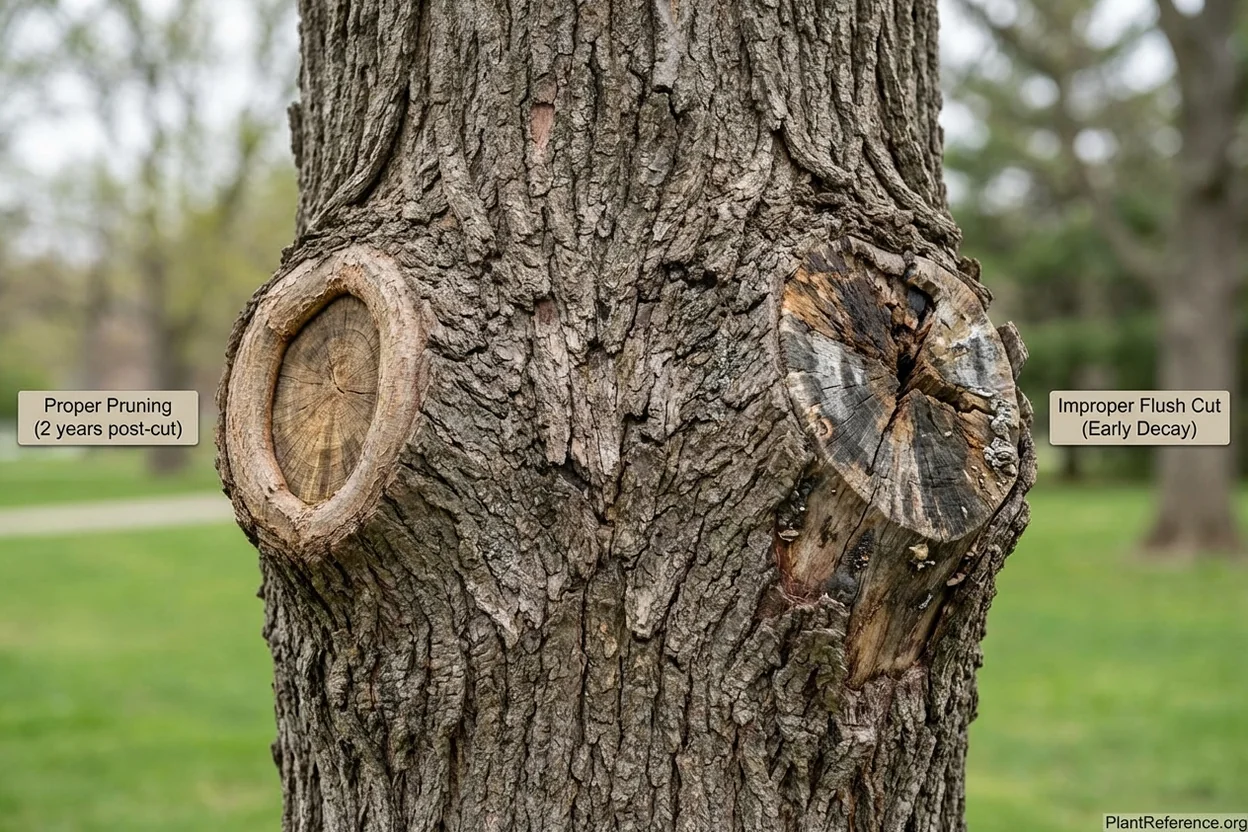
Branch Collar Importance: The branch collar contains specialized cells that rapidly form compartmentalization barriers. Proper cuts respect the collar's natural boundaries, while flush cuts remove this tissue and compromise the tree's defense mechanisms.
Callus Tissue Formation: New wood growth (callus tissue) gradually covers wound surfaces. The rate depends on species, tree vigor, cut size, and environmental conditions. Cuts larger than 2 inches (5 cm) in diameter may never fully close, creating permanent entry points for decay organisms.
The Three Pruning Cycles for Young Trees
Prescriptive pruning for young trees typically follows a three-cycle approach over the first 8-12 years after planting, with each cycle addressing different developmental priorities.
Cycle 1: Establishment and Structure (Years 1-3)
The first cycle focuses on establishing basic trunk and scaffold branch architecture while the tree is small enough for efficient ground-based operations.
Primary Objectives: - Establish or maintain central leader dominance - Select permanent scaffold branches with proper spacing and angles - Remove any branches with structural defects (narrow crotches, included bark) - Maintain nurse branches for trunk development
Typical Prescriptions:
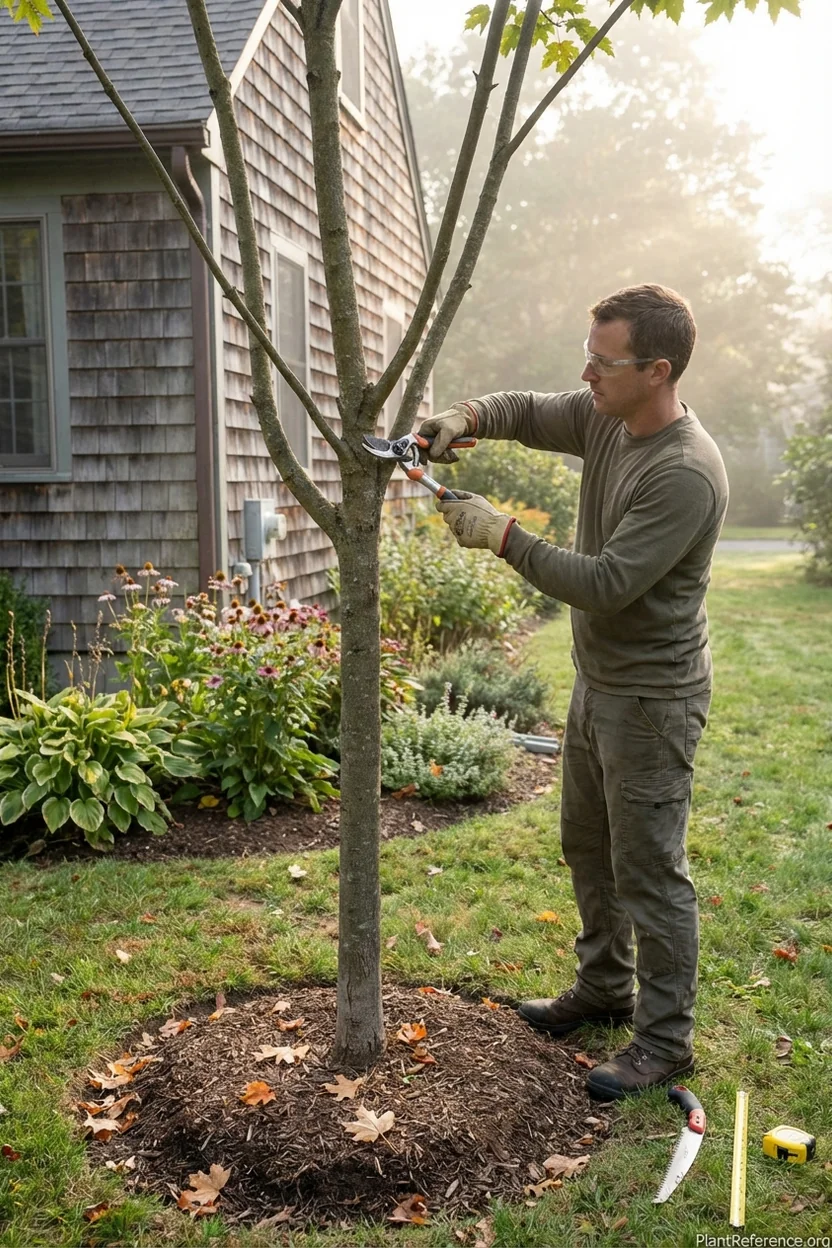
Central Leader Training: Remove competing leaders immediately, cutting back to the first strong lateral branch. If the original leader is lost, train the best-positioned lateral to become the new leader using staking or gentle bending techniques.
Scaffold Selection: Identify 3-5 potential permanent scaffold branches distributed around the trunk with vertical spacing of 18-24 inches (45-60 cm). Remove branches that conflict with this spacing or have poor attachment angles.
Nurse Branch Management: Retain small branches along the trunk to promote trunk taper and feed the root system, but keep them subordinate to scaffold branches through light pruning or heading cuts.
Cycle 2: Architecture Development (Years 4-7)
The second cycle refines the structural framework established in Cycle 1, focusing on secondary branch development and crown shape refinement.
Primary Objectives: - Develop secondary branching on scaffold branches - Continue central leader maintenance as tree gains height - Begin gradual crown raising for clearance requirements - Address any structural problems that developed since Cycle 1
Advanced Techniques:
Secondary Branch Training: Select 2-3 well-positioned branches on each scaffold branch to develop the crown's secondary framework. These branches should emerge from the top and sides of scaffold branches, not from the bottom where they create weak attachments.
Proportional Pruning: Maintain proper proportions between trunk and branch sizes. Scaffold branches should not exceed 1/3 the trunk diameter at their attachment point. If branches are gaining too much relative size, they can be lightly headed back to encourage trunk growth.
Clearance Development: Begin removing the lowest branches if clearance is required, but maintain the 2/3 live crown ratio. Remove no more than 1-2 levels of branches per year to avoid shocking the tree.
Cycle 3: Maturation and Fine-Tuning (Years 8-12)
The final training cycle addresses remaining architectural needs and transitions the tree toward standard maintenance pruning.
Primary Objectives: - Complete clearance requirements for mature crown shape - Address any remaining structural weaknesses - Establish the tree's permanent crown architecture - Transition to routine maintenance schedules
Final Adjustments:
Crown Completion: Remove any remaining temporary branches and finalize the crown's basic architecture. At this point, the tree should have a well-defined central leader and properly spaced scaffold branches that will serve as the permanent framework.
Clearance Finalization: Complete crown raising to achieve required clearances over sidewalks, streets, or buildings. This should be the final major crown raising, as the tree's architecture is now established.
Maintenance Transition: Shift from developmental pruning to maintenance pruning focused on dead wood removal, light structural adjustments, and periodic clearance pruning as needed.
ANSI A300 Compliance and Specifications
The 2024 consolidation of ANSI A300 Tree Care Operations Standards into a single document provides the authoritative framework for prescriptive pruning specifications. Compliance with A300 standards is essential for professional tree care and legal defensibility.
Writing ANSI-Compliant Prescriptions
Effective pruning prescriptions must specify five key elements required by ANSI A300:
Pruning Type Classification:
Crown cleaning: Removal of dead, dying, diseased, and weakly attached branches
Crown thinning: Selective removal of branches to increase light penetration and air movement
Crown raising: Removal of lower branches to increase vertical clearance
Crown reduction: Reduction of tree height and/or spread
Crown restoration: Improvement of structure and appearance of trees damaged by storms, vandalism, or poor pruning practices
Measurable Specifications: Prescriptions must include quantifiable objectives rather than subjective descriptions. Instead of "thin lightly," specify "remove no more than 15% of live foliage, focusing on branches less than 2 inches diameter in the interior crown."
Branch Size Parameters: Define minimum and maximum branch sizes for removal: "Remove all dead branches greater than 1 inch diameter; retain live branches greater than 3 inches diameter unless they pose clearance conflicts."
Clearance Requirements: Specify exact clearance distances: "Establish 8-foot minimum clearance over sidewalk; 14-foot minimum clearance over travel lane; 3-foot minimum clearance from building facade."
Priority Levels: Establish priority rankings for budget allocation: "Priority 1: Remove all dead branches over 2 inches diameter (safety hazard). Priority 2: Remove competing central leader (structural integrity). Priority 3: Crown raising over walkway (clearance)."
Documentation Requirements
ANSI A300 emphasizes documentation for quality control and legal protection:
Pre-Work Assessment: Document existing tree condition, structural defects, and health issues. Photograph key areas that will be addressed by pruning operations.
Prescription Records: Maintain written records of all prescriptions including date issued, specific objectives, completion timeline, and responsible personnel.
Post-Work Verification: Document compliance with prescriptions through post-pruning inspection and photography. Note any deviations from original specifications and their justification.
Follow-up Scheduling: Establish and document future inspection and maintenance schedules based on tree response and developmental needs.
Integration with ISA Best Management Practices
ANSI A300 works in conjunction with ISA Best Management Practices (BMPs) to provide comprehensive guidance:
Tree Pruning BMP (3rd Edition, 2019): Provides detailed technical guidance on pruning cuts, seasonal timing, and species-specific considerations that support A300 compliance.
Plant Health Care BMP: Addresses the integration of pruning with other tree care practices including fertilization, pest management, and soil improvement.
Tree Risk Assessment BMP: Guides the integration of risk assessment with pruning prescriptions to address structural defects and hazard mitigation.
Safety Standards: ASC Z133-2026 Updates
The revolutionary ASC Z133-2026 safety standard updates have transformed prescriptive pruning operations by changing recommendations to mandatory requirements, significantly affecting how pruning work must be planned and executed.
The "Should" to "Shall" Transformation
The most significant change in Z133-2026 is the systematic replacement of "should" with "shall" throughout the standard, converting previous recommendations into mandatory compliance requirements aligned with OSHA benchmarks.
Impact on Prescriptive Pruning:
Drop Zone Management: Prescriptions must now specify mandatory exclusion zones for ground crews based on the potential fall distance of debris. This affects how pruning operations are sequenced and where branches can be dropped versus rigged down.
Electrical Hazard Planning: The new four-level electrical arborist qualification system requires every prescription to categorize work based on proximity to electrical conductors and specify qualified personnel levels for each operation.
Equipment Requirements: Safety equipment specifications are now mandatory rather than recommended, affecting operational costs and crew training requirements for prescriptive pruning programs.
Electrical Hazard Assessment
The updated Minimum Approach Distances (MADs) based on current conductivity research must be integrated into prescriptive pruning specifications:
600V or less: 10 feet approach distance for unqualified workers
601V to 15kV: 10 feet minimum distance
15kV to 35kV: 15 feet minimum distance
35kV to 46kV: 20 feet minimum distance
46kV to 72kV: 25 feet minimum distance
Prescriptions must identify all electrical hazards and specify the qualification level required for workers in each area of the tree.
Documentation and Training Requirements
Z133-2026 mandates documented evidence of competency for any worker performing pruning operations, particularly those near utility lines:
Competency Documentation: All crew members must have documented training records for the specific type of pruning work prescribed. This includes species-specific techniques, cut placement, and equipment operation.
Safety Plan Integration: Prescriptive pruning specifications must include safety planning elements: hazard identification, personnel qualification requirements, emergency response procedures, and equipment specifications.
Ongoing Compliance: Regular safety audits and retraining documentation are now mandatory, affecting the long-term management of prescriptive pruning programs.
Species-Specific Considerations
Effective prescriptive pruning requires deep understanding of how different species respond to pruning cuts and structural training.
Temperate Hardwoods
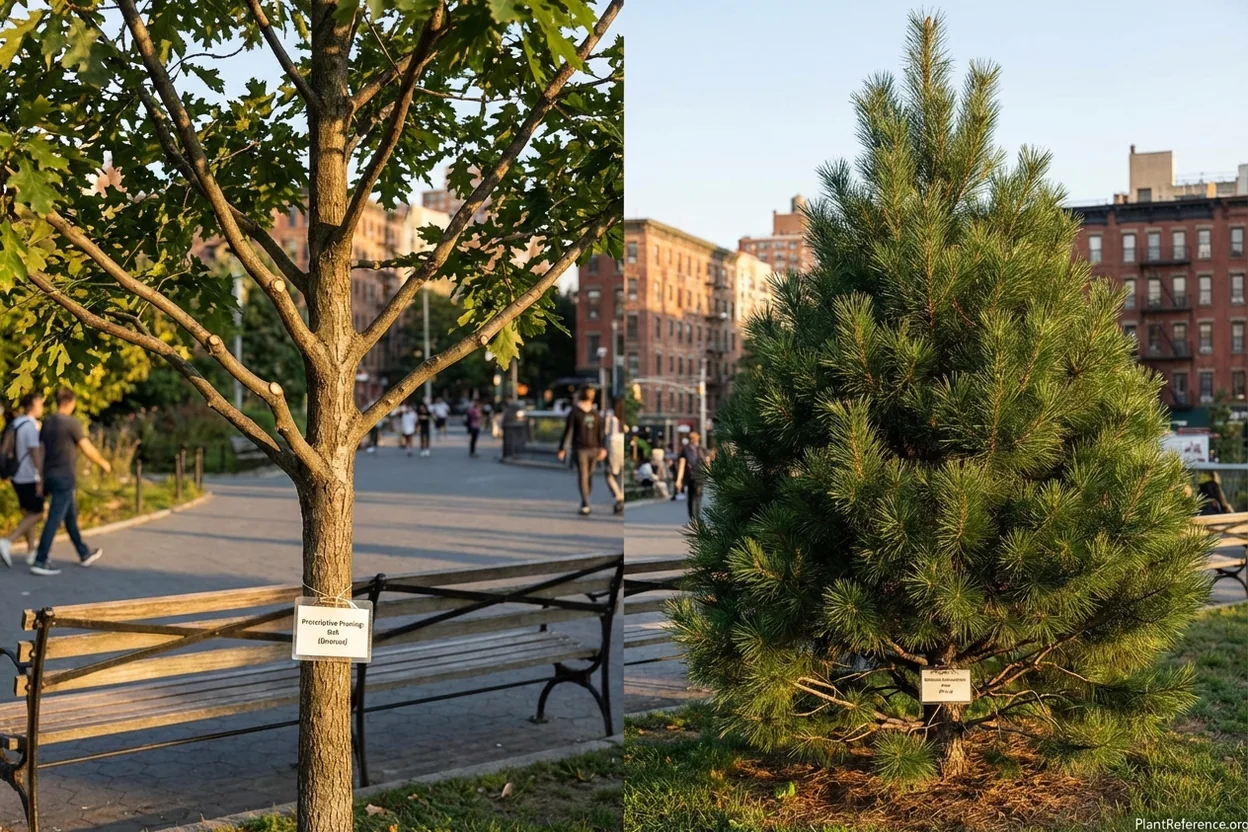
Oaks 🌿Quercus sadleriana species represent the gold standard for prescriptive pruning response. They compartmentalize wounds effectively, develop strong wood, and respond predictably to structural training.
Prescription Considerations:
Natural apical dominance makes central leader training straightforward
Strong compartmentalization allows for larger cuts when necessary
Seasonal timing critical in oak wilt areas (dormant season only)
Naturally strong branch attachments require minimal intervention
Maples 🌿Acer palmatum species require modified approaches due to their tendency toward co-dominant stems and vigorous growth response.
Prescription Considerations:
Early and aggressive co-dominant stem removal essential
Prone to excessive sap flow—timing critical for wound closure
Rapid growth response to pruning may require more frequent cycles
Soft wood requires careful attention to cut placement and size
Elms 🌿Ulmus procera develop naturally vase-shaped architecture that works well in urban settings but requires careful scaffold selection.
Prescription Considerations:
Natural vase shape eliminates need for central leader training
Focus on preventing narrow crotch angles between major limbs
Dutch elm disease considerations affect timing and wound treatment
Strong compartmentalization allows moderate structural corrections
Coniferous Species
Conifers present unique challenges for prescriptive pruning due to their limited ability to compartmentalize wounds and specific growth patterns.
Pines 🌿Pinus thunbergii species require minimal structural pruning but may need specific interventions for urban compatibility.
Prescription Considerations:
Never remove the central leader—cannot be replaced
Pruning limited to complete branch removal at trunk
Timing critical to avoid pitch flow and pest attraction
Natural architecture rarely requires modification
Spruces 🌿Picea abies 'Reflexa' and Firs 🌿Picea abies 'Reflexa' similarly require conservative approaches to structural modification.
Prescription Considerations:
Maintain natural pyramidal form—urban compatibility through proper siting
Limited wound closure ability restricts cut size and timing
Focus on dead branch removal rather than architectural changes
Urban-Adapted Species
Many municipalities are shifting toward climate-adapted species that may not have extensive prescriptive pruning research available.
London Plane 🌿Platanus × acerifolia has become a standard urban tree due to its tolerance of difficult growing conditions.
Prescription Considerations:
Extremely responsive to pruning—aggressive cuts may trigger excessive water sprout production
Strong compartmentalization allows structural corrections
Pollarding traditions provide guidance for severe reduction needs
Regular inspection for canker stain disease affects timing decisions
Honey Locust 🌿Gleditsia triacanthos offers urban tolerance with specific structural characteristics.
Prescription Considerations:
Naturally open crown reduces need for thinning
Weak wood requires careful attention to branch size and attachment angles
Thorns on wild types complicate climbing operations
Drought tolerance means less vigorous wound response in some climates
Common Prescriptive Pruning Mistakes
Understanding frequent errors in prescriptive pruning helps develop better specifications and avoid costly problems.
Overprescription
The most common mistake is specifying more pruning than trees can physiologically handle, often driven by aesthetic preferences rather than biological limits.
Symptom Recognition: - Specifications calling for removal of more than 25% of live foliage - Attempting to achieve mature crown shape on young trees in single operations - Ignoring species-specific wound closure capabilities - Focusing on immediate visual results rather than long-term development
Prevention Strategies: - Calculate foliage removal percentages before finalizing prescriptions - Plan multi-year approaches for major architectural changes - Research species-specific pruning tolerance before writing specifications - Educate clients about realistic timelines for structural development
Timing Errors
Improper timing can negate all benefits of otherwise appropriate prescriptive pruning techniques.
Common Timing Mistakes: - Pruning maples during active sap flow periods - Oak pruning during growing season in oak wilt regions - Pruning fruit trees too late in spring, interfering with flowering - Conifer pruning during active growth when pitch flow is excessive
Timing Best Practices: - Research species-specific timing requirements for each prescription - Consider local disease pressure and pest activity patterns - Plan prescriptions around tree's natural dormant periods - Account for regional climate variations in timing recommendations
Inadequate Follow-up
Prescriptive pruning is a multi-year process that requires consistent follow-through to achieve intended results.
Follow-up Failures: - Writing prescriptions without establishing inspection schedules - Failing to monitor tree response to previous cycle's work - Not adjusting subsequent prescriptions based on actual tree development - Inadequate documentation of progress toward architectural goals
Specification Ambiguity
Vague prescriptions lead to inconsistent implementation and poor outcomes.
Examples of Poor Specifications: - "Thin lightly" (no measurable standard) - "Improve tree shape" (subjective and unmeasurable) - "Prune as needed" (provides no guidance to crew) - "Make tree look better" (entirely subjective)
Examples of Clear Specifications: - "Remove interior branches less than 2 inches diameter to improve air circulation while retaining no less than 75% of live foliage" - "Establish 8-foot clearance over sidewalk by removing lowest branch originating at 7 feet height on south side of trunk" - "Remove co-dominant stem on east side of tree, cutting back to first lateral branch at 12-foot height"
Cost-Benefit Analysis of Structural Pruning
Understanding the economics of prescriptive pruning helps justify investment in proactive tree management versus reactive maintenance approaches.
Investment vs. Return Calculations
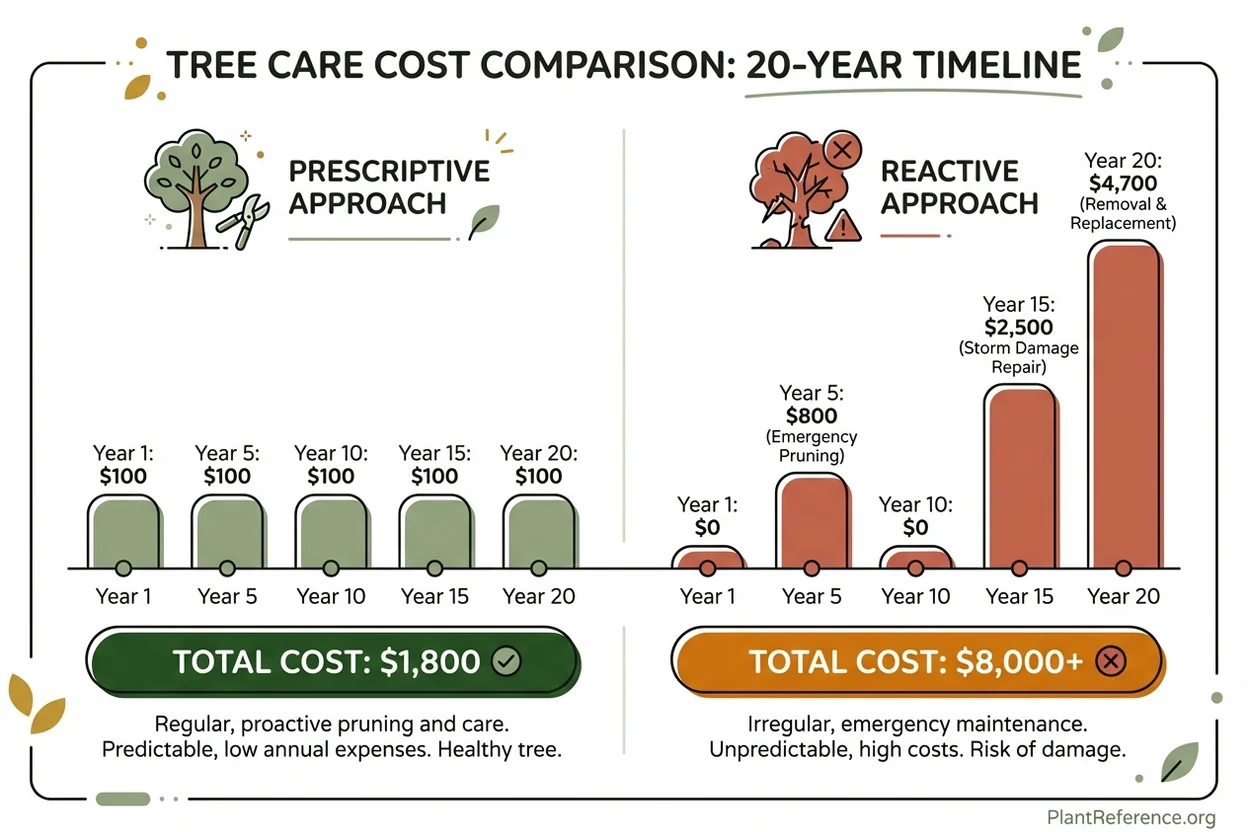
Research consistently demonstrates that prescriptive pruning delivers significant long-term cost savings compared to reactive maintenance strategies.
Preventive Investment Costs:
Cycle 1 prescriptive pruning (years 1-3): $150-400 per tree
Cycle 2 developmental pruning (years 4-7): $250-600 per tree
Cycle 3 maturation pruning (years 8-12): $300-800 per tree
Total 12-year investment: $700-1,800 per tree
Reactive Maintenance Costs:
Emergency storm damage cleanup: $1,500-5,000 per tree
Major structural correction on mature tree: $2,000-8,000 per tree
Premature tree removal and replacement: $2,500-12,000 per tree
Liability costs from structural failures: $10,000-100,000+ per incident
Municipal Return on Investment
Cities implementing prescriptive pruning programs report substantial returns on investment:
Portland, Oregon Analysis:
Prescriptive pruning investment: $1,200 per tree over 15 years
Avoided emergency costs: $4,800 per tree average
Extended tree lifespan: 40-50 years vs 25-30 years reactive maintenance
ROI: 400% over tree lifetime
Austin, Texas Results:
35% reduction in storm damage costs after implementing prescriptive programs
28% reduction in tree-related liability claims
45% increase in average tree lifespan
Property value increases averaging $2,500 per street tree
Property Value Enhancement
Well-structured trees contribute significantly to property values, providing additional justification for prescriptive pruning investment:
Residential Property Impacts:
Mature street trees increase property values by 3-15%
Well-maintained trees provide 5-10% higher value increase than poorly maintained trees
Properties with properly pruned large trees sell 8-12% faster than comparable properties
Tree-related insurance claims reduced by 60% with prescriptive maintenance
Commercial Property Benefits:
Office buildings with well-maintained landscapes command 5-8% higher rents
Retail properties with attractive tree canopies show 12-18% higher foot traffic
Industrial properties with properly managed trees have 25% fewer insurance claims
Healthcare facilities with prescriptive tree programs report improved patient satisfaction scores
The economic case for prescriptive pruning extends beyond direct tree care costs to encompass property values, liability reduction, energy savings, and community health benefits that compound over decades.
Prescriptive pruning represents the evolution of arboriculture from craft to science, from reactive to proactive, from generic to customized. The PPQ model provides a framework that ensures both quality and efficiency while protecting the long-term health and structural integrity of our urban forest assets.
As climate change increases storm intensity and urban development places greater demands on tree infrastructure, prescriptive approaches will become essential for sustainable urban forestry. The initial investment in proper structural development pays dividends for decades through reduced maintenance costs, increased safety, and enhanced ecosystem services.
For property owners, municipalities, and tree care professionals, the question is not whether to adopt prescriptive pruning methods, but how quickly they can implement systems that ensure every tree receives the individualized care it needs to thrive in our increasingly challenging urban environments.
Frequently Asked Questions
Reading about plants and recognising them are different skills. These three build the second.
- Daily PlantIdentify the day’s mystery plant from a close-up photograph.
- Keyed OutWork a dichotomous key, lead by lead, to name a hidden specimen.
- Name That PlantName a specimen from botanical clues dealt hardest first.
Free to play, no account needed
Sarah earned her doctorate in plant biology and spent time working in botanical garden education before transitioning to freelance writing and consulting. Now based in Portland, Oregon, she teaches plant identification workshops at local community centers and maintains a modest collection of over 60 houseplants in her small apartment. Sarah specializes in helping beginners understand plant science without the jargon—her approach focuses on practical observation over theory. She's killed her fair share of fiddle leaf figs and finally cracked the code on keeping them alive.