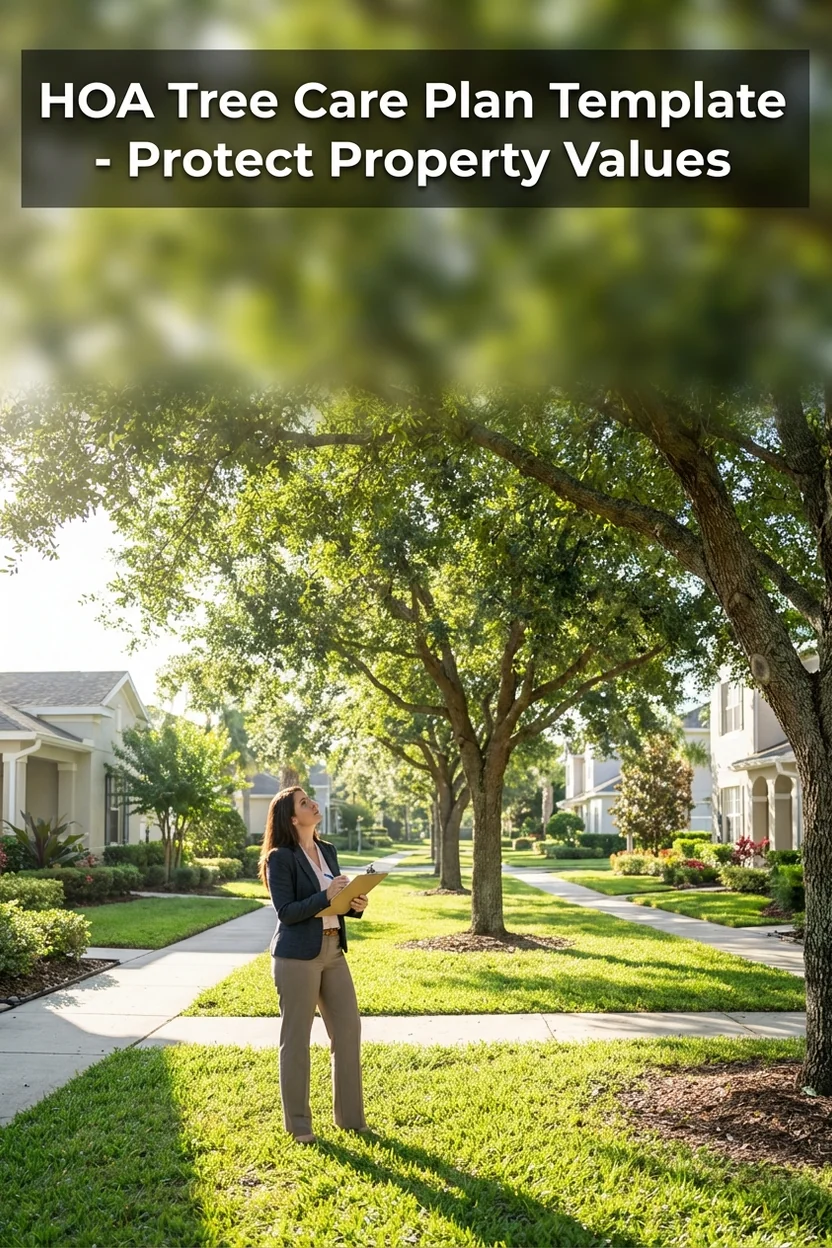
Tree Care Plan for HOAs and Property Managers: A Practical Template
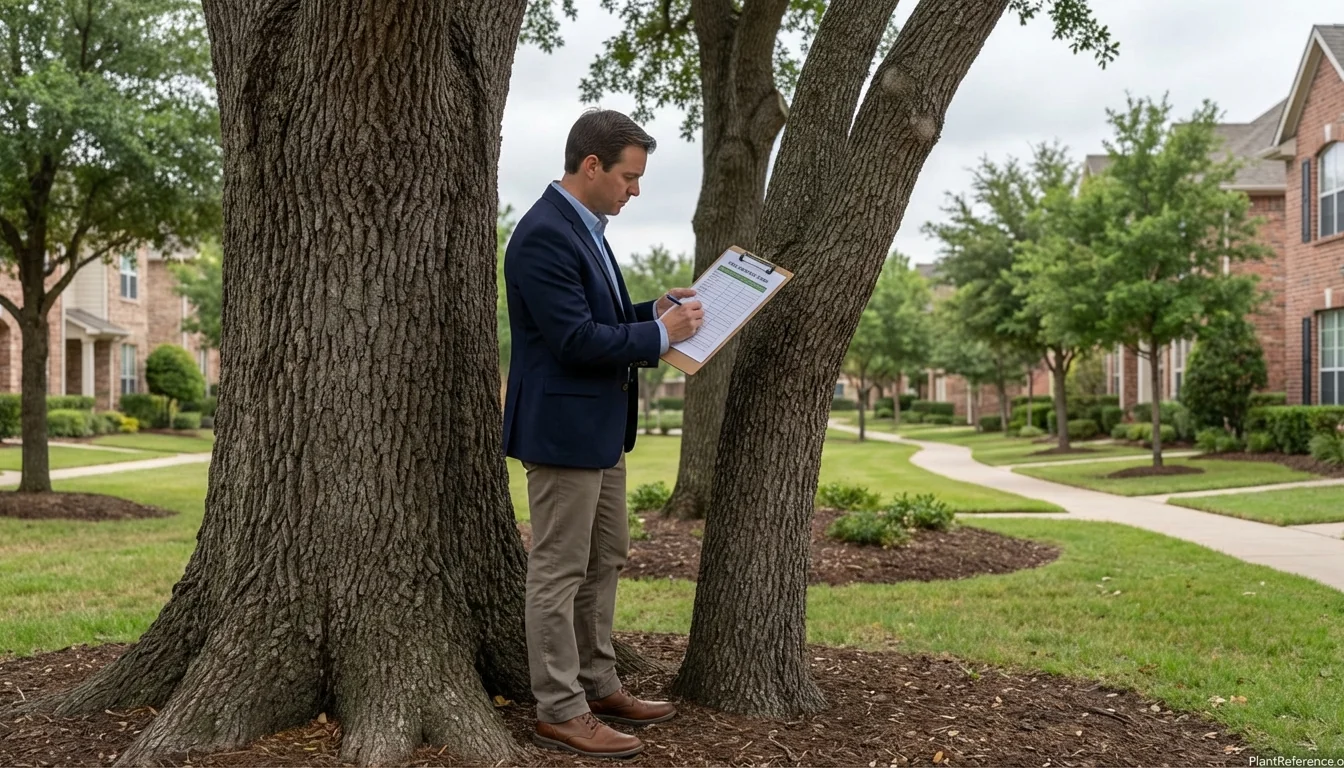
— Image © Plant Reference 2026
HOA boards and property managers face a challenging reality: trees are both valuable assets and potential liabilities. Without a documented HOA tree care plan, your community risks expensive emergency removals, property damage claims, and declining property values.
Why Your HOA Needs a Tree Care Plan
A systematic approach to tree management isn't just good practice—it's essential risk management. Communities without documented tree care face average emergency removal costs of $1,500-$4,000 per tree, while proactive maintenance costs only $200-$600 per tree every 5-7 years.
The liability exposure is significant. When a tree fails and causes property damage or injury, insurance companies and legal experts examine whether the HOA exercised "reasonable care." Courts increasingly expect documented inspection records, maintenance schedules, and qualified contractor involvement.
Beyond liability protection, healthy trees increase property values by 10-15% according to recent appraisal studies. A mature oak can add $5,000-$10,000 to adjacent home values, while diseased or poorly maintained trees become selling obstacles.
Your HOA tree care plan serves multiple stakeholders:
Board members need clear policies and budget justification
Property managers require maintenance schedules and contractor specifications
Residents want transparent communication about tree work
Insurance carriers expect documented risk management procedures
Legal counsel needs defensible records if disputes arise
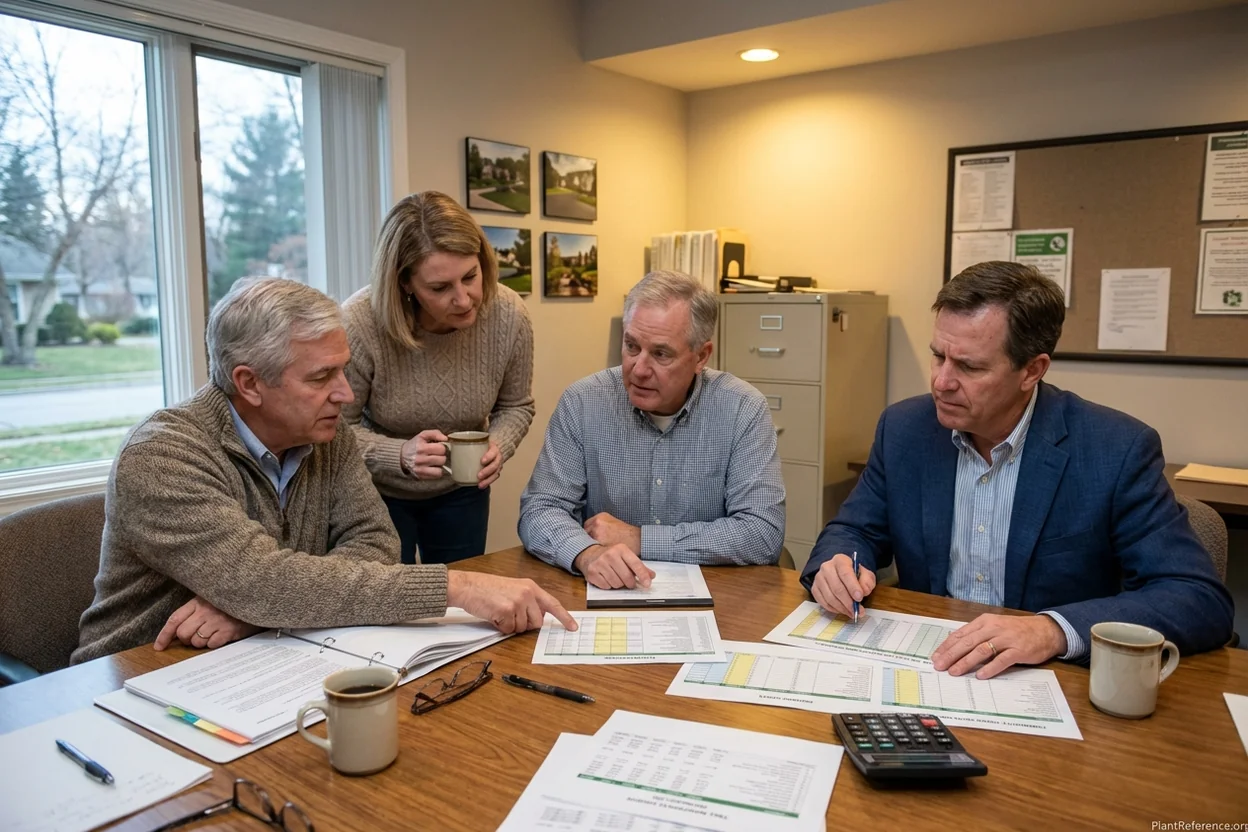
The ANSI A300 Tree Care Operations standard provides the professional framework for all maintenance specifications. This consolidated standard, updated in 2024, gives your HOA legally defensible work requirements while ensuring contractors follow industry best practices.
Step 1: Complete Your Tree Inventory
Start with a comprehensive tree inventory covering all common area trees plus any private trees affecting shared infrastructure. This baseline data drives all future decisions about maintenance, risk management, and budget allocation.
For each tree, document:
Species (common and scientific names)
Diameter at Breast Height (DBH) measured at 4.5 feet (1.4 m)
Overall condition rating (Excellent, Good, Fair, Poor, Critical)
GPS coordinates or precise location description
Proximity to buildings, power lines, walkways, parking
Previous maintenance history if available
Digital photos showing overall structure and any defects
Use a systematic approach rather than random sampling. Walk every common area, parking lot, playground, and pool area. Don't overlook trees on private lots that overhang common areas—these often create the most complex liability situations.
Professional inventory software like TreePlotter INVENTORY costs $3,500+ annually but provides GPS mapping, condition tracking, and maintenance scheduling. For smaller communities, a spreadsheet template works initially, though you'll eventually outgrow manual tracking.
Consider hiring an ISA Certified Arborist for initial inventory, especially for large communities (100+ trees). The cost ranges from $3-8 per tree depending on complexity, but professional assessment identifies priority issues your management company might miss.
Step 2: Assess Tree Condition and Risk
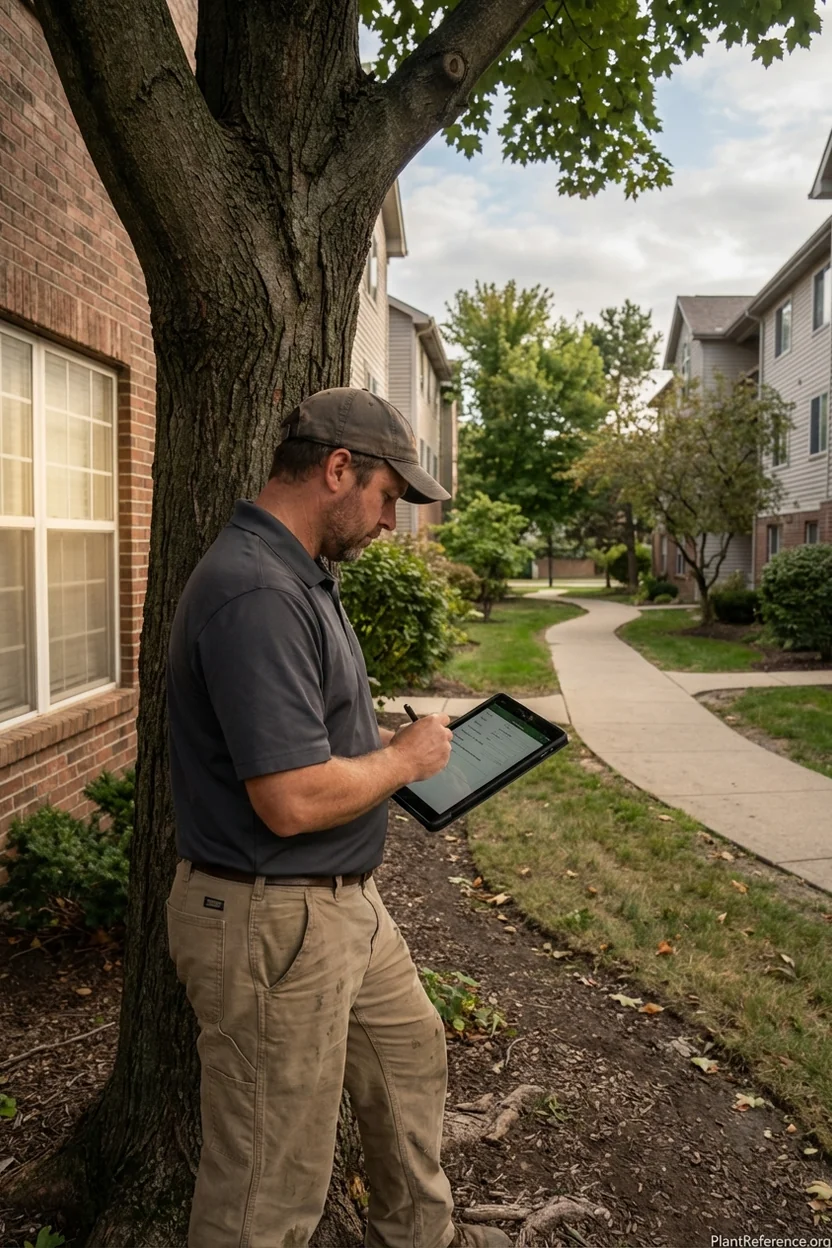
Tree risk assessment follows the ISA Tree Risk Assessment Qualification (TRAQ) methodology, focusing on three factors: likelihood of failure, likelihood of impact, and consequences of failure.
For HOA purposes, conduct Level 1 assessments (visual screening) annually, with Level 2 assessments (detailed ground inspection) every 3-5 years. Reserve Level 3 assessments (advanced diagnostics) for trees showing significant defects near high-value targets.
Priority risk factors include:
Co-dominant stems with included bark creating weak attachments
Large dead branches ("widow makers") over walkways or buildings
Root plate disturbance from construction or grade changes
Significant lean changes noted over time
Fungal fruiting bodies indicating internal decay
Storm damage with hanging or cracked limbs
Insect or disease symptoms affecting structural integrity
Create a simple rating system: Green (routine maintenance), Yellow (monitor closely), Red (immediate professional assessment required). This color-coding helps boards prioritize spending and communicate urgency to residents.
Document everything with photos and written descriptions. Insurance claims and legal proceedings often occur years after the initial problem develops, making contemporary records crucial for defense.
For trees rated Yellow or Red, obtain professional assessment from a TRAQ-qualified arborist. These certifications cost approximately $625 for ISA members and require renewal every seven years. The qualification ensures your assessment meets current professional standards.
Step 3: Create Maintenance Schedules
Effective tree maintenance follows predictable cycles rather than reactive crisis management. The key principle: small interventions prevent large problems.
Young Trees (0-10 years): Annual structural pruning focusing on:
Central leader development for strong architecture
Competing leader removal to prevent co-dominance
Lower branch gradual removal for pedestrian clearance
Corrective pruning for rubbing or crossing branches
Mature Trees (10+ years): 5-7 year pruning cycles including:
Crown cleaning (dead, diseased, damaged branch removal)
Selective crown thinning for wind resistance
Crown raising to maintain 8-foot (2.4 m) clearance over sidewalks
Corrective pruning for structural defects
Schedule major pruning during dormant seasons when possible. In northern climates, late fall through early spring works best. Southern regions should avoid hurricane season (June-November) for non-emergency work.
Fertilization Programs: Most urban trees benefit from annual fertilization using slow-release formulations applied in early spring. Focus on newly planted trees and those showing chlorosis (yellowing) or reduced growth.
Mulching Standards: Maintain 2-4 inch (5-10 cm) mulch depth in a 4-6 foot (1.2-1.8 m) diameter around each tree. Keep mulch away from trunk base to prevent moisture problems and rodent damage.
Irrigation Management: Newly planted trees need weekly watering for the first two growing seasons. Established trees generally require irrigation only during extended drought periods.
Step 4: Set Your Annual Budget
Tree care represents a significant but predictable expense when managed proactively. Budget approximately $15-25 per tree annually for mature landscapes, with higher costs during establishment phases.
Break costs into categories:
Routine Maintenance (60-70% of budget):
Annual pruning: $200-600 per tree depending on size
Fertilization: $25-50 per tree
Mulch replenishment: $15-30 per tree
Pest management: $50-150 per tree as needed
Emergency Response (20-30% of budget):
Storm damage cleanup: $500-2,000 per incident
Hazardous tree removal: $1,500-4,000 per tree
Infrastructure damage repair: Variable
Capital Improvements (10-20% of budget):
Tree replacement: $200-800 per tree installed
Soil improvement projects: $5-15 per square foot
Irrigation system upgrades: $2-5 per square foot
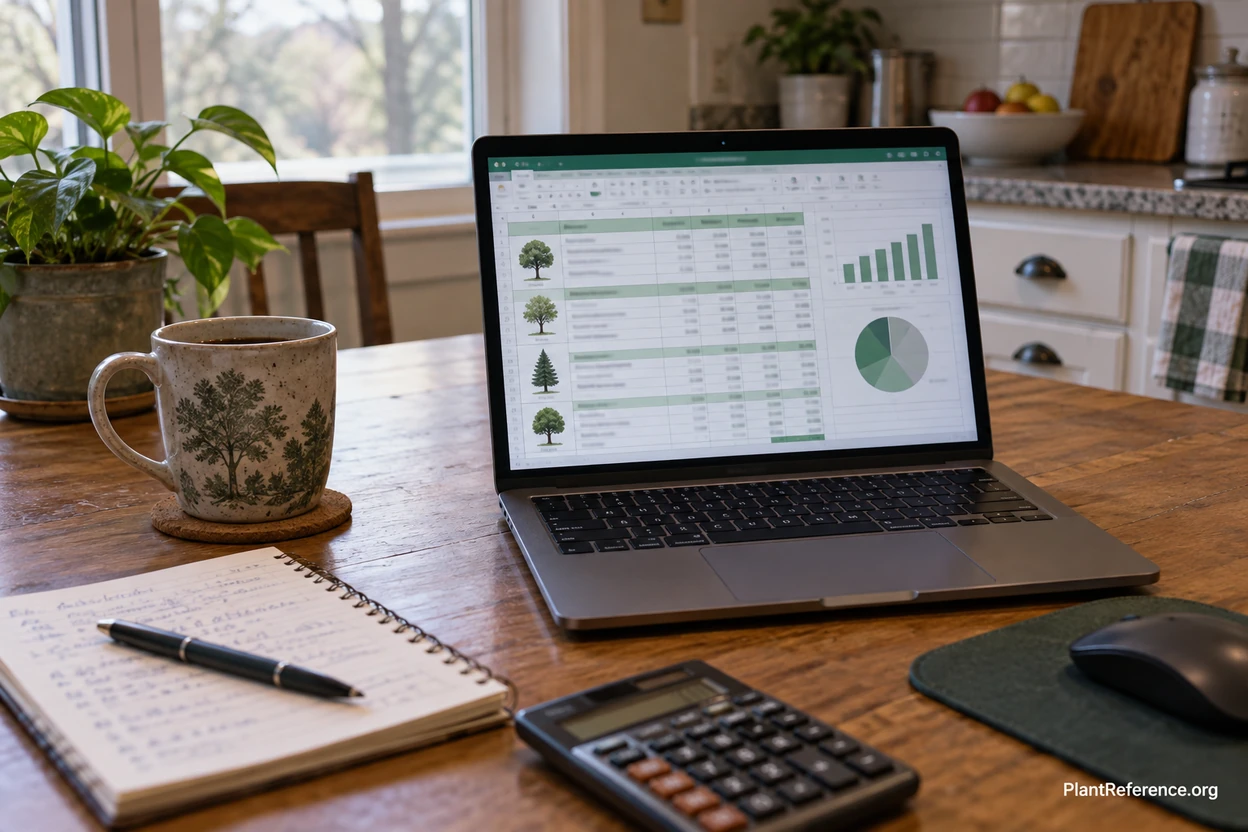
Reserve fund allocation varies by community age and tree population. Mature communities with 50+ large trees should maintain $10,000-25,000 in tree care reserves. Newer communities can start with $2,000-5,000 reserves, increasing as trees mature.
Consider seasonal cash flow. Most pruning occurs during dormant seasons, creating concentrated expenses in fall and winter months. Storm damage typically peaks during spring and summer, requiring available emergency funds.
Step 5: Select Qualified Contractors
Contractor selection directly impacts results, liability exposure, and long-term tree health. Require specific qualifications rather than accepting the lowest bid.
Mandatory Requirements:
ISA Certified Arborist on staff or as consultant
Current liability insurance ($2-5 million minimum)
Workers' compensation coverage
Business license and bonding
References from similar properties (HOAs, commercial landscapes)
Written commitment to ANSI A300 standards compliance
Preferred Qualifications:
TRAQ certification for risk assessment work
TCIA accreditation (Tree Care Industry Association)
Municipal contract experience
Crew safety training documentation (ASC Z133 compliance)
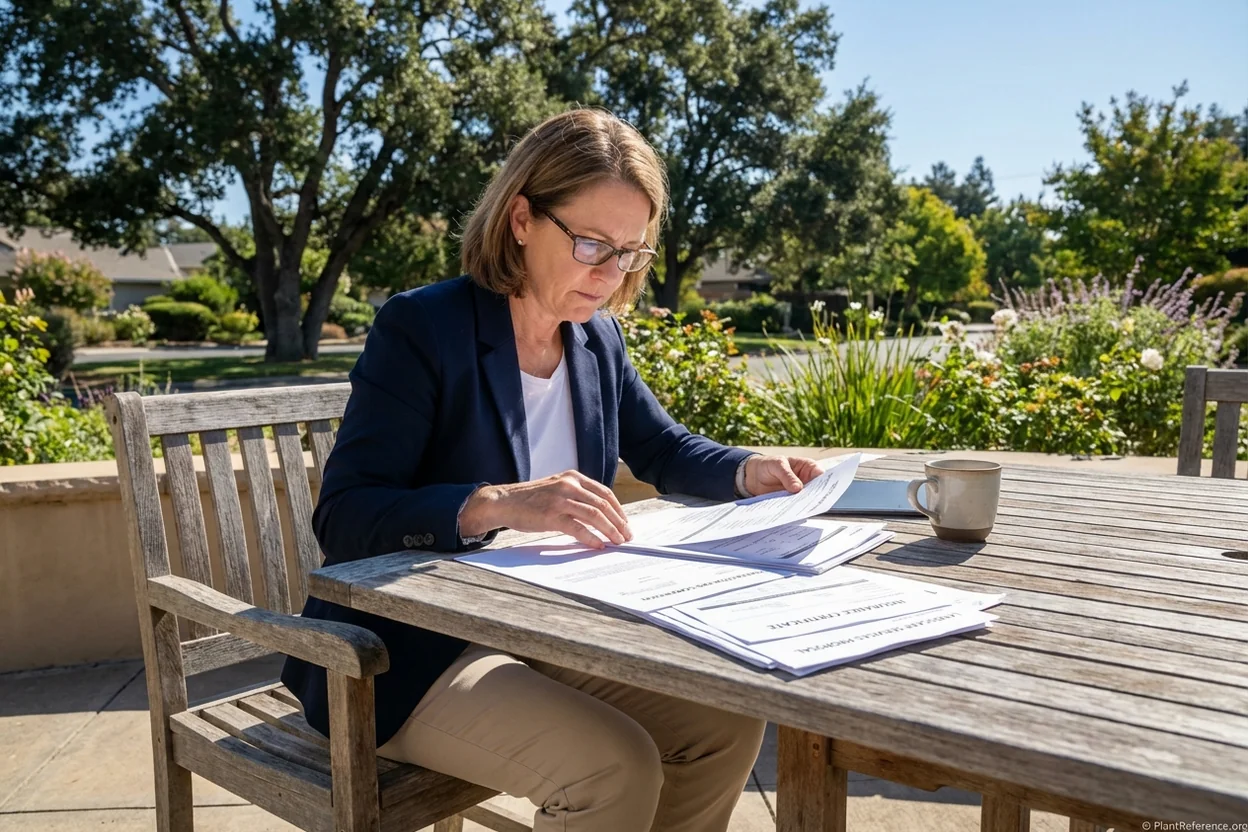
Request detailed proposals specifying work methods, not just general descriptions. Good contractors provide pruning prescriptions identifying which branches to remove and why, rather than vague "trim trees" language.
Avoid door-to-door solicitors and unusually low bids. Quality tree care requires skilled labor, proper equipment, and comprehensive insurance—all reflected in pricing.
Get multiple bids for large projects, but evaluate based on qualifications and approach, not price alone. The cheapest contractor often creates expensive problems requiring correction.
Step 6: Emergency Response Planning
Storm damage and tree failures require immediate response to protect residents and limit liability exposure. Develop written emergency procedures before you need them.
Immediate Response (0-24 hours):
Assess safety hazards and establish safety perimeters
Document damage with photos before cleanup begins
Contact pre-qualified emergency tree service contractors
Notify insurance carriers of potential claims
Communicate with residents about safety procedures and timeline
Short-term Response (1-7 days):
Remove hazardous trees and debris from roads and walkways
Assess infrastructure damage (utilities, buildings, fencing)
Begin insurance claim documentation process
Provide regular resident communication updates
Long-term Recovery (1-12 months):
Replace removed trees following approved species list
Implement soil improvements if root systems were compromised
Review and update emergency procedures based on lessons learned
Adjust tree care plan to address identified vulnerabilities
Pre-qualify emergency contractors during normal conditions. Emergency rates typically run 50-100% higher than routine work, but having established relationships ensures faster response when minutes matter.
Maintain emergency contact lists including: tree care contractors, utility companies, insurance agents, and municipal emergency services. Update contact information annually.
Legal Protection and Documentation
Your HOA tree care plan provides legal protection only when properly documented and consistently followed. Courts evaluate whether you exercised "reasonable care" based on industry standards and your own policies.
Essential Documentation:
Annual tree inventory updates with condition assessments
All contractor work orders and completion certificates
Professional arborist reports for high-risk trees
Resident communications about tree policies and procedures
Insurance certificates from all contractors
Emergency response records and damage documentation
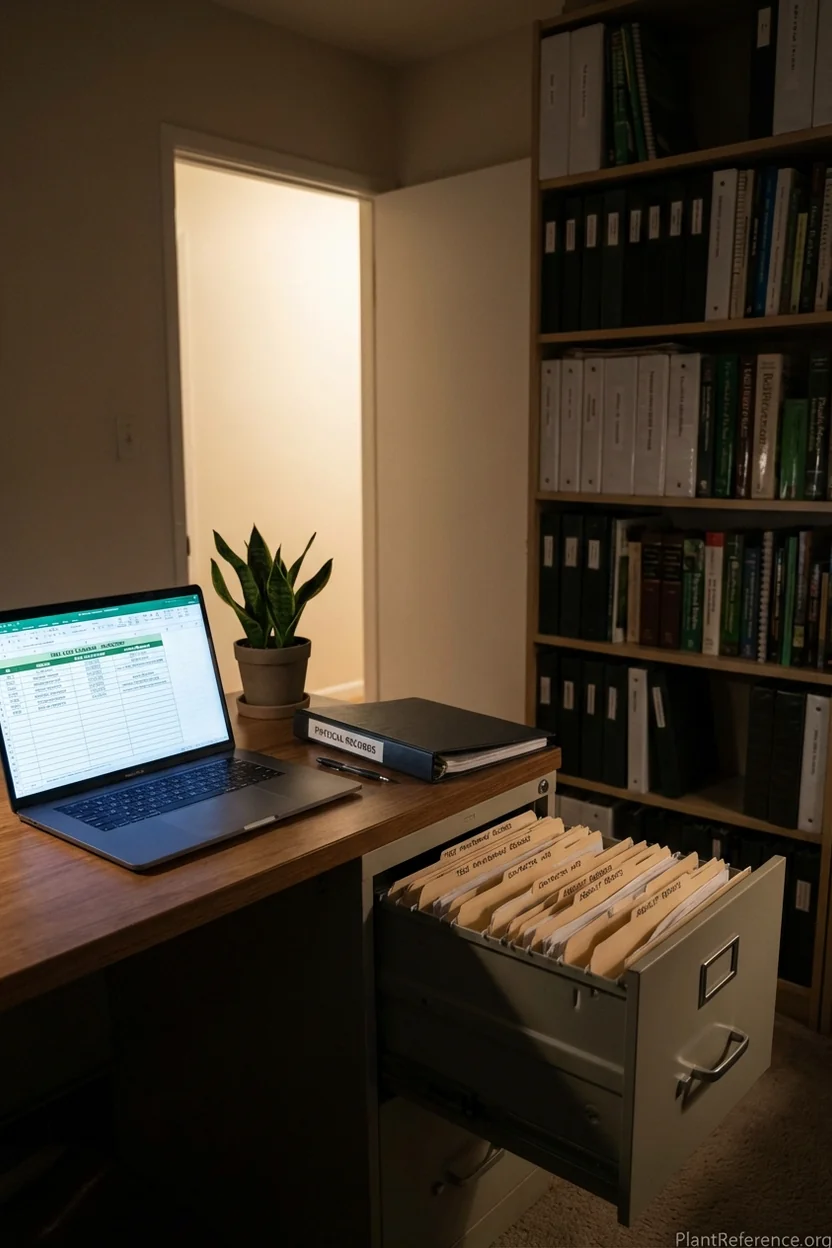
Store records electronically with backup systems. Physical records can be lost in the same storm that damages trees. Cloud-based storage ensures accessibility during emergencies.
Establish clear policies about private tree responsibilities versus HOA obligations. Trees entirely on private property remain homeowner responsibility, but branches overhanging common areas create shared liability requiring written agreements.
Communicate tree policies clearly to residents. Many disputes arise from misunderstandings about who pays for tree work and when removal is allowed.
Common HOA Tree Care Mistakes to Avoid
Learning from other communities' experiences prevents costly errors and resident conflicts.
Topping Trees: Never allow contractors to "top" or "hat rack" trees by cutting main branches back to stubs. This outdated practice weakens trees structurally, creates numerous suckers requiring frequent re-cutting, and dramatically reduces tree lifespan. Proper crown reduction maintains natural branch architecture.
Ignoring Root Zones: Trenching for utilities, irrigation, or sidewalk repairs can severely damage tree root systems. Require pneumatic soil excavation (air-spade) when working within the critical root zone (1 foot radius per inch of trunk diameter).
Planting Wrong Species: Avoid species known for frequent problems in your climate. Fast-growing trees like silver maple and tree-of-heaven create more maintenance costs than slow-growing alternatives. Choose species appropriate for mature size and site conditions.
Emergency-Only Budgeting: Communities that only fund tree work during emergencies spend 3-5 times more than those following preventive maintenance schedules. Emergency tree removal costs $2,000-5,000 per tree versus $200-600 for routine maintenance.
Inadequate Contractor Insurance: Require certificate of insurance before work begins, and verify coverage remains active throughout the project. Many contractors allow coverage to lapse between jobs, leaving your HOA exposed to liability.
Poor Communication: Residents need advance notice of tree work, especially when it affects parking or access. Unexpected tree removal often generates controversy that proper communication prevents.
Remember that tree care plans evolve with your community. Review and update annually, incorporating new trees, changed conditions, and lessons learned from the previous year.
A well-implemented HOA tree care plan protects property values, reduces liability, and maintains the natural amenities that make your community attractive. The investment in systematic planning pays dividends through lower long-term costs, fewer emergency situations, and enhanced resident satisfaction.
Frequently Asked Questions
Reading about plants and recognising them are different skills. These three build the second.
- Daily PlantIdentify the day’s mystery plant from a close-up photograph.
- Keyed OutWork a dichotomous key, lead by lead, to name a hidden specimen.
- Name That PlantName a specimen from botanical clues dealt hardest first.
Free to play, no account needed
Amanda came to gardening through an unexpected route—after developing chronic pain from rheumatoid arthritis in her late 20s, she started researching adaptive gardening techniques that would allow her to continue growing plants without aggravating her condition. Now based in Minneapolis, she writes about accessible gardening, raised bed designs for people with mobility challenges, and ergonomic tools that reduce strain. Amanda completed a certificate in sustainable urban agriculture and volunteers with a nonprofit that builds accessible community gardens. She grows vegetables, herbs, and flowers in waist-high raised beds she designed herself. Her writing focuses on practical solutions that work for real people with real limitations—whether that's arthritis, limited mobility, or just a bad back.