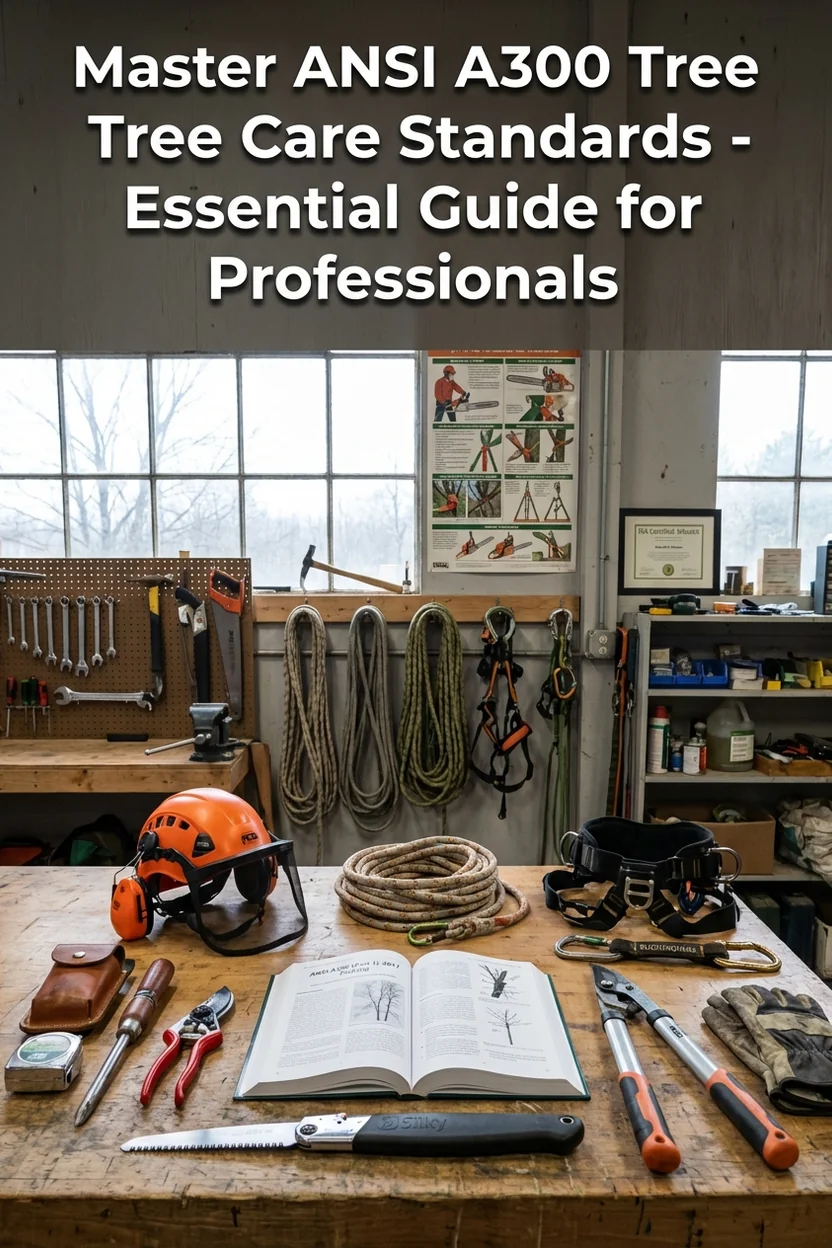
ANSI A300 Tree Care Standards: What Every Arborist Needs to Know in 2026
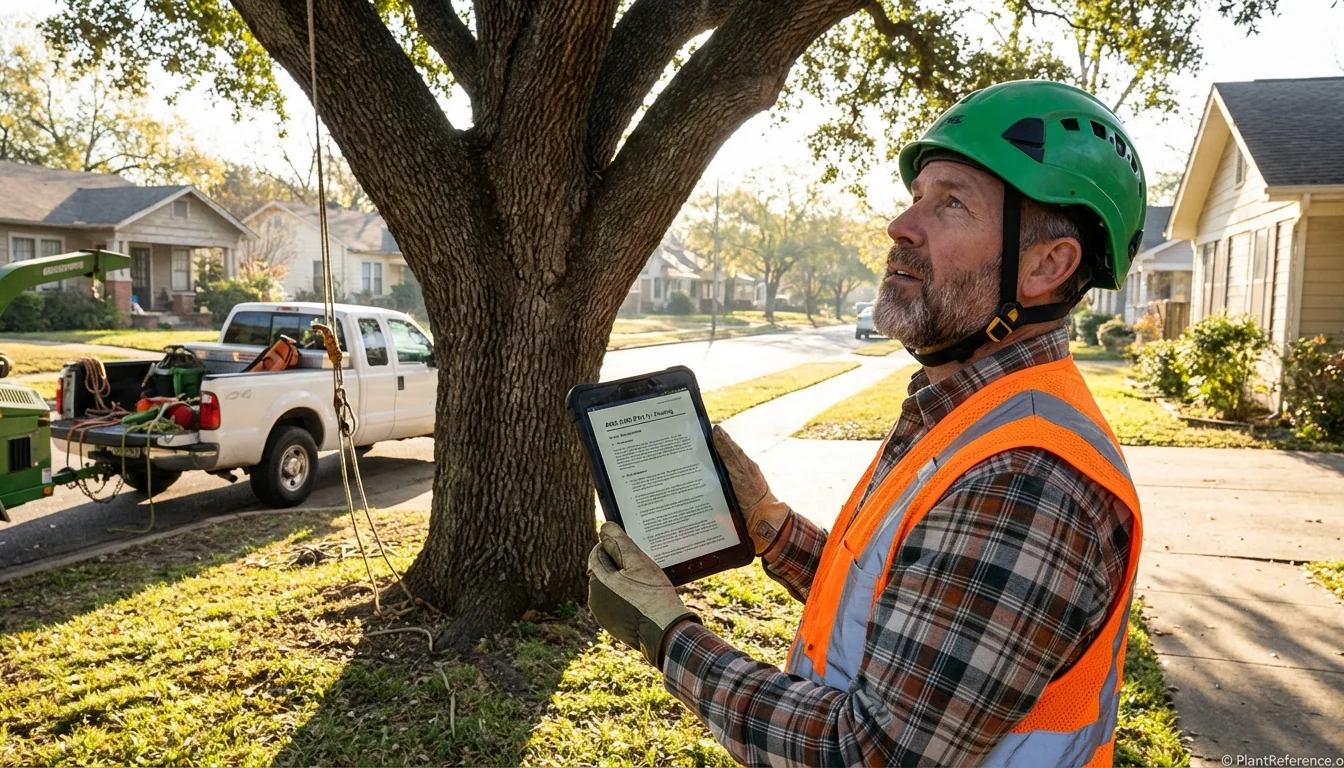
— Image © Plant Reference 2026
Understanding ANSI A300 tree care standards isn't just professional development—it's essential legal protection for every practicing arborist. These standards represent the definitive authority on proper tree care operations, recognized by US courts as the benchmark for professional competency and liability determination.
What Are ANSI A300 Tree Care Standards?
The American National Standards Institute (ANSI) A300 Tree Care Operations standards establish the professional framework for all aspects of arboriculture practice. Developed through consensus among industry experts, these standards represent the collective knowledge of certified arborists, researchers, and tree care professionals across the United States.
Unlike guidelines or recommendations, ANSI A300 tree care standards carry significant legal weight. When tree care disputes reach civil courts, judges and attorneys reference A300 as the definitive measure of professional standard of care. This makes compliance not just good practice—it's essential liability protection.
The standards address everything from basic pruning techniques to complex soil management protocols. Each clause provides specific requirements that distinguish professional tree care from amateur trimming or maintenance. For ISA Certified Arborists, A300 compliance demonstrates adherence to the highest industry standards.
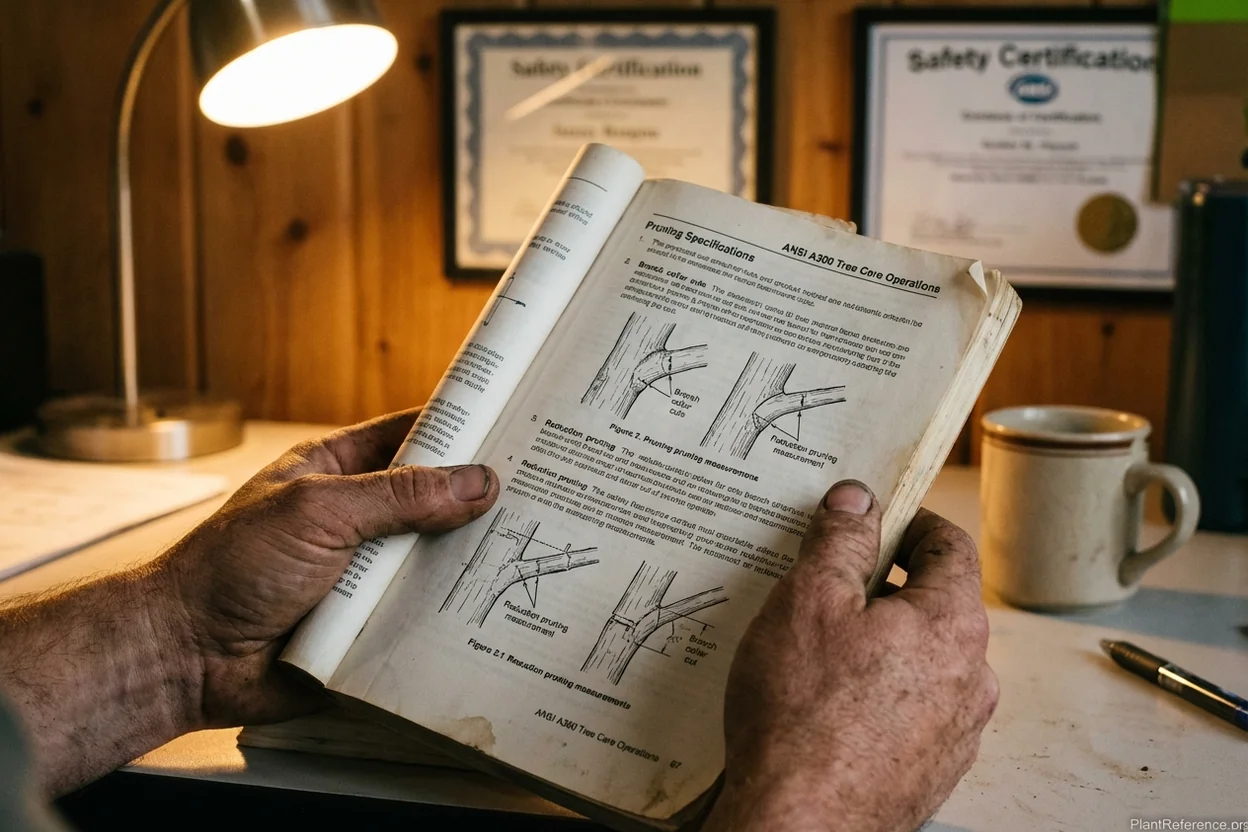
Professional tree care companies invest heavily in A300 compliance training because it directly impacts their insurance premiums, contract eligibility, and legal defensibility. Municipal contracts often require proof of A300 knowledge as a prerequisite for bidding on public tree work.
The 2024 Consolidation: Single Document Authority
The most significant development in ANSI A300 tree care standards occurred on January 1, 2024, when the Tree Care Industry Association (TCIA) consolidated all ten previously separate parts into a single comprehensive document. This consolidation ended 28 years of managing multiple publications on different review cycles.
Before consolidation, arborists struggled with conflicting information across different A300 parts, some dating back decades. Updates to one section might contradict specifications in another, creating confusion about current best practices. The unified document eliminates these conflicts by presenting all standards under consistent review and authority.
The consolidated A300 now contains 14 distinct clauses, each addressing specific aspects of professional tree care:
Structural Organization Benefits:
Single authoritative source eliminates version confusion
Consistent terminology and definitions across all practices
Unified reference system for legal proceedings
Simplified training and certification programs
Regular review cycle ensures all clauses remain current
This consolidation represents more than administrative convenience—it strengthens the legal authority of A300 in court proceedings. Attorneys can now reference a single, current document rather than attempting to correlate multiple publications with different effective dates.
For practicing arborists, the consolidated format means easier compliance verification and clearer work specifications. Instead of checking multiple documents for different operations, professionals can reference one comprehensive source for all tree care standards.
Key ANSI A300 Clauses Every Arborist Must Know
The 14 clauses within ANSI A300 tree care standards cover every major aspect of professional arboriculture. Understanding these clauses is essential for proper work specification and legal compliance.
Clause 1/5: Pruning Operations
Pruning represents the most frequently performed tree care operation, making this clause particularly critical. A300 establishes specific requirements for pruning objectives, cut placement, and timing considerations. The standards emphasize objective-based pruning rather than arbitrary trimming.
Key pruning requirements include proper branch collar identification, three-cut method for large limbs, and maximum foliage removal limits. The clause specifically prohibits practices like topping and lion's tailing, which were once common but are now recognized as harmful to tree health.
Seasonal timing restrictions protect trees during vulnerable periods. For example, oak species require specific timing to prevent disease transmission, while other species have optimal pruning windows based on wound closure rates.
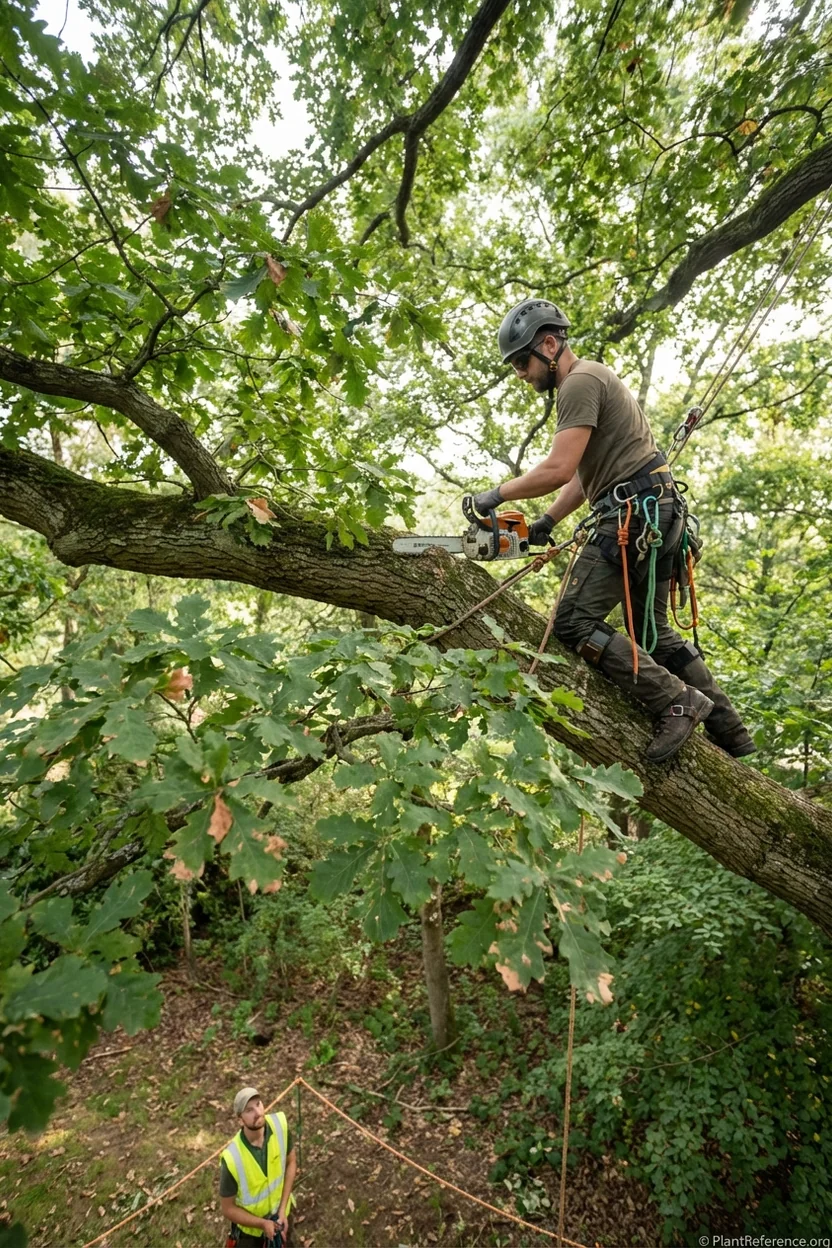
Clause 4: Water Management
Modern urban environments create unique challenges for tree water management. A300 Clause 4 addresses irrigation system design, soil moisture monitoring, and drought stress mitigation. These specifications become increasingly important as climate patterns shift and urban heat islands intensify.
The clause emphasizes deep, infrequent watering over frequent shallow irrigation. This approach encourages deep root development and improves drought tolerance. IoT sensor integration allows real-time soil moisture monitoring, enabling precise irrigation scheduling.
Water management specifications also address drainage requirements. Poorly drained soils cause more urban tree failures than drought conditions. A300 requires assessment of soil drainage characteristics before establishing irrigation protocols.
Clause 6: Soil Management and Fertilization
Soil quality directly impacts tree health and longevity. ANSI A300 tree care standards establish requirements for soil testing, amendment protocols, and fertilization schedules. These specifications recognize that urban soils often bear little resemblance to native forest conditions.
The clause requires soil pH testing and nutrient analysis before developing fertilization programs. Blanket fertilizer applications without soil testing violate A300 standards and can harm tree health through nutrient imbalances or salt accumulation.
Organic matter incorporation receives particular emphasis. Urban soils typically lack the biological activity and structure found in forest soils. A300 specifications include methods for adding compost, biochar, and mycorrhizal fungi to recreate healthy soil ecosystems.
Clause 10: Plant Health Care (PHC)
Plant Health Care represents a proactive approach to tree management, emphasizing prevention over treatment. A300 Clause 10 establishes protocols for monitoring, diagnosis, and treatment of tree health issues using Integrated Pest Management (IPM) principles.
The clause requires documentation of pest and disease thresholds before treatment application. This approach prevents unnecessary pesticide use while ensuring timely intervention when problems reach actionable levels. Treatment decisions must consider beneficial insect populations and pollinator protection.
PHC programs must include regular monitoring schedules, problem identification protocols, and treatment evaluation methods. These requirements ensure that health care interventions actually improve tree conditions rather than simply applying treatments without measuring results.
Clause 12: Root Management
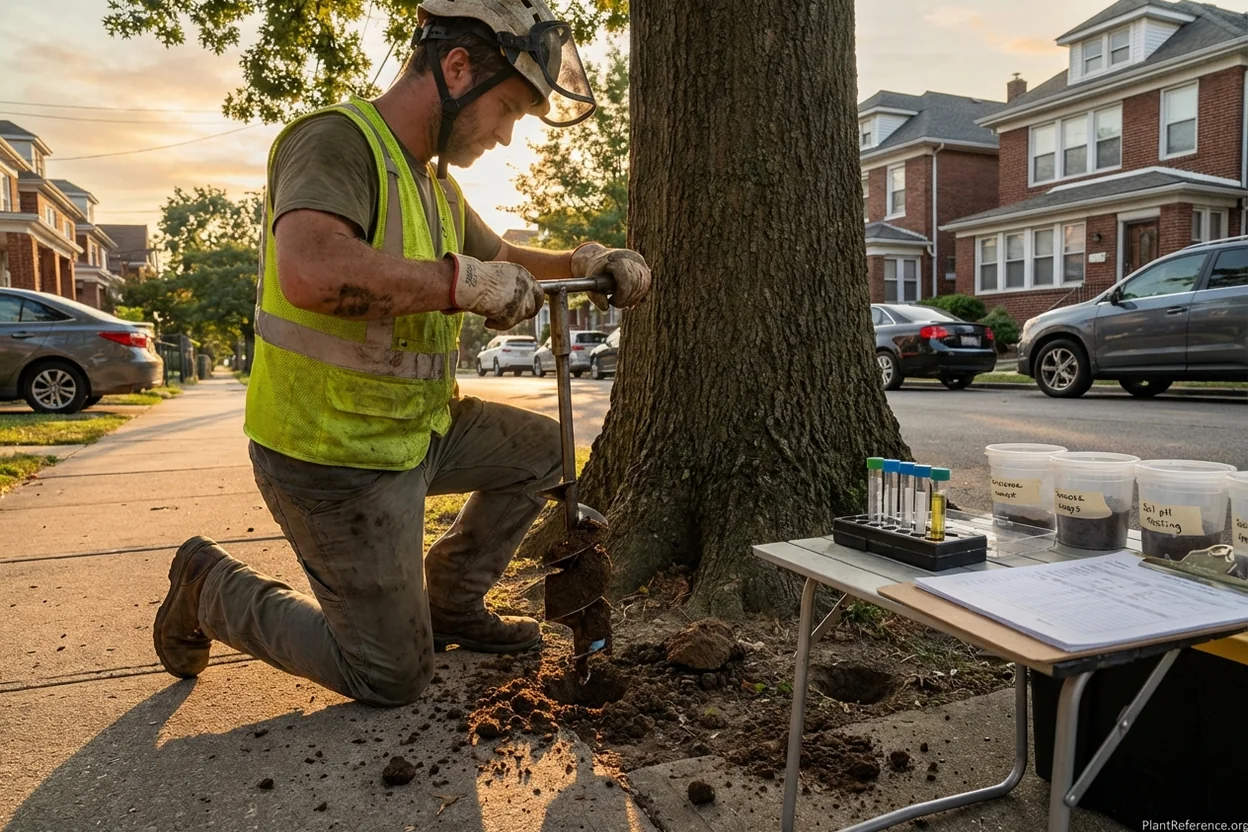
Root systems represent the foundation of tree stability and health, yet they remain largely hidden from view. A300 Clause 12 establishes standards for root assessment, pruning, and protection during construction activities.
The clause specifies techniques for root pruning that minimize stress and promote rapid healing. Improper root cutting can destabilize trees or create entry points for decay organisms. A300 requires clean cuts with sharp tools and specific timing to optimize wound response.
Construction activities pose particular threats to root systems. The clause establishes Tree Protection Zone calculations and soil compaction prevention methods. These specifications become legally binding when incorporated into construction contracts.
Clause 13: Tree Risk Assessment
Tree risk assessment has evolved from subjective observations to quantified analysis using standardized methodologies. A300 Clause 13 aligns with ISA Tree Risk Assessment Qualification (TRAQ) protocols, establishing three levels of assessment detail.
Level 1 assessments provide basic screening for large tree populations, while Level 2 assessments involve detailed ground-level inspection using standardized forms. Level 3 assessments incorporate advanced diagnostic tools like sonic tomography and resistograph testing.
The clause emphasizes that risk assessment must consider both the likelihood of failure and the potential consequences. A tree with high failure probability may present low risk if located away from targets, while a healthy tree near high-value targets requires different management approaches.
Legal Significance: Court Authority and Liability Protection
ANSI A300 tree care standards carry unique legal authority that distinguishes them from other industry guidelines. US civil courts recognize A300 as the definitive standard for professional tree care, making compliance essential for liability protection.
When tree-related accidents result in litigation, attorneys and expert witnesses reference A300 to determine whether proper standards of care were followed. Deviation from A300 specifications can establish professional negligence, while compliance demonstrates adherence to accepted industry practices.
Legal Applications Include:
Professional negligence determination in personal injury cases
Property damage liability assessment after storm events
Contract compliance verification for municipal tree work
Expert witness testimony regarding proper tree care practices
Insurance claim evaluation for tree-related damages
The consolidated format strengthens A300's legal authority by eliminating potential conflicts between different standard versions. Courts can reference a single, current document rather than attempting to determine which of multiple standards applies to specific situations.
For tree care companies, A300 compliance directly impacts professional liability insurance premiums. Insurance providers offer reduced rates for companies demonstrating consistent A300 adherence through documentation and training records.
Writing ANSI A300-Compliant Work Specifications
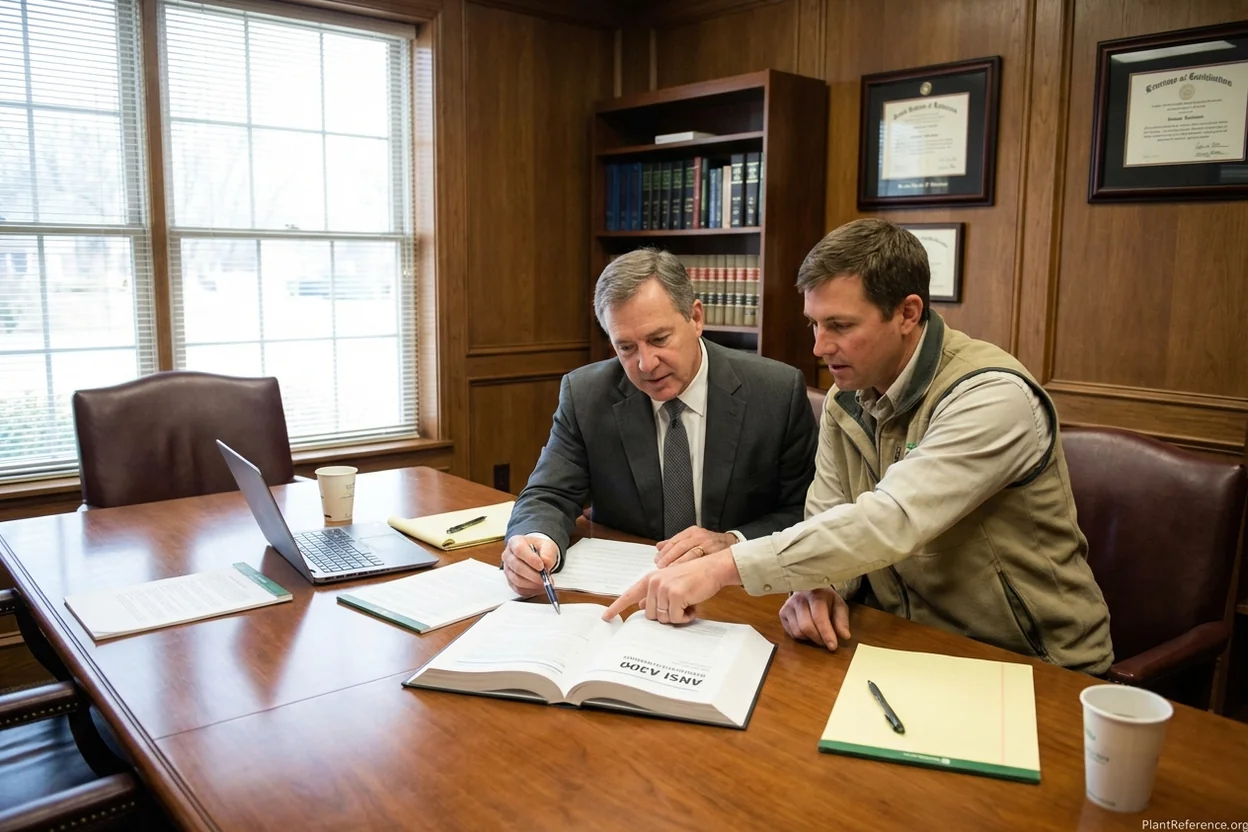
Proper work specifications protect both tree care providers and clients by establishing clear expectations based on professional standards. A300-compliant specifications must include specific measurable objectives rather than vague descriptions.
Essential Specification Elements:
Type of work to be performed (crown cleaning, structural pruning, etc.)
Measurable specifications ("remove all dead branches >2 inches diameter")
Priority levels for different operations
Seasonal timing requirements when applicable
Responsible party identification for each task
Follow-up inspection requirements
Vague specifications like "trim tree" or "general maintenance" fail to meet A300 requirements and create liability exposure. Proper specifications clearly define the work scope, allowing both parties to verify compliance upon completion.
Municipal contracts increasingly require A300-compliant specifications as a prerequisite for bidding. This ensures that all contractors understand the work requirements and can be held accountable for meeting professional standards.
For residential work, A300-compliant specifications help clients understand what they're purchasing and establish realistic expectations for results. This reduces disputes and improves client satisfaction through clear communication.
Relationship Between A300 and ISA Best Management Practices
The International Society of Arboriculture (ISA) publishes Best Management Practices (BMPs) that serve as companion guides to ANSI A300 tree care standards. While A300 establishes minimum requirements, BMPs provide detailed implementation guidance.
Current ISA BMPs include specialized guides for tree inventories, risk assessment, construction management, and pruning operations. These publications expand on A300 requirements with specific techniques, equipment recommendations, and case study examples.
The relationship between A300 and BMPs creates a comprehensive professional development framework. A300 provides the legal foundation, while BMPs offer practical implementation methods that exceed minimum requirements.
Professional arborists benefit from understanding both A300 requirements and BMP recommendations. This knowledge enables them to provide services that meet legal standards while incorporating current best practices for optimal tree health outcomes.

Municipal Contract Compliance Requirements
Municipal tree care contracts increasingly incorporate ANSI A300 compliance as a mandatory requirement. This trend reflects growing awareness of professional standards and liability protection needs among public agencies.
Contract specifications typically require proof of A300 knowledge through ISA certification or equivalent training documentation. Contractors must demonstrate understanding of relevant clauses for the specific work being performed.
Some municipalities require A300 compliance officers on job sites to ensure proper implementation. This person must be able to interpret standards requirements and make real-time decisions about work quality and safety protocols.
Common Municipal Requirements:
ISA Certified Arborist supervision for all tree work
Written work specifications citing specific A300 clauses
Progress documentation showing compliance verification
Final inspection by qualified personnel before payment
Insurance coverage reflecting A300 compliance standards
The trend toward A300 compliance requirements benefits both municipalities and qualified contractors. Agencies receive professional services that meet legal standards, while qualified contractors gain competitive advantages over less professional competitors.
Common A300 Violations and How to Avoid Them
Understanding common violations helps arborists maintain consistent A300 compliance and avoid liability exposure. Many violations result from outdated practices that were once acceptable but now violate current standards.
Frequent Violations Include:
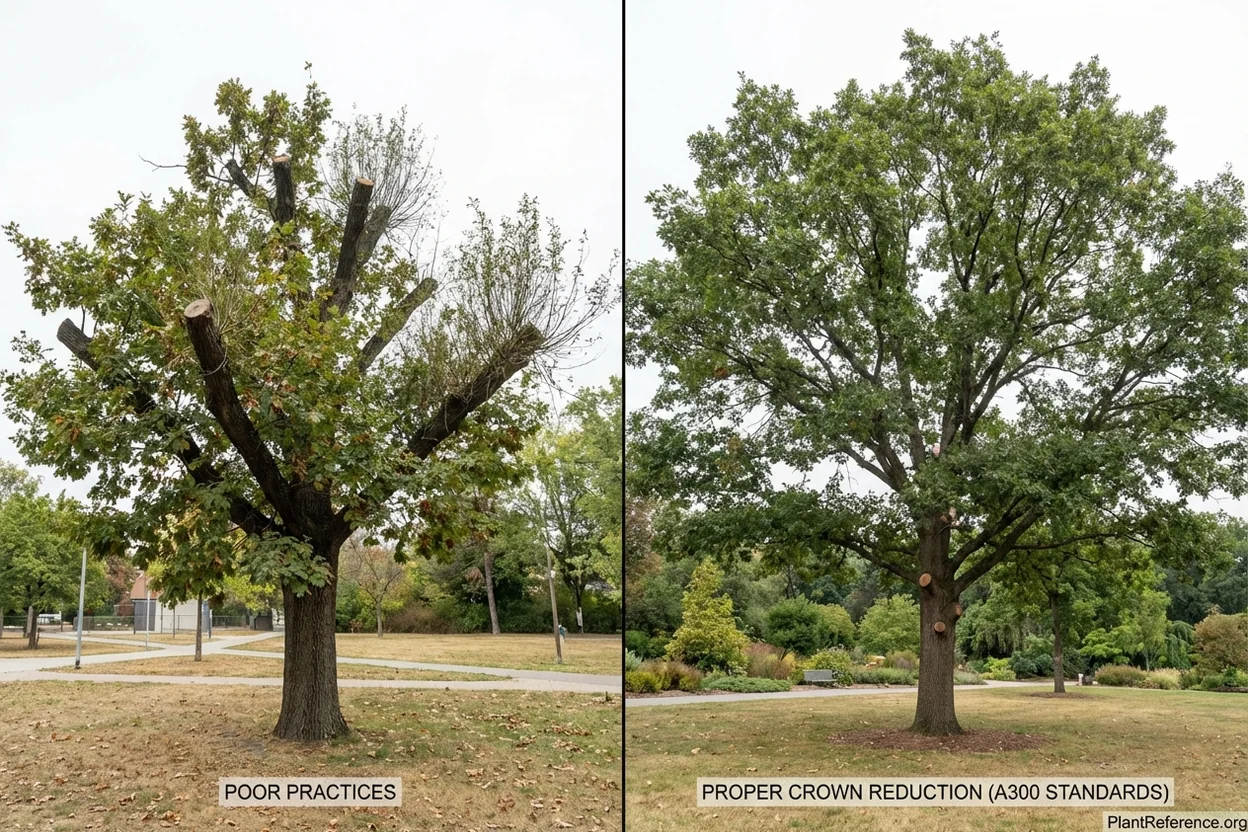
Topping or excessive crown reduction violating pruning limits
Improper pruning cuts that damage branch collars
Soil work without required testing and analysis
Treatment applications without documented thresholds
Construction damage from inadequate root protection
Risk assessment without proper qualification or methodology
Topping remains surprisingly common despite clear A300 prohibitions. This practice violates multiple clauses and creates significant liability exposure. Proper crown reduction techniques achieve size management objectives while maintaining tree health and structure.
Soil modifications without testing represent another frequent violation. A300 requires soil analysis before fertilization or amendment programs. Assumptions about soil needs often prove incorrect and can harm rather than help tree health.
Prevention strategies include regular training updates, documented compliance procedures, and quality control inspections. Companies that invest in comprehensive A300 training experience fewer violations and reduced liability exposure.
Keeping Current with Standards Updates
ANSI A300 tree care standards undergo regular review and revision to incorporate new research and industry developments. The consolidated format enables more efficient updates while maintaining consistency across all clauses.
The Tree Care Industry Association (TCIA) manages the revision process through committees of industry experts. These committees review current research, evaluate field experience, and recommend updates that improve tree care practices.
Professional arborists must stay current with standards changes to maintain compliance and competitive advantage. This requires ongoing education through ISA continuing education programs, TCIA resources, and professional development courses.
Staying Current Strategies:
Subscribe to TCIA and ISA publications for update notifications
Attend annual conferences where standards changes are discussed
Participate in local arborist chapter meetings and training sessions
Maintain ISA certification through continuing education requirements
Join professional associations that provide standards training
The investment in staying current pays dividends through improved service quality, reduced liability, and enhanced professional reputation. Clients increasingly seek providers who demonstrate current knowledge of professional standards.
Professional Development and Certification Resources
Several pathways exist for developing A300 knowledge and demonstrating competency. ISA certification represents the most widely recognized credential, requiring comprehensive knowledge of all major standards areas.
The Tree Risk Assessment Qualification (TRAQ) provides specialized training in A300 Clause 13 requirements. The recently updated TRAQ 3.0 extends qualification terms to seven years while requiring all holders to retake the full course rather than abbreviated renewals.
Certification Pathways:
ISA Certified Arborist: Baseline certification covering all A300 areas
TRAQ Qualification: Specialized risk assessment training
ISA Board Certified Master Arborist: Advanced certification for <2% of CAs
Municipal Specialist: Public tree management expertise
Utility Specialist: Electrical hazard and clearance training
Professional development costs vary widely, from basic ISA certification ($300-800) to advanced diagnostic equipment training ($2,000-5,000). However, these investments typically generate positive returns through increased service capabilities and premium pricing opportunities.
For companies, investing in employee certification reduces insurance costs, improves contract eligibility, and enhances competitive positioning. Many successful tree care businesses make certification support a standard employee benefit.
Conclusion
ANSI A300 tree care standards provide the essential foundation for professional arboriculture practice. The 2024 consolidation creates a single authoritative source that strengthens legal defensibility while simplifying compliance verification.
Understanding A300 requirements protects both practitioners and clients through clear expectations and professional accountability. As the industry continues evolving toward higher professional standards, A300 compliance becomes increasingly essential for business success and liability protection.
The investment in A300 knowledge and compliance training pays long-term dividends through improved service quality, reduced legal exposure, and enhanced professional reputation. For serious arboriculture professionals, mastering these standards represents not just good business practice, but essential career development.
Whether working in municipal forestry, private tree care, or consulting arboriculture, A300 standards provide the roadmap for professional excellence and sustainable business practices in an increasingly complex and regulated industry.
Frequently Asked Questions
Reading about plants and recognising them are different skills. These three build the second.
- Daily PlantIdentify the day’s mystery plant from a close-up photograph.
- Keyed OutWork a dichotomous key, lead by lead, to name a hidden specimen.
- Name That PlantName a specimen from botanical clues dealt hardest first.
Free to play, no account needed
Sarah earned her doctorate in plant biology and spent time working in botanical garden education before transitioning to freelance writing and consulting. Now based in Portland, Oregon, she teaches plant identification workshops at local community centers and maintains a modest collection of over 60 houseplants in her small apartment. Sarah specializes in helping beginners understand plant science without the jargon—her approach focuses on practical observation over theory. She's killed her fair share of fiddle leaf figs and finally cracked the code on keeping them alive.