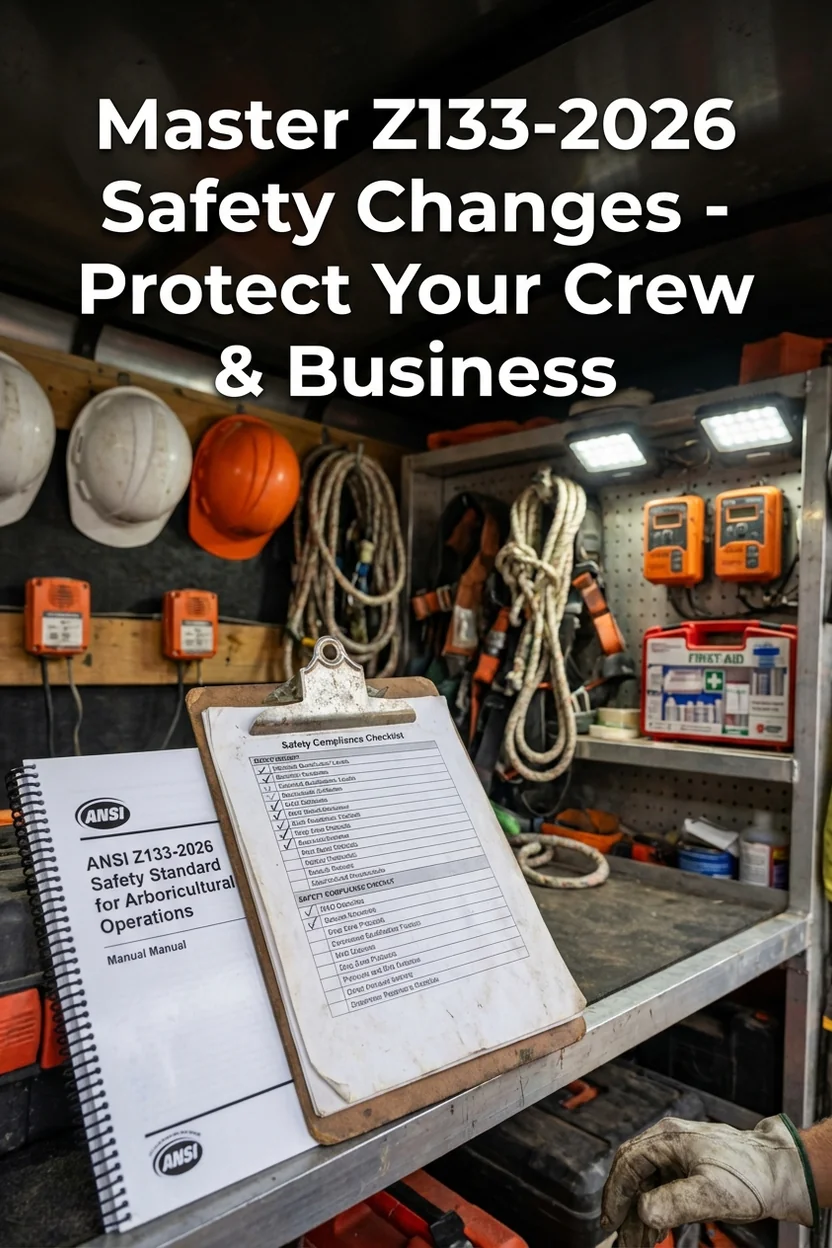
ASC Z133-2026: The Safety Standard Changes Every Tree Worker Must Know
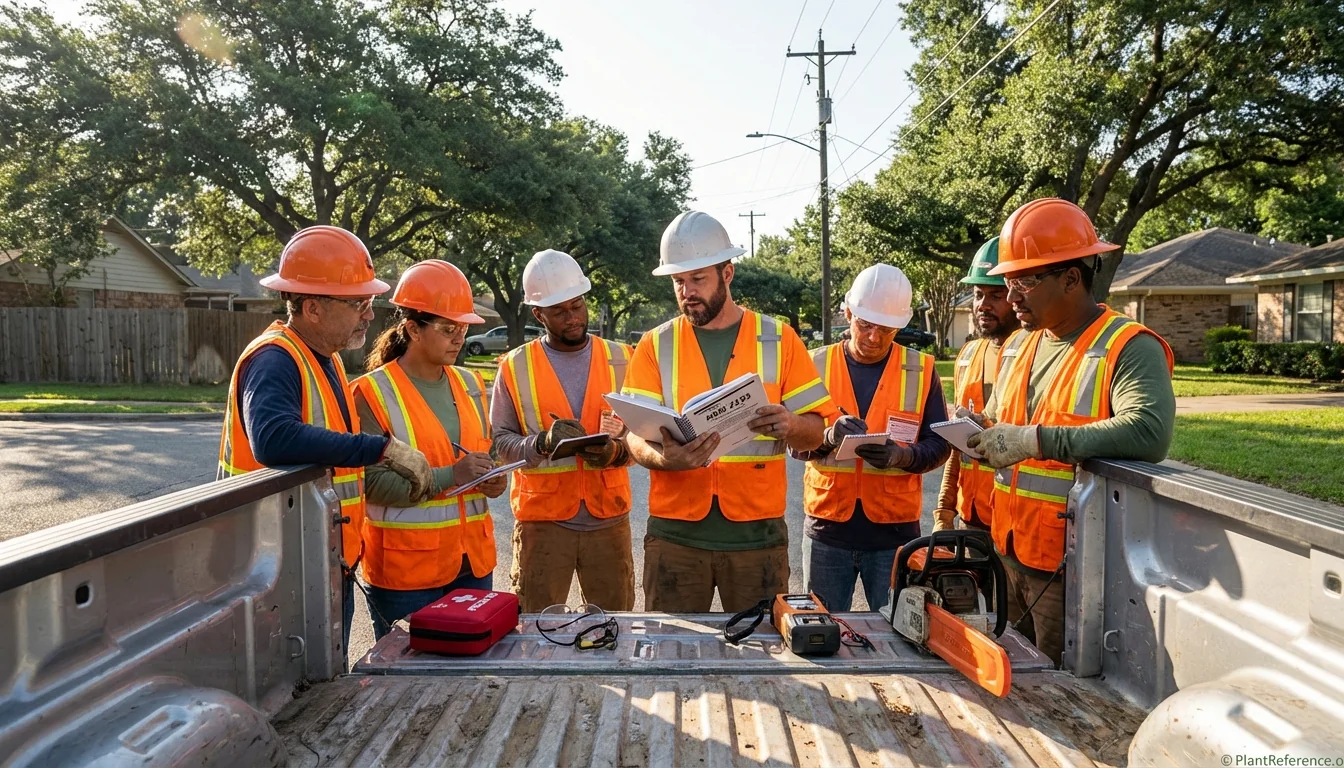
— Image © Plant Reference 2026
The ASC Z133-2026 safety standard represents the most transformative update in arboriculture safety in over five decades. If you're still operating under the old "recommendations," you're about to face mandatory compliance requirements that will reshape how every tree care operation functions.
What Makes Z133-2026 Different From Previous Versions
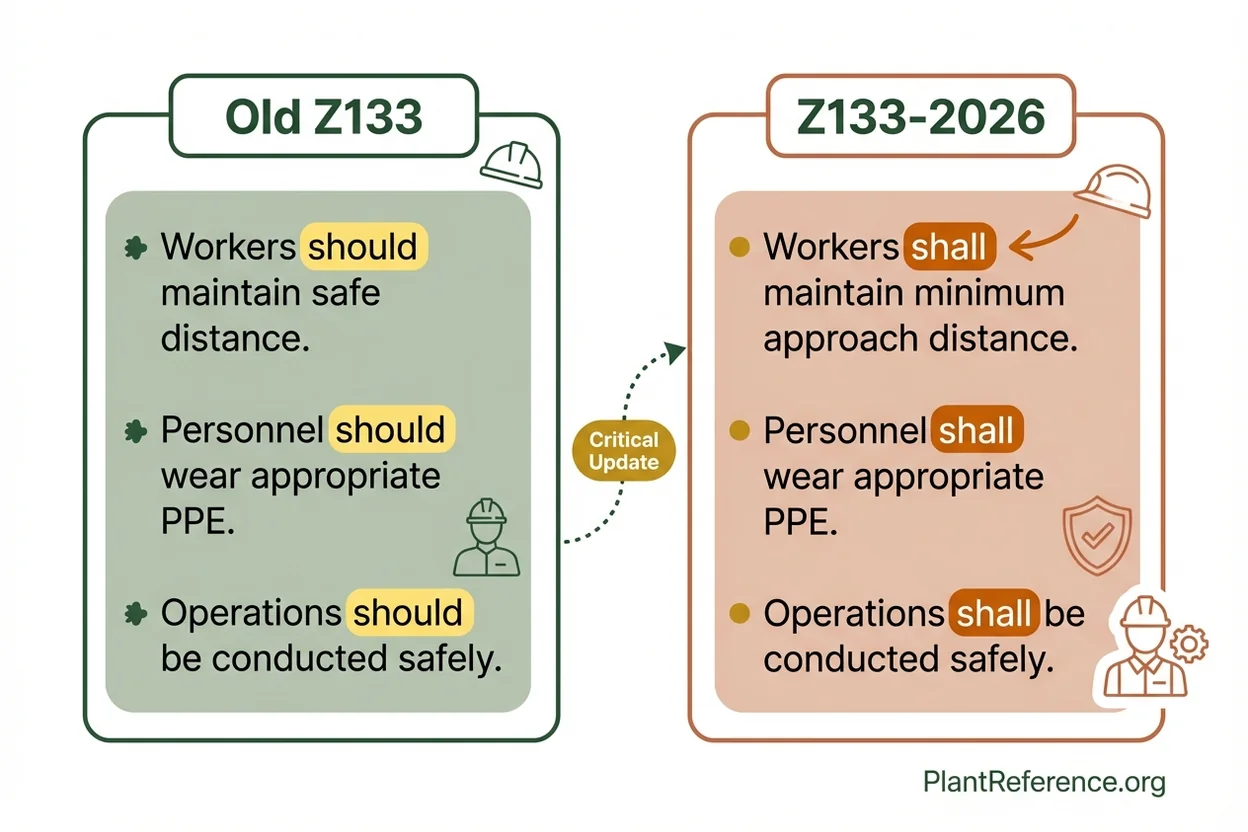
The fundamental shift in ASC Z133-2026 isn't subtle—it's a complete paradigm change. Where previous versions used "should" for most field practices, the 2026 revision mandates compliance using "shall" across the majority of safety protocols.
This isn't just semantic wordplay. In legal terms, "should" represents a recommendation that companies could reasonably interpret and adapt. "Shall" creates an absolute requirement with no wiggle room for interpretation. When OSHA investigators arrive at your job site, they're no longer evaluating whether you followed best practices—they're checking mandatory compliance.
The transformation affects three critical areas:
Electrical safety protocols now require specific qualification documentation for any worker approaching utility lines. You can't just say someone is "experienced"—you need documented evidence of competency at defined levels.
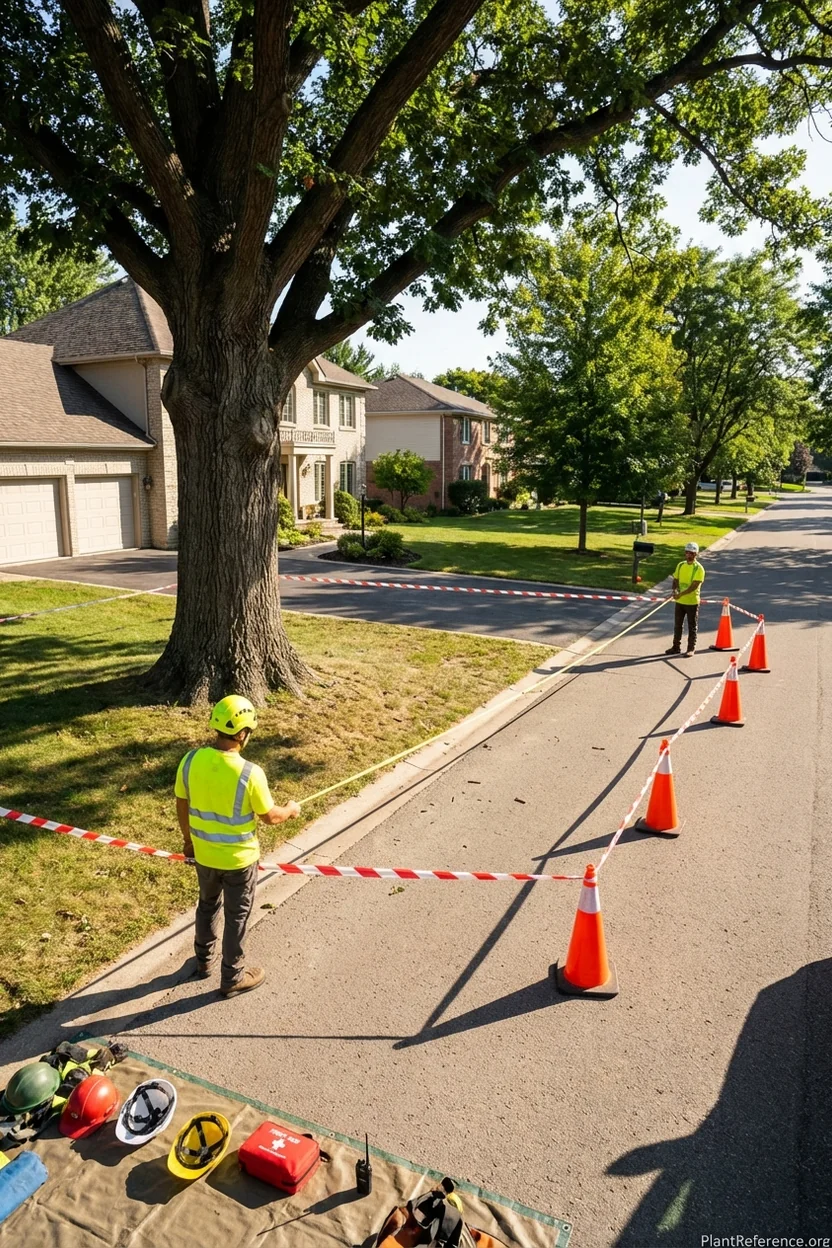
Drop zone management moves from general "maintain safe distances" to structured exclusion zones with specific measurements based on potential fall distances of debris.
Personal protective equipment transitions from recommended gear to mandatory specifications with regular inspection requirements.
The Four-Level Electrical Arborist Qualification System
The new electrical arborist qualification system creates four distinct levels, each with specific training requirements and permitted proximity to energized conductors. Every tree care plan must now categorize personnel by their electrical qualification level.
Level 1: Basic Awareness
No work within 10 feet of any electrical conductor
Ground-based support only
Basic electrical hazard recognition training
Cannot operate equipment near utility lines
Level 2: Qualified Line-Clearance Arborist
May work within the Minimum Approach Distance but not closer
Requires formal line-clearance training
Must demonstrate knowledge of electrical systems
Can operate equipment with proper clearances
Level 3: Electrical Hazard Awareness Specialist
Advanced training in electrical hazard assessment
Can supervise Level 1 and 2 workers
Qualified to establish work zones around conductors
Required for any crew working near electrical hazards
Level 4: Utility Specialist
Highest qualification for complex electrical environments
Can work directly with utility companies
Authorized to coordinate de-energization procedures
Required for emergency storm response near damaged lines
Documentation requirements include:
Written verification of completed training programs
Competency testing results with passing scores
Annual refresher training certificates
Medical clearance for electrical work exposure
Emergency response training completion
The qualification system directly impacts crew composition. You can no longer send any available worker near utility lines. Each job site must have appropriately qualified personnel based on the electrical hazards present.
Mandatory Drop Zone Management Protocols
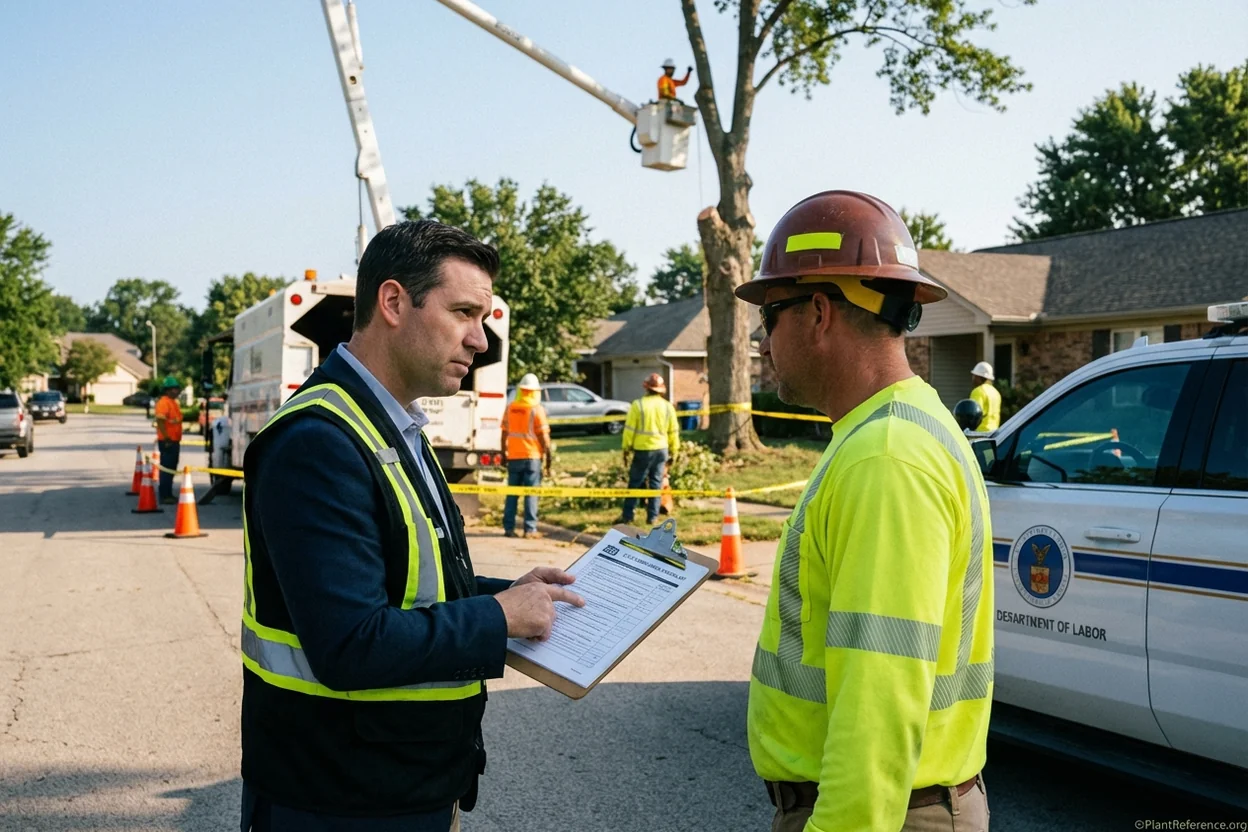
Z133-2026 establishes structured drop zone management that eliminates guesswork. Ground crews must maintain exclusion zones defined by the potential fall distance of debris, calculated using specific formulas rather than general "safe distances."
Basic Drop Zone Calculation:
Horizontal distance = 2 × tree height for rigged pieces
Horizontal distance = 1.5 × tree height for free-falling branches
Additional buffer = 10 feet minimum beyond calculated zone
Weather factor = increase by 50% during wind conditions above 15 mph
Zone Management Requirements:
Physical barriers (cones, flagging, rope lines) marking exclusion zones
Designated spotter maintaining constant visual contact with climber
Communication system between climber and ground crew
Emergency evacuation routes identified and marked
Pedestrian and vehicle traffic control procedures
For residential work, this means homeowners and neighbors cannot casually observe tree work from what they consider "safe" distances. You're responsible for establishing and maintaining these zones regardless of property lines or public sidewalks.
Updated Minimum Approach Distances (MADs)
The 2026 revision updates Minimum Approach Distances based on current conductivity research and real-world accident analysis. These distances represent absolute minimums—no person or equipment can approach closer without specialized protective measures.
Standard MADs by Voltage:
0-300 volts: maintain 3 feet clearance
301-15,000 volts: maintain 10 feet clearance
15,001-35,000 volts: maintain 15 feet clearance
35,001-138,000 volts: maintain 20 feet clearance
Above 138,000 volts: maintain 25+ feet clearance
Critical Changes from Previous Standards:
Increased buffer zones for distribution lines (residential power)
Weather-adjusted MADs during high humidity or precipitation
Equipment reach calculations include boom flex and operator movement
Ladder and pole saw work subject to same MADs as aerial equipment
The standard now requires MAD training for all crew members, not just climbers and equipment operators. Ground personnel must understand these distances to properly position vehicles, stack brush, and maintain work zones.
Documentation Requirements: Every job involving electrical hazards must include written MAD calculations in the work plan. This documentation becomes critical evidence in accident investigations and insurance claims.
OSHA Alignment and Legal Implications
Z133-2026 aligns closely with OSHA benchmarks, eliminating the gap between arboriculture safety standards and federal workplace regulations. This alignment has significant legal implications for tree care companies.
Primary Legal Changes:
Strict Liability: When Z133 uses "shall," courts treat violations as automatic negligence rather than requiring proof of unreasonable conduct. If you violate a "shall" requirement and someone gets injured, liability is essentially automatic.
OSHA Citation Defense: Previously, companies could argue that following Z133 recommendations satisfied their general duty clause obligations. Under Z133-2026, OSHA can cite specific standard violations directly.
Insurance Implications: Insurance companies now have clear benchmarks for determining coverage. Non-compliance with Z133-2026 "shall" requirements can void liability coverage entirely.
Worker Compensation: Employees injured due to Z133 violations may have enhanced claims against employers, particularly for electrical accidents involving unqualified workers.
The standard creates an affirmative defense system: companies demonstrating full Z133-2026 compliance have stronger legal positions in accident litigation.
Insurance Premium Impact of Z133 Compliance
Insurance companies are rapidly adjusting their underwriting criteria based on Z133-2026 compliance. The changes affect both premium calculations and coverage availability.
Premium Reduction Opportunities:
Documented Z133-2026 compliance programs: 10-15% premium reduction
Quarterly safety meetings with Z133 training: 5-8% reduction
Advanced electrical qualification levels for crew: 8-12% reduction
Zero OSHA citations in previous 3 years: 15-20% reduction
Investment in safety technology (proximity alarms, communication systems): 5-10% reduction
Premium Increase Triggers:
Any OSHA citation related to Z133 violations: 25-40% increase
Electrical accidents involving unqualified workers: 50-75% increase
Documented non-compliance with "shall" requirements: 20-30% increase
Claims involving drop zone violations: 30-45% increase
Coverage Exclusions: Many insurers are adding specific exclusions for accidents involving Z133-2026 non-compliance. This means your general liability policy might not cover claims if OSHA finds Z133 violations contributed to an accident.
The financial impact extends beyond premiums. Workers' compensation rates, equipment insurance, and even commercial vehicle coverage now factor Z133 compliance into their calculations.
How to Update Your Safety Program for 2026
Updating your safety program for Z133-2026 compliance requires systematic changes across five critical areas:
1. Personnel Assessment and Training
Evaluate every crew member's electrical qualification level. You cannot assume previous experience meets the new documentation standards. Each worker needs formal assessment and appropriate training certification.
Immediate Actions:
Conduct skills assessment for all personnel working near utilities
Enroll unqualified workers in appropriate electrical hazard training
Document existing competencies with formal testing
Establish annual recertification schedules
Create personnel qualification database with expiration tracking
2. Equipment and Technology Upgrades
Z133-2026 emphasizes technology-assisted safety. Consider these investments:
Electrical proximity alarm systems for aerial equipment
Two-way radio communication systems with emergency channels
Digital inclinometers for measuring lean and calculating fall zones
Weather monitoring stations for real-time wind speed data
GPS tracking for maintaining MAD documentation
3. Documentation Systems
The new standard requires extensive documentation. Develop systems for:
Pre-job electrical hazard assessments
Daily crew qualification verification
MAD calculations and weather adjustments
Drop zone measurements and barrier placement
Post-incident investigation procedures
4. Job Planning Integration
Every job involving electrical hazards needs formal planning documents including:
Site-specific electrical hazard identification
Crew qualification requirements
MAD calculations with weather contingencies
Drop zone measurements and traffic control plans
Emergency response procedures and contact information
Training Requirements and Certification Paths
Z133-2026 training requirements are more specific and demanding than previous standards. Understanding the certification paths helps you plan training investments and timeline.
Electrical Qualification Training Sources:
Utility Arborist Association (UAA)
Comprehensive line-clearance programs
Multi-level qualification system
Industry-recognized certification
Annual continuing education requirements
International Society of Arboriculture (ISA)
Electrical hazard awareness workshops
Integration with certified arborist continuing education
Online and in-person options available
Documentation that satisfies Z133 requirements
Tree Care Industry Association (TCIA)
Accredited electrical safety training programs
Hands-on equipment operation instruction
Small business-focused training schedules
Group discount programs for multiple employees
Training Timeline Planning:
Basic awareness training: 8-16 hours initial, 4 hours annual refresh
Qualified line-clearance: 40+ hours initial, 8 hours annual refresh
Specialist levels: 80+ hours initial, 16 hours annual refresh
Allow 60-90 days for scheduling and completion
Cost Considerations:
Basic training: $300-500 per person
Advanced qualifications: $800-1,200 per person
Annual recertification: $200-400 per person
Travel and lost productivity time: Additional 25-40% of direct costs
Emergency Response Protocol Changes
Z133-2026 significantly expands emergency response requirements, particularly for electrical incidents and serious injuries. The new protocols require advance preparation rather than reactive responses.
Mandatory Emergency Preparedness:
Communication Systems
Primary and backup communication with emergency services
Direct utility company emergency contact procedures
Crew-to-supervisor emergency notification protocols
Hospital transport coordination and route planning
Medical Response Equipment
Advanced first aid supplies beyond basic requirements
Automated external defibrillator (AED) for electrical hazard work
Emergency transportation arrangements
Trained medical responder on crew (not just first aid certified)
Electrical Emergency Procedures
De-energization request protocols with utility companies
Safe victim removal techniques for electrical contact
Equipment shutdown and isolation procedures
Scene preservation for accident investigation requirements
Documentation Requirements: All emergency responses require detailed incident reports within 24 hours, including:
Timeline of events with specific times
Personnel involved and their qualification levels
Environmental conditions at time of incident
Equipment involved and its maintenance status
Witness statements and contact information
Immediate corrective actions taken
Follow-up prevention measures implemented
The enhanced emergency protocols reflect Z133-2026's shift toward preventive safety culture rather than reactive damage control.
Frequently Asked Questions

Reading about plants and recognising them are different skills. These three build the second.
- Daily PlantIdentify the day’s mystery plant from a close-up photograph.
- Keyed OutWork a dichotomous key, lead by lead, to name a hidden specimen.
- Name That PlantName a specimen from botanical clues dealt hardest first.
Free to play, no account needed
Aisha manages a small tropical nursery on the east side of Houston, specializing in plants that can handle the Gulf Coast's humidity, heat, and unpredictable flooding. She studied horticulture in college and worked at a wholesale grower before opening her own operation. Growing up, her parents kept a kitchen garden with okra, bitter gourd, and curry leaf plants—a tradition she's continued. Houston's subtropical climate lets her grow things most of the country can't, but it also means dealing with fungal issues, standing water, and summers where it's too hot for even tomatoes. Aisha writes about tropical and subtropical plant care, humidity management, and working with heavy clay soils.