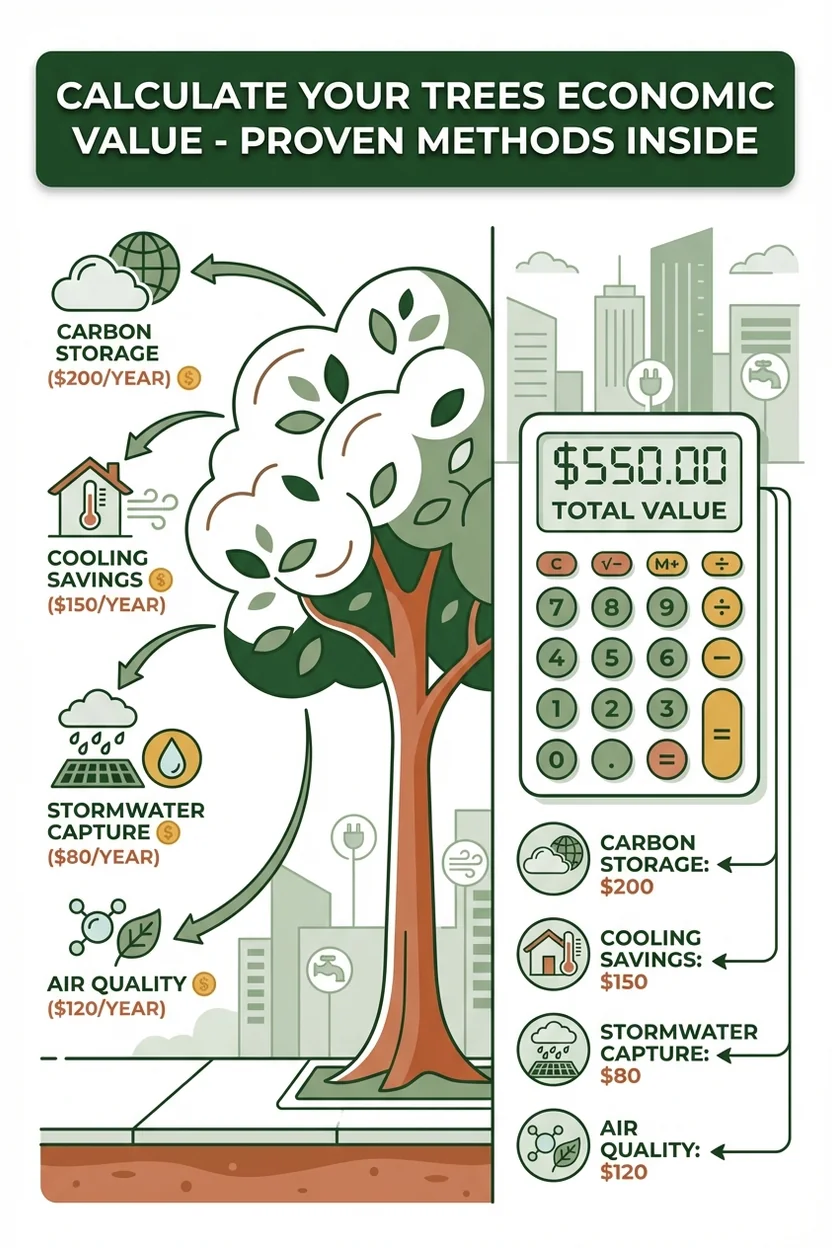
Tree Ecosystem Services: How to Calculate What Your Trees Are Worth
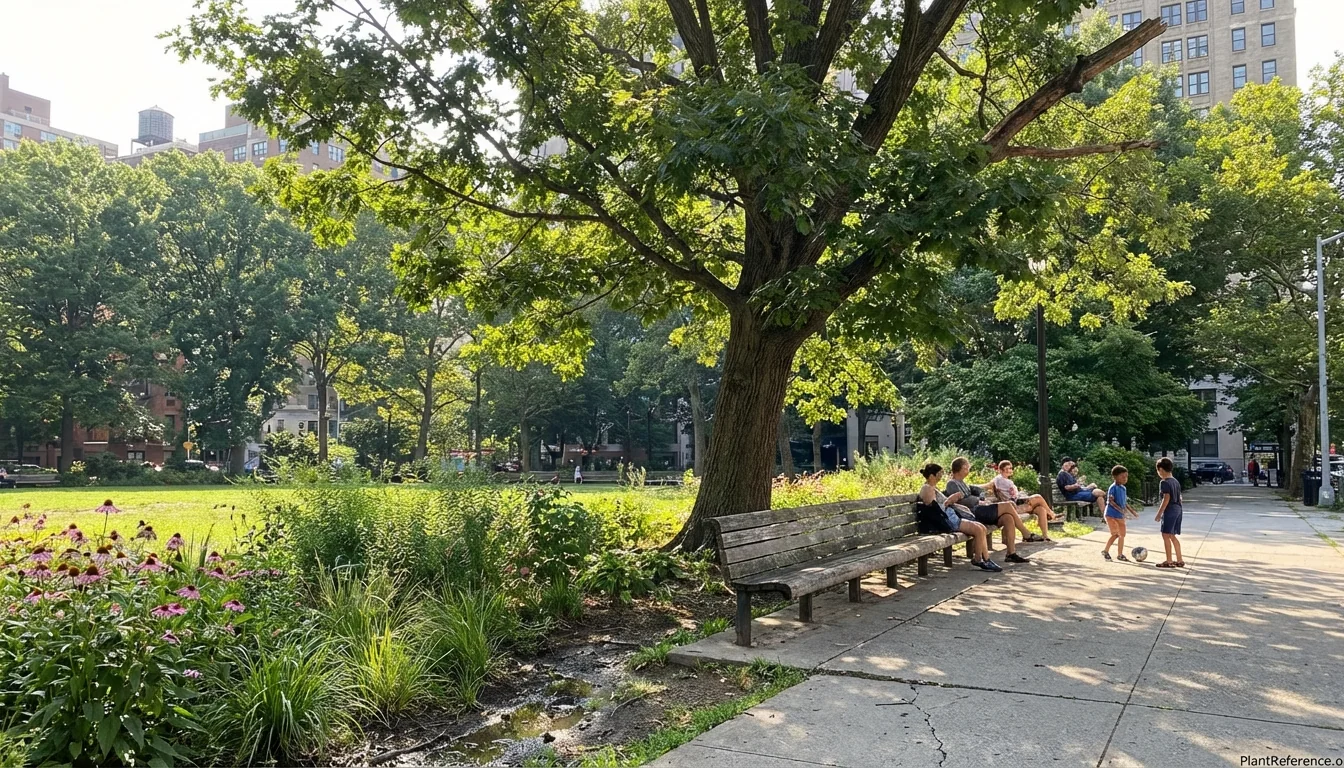
— Image © Plant Reference 2026
When municipal budget committees question urban forestry spending or homeowners wonder whether tree maintenance is worth the cost, ecosystem services valuation provides concrete answers in dollars and cents. The economic value of urban trees extends far beyond aesthetics—these living assets actively generate measurable financial returns through carbon storage, energy conservation, stormwater capture, and property enhancement.
Understanding Tree Ecosystem Services Value
Tree ecosystem services value represents the monetary worth of environmental benefits that trees provide to human communities. Unlike traditional assets that depreciate over time, healthy trees typically increase in value as they mature, expanding their canopy and root systems to deliver greater environmental performance.
The foundation of this valuation lies in ecological economics—the discipline that assigns market prices to natural processes. When a tree absorbs carbon dioxide, the carbon sequestration can be valued using carbon credit market prices. When tree shade reduces air conditioning costs, the energy savings represent direct economic benefits. These services occur continuously, making trees active contributors to economic systems.
Urban trees in the United States currently store 643 million tonnes of carbon, representing $50.5 billion in stored value. Additionally, they sequester 25.6 million tonnes annually, generating ongoing economic benefits measured in billions of dollars across all urban areas combined.
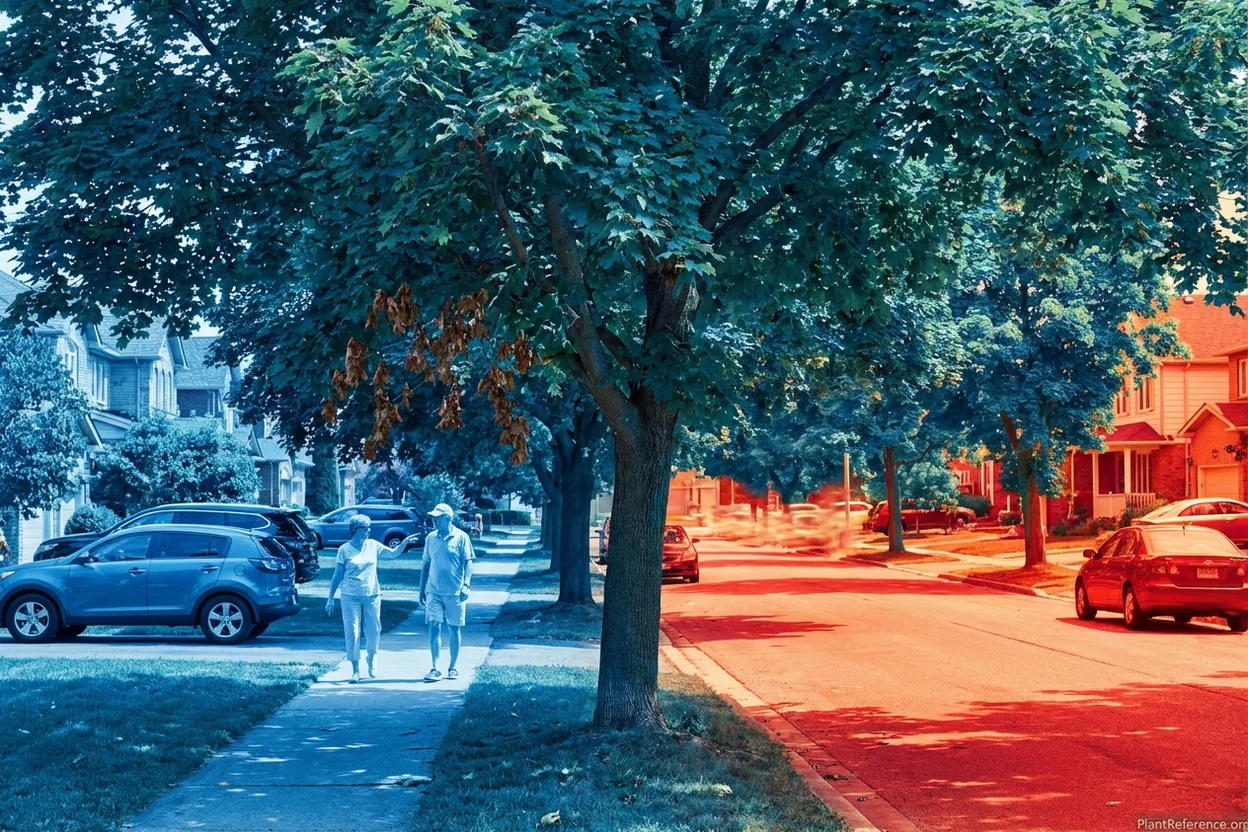
The 3-30-300 rule demonstrates the relationship between canopy coverage and economic benefits. Research shows that 30% neighborhood canopy coverage correlates with reduced healthcare costs, lower energy consumption, and higher property values—all quantifiable economic impacts.
The Science Behind Economic Valuation
Ecosystem services valuation employs two primary methodologies: replacement cost and benefit transfer. Replacement cost calculates what it would cost to provide the same service through built infrastructure. For example, if a tree intercepts 1,000 gallons of stormwater annually, the replacement cost equals the expense of constructing retention systems with equivalent capacity.
Benefit transfer uses established research to apply known economic values to similar situations. If studies in Chicago determine mature oaks provide $347 annually in combined services, benefit transfer applies this figure to similar oaks in comparable urban environments, adjusting for local economic conditions.
The i-Tree Suite, developed by the USDA Forest Service, represents the most sophisticated tool for ecosystem services valuation. However, current federal budget conditions have created uncertainty around i-Tree funding and long-term support, making it crucial to understand alternative valuation methods.
Valuation accuracy depends on several biological factors:
Species selection: Different species provide varying service levels—deciduous trees excel at summer cooling, while conifers provide year-round air filtration
Tree age and size: Mature trees generally provide exponentially greater services than young specimens
Health status: Stressed or declining trees deliver reduced ecosystem performance
Placement: Strategic positioning near buildings, stormwater systems, or high-traffic areas maximizes economic value
Maintenance quality: Well-maintained trees sustain higher service delivery over longer periods
The biological mechanisms underlying these services directly influence their economic value. Photosynthesis removes CO₂ from atmosphere while producing oxygen. Evapotranspiration cools surrounding air through latent heat transfer. Root systems and soil organisms process pollutants while stabilizing soil structure.
Carbon Sequestration and Storage Calculations
Carbon represents the most straightforward ecosystem service to quantify economically. Trees sequester atmospheric CO₂ through photosynthesis, converting carbon into wood, bark, and root biomass. This process removes greenhouse gases from the atmosphere, providing climate mitigation value.
Annual sequestration rates vary significantly by species and growing conditions:
Fast-growing species: 35-50 pounds CO₂ annually (mature specimens)
Moderate-growth species: 25-40 pounds CO₂ annually
Slow-growing species: 15-30 pounds CO₂ annually
Urban stress factors: Reduce sequestration by 15-35% compared to forest conditions
To calculate carbon value, multiply annual sequestration by current carbon credit prices. Carbon markets fluctuate between $15-50 per tonne CO₂, with California's cap-and-trade program often serving as a benchmark price.
Carbon storage represents the accumulated carbon held in tree biomass. Large mature trees can store 1-2 tonnes of carbon in their trunk, branches, and root systems. This stored carbon maintains economic value as long as the tree remains healthy and alive.
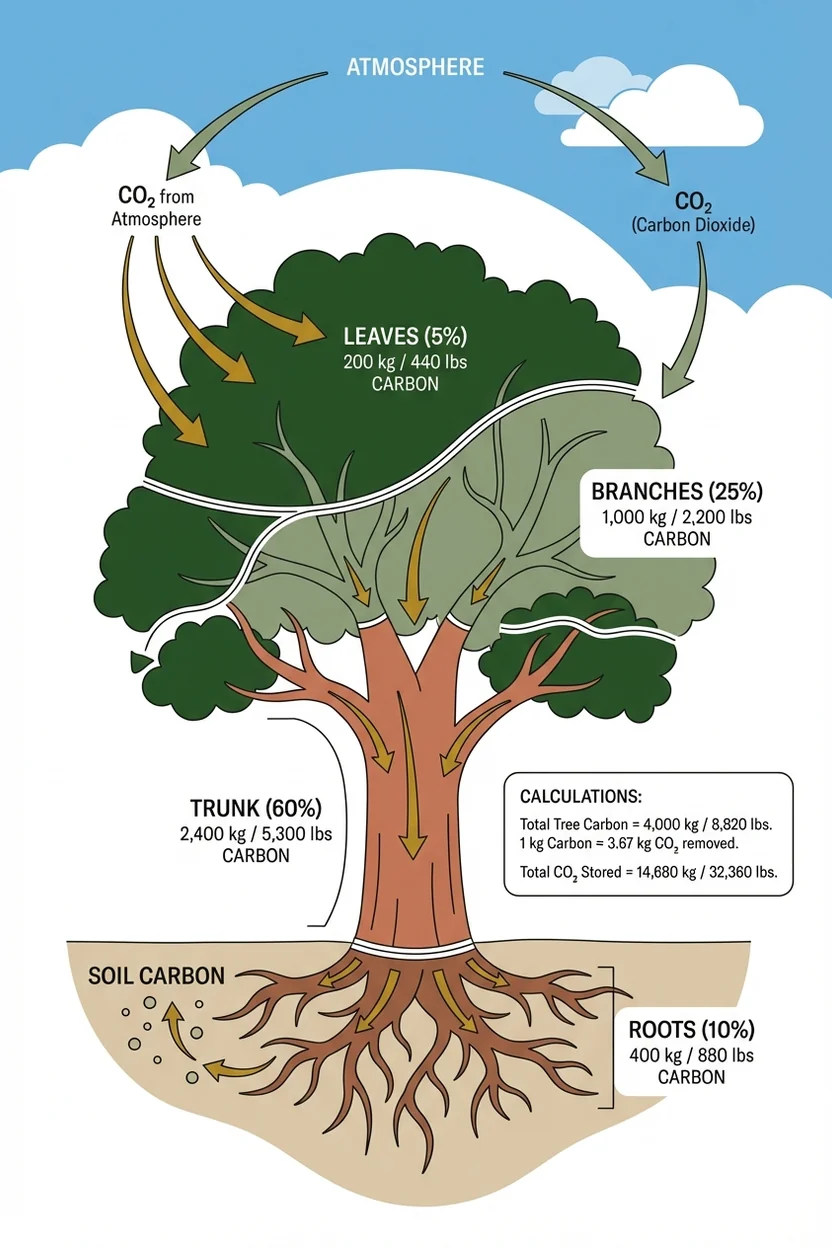
The Council of Tree and Landscape Appraisers (CTLA) includes carbon storage in its comprehensive valuation methods, though carbon pricing represents just one component of total economic value.
Energy Savings Through Shade and Cooling
Trees reduce building energy consumption through direct shading and evapotranspiration cooling. A single mature tree can transpire 100-400 gallons of water daily during growing season, creating cooling equivalent to several air conditioning units.
Shading benefits provide the most direct energy savings:
East-side placement: Reduces morning heat gain, most effective 6:00-10:00 AM
South-side placement: Maximum cooling during peak summer heat, 11:00 AM-4:00 PM
West-side placement: Critical for afternoon heat reduction, highest energy savings potential
North-side placement: Minimal direct cooling but provides year-round wind protection
Research from Lawrence Berkeley National Laboratory demonstrates that strategically placed trees can reduce residential cooling costs by 15-35% annually. For a home with $150 monthly summer cooling bills, this represents $135-315 in annual savings.
Commercial buildings experience even greater savings due to larger surface areas and higher energy consumption. The Chicago Urban Forest Climate Project found downtown trees reduce building energy use by up to 7% annually across participating structures.
Evapotranspiration cooling operates through latent heat transfer. As trees release water vapor through their leaves, they absorb heat energy from surrounding air. This process can reduce local air temperatures by 2-8°F (1-4°C) compared to areas without tree cover.
The Calgary study published in Nature (2025) quantified this cooling relationship: 10% canopy increase correlates with 0.8°C temperature reduction, while 30% canopy increase provides 1.5°C cooling. Tree canopy explains 67% of spatial temperature variation across urban areas.
Stormwater Management Benefits
Urban trees intercept rainfall before it reaches the ground, reducing stormwater runoff volume and peak flow rates. This interception prevents flooding, reduces erosion, and decreases the burden on municipal stormwater infrastructure.
Rainfall interception varies by species and season:
Deciduous trees: 15-25% annual rainfall interception (higher during leaf-on periods)
Coniferous trees: 20-35% annual rainfall interception (consistent year-round performance)
Large mature specimens: 2,000-4,000 gallons intercepted annually
Young trees: 200-800 gallons intercepted annually
The economic value of stormwater management equals the replacement cost of equivalent built infrastructure. Municipal stormwater systems cost $3-8 per gallon of storage capacity. A tree intercepting 3,000 gallons annually provides $9,000-24,000 in infrastructure replacement value.
However, annual valuation typically uses operation and maintenance costs rather than total replacement value. Portland's stormwater utility calculates tree benefits at $0.63 per gallon of annual interception, making a 3,000-gallon tree worth $1,890 annually for stormwater services.
Trees also improve water quality by filtering pollutants through their root zone and associated soil organisms. This filtration reduces treatment costs for downstream water processing facilities.
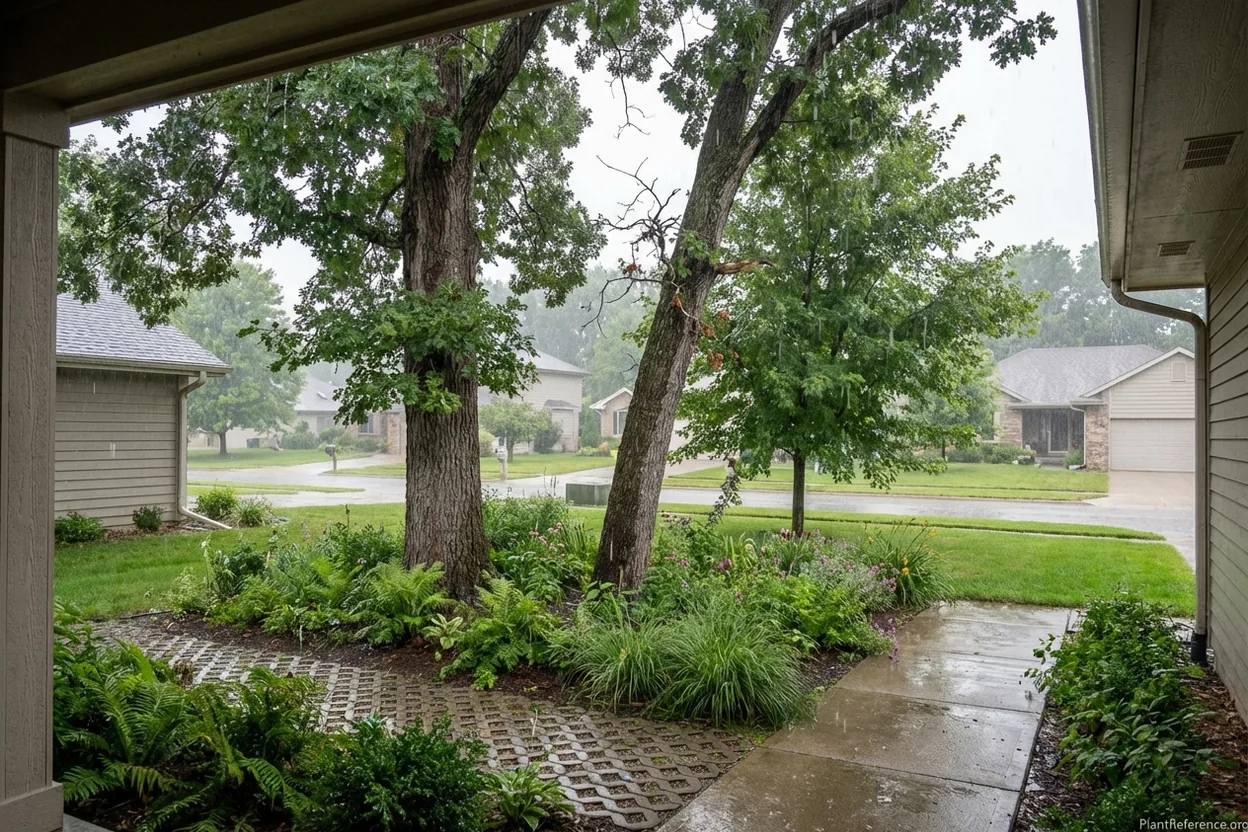
The replacement cost method works well for stormwater valuation because municipalities can directly compare tree interception against the cost of constructing retention ponds, permeable pavement, or underground storage systems.
Air Quality Improvement Quantification
Trees improve air quality by removing particulate matter, absorbing gaseous pollutants, and producing oxygen. These services provide direct health benefits that translate into economic value through reduced healthcare costs and improved productivity.
Particulate matter removal represents the most quantifiable air quality benefit:
PM2.5 removal: 10-50 pounds annually per mature tree
PM10 removal: 15-75 pounds annually per mature tree
Leaf surface area: Direct correlation with particle capture efficiency
Species variation: Conifers and trees with waxy/rough leaves excel at particle removal
The health benefits of particulate matter removal can be valued using medical cost data. The EPA estimates that reducing PM2.5 exposure saves $140,000-380,000 per statistical life-year gained. While individual tree contributions are small, urban forest-wide impacts reach millions of dollars in health cost savings.
Gaseous pollutant absorption includes removal of:
Nitrogen dioxide (NO₂): Traffic-related pollutant causing respiratory issues
Sulfur dioxide (SO₂): Industrial pollutant linked to cardiovascular problems
Ozone precursors: Volatile organic compounds contributing to smog formation
Carbon monoxide: Vehicle emission causing oxygen transport problems
The TreeTalker sensor platform can measure real-time air quality improvement, providing data for accurate economic valuation. Average measurements show individual mature trees remove pollutants worth $30-120 annually in health cost avoidance.
Property Value Enhancement Methods
Real estate research consistently demonstrates positive correlation between tree coverage and property values. This relationship provides perhaps the most direct economic measurement of tree benefits for homeowners and municipal tax bases.
Statistical analysis of property sales data reveals:
Street trees: Increase property values by 3-7% on average
Mature canopy: Premium of 6-12% compared to properties without tree coverage
Species effects: Native and well-adapted species command higher premiums than struggling non-natives
Maintenance quality: Well-maintained trees increase value while poorly maintained trees may decrease value
The hedonic pricing method examines thousands of property sales to isolate the price premium associated with tree coverage. Studies control for other variables (lot size, home age, neighborhood characteristics) to identify the specific contribution of trees to market value.
For a $300,000 home, street trees might contribute $9,000-21,000 to market value, while mature landscape trees could add $18,000-36,000. These values represent one-time increases in asset value rather than annual benefits.
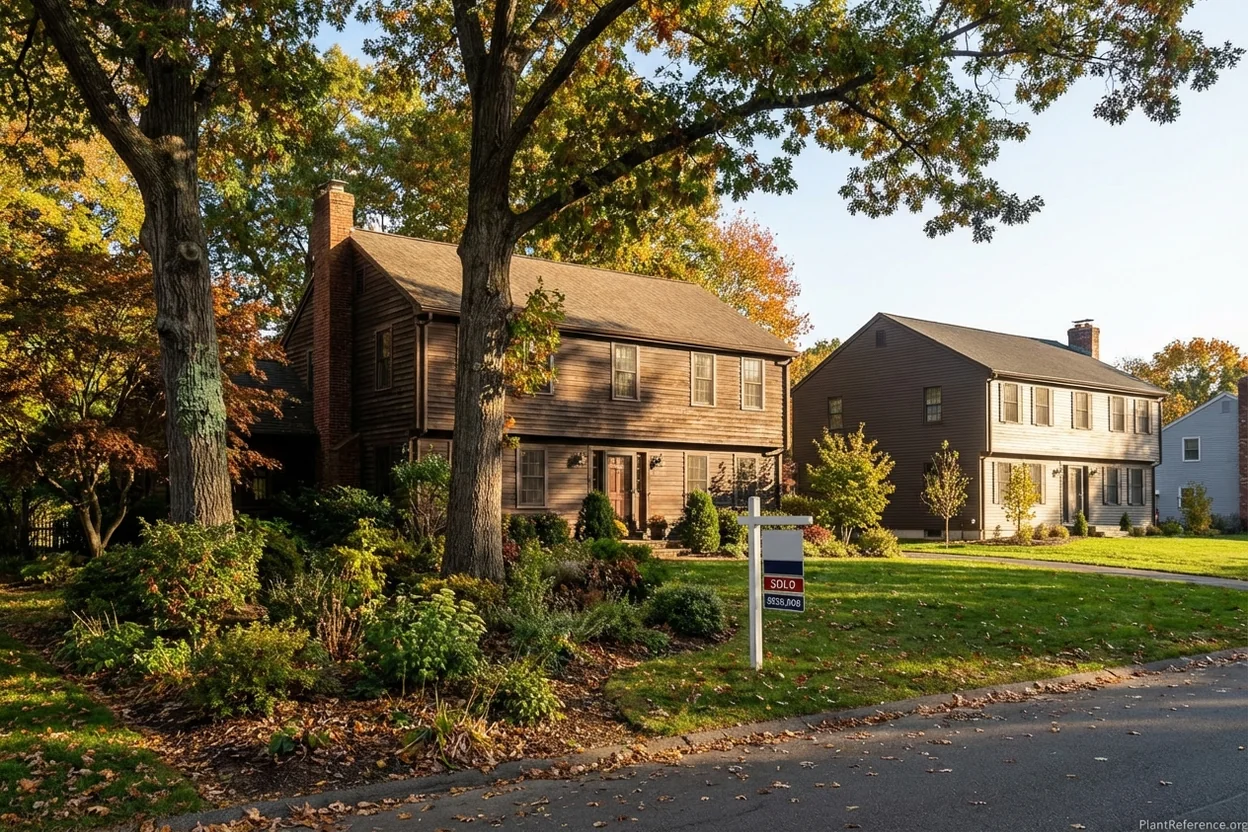
Municipal tax assessors increasingly recognize tree-related property value increases when calculating assessed values for property tax purposes, providing ongoing revenue benefits for local governments.
Using i-Tree Eco for Valuation
The i-Tree Eco software represents the most comprehensive tool for quantifying urban forest ecosystem services value. Developed by the USDA Forest Service in partnership with Davey Tree Expert Company, i-Tree Eco uses standardized field measurements and meteorological data to calculate annual benefits and total asset value.
Data requirements for accurate i-Tree analysis:
Tree inventory: Species, diameter at breast height (DBH), height, crown dimensions, health condition
Location data: GPS coordinates, distance to buildings, land use classification
Local climate: Temperature, precipitation, humidity, wind patterns from nearest weather station
Economic factors: Local utility rates, construction costs, property values
The software processes this data through peer-reviewed algorithms to calculate:
Annual carbon sequestration and total carbon storage
Energy savings through building shading and regional cooling
Stormwater interception and runoff reduction
Air quality improvement through pollutant removal
Replacement value using current construction and nursery costs
Output reports provide both individual tree values and forest-wide totals. A typical mature oak might show:
Carbon benefits: $45-85 annually
Energy savings: $125-275 annually
Stormwater services: $35-95 annually
Air quality improvement: $25-65 annually
Total annual benefit: $230-520
However, federal budget uncertainty has raised questions about i-Tree's long-term availability and support. The program faced funding challenges in 2025, making it important to understand alternative valuation methods.
CTLA Trunk Formula Method
The Council of Tree and Landscape Appraisers (CTLA) provides standardized methods for determining tree replacement value, particularly useful for insurance claims, legal proceedings, and asset management decisions.
The trunk formula method calculates replacement value using:
Basic Value = Unit Tree Cost × Trunk Area × Species Rating × Condition Rating × Location Rating
Unit Tree Cost represents the per-square-inch cost of the largest commonly available nursery stock, typically 2-4 inch (5-10 cm) diameter trees. Current rates range from $15-35 per square inch depending on regional nursery markets.
Trunk Area equals π × radius², calculated from diameter at breast height (DBH) measured at 4.5 feet (137 cm) above ground.
Species Rating (0.80-1.20) adjusts for species desirability, availability, and performance. Native, well-adapted species receive higher ratings than invasive or problematic species.
Condition Rating (0.10-1.00) reflects tree health, structure, and expected longevity. Excellent specimens rate 0.90-1.00, while declining trees rate 0.30-0.60.
Location Rating (0.50-1.20) considers appropriateness of placement, surrounding landscape quality, and functional contribution to site.
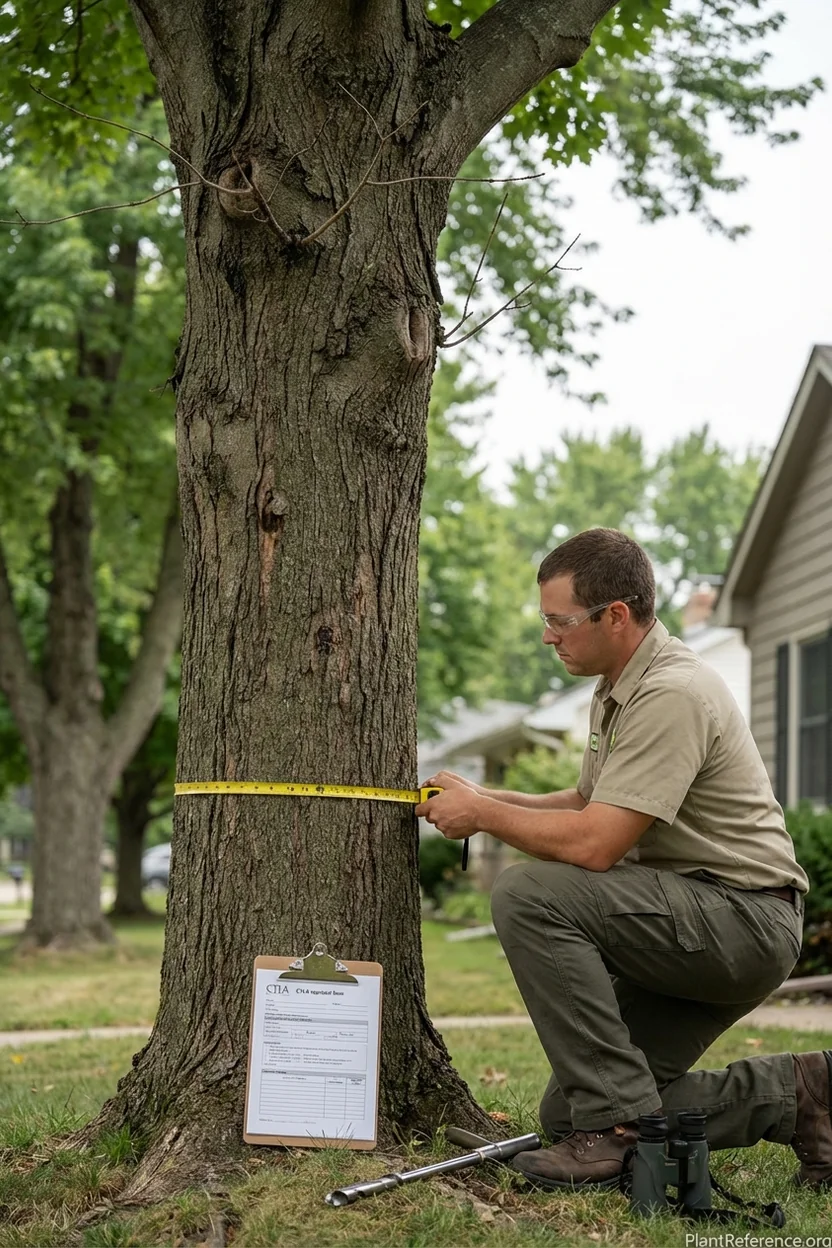
A mature 24-inch (61 cm) DBH oak in excellent condition might calculate as:
Trunk area: π × 12² = 452 square inches (2,916 cm²)
Unit cost: $25 per square inch
Species rating: 1.10 (excellent native species)
Condition rating: 0.95 (excellent health)
Location rating: 1.05 (appropriate placement)
Total value: $25 × 452 × 1.10 × 0.95 × 1.05 = $12,450
This replacement value differs from annual ecosystem services benefits—it represents the cost to replace the tree's size and function, not ongoing service delivery.
Applying Valuation to Decision Making
Ecosystem services valuation transforms tree management from expense-driven maintenance into investment-focused asset management. Understanding economic returns enables data-driven decisions about planting, maintenance, and removal.
Municipal budget justification becomes straightforward when urban forestry programs demonstrate measurable returns. In California, every dollar invested in urban trees yields $5.82 in ecosystem services benefits. This 582% return on investment exceeds most municipal infrastructure projects.
Prioritization matrices can rank management actions by economic impact:
High-value mature trees: Prioritize intensive maintenance to extend service delivery
Strategic planting locations: Target sites with maximum energy and stormwater benefits
Species selection: Choose climate-adapted species providing optimal service levels
Hazard tree management: Balance removal costs against lost ecosystem value
Cost-benefit analysis compares management alternatives using quantified ecosystem services. Tree preservation during construction might cost $5,000 but preserve $15,000 in ecosystem value plus $8,000 in replacement costs—a clear economic decision.
The unified nature valuation framework advanced at COP30 integrates ecological assets into traditional financial reporting, suggesting that ecosystem services accounting will become standard practice for municipal and corporate environmental management.
Long-term planning benefits from lifecycle costing that includes ecosystem services value. A tree costing $300 to plant and $2,000 to maintain over 40 years might provide $20,000 in ecosystem services—a dramatic positive return supporting expansion of urban forest programs.
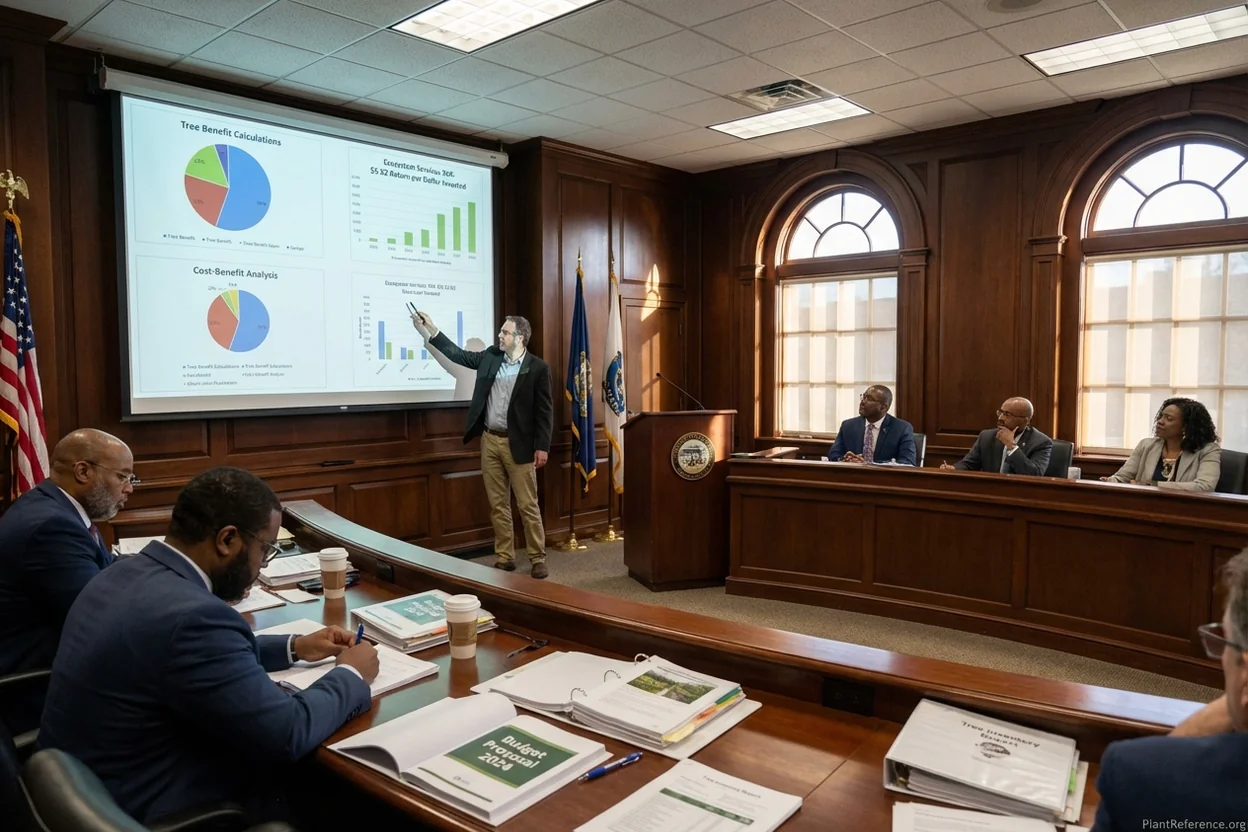
Understanding tree ecosystem services value also supports Tree Care Plan development, Tree Risk Assessment prioritization, and Climate Resilient Trees selection by providing economic frameworks for evaluating management alternatives.
The shift toward viewing trees as green infrastructure assets rather than landscaping amenities represents a fundamental change in urban forest management. Ecosystem services valuation provides the economic foundation for this transition, enabling evidence-based decisions that optimize both environmental and financial returns.
As climate change intensifies urban heat island effects and stormwater management challenges, the economic value of urban trees will likely increase, making current investments in tree establishment and care even more financially attractive over time.
Frequently Asked Questions
Reading about plants and recognising them are different skills. These three build the second.
- Daily PlantIdentify the day’s mystery plant from a close-up photograph.
- Keyed OutWork a dichotomous key, lead by lead, to name a hidden specimen.
- Name That PlantName a specimen from botanical clues dealt hardest first.
Free to play, no account needed
Sarah earned her doctorate in plant biology and spent time working in botanical garden education before transitioning to freelance writing and consulting. Now based in Portland, Oregon, she teaches plant identification workshops at local community centers and maintains a modest collection of over 60 houseplants in her small apartment. Sarah specializes in helping beginners understand plant science without the jargon—her approach focuses on practical observation over theory. She's killed her fair share of fiddle leaf figs and finally cracked the code on keeping them alive.