Image 1 of 17
1 / 17
Plant Reference
Gleditsia, Genus, triacanthos, Species,
- Genus & species
honey locust
Central and eastern North America from Pennsylvania west to Nebraska and south to Texas and Mississippi; floodplains, river bottoms, and upland woods
Overview
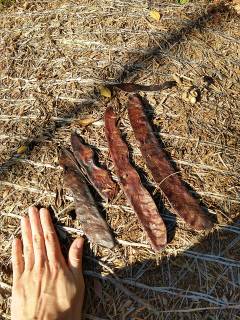
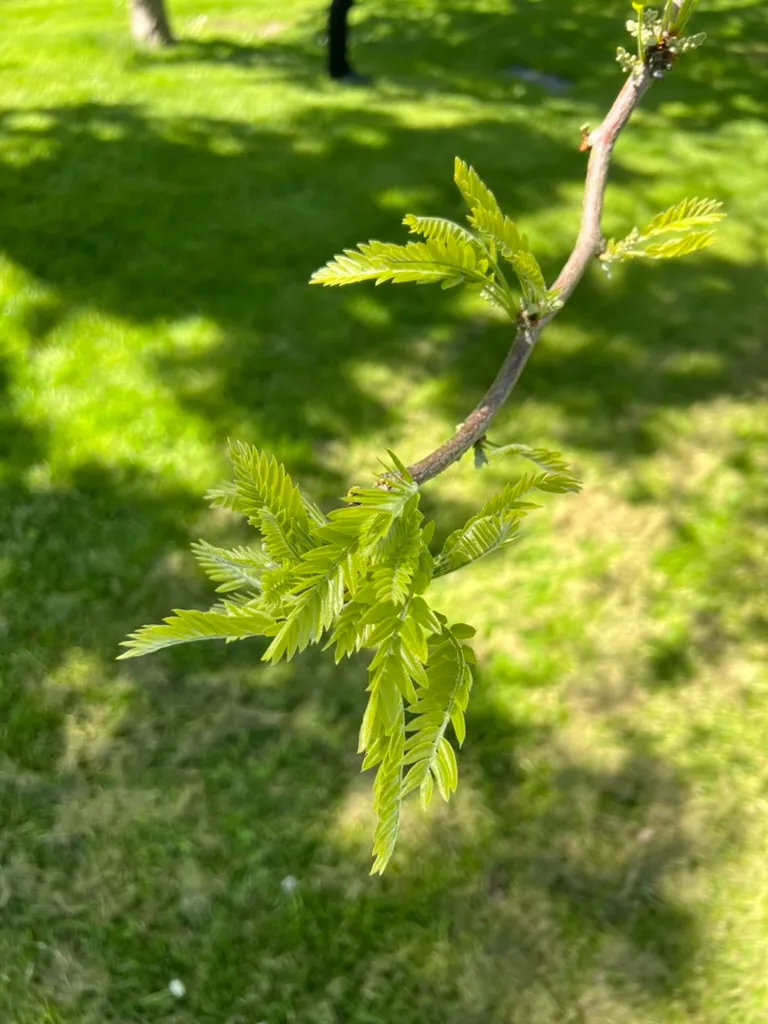
Gleditsia triacanthos is a large upright deciduous tree in the family Fabaceae reaching 40–80 feet (12–24 m) tall and 30–50 feet (9–15 m) wide with a broad open canopy. Leaves are alternate and bipinnately compound, carrying numerous small oblong leaflets each 0.5–1.5 inches (1.3–3.8 cm) long; the finely divided compound leaflets filter light so that the canopy produces dappled rather than dense shade, and lawn grasses establish and grow beneath the tree where they fail under denser-canopy shade trees. The small leaflets decompose in place through fall without raking. Small greenish-yellow flowers in pendent racemes 2–3 inches (5–7 cm) long open in May and June; the flowers are lightly fragrant and nectar-rich and draw bees in large numbers across a 3-week bloom period. The wild species type carries branched thorns 3–8 inches (7–20 cm) long on the trunk and major branches and produces flat twisted seed pods 6–18 inches (15–45 cm) long, both of which make it unsuitable for street tree use. Thornless seedless cultivars in var. inermis ('Shademaster', 'Skyline', 'Sunburst') are the stock used for street and landscape planting. Limitation: honey locust plant bug (Diaphnocoris chlorionis) and mimosa webworm (Homadaula anisocentra) cause cosmetic foliage damage in summer without killing the tree, and the species has been overplanted as a street tree in many North American cities, so newer plantings carry elevated pest pressure where established honey locust populations already host the insects.
Native Range
Native to central and eastern North America from Pennsylvania west to Nebraska and south to Texas and Mississippi, growing on floodplains, river bottoms, and upland woods. The species establishes readily on disturbed ground and is a pioneer tree in abandoned pastures throughout its native range.Suggested Uses
Used as a street tree, shade tree, or lawn tree at 30–50 foot (9–15 m) spacing where dappled shade is the design goal and turf or ground cover will grow beneath the canopy. Grafted thornless seedless cultivars in var. inermis are the stock for street and landscape positions because the wild species-type trees carry hazardous thorns and produce pod litter. Urban street tree positions with compacted soil, salt spray, and alkaline pH are tolerated. The species has been heavily overplanted in North American cities since the loss of American elm to Dutch elm disease, so diversification toward less common large shade trees reduces disease and pest exposure across urban forest plantings.How to Identify
Appearance
Size & Dimensions
Height40' - 80'
Width/Spread30' - 50'
Bloom Information
Small greenish-yellow flowers in pendent racemes 2–3 inches (5–7 cm) long open from May through June, lasting about 3 weeks. The flowers are lightly fragrant, nectar-rich, and bee-pollinated. Female and bisexual trees of the species type produce flat twisted brown pods 6–18 inches (15–45 cm) long in fall; thornless seedless cultivars such as 'Shademaster' and 'Skyline' produce no pods.
Detailed Descriptions
Flower Description
small greenish-yellow flowers in pendent racemes 2-3 inches (5-7 cm) long; lightly fragrant, nectar-rich, and bee-pollinatedFoliage Description
bright to medium green through the growing season; alternate, bipinnately compound with numerous small oblong leaflets each 0.5-1.5 inches (1.3-3.8 cm) long; turns yellow in fallGrowing Conditions
Sun Requirements
Requires 6-12 hours of direct sunlight daily
• Full Sun: 6+ hours of direct sunlight
• Partial Shade: 3-6 hours of direct sunlight
• Full Shade: Less than 3 hours of direct sunlight
Care & Maintenance
Care Guide
Site in full sun with 6–12 hours of direct sun per day in well-drained soil with a pH of 5.5–8.0. The species tolerates clay, sand, compacted urban soils, salt spray, and alkaline conditions and is drought-tolerant once established. Grafted thornless seedless cultivars in var. inermis ('Shademaster', 'Skyline', 'Sunburst', 'Imperial') are the standard stock for street and landscape use because the wild species-type trees carry hazardous thorns and produce pod litter. Honey locust plant bug and mimosa webworm cause cosmetic foliage damage in summer in many urban populations, and insecticide treatment is rarely justified for the aesthetic damage alone. Hardy in USDA zones 3–9.Pruning
Pruning is done in late winter (February and March) while the tree is dormant. A strong central leader is developed in the first 5–10 years because honey locust is prone to co-dominant leaders and narrow branch angles with included bark. Dead, crossing, or low-hanging branches can be removed at the same time. The naturally open spreading canopy allows filtered light to reach turf and ground-cover plantings below and requires little shaping once the leader and primary scaffold are established.Pruning Schedule
Prune: February–March
early spring