Best Tree Inventory Software for Municipalities and Arborists (2026 Compared)
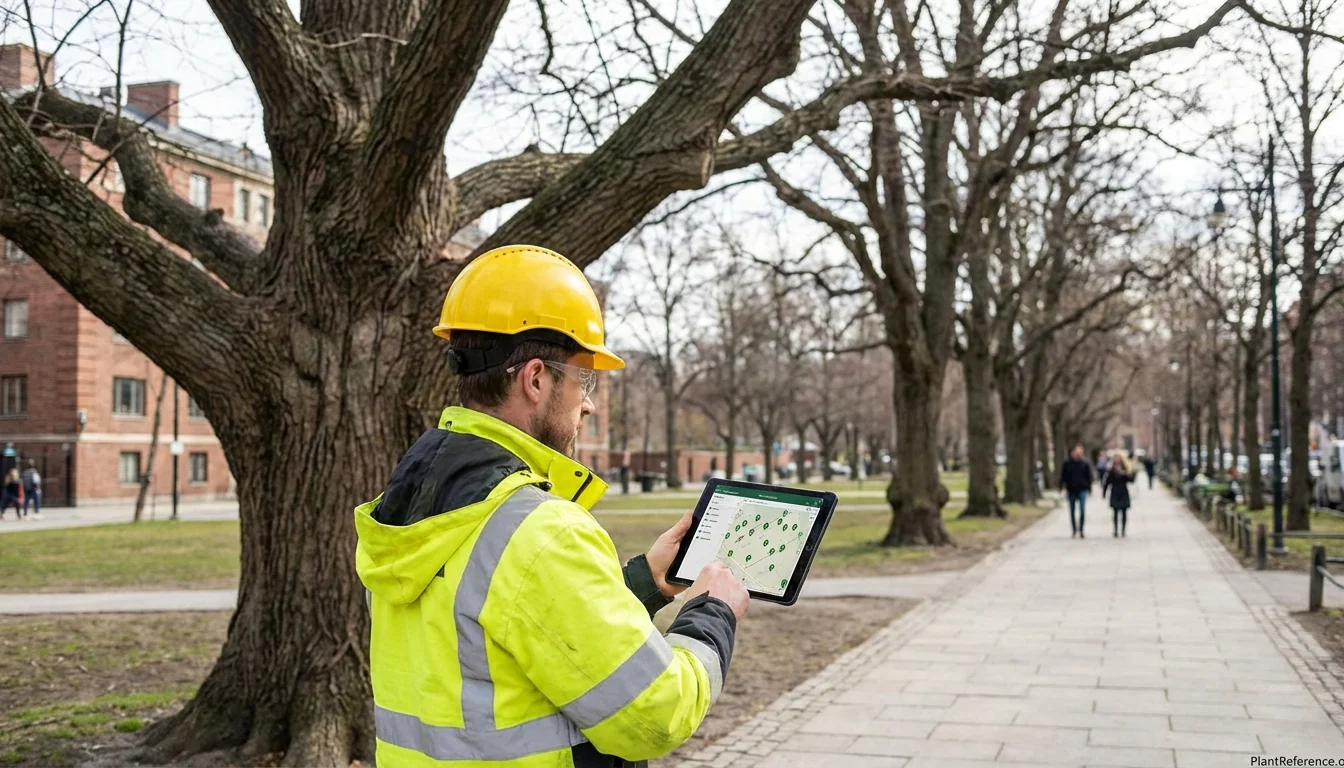
— Image © Plant Reference 2026
Tree inventory software has become essential infrastructure for any organization managing more than a few hundred trees. The days of paper spreadsheets and hand-drawn maps are over—modern platforms combine cloud GIS mapping, mobile field collection, risk assessment integration, and AI-powered analytics into systems that fundamentally change how we manage urban canopies. The arborist software market reached $1.49 billion in 2025 with projections hitting $2.5 billion by 2031, and the tools available now are dramatically more capable than what existed even two years ago. I've worked with most of these platforms in consulting engagements across dozens of municipalities and commercial operations. Here's what actually matters when choosing one. How to Write a Tree Care Plan: The Complete 2026 Guide
Head-to-Head Platform Comparison
The tree inventory software market breaks into three tiers: municipal-focused platforms built for city forestry departments, commercial platforms designed for tree care businesses, and free tools for ecosystem valuation and academic use. Each serves a different primary user, and choosing the wrong tier is the most common expensive mistake I see.
Platform | Best For | Starting Price | GIS Mapping | Mobile App | AI Features | Risk Assessment |
|---|---|---|---|---|---|---|
TreePlotter INVENTORY | Municipalities | $3,500+/year | Cloud GIS | Yes | Limited | TRAQ, CTLA |
TreeKeeper | Large municipalities | Contact | Full suite | Yes | No | Integrated |
ArboStar | Commercial businesses | Contact | Basic | Yes | RAI (10 modules) | Job-level |
ArborNote | Proposal-driven firms | Contact | GPS mapping | Yes | No | No |
Mapscape | Government contracts | Contact | ESRI partner | Yes | No | No |
i-Tree Suite | Ecosystem valuation | Free | Canopy analysis | Limited | No | No |
Best for Municipal Tree Management
TreePlotter INVENTORY (PlanIT Geo)
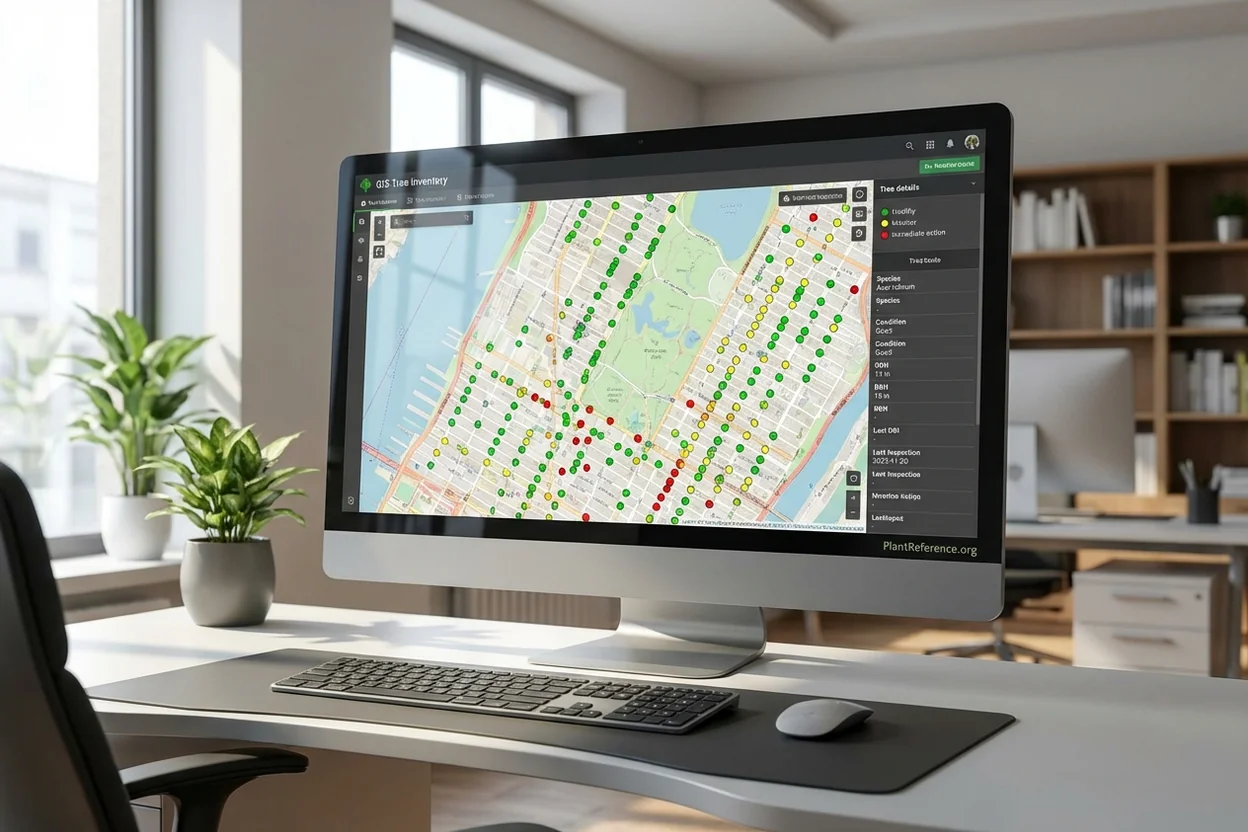
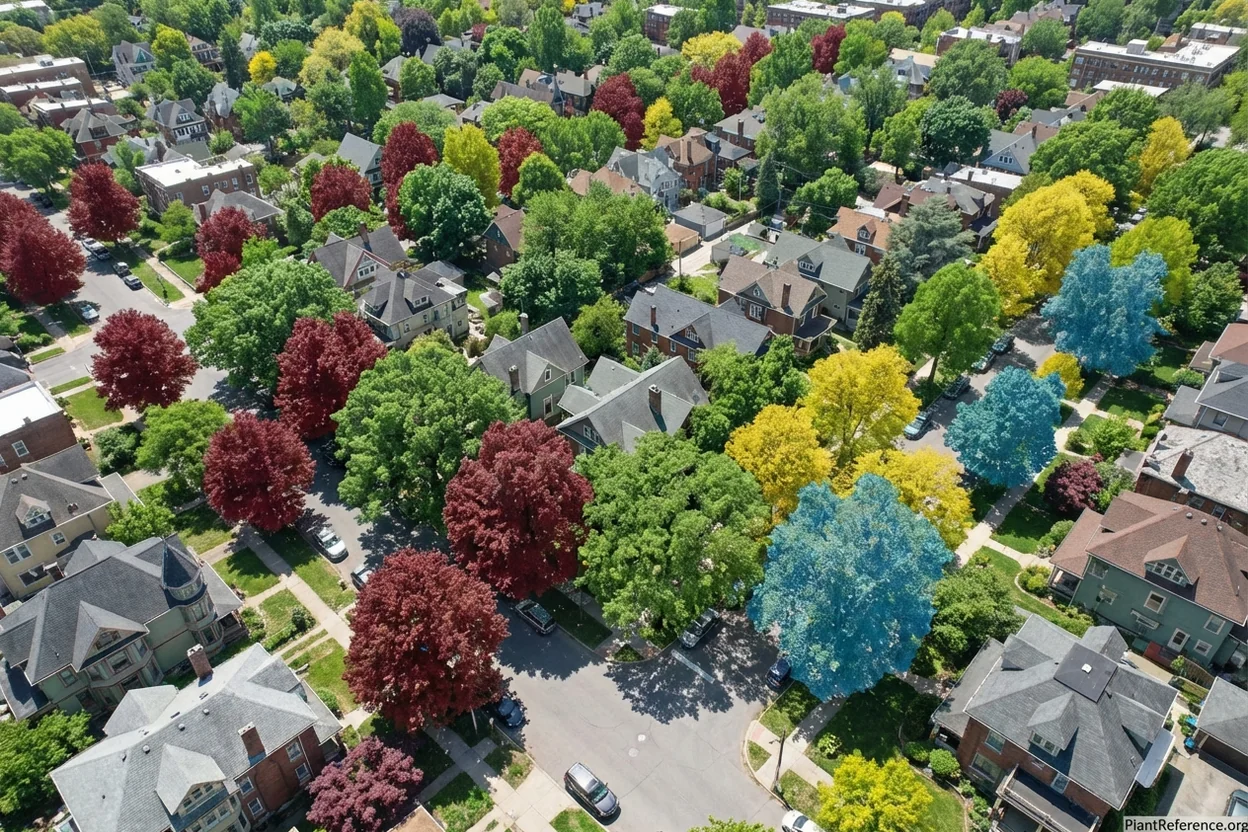
TreePlotter is the platform I recommend most for municipal forestry departments. The cloud-based GIS mapping is genuinely excellent—you can visualize your entire urban canopy with species distribution, age structure, health condition, and risk ratings overlaid on city infrastructure maps. The TRAQ risk assessment integration means field crews enter assessment data directly into the system during inspections, eliminating the double-entry that plagues departments using separate assessment and inventory tools. CTLA appraisal calculations are built in for valuation work. Tree Risk Assessment: TRAQ Methods, Levels, and What to Expect in 2026
The Cityworks integration matters for municipalities already running that platform for public works management. Tree maintenance work orders flow directly from inventory data without manual transfer. Mobile field collection works offline—critical for crews working in areas without reliable cell coverage, which describes most tree inventory field conditions.
Starting at $3,500/year, TreePlotter is priced for municipal budgets. The total cost scales with tree count and user seats, but it's consistently the best value in the municipal tier.
TreeKeeper (Davey)
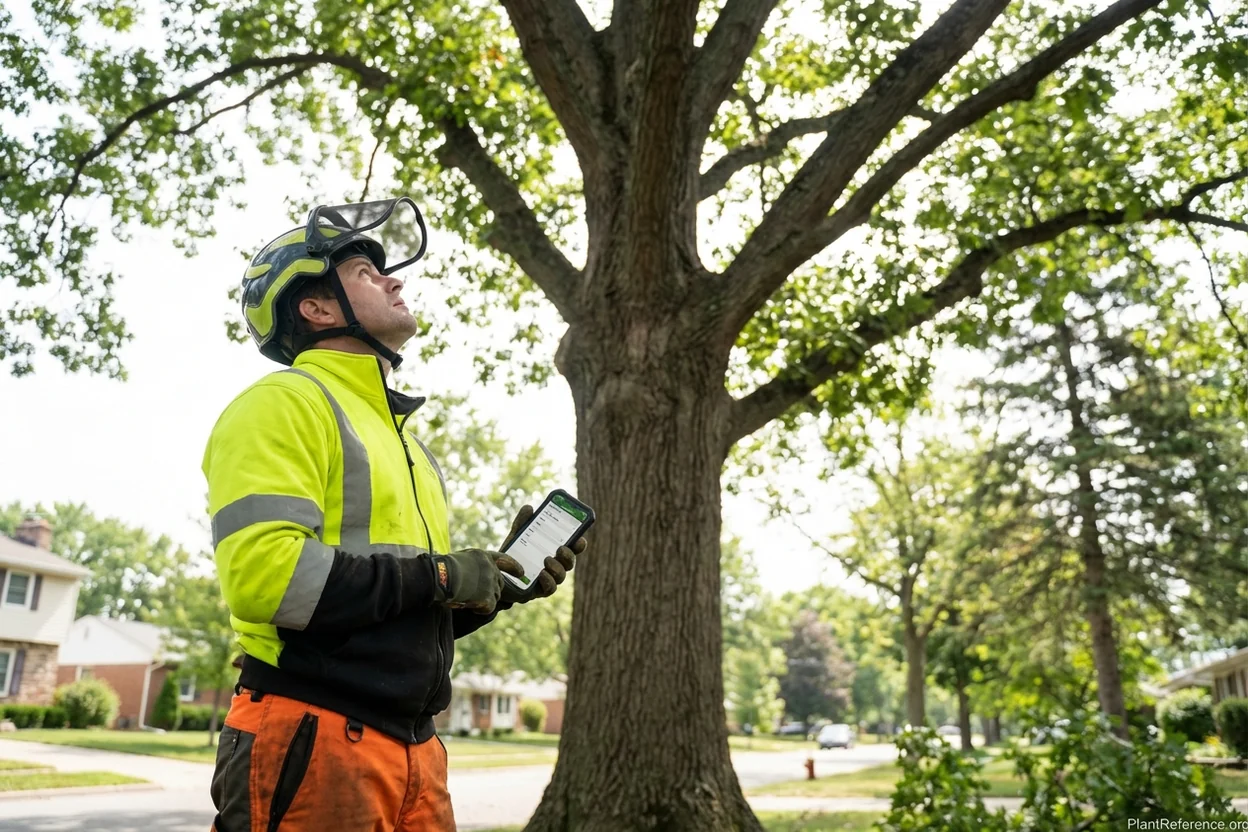
TreeKeeper is the enterprise option for large municipalities managing hundreds of thousands of trees. Built by Davey Tree—one of the largest tree care companies in North America—it comes with decades of urban forestry management expertise baked into the platform. The environmental benefit calculation engine quantifies ecosystem services (carbon sequestration, stormwater interception, energy savings) in dollar values that justify budget requests to city councils.
The 311 system and Cartegraph integration lets residents report tree issues through existing city channels, with service requests automatically routed to the forestry department's work queue. For large cities already running Cartegraph for infrastructure asset management, TreeKeeper fits naturally into the existing workflow.
Pricing is contact-only and typically higher than TreePlotter. TreeKeeper makes the most sense for cities managing 100,000+ trees that need the enterprise integration layer. Urban Forest Management Technology: AI, LiDAR, and Digital Tools for 2026
Best for Commercial Tree Care Businesses
ArboStar
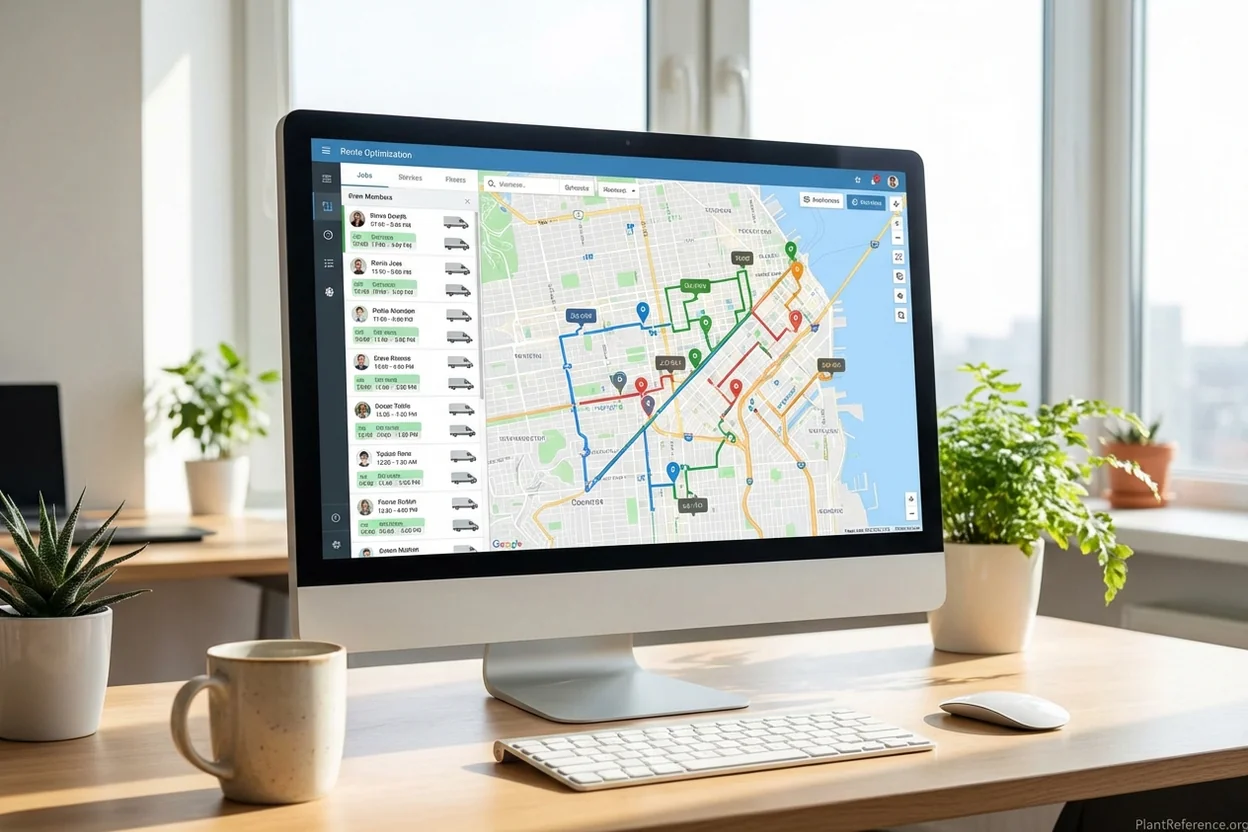
ArboStar is the standout platform for commercial tree care operations, and the reason is RAI—Real Arborist Intelligence. This is the first purpose-built AI system for the arboriculture industry, and it's not a marketing gimmick. The RAI Estimator generates profit-aware job proposals that reduce estimation errors by 40%. The RAI Scheduler optimizes crew routes based on equipment availability, traffic patterns, and job priority, saving administrative staff roughly 9 hours per week according to ArboStar's data. ANSI A300 Tree Care Standards: What Every Arborist Needs to Know in 2026
The all-in-one CRM, dispatch, and estimation system means commercial operators don't need to stitch together separate tools for customer management, job scheduling, and billing. For a growing tree care business, that consolidation eliminates the data silos that cause dropped balls and missed revenue.
The RAI system includes 10 specialized AI assistants. It analyzes historical inspection data, weather patterns, and species-specific failure rates to rank trees by risk level, directing limited crew resources to the highest-priority work first.
ArborNote
ArborNote serves a different commercial niche—firms that live and die by proposals. With over 15 million trees mapped and $4.5 billion in proposal value tracked through the platform, ArborNote is built around the sales cycle of tree care work. GPS mapping feeds directly into professional proposal generation, so the output from a site visit becomes a client-ready document without manual reformatting. Prescriptive Pruning: The PPQ Model for Structural Tree Care
If your business model centers on generating and closing proposals for large residential or commercial tree work, ArborNote's workflow will feel purpose-built. For businesses that need broader operational management (dispatch, crew scheduling, invoicing), ArboStar is the better fit.
Mapscape
Mapscape fills the government contract niche as an ESRI partner. For organizations that require ESRI ArcGIS compatibility and government-level data security clearances, Mapscape is often the only compliant option. The automated tree survey spreadsheet export integrates with existing municipal GIS infrastructure. It's not the most innovative platform, but for government work where compliance trumps features, it's the reliable choice.
Best Free and Budget Options
i-Tree Suite (USDA Forest Service)
i-Tree remains the most important free tool in urban forestry. The ecosystem benefits quantification—carbon sequestration, air pollution removal, stormwater interception, energy savings—translates trees into dollar values that non-foresters understand. i-Tree Eco runs full ecosystem analysis. i-Tree Canopy uses aerial photography for canopy cover assessment. i-Tree Species helps select the right trees for a given location. How Much Soil Do Urban Trees Actually Need? The Root Volume Guide
The caveat for 2026: i-Tree is funded through the USDA Forest Service, and federal funding uncertainty makes its long-term availability a genuine concern. Plan accordingly—don't build your entire municipal program around a tool that may lose support. Use i-Tree for what it does best (ecosystem valuation and reporting) while maintaining your core inventory in a commercially supported platform. Is My Tree Dangerous? 10 Warning Signs Every Homeowner Should Know

How to Choose the Right Platform
The decision framework is simpler than most vendors want you to believe. Start with your organization type, then narrow by scale and integration needs.
Municipal forestry departments should default to TreePlotter INVENTORY unless they're managing 100,000+ trees with existing Cartegraph infrastructure (then evaluate TreeKeeper) or require ESRI compliance (then Mapscape). Use i-Tree Suite alongside your primary platform for ecosystem valuation reporting.
Commercial tree care businesses should evaluate ArboStar first if they need operational management (CRM, dispatch, scheduling, AI estimation). If the business is primarily proposal-driven with less need for dispatch optimization, ArborNote is the better fit.
Small operations and nonprofits can start with i-Tree Suite for ecosystem valuation and basic canopy analysis, adding a commercial platform as the organization grows. Choosing Climate-Ready Trees: Species Selection for 2050 and Beyond
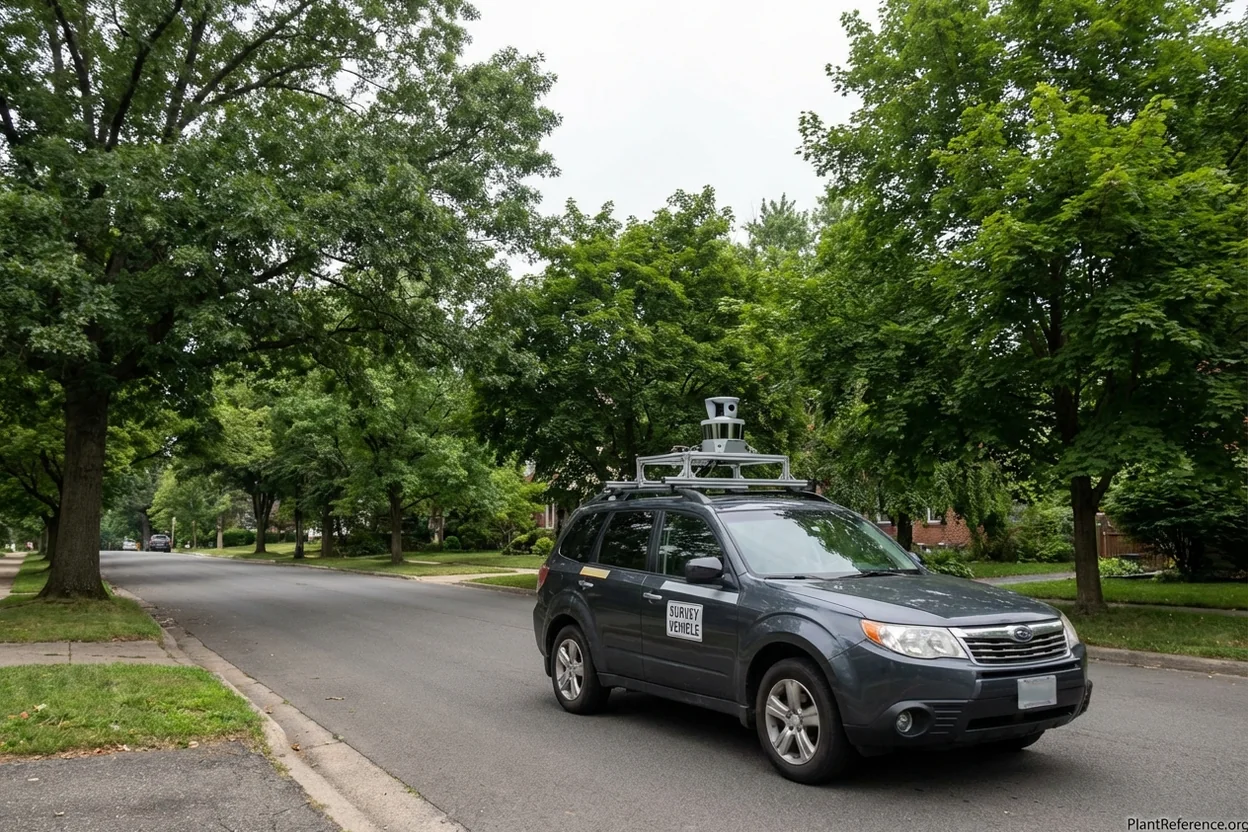
The emerging trend worth watching is the integration of LiDAR and drone data directly into inventory platforms. Greehill's vehicle-mounted mobile LiDAR already scans 8,000 trees per day versus 150 by manual assessment, and platforms that can ingest this data will have a significant advantage within the next 2-3 years.
Frequently Asked Questions

Reading about plants and recognising them are different skills. These three build the second.
- Daily PlantIdentify the day’s mystery plant from a close-up photograph.
- Keyed OutWork a dichotomous key, lead by lead, to name a hidden specimen.
- Name That PlantName a specimen from botanical clues dealt hardest first.
Free to play, no account needed
Aisha manages a small tropical nursery on the east side of Houston, specializing in plants that can handle the Gulf Coast's humidity, heat, and unpredictable flooding. She studied horticulture in college and worked at a wholesale grower before opening her own operation. Growing up, her parents kept a kitchen garden with okra, bitter gourd, and curry leaf plants—a tradition she's continued. Houston's subtropical climate lets her grow things most of the country can't, but it also means dealing with fungal issues, standing water, and summers where it's too hot for even tomatoes. Aisha writes about tropical and subtropical plant care, humidity management, and working with heavy clay soils.