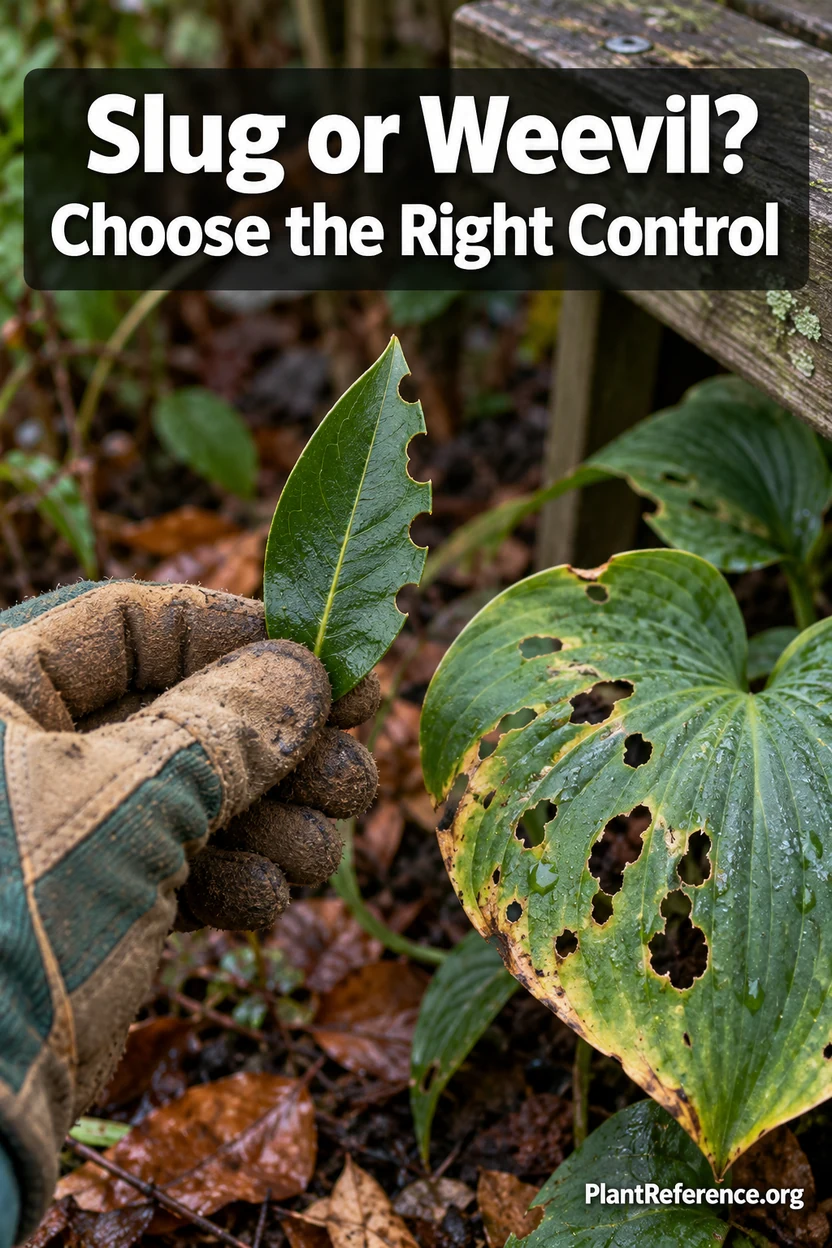
Best Organic Slug and Weevil Control for Shade Gardens
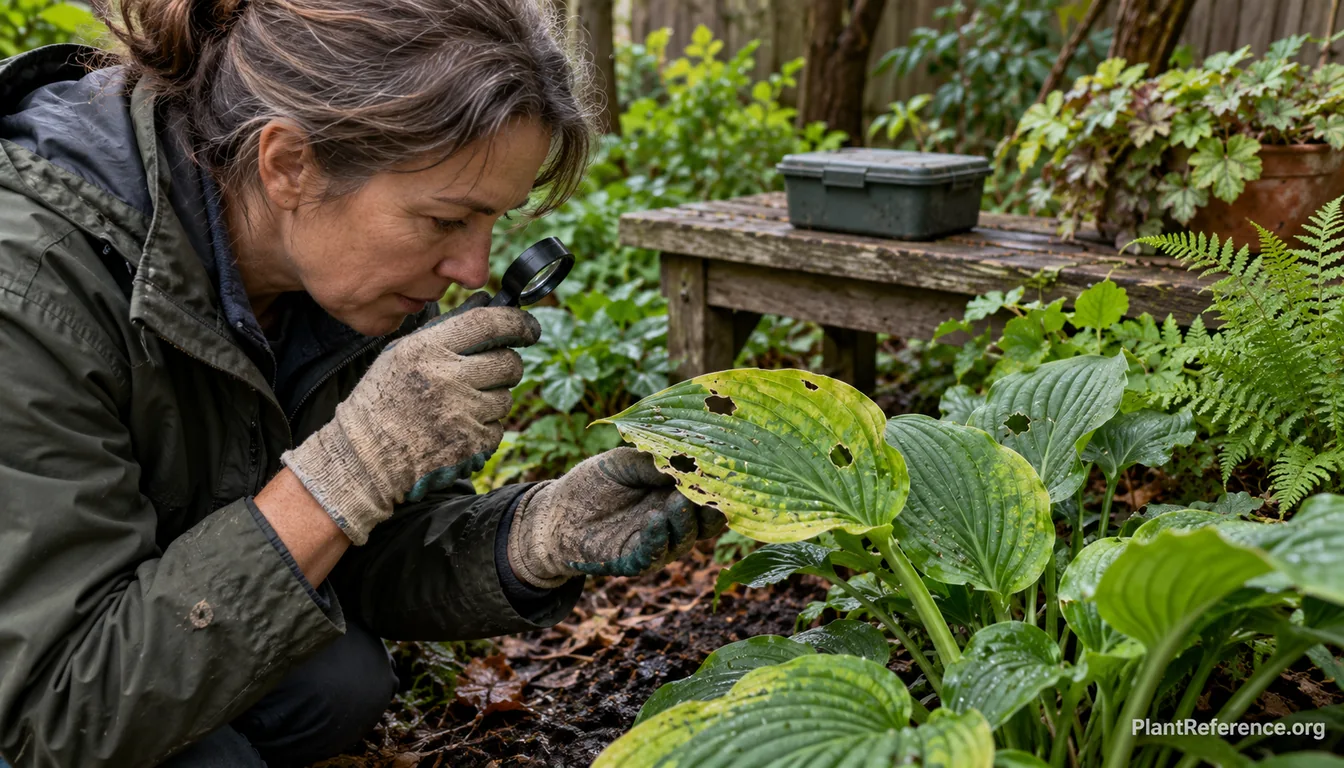
— Image © PlantReference.org 2026
The best organic slug and weevil control is not one product: slugs, adult root weevils and root-feeding larvae require different approaches. Compare the target pest and life stage before buying, then choose a method you can apply correctly under the shade garden's actual moisture and temperature conditions.
Match the Control to the Pest
Slugs often leave irregular holes, scraped tissue and slime trails, while adult root weevils characteristically notch leaf edges. Those clues guide inspection but do not identify every damaged leaf with certainty. Look after dusk, when many of these pests are active, rather than treating old damage alone.
Root-weevil larvae feed below ground and can harm roots even when adult leaf notching seems mainly cosmetic. A slug bait does not solve that problem. Conversely, a nematode product intended for insect larvae should not be assumed to control slugs.
For plant-specific diagnosis, use How to Get Rid of Slugs on Hostas: What Works and Growing Rhododendrons and Azaleas in the PNW. This comparison focuses on selecting controls rather than repeating complete plant-care programs.
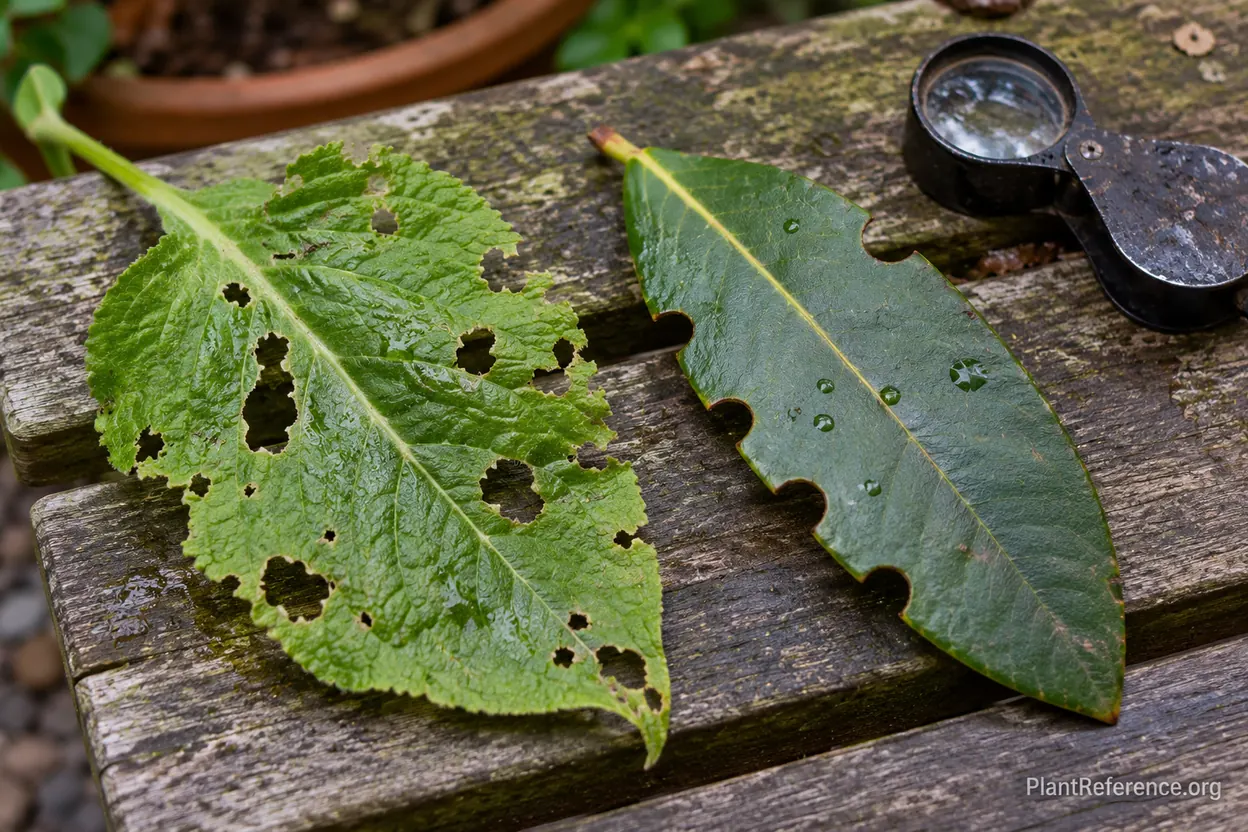
Compare by target and limitation
Control type | Intended role | Main advantage | Main limitation |
|---|---|---|---|
Iron phosphate bait | Slugs and snails | Targeted feeding bait | Must follow formulation-specific label |
Beneficial nematodes | Suitable root-weevil larvae | Reaches the soil life stage | Living product with storage and temperature requirements |
Sticky barrier | Some climbing adult weevils | Restricts a route to foliage | Alternate routes and non-target captures |
Copper barrier | Slug exclusion around suitable containers | Physical perimeter approach | Variable performance and easily bridged gaps |
Traps and monitored shelters | Local slug monitoring and removal | Helps locate activity | Limited coverage and ongoing maintenance |
Compare Iron Phosphate Slug Baits
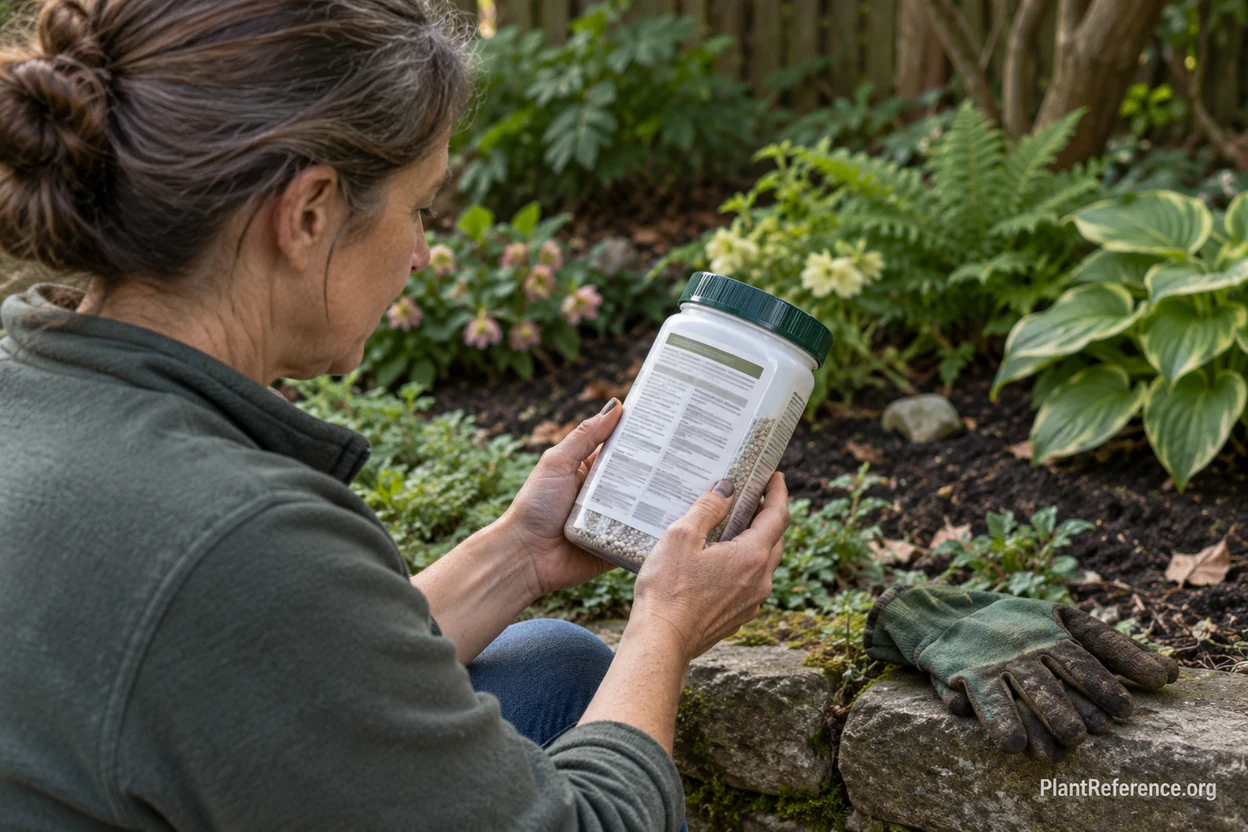
Iron phosphate is a useful active ingredient to look for when a bait is appropriate for confirmed slug or snail feeding. Read the full label, not just the brand name: similarly named products can contain different ingredients and have different permitted uses. Check that the exact formulation suits the plants and application site.
The catalog contains several iron phosphate options, including the Monterey product below. Its stored information supports its identity as a slug-and-snail bait, not a promise that every animal can ingest it safely. Keep the package secured and follow all precautions for people, pets and wildlife.
Application details determine value
Use the label rate and distribution instructions. Do not make piles, increase the dose because damage looks severe, or assume every rain event requires immediate reapplication. Product persistence and repeat-treatment directions vary; the label outranks a generic calendar.
Compare cost against labeled coverage rather than container size alone. A larger package is not better value if you cannot store it securely or will not use it appropriately. Check the active ingredient, formulation and use restrictions before comparing two prices.
Judge new feeding, not old holes
Existing leaf holes will not close after treatment. Photograph representative leaves and look for fresh damage or new affected growth. Finding fewer visible pests is useful, but it should be interpreted alongside the plant's condition and the expected action of the product.
Stop Slugs in the Pacific Northwest Garden Safely covers the broader cultural approach. Reduce avoidable hiding places near vulnerable plants while retaining a sensible soil cover; Soil Health 101: How to Build Living, Productive Garden Soil explains why pest management need not mean stripping a border to bare soil.
Choose Nematodes for Root-Weevil Larvae
Beneficial nematodes are living organisms, not a shelf-stable substitute for every pesticide. Select a product whose instructions explicitly include the target root weevil and soil stage. A package labeled broadly for “garden pests” is not enough evidence that it fits your problem.
Check delivery, storage, expiry and application conditions before purchasing. A bargain that arrives too late for the susceptible stage, or cannot be stored correctly, is poor value. Plan the application when you can maintain the required soil moisture and follow the supplier's handling instructions.
Measure soil temperature
The research highlights applications when soil is above approximately 55°F (13°C), but different nematode species and products have their own working ranges. Treat that figure as context, not a universal threshold. Measure the soil rather than using the afternoon air temperature.
Moisture helps the organisms move through soil, but saturation is not the objective. Avoid applying to unsuitable dry ground and expecting irrigation afterward to compensate for incorrect handling. Follow directions for mixing, equipment, timing and any pre- or post-application watering.
Keep the treatment separate from root care
A nematode drench cannot restore roots already destroyed or solve waterlogging. If the plant continues declining, reassess the diagnosis and growing conditions. How to Improve Clay Soil Without Making It Worse explains drainage-related limitations, while Soil Food Web: Support Microbes, Fungi, and Living Roots provides context for biological activity below ground.
Do not dig extensively through mature tree roots just to search for larvae. Inspect accessible material carefully and seek local diagnostic help when the evidence is unclear. The objective is a targeted intervention, not damage caused by investigating the wrong problem.
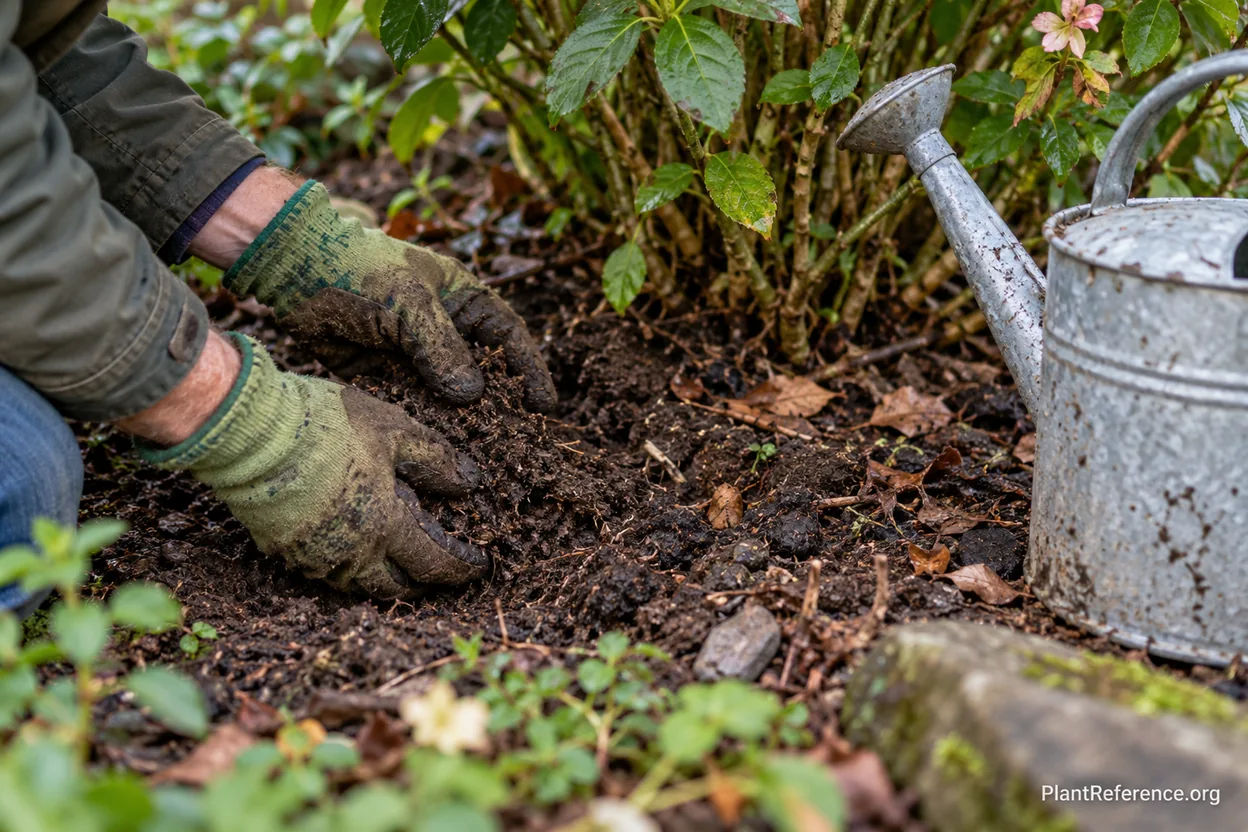
Compare Barriers and Traps
Sticky barriers for limited climbing routes
A sticky barrier can interrupt some adult weevils climbing toward foliage, but a shrub touching neighboring plants offers alternate routes. Multi-stemmed plants and low branches can also make exclusion difficult. Inspect the whole route rather than assuming a band around one stem protects the entire plant.
Use only an appropriate product as directed, with a protective band where required rather than applying adhesive directly to bark. Sticky material can catch non-target animals and insects. Check frequently, keep it out of contact with foliage and remove or replace it according to the instructions.
Copper barriers around containers
Copper tape is easiest to evaluate around a clean, continuous container perimeter. Soil, leaves and neighboring stems can bridge it, and slugs already inside remain inside. Performance varies; a narrow strip is not a guaranteed slug-proof boundary simply because it contains copper.
Treat a barrier as one part of monitoring, not permission to stop inspecting. Container Gardening: Pots, Soil, Water & Yields explains why containers have their own watering and placement needs, which still matter after installing a perimeter treatment.
Traps and monitored shelters
Beer or yeast-attractant traps can collect nearby slugs, but they do not protect an unlimited radius. They need checking, cleaning and replenishment, and can capture organisms you did not intend to target. Place and maintain them thoughtfully rather than scattering unattended containers throughout a wildlife-friendly border.
A temporary board used as a monitored shelter can help reveal activity, provided it is checked and pests are removed appropriately. Leaving it indefinitely without inspection simply creates another hiding place. Record what you actually find before expanding the treatment.
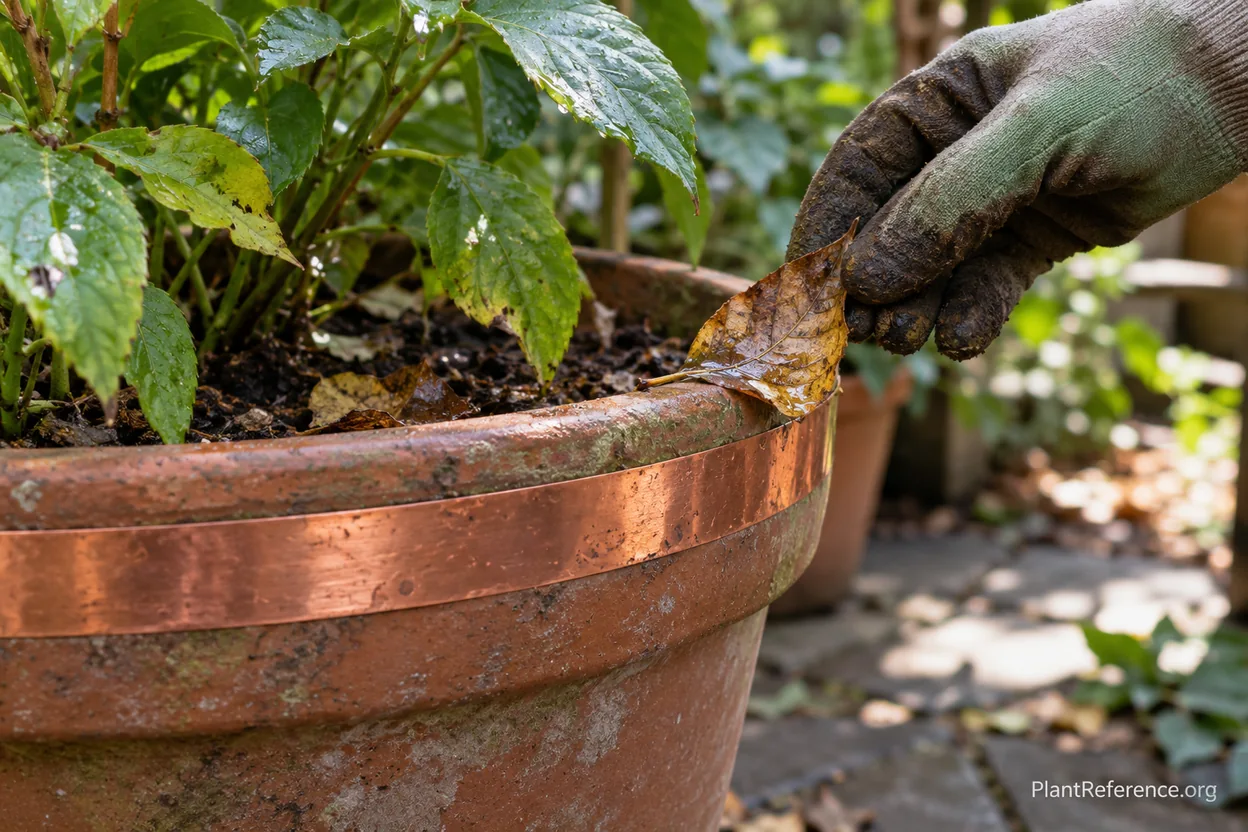
Buy for a Specific Treatment Plan
The best organic slug and weevil control begins with a short written plan: target, method, treatment area and follow-up observation. “Organic” describes a production or product standard in context; it is not a blanket safety guarantee. If certification matters, verify the exact formulation and current approval for your intended use.
Confirm the pest and whether it is feeding above or below ground.
Read the exact product label before purchasing.
Check storage, expiry and handling requirements.
Match soil moisture and temperature to biological treatments.
Monitor fresh damage before deciding on repeat applications.
Avoid buying several controls simply to cover uncertainty. A bait for slugs, a soil treatment for larvae and a climbing barrier do not become interchangeable when used together. Each needs a demonstrated purpose and its own safe handling.
Reduce the need for repeated rescue treatments
Choose plants that fit the site's light and moisture, and maintain access for inspection. Best Perennials for Shade: 12 Species That Thrive helps with plant selection, while How to Grow Hostas: Varieties, Care & Pest Solutions covers the ongoing care of a common slug target.
Do not treat every notch as a crisis. Compare the extent of new damage with plant vigor, especially on established shrubs, and prioritize root problems when decline suggests more than cosmetic feeding. A restrained, well-timed treatment is more useful than repeated applications against an unconfirmed pest.
Frequently Asked Questions
Reading about plants and recognising them are different skills. These three build the second.
- Daily PlantIdentify the day’s mystery plant from a close-up photograph.
- Keyed OutWork a dichotomous key, lead by lead, to name a hidden specimen.
- Name That PlantName a specimen from botanical clues dealt hardest first.
Free to play, no account needed
Tagged with
Sarah earned her doctorate in plant biology and spent time working in botanical garden education before transitioning to freelance writing and consulting. Now based in Portland, Oregon, she teaches plant identification workshops at local community centers and maintains a modest collection of over 60 houseplants in her small apartment. Sarah specializes in helping beginners understand plant science without the jargon—her approach focuses on practical observation over theory. She's killed her fair share of fiddle leaf figs and finally cracked the code on keeping them alive.