Image 1 of 21
1 / 21
Plant Reference
Acer, Genus, tataricum, Species, ssp., Subspecies, ginnala, Subspecies,
- Genus & species
- Subspecies
Amur maple
Northeastern Asia (China, Mongolia, Siberia, Korea, Japan); river banks, forest edges, and open woodlands
Overview
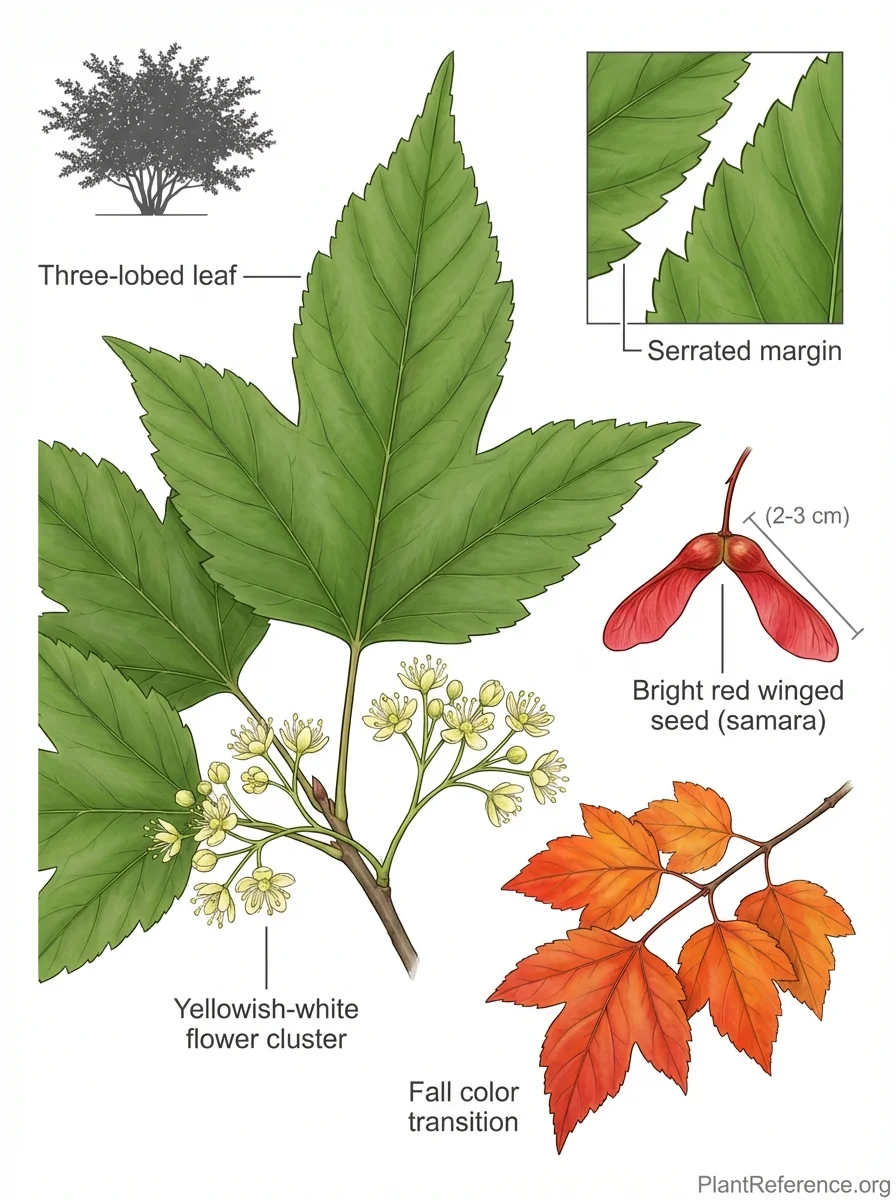
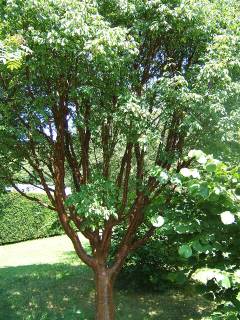
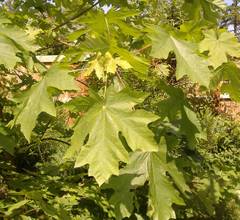
Acer tataricum ssp. ginnala is a small deciduous tree or large shrub cultivar in the family Sapindaceae, reaching 15-20 feet (4.5-6 m) tall and wide and often carrying a multi-stemmed form. Leaves are 3-lobed with a central lobe much longer than the side lobes, 1.5-3 inches (4-7 cm) long, dark green through summer and turning yellow, orange, and red in fall — fall color on a single tree can include all three colors simultaneously. Fragrant white to yellowish-white flowers open in small erect panicles 1-2 inches (2.5-5 cm) long in May. Paired red-tinged samaras ripen in late summer. The subspecies is cold-hardy to zone 2 — at the hardy end of the cultivated Acer range — and tolerates a broad range of soils, drought once established, and urban conditions. Bark on mature stems is smooth and gray. Growth is moderate to fast. The subspecies is classified as invasive in several northeastern and midwestern U.S. states including Connecticut, Massachusetts, Wisconsin, and Minnesota; heavy seed production and broad soil tolerance drive invasive spread into natural areas, and samaras germinate readily in disturbed ground, forest edges, and along waterways. Local invasive-species regulations govern whether the subspecies can be planted in a given jurisdiction.
Native Range
Acer tataricum ssp. ginnala is native to northeastern Asia — China, Mongolia, Siberia, Korea, and Japan — where it grows on river banks, forest edges, and open woodlands.Suggested Uses
Planted as a small shade tree, screening hedge (the plant responds to shearing), or multi-stemmed specimen in residential gardens at 15-20 foot (4.5-6 m) spacing. Fall color and fragrant spring flowers carry the ornamental interest. Zone-2 cold hardiness extends cultivation into regions too cold for most other ornamental Acer species. Grown in containers of 25 gallons (95 L) or more. Not suited to jurisdictions where the subspecies is prohibited as invasive, sites adjacent to natural areas where seedling escape is a concern, or riparian buffers where wind dispersal into waterways is a concern. Local invasive-species regulations are consulted before planting.How to Identify
Appearance
Size & Dimensions
Height15' - 20'
Width/Spread15' - 20'
Bloom Information
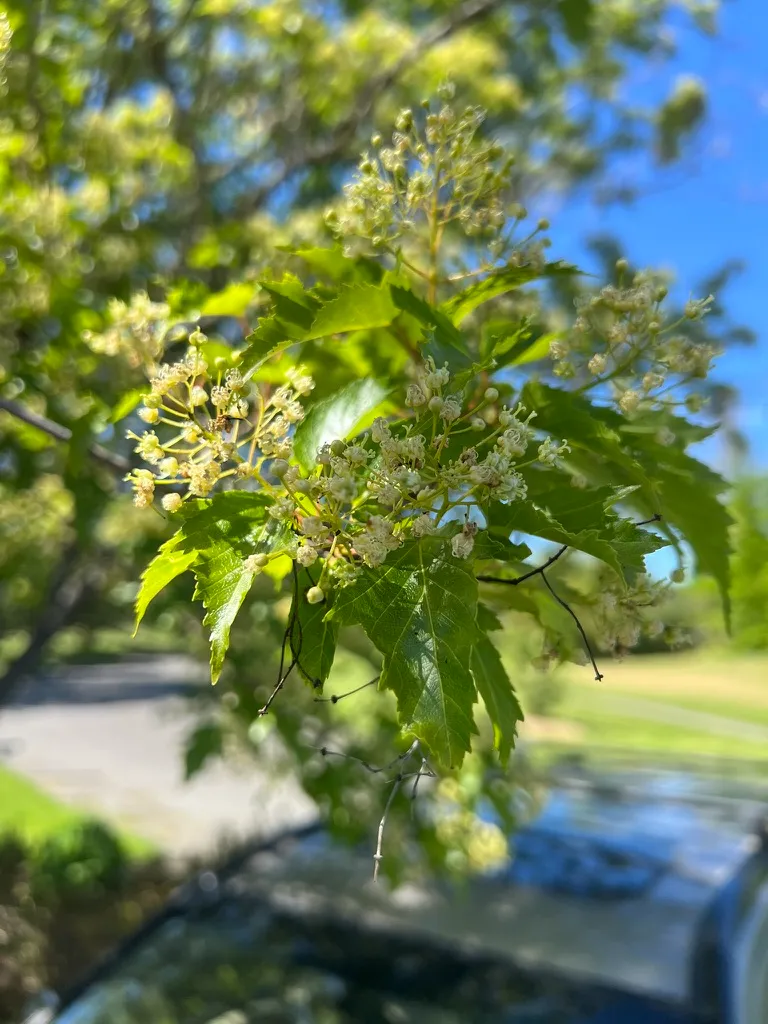
Fragrant white to yellowish-white flowers open in small erect panicles 1-2 inches (2.5-5 cm) long in May in zones 2-8, averaging 2-3 weeks of bloom. Flowers are bee-pollinated and lightly fragrant. Paired red-tinged samaras ripen in late summer and disperse by wind. Germination the following spring is abundant in disturbed and open sites.
Detailed Descriptions
Flower Description
white to yellowish-white; fragrant; small; borne in erect panicles 1-2 inches (2.5-5 cm) longFoliage Description
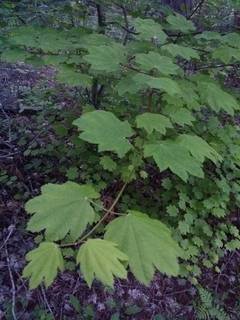
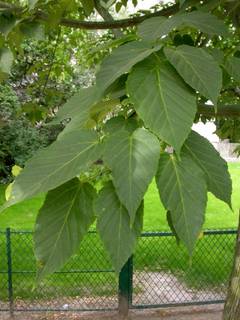
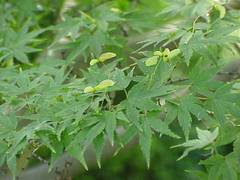
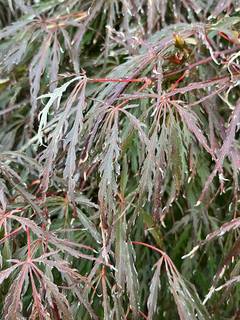
dark green; 3-lobed leaves 1.5-3 inches (4-7 cm) long with the central lobe much longer than the side lobes; turns yellow, orange, and red in fallGrowing Conditions
Sun Requirements
Requires 4-8 hours of direct sunlight daily
• Full Sun: 6+ hours of direct sunlight
• Partial Shade: 3-6 hours of direct sunlight
• Full Shade: Less than 3 hours of direct sunlight
Care & Maintenance
Care Guide
Plant in well-drained soil with a pH of 6.0-7.5 in full sun to part shade; tolerated soil types include loam, clay, sand, and silt. Water weekly through the first 1-2 growing seasons. Established plants are drought-tolerant and tolerate compacted urban soils, road salt, and air pollution. Pruning is done in summer (July-August) to limit sap bleeding from wounds. Seedling management is the main ongoing maintenance task — heavy seed production and ready germination call for regular removal of seedlings from adjacent gardens and natural areas. The subspecies is classified as invasive in several northeastern and midwestern U.S. states and planting is regulated or prohibited in those jurisdictions; local invasive-species regulations govern whether the cultivar is legal in a given area. Grown in containers of 25 gallons (95 L) or more.Pruning
Pruning is done in summer (July-August) to limit sap bleeding. For a single-trunk tree form, lower branches are removed over the first 3-5 years after planting and any basal suckers are cut at their point of origin at the same time. For a multi-stemmed large-shrub form the plant is left to develop naturally and dead or crossing stems are removed as needed. Seedlings in the surrounding garden are removed to limit unwanted spread.Pruning Schedule
Prune: July–August
summer
Container Growing
Suitable for container growing
Minimum container size: 25 gallons
Toxicity
Non-toxicBotanical Flashcard