Acer, Genus, cissifolium, Species,
- Genus & species
ivy-leaved maple
Overview
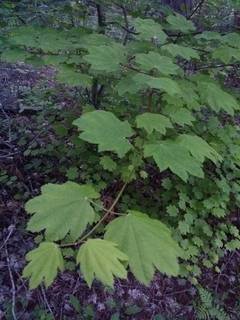
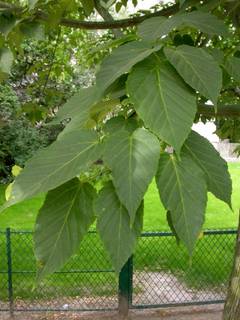
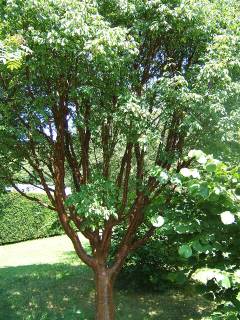
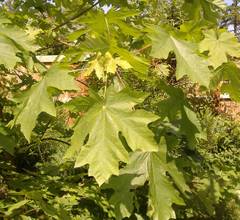
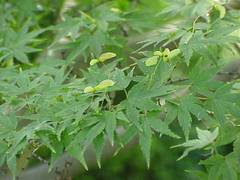
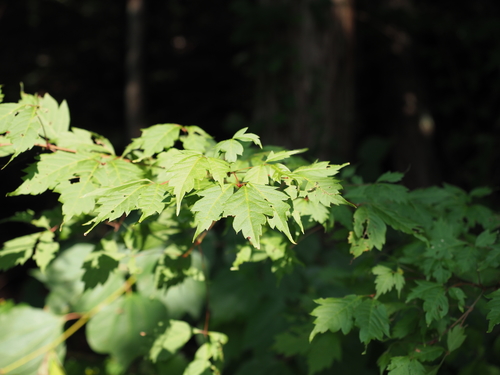
Acer cissifolium is a deciduous tree reaching 20–30 feet (6–9 m) tall with a spread of 20–30 feet (6–9 m), forming a rounded to broadly spreading crown. Among maples, it bears trifoliate leaves — each leaf consists of three separate leaflets, 1.5–3 inches (4–7.5 cm) long, with serrated margins, resembling the foliage of ivy (Hedera) more than a typical maple leaf. Leaflets are medium green above and paler below. Fall color is orange to red to red-purple, appearing in October and lasting 2–3 weeks. Small yellow-green flowers appear in slender pendant racemes in April–May before or with the leaves. Paired samaras, 0.75–1 inch (2–2.5 cm) long, ripen in September–October. The species tolerates partial shade and is suitable for understory positions where many other maples perform poorly. It is dioecious — male and female flowers occur on separate trees — so fruit set requires both sexes in proximity. Growth is slow to moderate at 6–12 inches (15–30 cm) per year, and the species is susceptible to verticillium wilt in poorly drained soils.
Native Range
Acer cissifolium is native to Japan, occurring on Honshu, Shikoku, and Kyushu in montane mixed forests at low to middle elevations. It grows in moist forest soils, often along stream banks and in partially shaded positions within mixed broadleaf-conifer forests.Suggested Uses
Used as a specimen, patio tree, or understory tree in woodland gardens and shaded borders at 20–25 foot (6–7.5 m) spacing. The tolerance of partial shade allows it to be placed under taller trees or on the north side of structures where many cultivated maples perform poorly. It does not tolerate heavy shade, poorly drained sites, or alkaline soils.How to Identify
Appearance
Size & Dimensions
Height20' - 30'
Width/Spread20' - 30'
Colors
Bloom Information
Small yellow-green flowers appear in slender pendant racemes, 2–3 inches (5–7.5 cm) long, in April–May before or with the emerging leaves. Male and female flowers occur on separate trees, so fruit set requires a male tree in proximity. Samaras develop through summer and ripen to tan-brown in September–October.
Detailed Descriptions
Foliage Description
medium green; orange to red-purple in fallGrowing Conditions
Sun Requirements
Requires 3-8 hours of direct sunlight daily
• Full Sun: 6+ hours of direct sunlight
• Partial Shade: 3-6 hours of direct sunlight
• Full Shade: Less than 3 hours of direct sunlight
Care & Maintenance
Care Guide
Site in moist, well-drained soil with a pH of 5.5–7.0 in full sun to partial shade. Water weekly during the first two growing seasons. Established trees tolerate dry spells of 1–2 weeks but produce more consistent growth with regular moisture. The species tolerates 3–5 hours of direct sun and performs in partial shade where most cultivated maples will not. The dioecious habit means fruit production requires a male tree within pollination distance; single-tree plantings will not produce samaras. Verticillium wilt can affect this species, and affected branches should be removed to healthy wood. No routine fertilization is required in adequate soils.Pruning
Pruning is done in late spring to early summer (May–June) after leaf-out to reduce sap bleeding. Dead, crossing, or rubbing branches are removed as needed. The naturally rounded crown requires minimal structural pruning. In young trees the central leader is retained to establish a clean form. Basal suckers are removed to their point of origin.Pruning Schedule
Prune: May–June
late spring