Image 1 of 17
1 / 17
Plant Reference
Acer, Genus, pseudoplatanus, Species,
- Genus & species
sycamore maple
Central and southern Europe, from the Pyrenees and Alps east to the Caucasus and from southern Scandinavia south to the Mediterranean mountains; mixed deciduous mountain forests at 1,600-5,900 feet (500-1,800 m) elevation
Overview
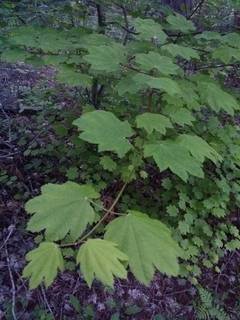
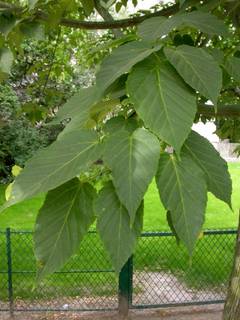
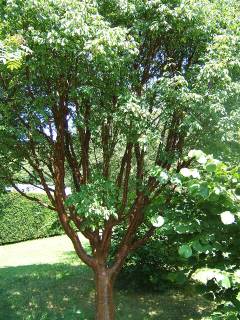
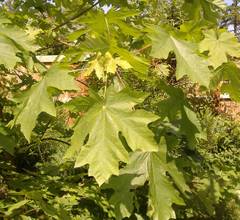
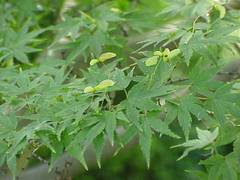
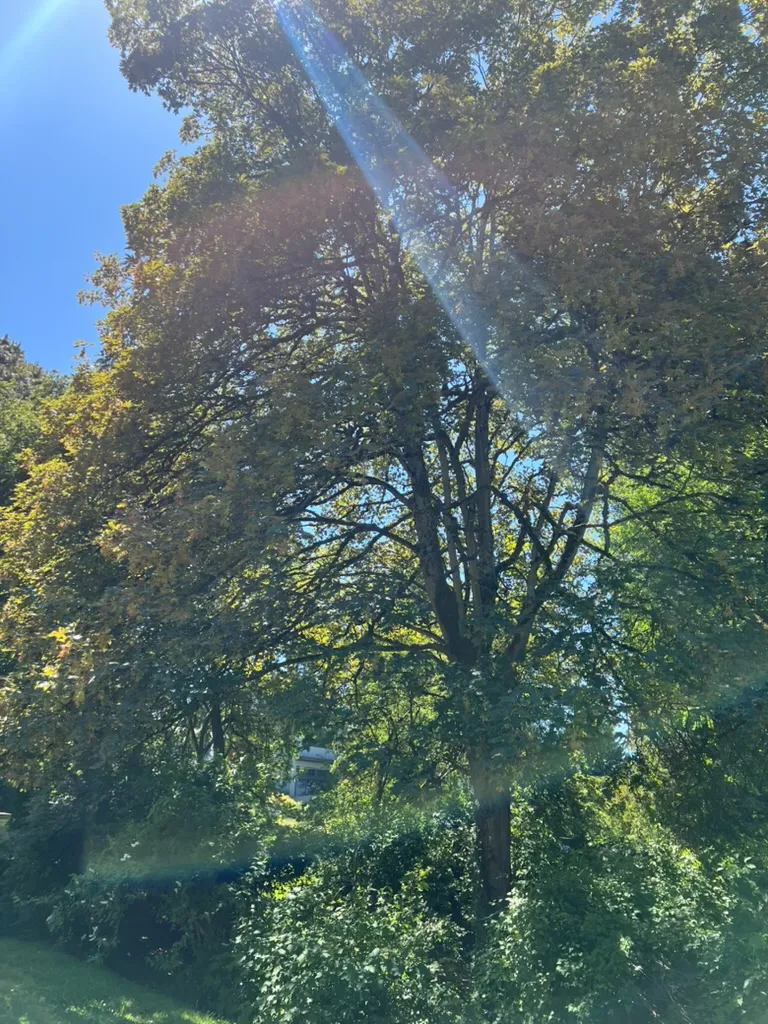
Acer pseudoplatanus is a large deciduous tree in the family Sapindaceae, reaching 50-80 feet (15-24 m) tall and 40-60 feet (12-18 m) wide with a broad rounded crown. Leaves are palmate with 5 broad coarsely toothed lobes, 4-7 inches (10-18 cm) across, dark green above and distinctly pale gray-green to whitish beneath — the pale undersides flash visibly in wind and separate this species from A. platanoides at a distance. Fall foliage turns yellow before dropping. Bark on young trees is smooth and gray; on mature trunks it develops irregular flaking plates that reveal orange-brown inner bark, producing a mottled appearance. In May, pendulous yellow-green flower clusters 2-5 inches (5-13 cm) long open with the leaves. Paired samaras with wings set at 60-90 degrees ripen in September and October. Growth is fast in youth — 2-3 feet (60-90 cm) per year — and slows at maturity. The tree is wind-firm and tolerates salt spray, exposed coastal conditions, and air pollution. Seedling germination is prolific — a single tree can produce thousands of seeds annually, and seedlings establish readily in disturbed ground, forest margins, and natural areas. In parts of New Zealand, the United Kingdom, and some U.S. Pacific coastal regions the species is classified as naturalized or invasive, and planting near natural areas is discouraged in those jurisdictions. Seeds and seedlings contain hypoglycin A, which causes atypical myopathy in horses; horse pastures with fallen seeds can become lethal grazing areas.
Native Range
Acer pseudoplatanus is native to central and southern Europe, from the Pyrenees and Alps east to the Caucasus and from southern Scandinavia south to the Mediterranean mountains. It grows in mixed deciduous mountain forests at elevations from approximately 1,600 to 5,900 feet (500-1,800 m).Suggested Uses
Planted as a large shade tree in parks, coastal landscapes, and sites exposed to wind where few other large trees establish reliably. The species tolerates road salt and urban pollution better than most large maples. Positions near natural areas, forest margins, and horse pastures should be avoided. Regions where the species is classified as invasive or naturalized call for consultation of local regulations before planting. Not suited to small residential gardens, narrow planting strips, or horse-pasture boundaries where fallen seeds can enter grazing areas.How to Identify
Appearance
Size & Dimensions
Height50' - 80'
Width/Spread40' - 60'
Colors
Bloom Information
Pendulous yellow-green flower clusters 2-5 inches (5-13 cm) long open in May in zones 4-8 as the new leaves expand, averaging 2-3 weeks of bloom. Samaras ripen September through October and disperse by wind; spring seedling germination is abundant — often thousands of seedlings per mature tree under the drip line and within wind-dispersal distance.
Detailed Descriptions
Flower Description
yellow-green; pendulous clusters 2-5 inches (5-13 cm) longFoliage Description
dark green above and pale gray-green to whitish beneath; palmate leaves 4-7 inches (10-18 cm) across with 5 broad coarsely toothed lobes; yellow in fallGrowing Conditions
Sun Requirements
Requires 4-8 hours of direct sunlight daily
• Full Sun: 6+ hours of direct sunlight
• Partial Shade: 3-6 hours of direct sunlight
• Full Shade: Less than 3 hours of direct sunlight
Care & Maintenance
Care Guide
Plant in well-drained soil with a pH of 5.5-7.5 in full sun to part shade; tolerated soil types include loam, clay, sand, and chalk. Water weekly for the first 1-2 growing seasons. Established trees are drought-tolerant and largely self-sufficient in regions with 25 or more inches (635 mm) of annual precipitation. The tree tolerates exposed windy sites, coastal salt spray, compacted urban soils, and air pollution and establishes reliably where few other large trees succeed. Crown density is greater in full sun than in part shade. Seedling management is the main ongoing maintenance task — prolific germination calls for regular seedling removal to prevent unwanted spread into adjacent plantings and natural areas. Horse access to fallen seeds is a lethal risk because seeds contain hypoglycin A and cause atypical myopathy.Pruning
Pruning is done in dormancy (November through January) or in summer (July-August) to reduce sap loss from wounds. The species heals large wounds reliably and mature trees tolerate significant corrective work. Dead, damaged, or crossing branches are removed at the branch collar. Young trees benefit from structural pruning in years 3-10 to establish a clear leader and balanced crown, and mature trees call for minimal pruning beyond deadwood removal. Spring pruning is avoided because sap pressure is highest at that time.Pruning Schedule
Prune: July–August & November–January
wintersummer