Image 1 of 14
1 / 14
Plant Reference
Acer, Genus, buergerianum, Species,
- Genus & species
trident maple
Eastern China, Japan, and Korea; mixed forests and rocky hillsides at low to middle elevations
Overview
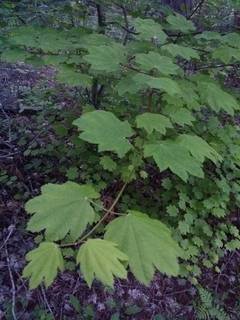
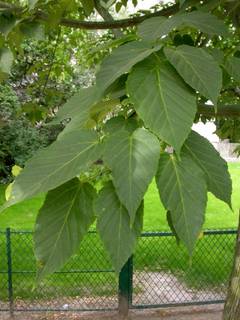
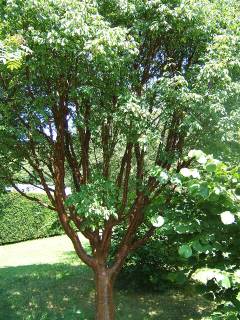
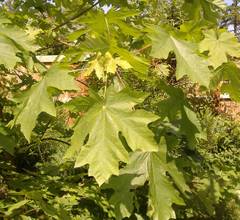
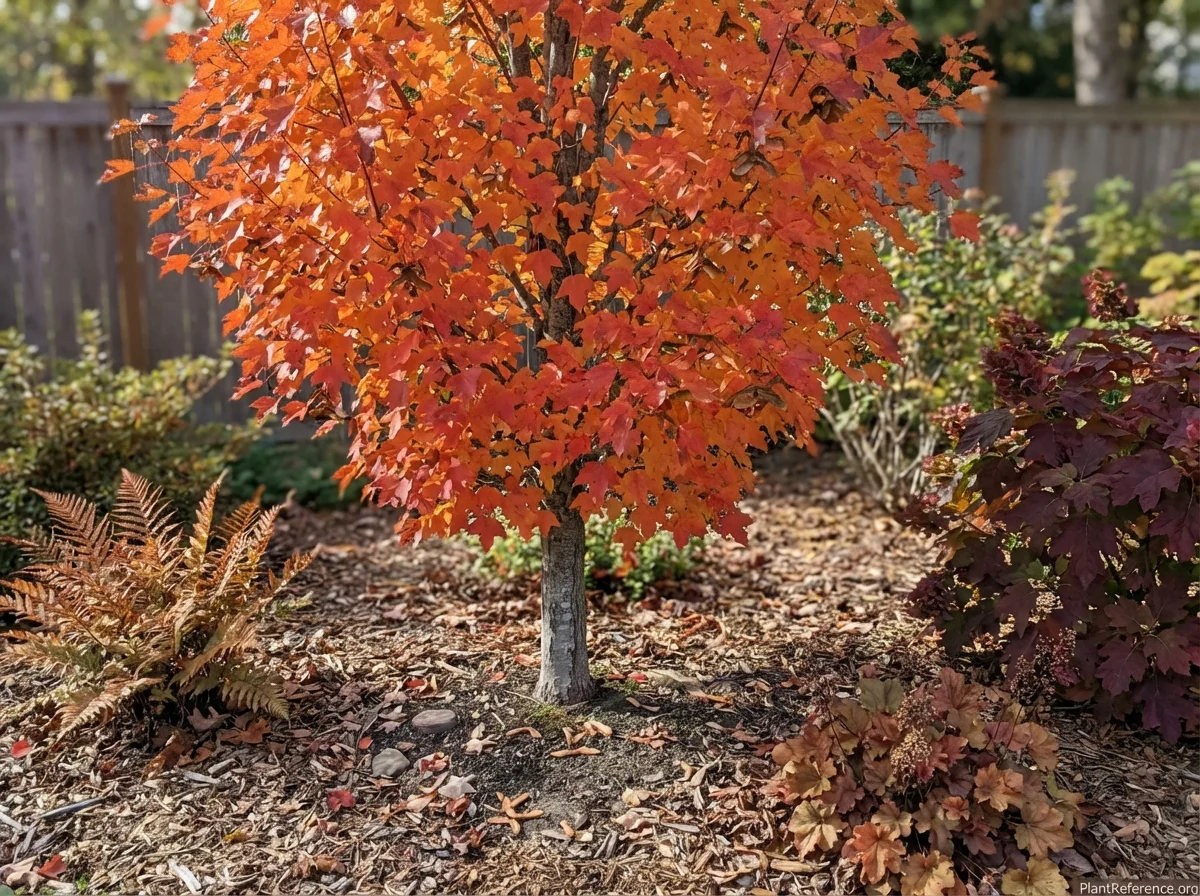
Acer buergerianum (trident maple, three-toothed maple) is a deciduous tree reaching 20–35 feet (6–10.5 m) tall with a spread of 15–25 feet (4.5–7.5 m) at maturity, forming a rounded to oval crown. Bark on young trees is grayish-brown and smooth; on specimens older than 10–15 years the bark becomes scaly and orange-brown, exfoliating in irregular plates. Three-lobed leaves 1.5–3.5 inches (4–9 cm) wide have shallow sinuses between forward-pointing lobes, dark glossy green above and pale below. Fall color ranges from yellow to orange-red, persisting 3–4 weeks in zones 5–7. Small yellow-green flowers appear in corymbs of 6–20 as leaves emerge in April–May. Paired winged samaras 0.75–1 inch (2–2.5 cm) long ripen in September–October. The species belongs to Sapindaceae. Buergerianum honors Heinrich Buerger, 19th-century German naturalist. Native to eastern China, Japan, and Korea. Growth rate is 8–12 inches (20–30 cm) per year — slower than A. rubrum or A. saccharinum. Tolerates drought, compacted soils, and urban pollution. Verticillium wilt can affect this species. Non-toxic. Hardy in zones 5–9.
Native Range
Native to eastern China, Japan, and Korea, growing in mixed forests and on rocky hillsides at low to middle elevations. In China found across eastern and central provinces; in Japan occurs primarily in warmer coastal regions of Honshu, Kyushu, and Shikoku.Suggested Uses
Used as a specimen, patio tree, or street tree, spaced 20–25 feet (6–7.5 m). The compact crown and tolerance of compacted soils suit urban and suburban streetscapes with restricted root zones. Widely used as a bonsai subject due to the small leaves, branching density, and exfoliating bark. Not suited to sites with standing water or prolonged poor drainage. Non-toxic. Zones 5–9.How to Identify
Appearance
Size & Dimensions
Height20' - 35'
Width/Spread15' - 25'
Colors
Bloom Information
Spring (April–May) over about 2 weeks. Small yellow-green flowers less than 0.25 inch (6 mm) across in corymbs of 6–20 flowers, appearing as new leaves emerge. Paired samaras develop through summer, ripening to tan-brown by September–October.
Detailed Descriptions
Flower Description
Yellow-green; small; less than 0.25 inch (6 mm); in corymbs of 6-20; April-MayFoliage Description
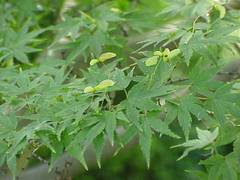
Dark glossy green above, pale below; three-lobed; 1.5-3.5 inches (4-9 cm) wide; yellow to orange-red in fallGrowing Conditions
Sun Requirements
Requires 4-12 hours of direct sunlight daily
• Full Sun: 6+ hours of direct sunlight
• Partial Shade: 3-6 hours of direct sunlight
• Full Shade: Less than 3 hours of direct sunlight
Care & Maintenance
Care Guide
Grows in full sun to partial shade with 4–12 hours of direct light. Well-drained to average soil at pH 5.5–7.5; tolerates clay, loam, and sand. Established trees tolerate dry spells of 2–3 weeks. Tolerates urban pollution and compacted soils. Fall color is most vivid in zones 5–7 with cool autumn nights; in zones 8–9 color tends toward yellow-green rather than orange-red. Verticillium wilt can affect this species; infected branches are removed promptly. Non-toxic. Suitable for zones 5–9.Pruning
Prune in late spring to early summer (May–June) after leaf-out; maples pruned in late winter bleed sap heavily, which is cosmetically undesirable though not harmful. Remove crossing, dead, or rubbing branches to establish structure in the first 5 years. Remove basal suckers to their point of origin.Pruning Schedule
Prune: May–June
late spring
Container Growing
Suitable for container growing
Minimum container size: 15 gallons