Acer, Genus, capillipes, Species,
- Genus & species
snakebark maple
Japan (Honshu and Shikoku); montane mixed forests at 1,300-4,900 feet (400-1,500 m)
Overview
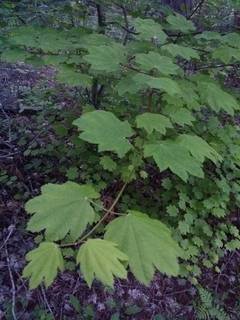
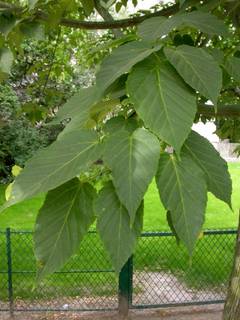
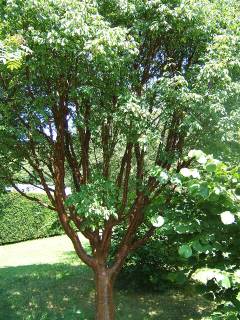
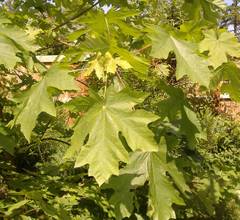
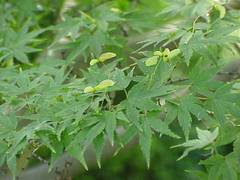
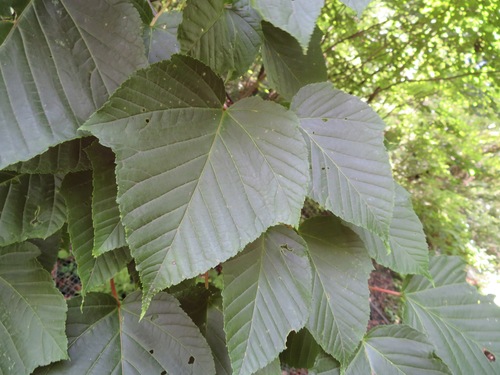
Acer capillipes is a deciduous tree in the family Sapindaceae native to Japan, reaching 25-40 feet (7.5-12 m) tall with a spread of 20-30 feet (6-9 m) at maturity. The crown is broadly spreading with upswept arching branches. Young branches and stems are green with conspicuous white vertical striping; older trunks develop grayish-brown furrowing but retain some striping on the smaller limbs. Leaves are three-lobed, 3-5 inches (7.5-13 cm) long, dark green above, with red petioles up to 3 inches (7.5 cm) long and forward-pointing serrated lobes. Small yellow-green flowers open in pendulous racemes 2-4 inches (5-10 cm) long in April and May as the leaves emerge. Samaras 0.75-1 inch (2-2.5 cm) long ripen to tan-brown in September and October. Fall color ranges from orange to red and lasts 2-3 weeks. The species performs poorly in regions with hot dry summers — leaf margins scorch above 85°F (29°C) and in full sun in warm zones — and is also susceptible to verticillium wilt, which can kill major limbs or entire trees when soil-borne infection occurs.
Native Range
Acer capillipes is native to Japan on the main islands of Honshu and Shikoku, where it grows in montane mixed broadleaf forests at 1,300-4,900 feet (400-1,500 m) elevation in moist, well-drained forest soils under partial shade.Suggested Uses
Planted as a specimen in woodland gardens, shaded borders, and as a patio or courtyard tree at 20-25 foot (6-7.5 m) spacing. The striped bark continues year-round interest after leaf drop. Combined with other shade-tolerant Japanese and PNW woodland species in mixed understory plantings. Not suited to hot dry climates, exposed windy sites, or alkaline soils above pH 7.0.How to Identify
Appearance
Size & Dimensions
Height25' - 40'
Width/Spread20' - 30'
Colors
Bloom Information
Pendulous racemes 2-4 inches (5-10 cm) long of small yellow-green flowers open in April and May as the new leaves emerge. Individual flowers measure less than 0.2 inch (5 mm) across. Samaras develop through summer and ripen to tan-brown in September and October. Total bloom period averages 2 weeks.
Detailed Descriptions
Flower Description
yellow-green; borne in pendulous racemes 2-4 inches (5-10 cm) long in April-MayFoliage Description
dark green above; red petioles up to 3 inches (7.5 cm) long; orange to red in fallGrowing Conditions
Sun Requirements
Requires 3-8 hours of direct sunlight daily
• Full Sun: 6+ hours of direct sunlight
• Partial Shade: 3-6 hours of direct sunlight
• Full Shade: Less than 3 hours of direct sunlight
Care & Maintenance
Care Guide
Plant in moist, well-drained, humus-rich soil with a pH of 5.5-7.0 in a sheltered position; tolerated soil types include loam and sand. Water weekly during the first two growing seasons. Established trees perform consistently in cool moist climates including the Pacific Northwest, upper Midwest, and northeastern United States, and show leaf margin scorch after dry spells longer than 1-2 weeks. Full sun in climates with sustained temperatures above 85°F (29°C) causes leaf scorch; partial shade or afternoon shade reduces this. Verticillium wilt can affect this species; affected wood is removed promptly and not replanted with another susceptible species in the same soil. No routine fertilization is required in humus-rich soils.Pruning
Pruning is done in late spring to early summer (May-June) after leaf-out to limit sap bleeding from winter cuts. Dead, crossing, or damaged branches are removed, and basal suckers are cut at their point of origin. Heavy shaping reduces the tiered arching appearance and is normally limited. Late-season pruning is avoided because wounds close slowly before dormancy.Pruning Schedule
Prune: May–June
late spring