Image 1 of 13
1 / 13
Plant Reference
Acer, Genus, saccharinum, Species,
- Genus & species
silver maple
Eastern North America from New Brunswick to South Dakota and south to Florida and Oklahoma; floodplains, stream banks, and low-lying wet areas
Overview
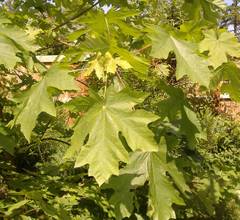
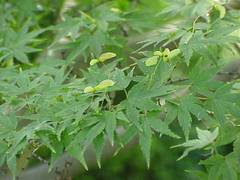
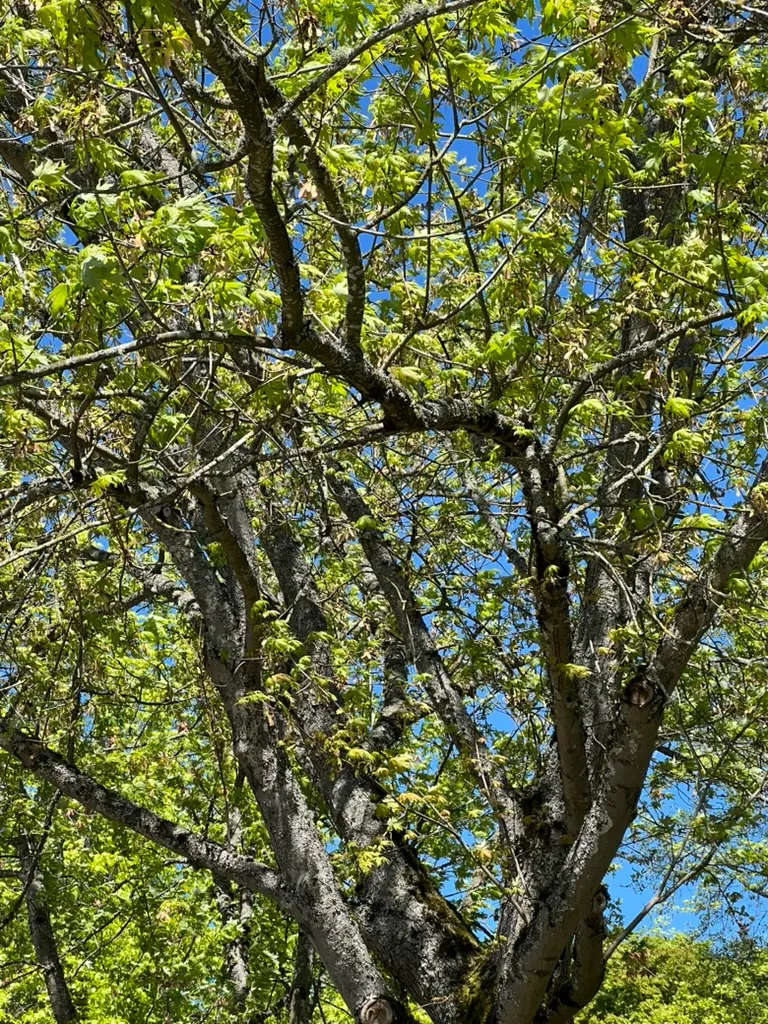
Acer saccharinum is a large deciduous tree in the family Sapindaceae native to eastern North America, reaching 50-80 feet (15-24 m) tall and 35-50 feet (10-15 m) wide with an open spreading canopy. It ranks among the fastest-growing North American hardwoods at 24-36 inches (60-90 cm) per year in youth. Leaves are deeply 5-lobed, 4-6 inches (10-15 cm) wide, with narrow sinuses cutting nearly to the mid-vein, medium green above and silvery-white beneath — the silver undersides flash in wind and give the species its common name. Fall color turns yellow to pale orange and is inconsistent between individuals and often dull. Small red to yellow-green flowers open in dense clusters along the branches from February through March before leaves emerge — one of the earliest maples to flower. Paired samaras ripen in May and June, earlier than most other maples. The fast growth produces brittle wood and branches break in wind, ice, and snow storms; storm breakage is the main limitation and the reason many municipalities restrict or prohibit silver maple as a street tree. Aggressive shallow surface roots lift pavement, invade sewer and drain lines, and dominate lawn areas within the drip line. Heavy seed production in late spring creates significant seasonal seed and seedling litter under the canopy. Wilted and dried leaves contain gallic acid and are toxic to horses, cats, and dogs.
Native Range
Acer saccharinum is native to eastern North America, from New Brunswick west to South Dakota and south to Florida and Oklahoma. It grows naturally on floodplains, stream banks, and low-lying wet areas and tolerates periodic flooding and saturated soils that exclude most other large deciduous trees.Suggested Uses
Planted as a shade tree in large landscapes, parks, and rural properties that accommodate the 35-50 foot (10-15 m) mature spread and the debris load from heavy seed drop and periodic branch breakage. The species tolerates wet sites and periodic flooding where few other large trees succeed and suits riparian-buffer and bottomland plantings. Not suited to small residential yards, narrow planting strips, street-tree positions, horse pastures, or any position within 20-30 feet (6-9 m) of pavement, foundations, or buried sewer lines because of root spread and branch breakage.How to Identify
Appearance
Size & Dimensions
Height50' - 80'
Width/Spread35' - 50'
Bloom Information
Small red to yellow-green flowers open in dense clusters along bare branches from February through March in zones 3-9 before leaves emerge, averaging 2-3 weeks of bloom. Flowers are wind-pollinated and are not an ornamental display. Paired samaras ripen in May and June, months earlier than most other maple species that set seed in fall.
Detailed Descriptions
Flower Description
red to yellow-green; tiny; in dense clusters along the branches before leaf emergenceFoliage Description
medium green above and silvery-white beneath; deeply 5-lobed leaves 4-6 inches (10-15 cm) wide with narrow sinuses; yellow to pale orange in fall (inconsistent and often dull)Growing Conditions
Sun Requirements
Requires 4-8 hours of direct sunlight daily
• Full Sun: 6+ hours of direct sunlight
• Partial Shade: 3-6 hours of direct sunlight
• Full Shade: Less than 3 hours of direct sunlight
Care & Maintenance
Care Guide
Plant in moist soil with a pH of 4.5-7.0 in full sun to part shade; tolerated soil types include loam, clay, silt, and sand. The species tolerates periodically wet sites and periodic flooding that exclude most other large landscape trees. Water weekly through the first 1-2 growing seasons. The fast growth and brittle wood call for young-tree structural pruning in years 3-10 to reduce later storm breakage. Positions within 20-30 feet (6-9 m) of pavement, foundations, or sewer lines are not suited to the species because aggressive shallow surface roots lift hardscape and invade buried utilities. Pruning is done only in summer (July-August) because dormant-season and spring pruning causes heavy sap loss. Wilted leaves are toxic to horses, cats, and dogs.Pruning
Pruning is done only in summer (July-August) to reduce sap bleeding from wounds. Dead, crossing, and narrow-angled crotch branches are removed at the branch collar because narrow branch unions are weak attachment points that fail in storm loads. Young-tree structural pruning in years 3-10 reduces the rate of storm damage later in the tree's life. Mature-tree work is often done by professional arborists because brittle wood and canopy size make DIY pruning hazardous.Pruning Schedule
Prune: July–August
summer