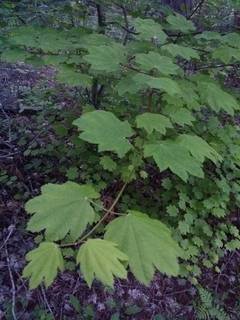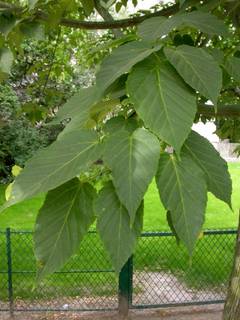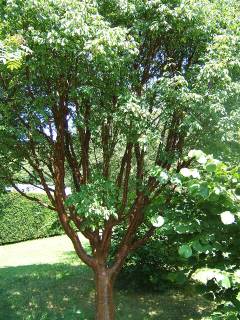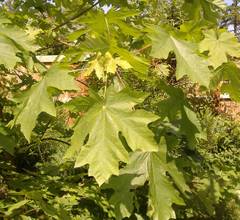
Image 1 of 12
1 / 12
Plant Reference
Acer, Genus, rubrum, Species,
- Genus & species
red maple
Eastern North America from Newfoundland and Manitoba south to Florida and Texas; the species has the broadest native range of any North American maple and occupies bottomlands, swamp edges, upland forests, and rocky ridges from sea level to 6,000 feet (1,800 m) elevation
Overview
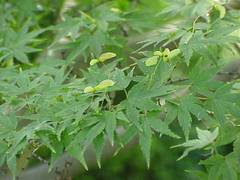
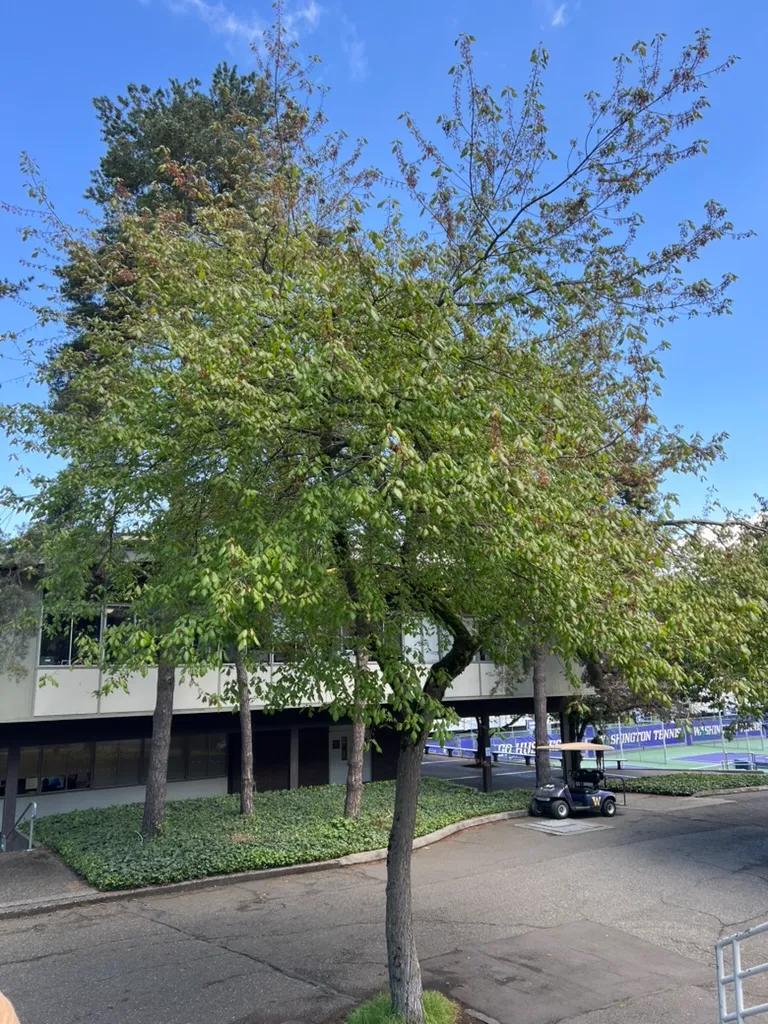
Acer rubrum is a large deciduous tree in the family Sapindaceae native to eastern North America, reaching 40-70 feet (12-21 m) tall and 30-50 feet (9-15 m) wide with an oval to rounded crown. The species has the broadest native range of any North American maple. Leaves are palmate with 3-5 shallow pointed lobes and serrated margins, 2-5 inches (5-13 cm) across, medium green above and distinctly silvery-white beneath — the pale undersides flash when wind moves the foliage. Fall foliage turns yellow, orange, or red, with color varying considerably between individuals; seed-grown trees are less predictable than named cultivars that have been selected for reliable red fall color. Small red flowers open in dense clusters from late February through March before leaf emergence — earlier than most other native trees in cultivation. Male and female flowers can occur on separate branches or separate trees. Paired samaras 0.75-1 inch (2-2.5 cm) long ripen from April through June, months earlier than most other maples which set seed in fall. Growth is moderate to fast at 1.5-2.5 feet (45-75 cm) per year. The species tolerates periodically wet and poorly drained soils in addition to average garden soils, and accounts for its common use in rain gardens and bioswales. Surface roots become prominent in thin or compacted soils. Branches are somewhat brittle and susceptible to breakage in ice storms. Wilted and dried leaves contain gallic acid and are acutely toxic to horses and moderately toxic to cats and dogs.
Native Range
Acer rubrum is native to eastern North America from Newfoundland and Manitoba south to Florida and Texas, with the broadest native range of any North American maple. It grows in a range of habitats from bottomlands and swamp edges to upland forests and rocky ridges, from sea level to approximately 6,000 feet (1,800 m) elevation.Suggested Uses
Planted as a shade tree in residential and commercial landscapes, parks, and street plantings where space accommodates the 40-70 foot (12-21 m) mature height. The species tolerates periodically wet soils and suits rain gardens, bioswales, and low garden spots where drainage is poor for part of the year — a tolerance that separates it from most other large landscape maples. Named cultivars with confirmed red fall color are specified for ornamental plantings where consistent color is wanted. Combined with Ilex verticillata, Vaccinium corymbosum, and moisture-tolerant ferns in rain gardens in zones 3-9. Horizontal clearance of 30-50 feet (9-15 m) is allowed from structures. Not suited to alkaline soils above pH 7.0, horse pastures where fallen leaves reach grazing animals, or positions under overhead utility lines.How to Identify
Appearance
Size & Dimensions
Height40' - 70'
Width/Spread30' - 50'
Bloom Information
Small red flowers 0.1-0.2 inch (3-5 mm) open in dense clusters from late February through March in zones 3-9 before leaf emergence, averaging 2-3 weeks of bloom. The species flowers 4-6 weeks ahead of most other landscape trees and carries early-season nectar resources. Paired red-tinged samaras 0.75-1 inch (2-2.5 cm) long ripen from April through June — several months before other maple species disperse seed in fall.
Detailed Descriptions
Flower Description
red; small dense clusters; individual flowers 0.1-0.2 inch (3-5 mm) acrossFoliage Description
medium green above and silvery-white beneath; palmate leaves 2-5 inches (5-13 cm) across with 3-5 shallow pointed lobes and serrated margins; yellow, orange, or red in fall (variable)Growing Conditions
Sun Requirements
Requires 4-8 hours of direct sunlight daily
• Full Sun: 6+ hours of direct sunlight
• Partial Shade: 3-6 hours of direct sunlight
• Full Shade: Less than 3 hours of direct sunlight
Care & Maintenance
Care Guide
Plant in moist, acidic soil with a pH of 4.5-6.5 in full sun to part shade; tolerated soil types include loam, clay, silt, and sand. Water weekly through the first 1-2 growing seasons. Established trees tolerate a range of soil moisture from periodically wet sites to moderately dry upland positions, which accounts for the common use in rain gardens and bioswales. Mulch is applied 2-3 inches (5-8 cm) deep from the drip line inward, kept 4-6 inches (10-15 cm) clear of the trunk. Fall foliage color of seed-grown trees is unpredictable, and named cultivars such as A. rubrum 'Red Sunset' or A. rubrum 'October Glory' are selected when reliable red fall color is required. Positions under power lines are not suited to the species because mature trees reach 40-70 feet (12-21 m). Branches are more brittle than those of A. saccharum and young-tree structural pruning reduces later ice-storm damage. Leaf scorch develops in alkaline soils above pH 7.0, producing yellowing and marginal browning from mid-season onward because iron uptake is impaired above that pH. Wilted and dried leaves are toxic to horses, cats, and dogs.Pruning
Pruning is done in dormancy (November through January) or in summer (July-August) to reduce sap loss from wounds. Dead, damaged, or crossing branches are removed at the branch collar. Young-tree structural pruning in years 3-10 develops a strong central leader and well-spaced scaffold branches, reducing later vulnerability to branch failure in ice and wind. More than 20% of the canopy is not removed in a single season because excessive removal causes water-sprout regrowth and stress.Pruning Schedule
Prune: July–August & November–January
wintersummer