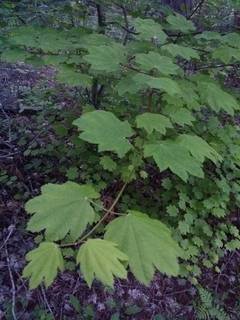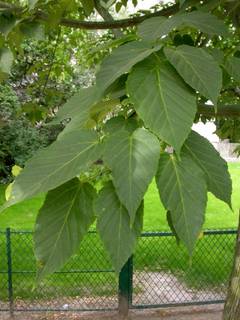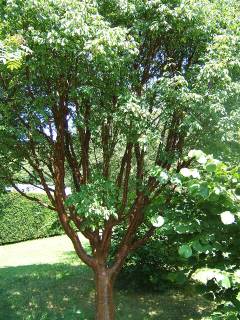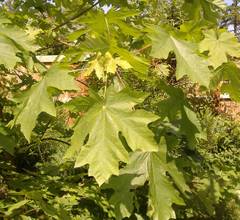
Acer, Genus, campestre, Species,
- Genus & species
field maple
Europe (Britain east to Caucasus and Iran); hedgerows, woodland margins, mixed deciduous forests on calcareous soils; sea level to 3,300 feet (1,000 m)
Overview
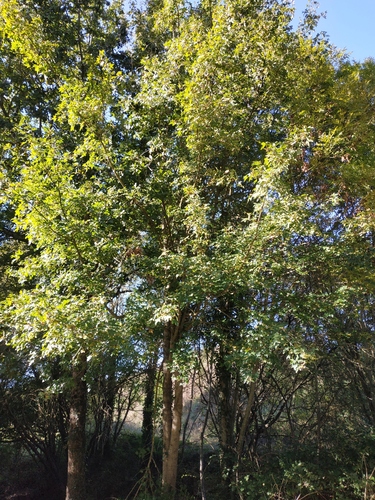
Acer campestre (field maple, hedge maple) is a deciduous tree or large shrub reaching 25–35 feet (7.5–10.5 m) tall with a spread of 20–30 feet (6–9 m) as a free-standing tree; when regularly clipped as a hedge it maintains any height from 4–15 feet (1.2–4.5 m). The crown is rounded and dense. Bark is corky and irregularly furrowed on older specimens. Opposite five-lobed leaves 1.5–3 inches (4–7.5 cm) wide have rounded lobes and produce milky sap in the petiole when broken. Dark green above, paler and slightly hairy below. Fall color is yellow to golden-yellow, lasting 2–3 weeks. Small yellow-green flowers appear in upright corymbs in April–May. Paired samaras 1–1.5 inches (2.5–4 cm) long are held nearly horizontally with wings in a nearly straight line. The species belongs to Sapindaceae. Campestre means of the fields. Native to Europe from Britain and Scandinavia south to the Mediterranean, and east through western Asia to Iran and the Caucasus. Tolerates alkaline and chalk soils (pH up to 8.0) without the chlorosis that affects most maples, as well as compacted ground, air pollution, and coastal exposure. Growth is slower in very poor dry soils — this is the principal cultural limitation. Non-toxic. Hardy in zones 5–8.
Native Range
Native to Europe from Britain and Scandinavia south to the Mediterranean, and east through western Asia to Iran and the Caucasus. Found in hedgerows, woodland margins, and mixed deciduous forests on calcareous soils, from sea level to 3,300 feet (1,000 m).Suggested Uses
Used as a specimen tree, street tree, or formal or informal hedge, spaced 3–4 feet (90–120 cm) for hedging or 20–25 feet (6–7.5 m) for specimen use. Tolerates root zone restrictions in paved urban environments. The species tolerates alkaline, clay, compacted, and exposed sites where many maples develop chlorosis or decline. Not suited to sites with prolonged standing water. Non-toxic. Zones 5–8.How to Identify
Appearance
Size & Dimensions
Height25' - 35'
Width/Spread20' - 30'
Colors
Bloom Information
Spring (April–May) over about 2 weeks. Small yellow-green flowers less than 0.2 inch (5 mm) across in upright corymbs, appearing as leaves emerge. Samaras develop through summer, ripening to tan-brown in September–October and often persisting into early winter.
Detailed Descriptions
Flower Description
Yellow-green; small; less than 0.2 inch (5 mm); in upright corymbs; April-MayFoliage Description
Dark green above, paler below; five-lobed with rounded lobes; 1.5-3 inches (4-7.5 cm) wide; milky petiole sap; yellow to golden-yellow in fallGrowing Conditions
Sun Requirements
Requires 4-12 hours of direct sunlight daily
• Full Sun: 6+ hours of direct sunlight
• Partial Shade: 3-6 hours of direct sunlight
• Full Shade: Less than 3 hours of direct sunlight
Care & Maintenance
Care Guide
Grows in full sun to partial shade with 4–12 hours of direct light. Any well-drained to moist soil at pH 5.5–8.0; tolerates alkaline and chalk soils without chlorosis, as well as clay and compacted ground. Established trees tolerate dry spells of 2–3 weeks and periodic flooding of short duration. Tolerates heavy pruning for hedge maintenance without significant decline. Air pollution and coastal exposure tolerance is high. Fall color is less vivid in zones 8 than in zones 5–7. Non-toxic. Suitable for zones 5–8.Pruning
For hedge use, clip 1–3 times per year from late spring through late summer; clipping after early September is avoided to allow growth to harden before frost. For specimen trees, prune in late spring to early summer (May–June) after leaf-out to minimize sap bleeding. For rejuvenation of overgrown hedges, cutting to 12–18 inches (30–45 cm) in late winter produces vigorous regrowth.Pruning Schedule
Prune: May–June
late spring