Acer, Genus, palmatum, Species, 'Shishigashira', Cultivar,
- Genus & species
- Cultivar
Lion's head Japanese maple
Parent species {Acer palmatum} native to Japan, Korea, and China; 'Shishigashira' has been cultivated in Japan for several centuries
Overview
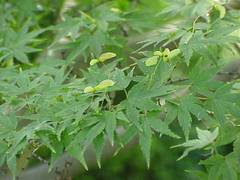
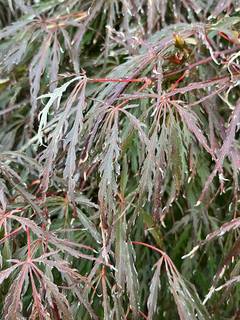
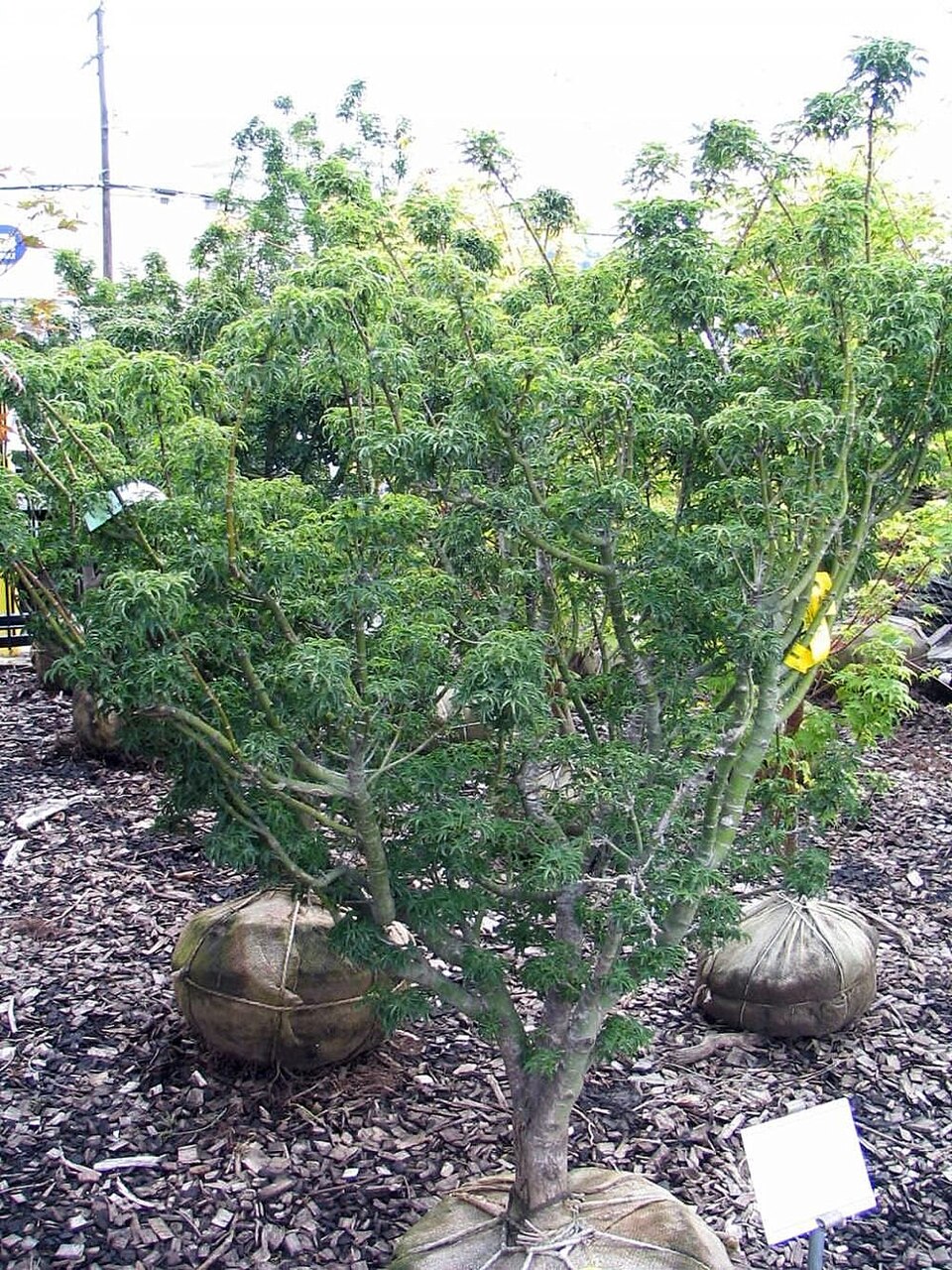
Acer palmatum 'Shishigashira' is a deciduous shrub or small tree reaching 8-12 feet (2.4-3.7 m) tall with a spread of 4-6 feet (1.2-1.8 m) over 15-20 years, forming a dense upright columnar to vase-shaped crown. The cultivar name translates as lion's head in Japanese and refers to the tufted crinkled leaf texture. Leaves are seven-lobed, 1-2 inches (2.5-5 cm) wide, with short overlapping lobes densely crowded along the branches and margins that are ruffled rather than flat — each shoot has a bunched tufted appearance. Foliage is medium to dark green through spring and summer. Fall color is gold to orange and lasts 2-3 weeks. Growth averages 2-4 inches (5-10 cm) per year. The dense tufted canopy holds moisture longer than open-canopied cultivars, and overhead irrigation in humid conditions can encourage foliar disease. Sustained summer temperatures above 85°F (29°C) cause leaf margin scorch.
Native Range
Acer palmatum is native to Japan, Korea, and China, occurring in mixed broadleaf forests at low to middle elevations. The cultivar 'Shishigashira' has been cultivated in Japan for several centuries and does not occur in wild populations.Suggested Uses
Planted as a specimen or architectural accent in Japanese-style gardens, courtyard gardens, and mixed borders at 5-6 foot (1.5-1.8 m) spacing. The ruffled leaf texture and narrow columnar outline provide year-round structural character. Grown in containers of 15 gallons (57 L) or more. Not suited to hot-summer climates, sites that rely on overhead irrigation, alkaline soils above pH 7.0, or exposed windy positions.How to Identify
Appearance
Size & Dimensions
Height8' - 12'
Width/Spread4' - 6'
Bloom Information
Pendant clusters of small dark red to purple flowers open in April and May as new leaves emerge. Individual flowers measure 0.3-0.4 inch (8-10 mm) across and are not a primary display feature. Samaras 0.75-1 inch (2-2.5 cm) long ripen to tan-brown in September and October.
Detailed Descriptions
Flower Description
dark red to purple; pendant clusters; individual flowers 0.3-0.4 inch (8-10 mm) acrossFoliage Description
medium to dark green with ruffled crinkled texture; seven-lobed leaves 1-2 inches (2.5-5 cm) wide; gold to orange in fallGrowing Conditions
Sun Requirements
Requires 3-8 hours of direct sunlight daily
• Full Sun: 6+ hours of direct sunlight
• Partial Shade: 3-6 hours of direct sunlight
• Full Shade: Less than 3 hours of direct sunlight
Care & Maintenance
Care Guide
Plant in moist, well-drained, humus-rich soil with a pH of 5.5-7.0 in part shade to full sun in cool-summer climates; tolerated soil types include loam and sand. Water weekly during the first two growing seasons. Established plants tolerate dry intervals of 7-10 days but show leaf scorch under sustained drought or afternoon heat. The dense tufted canopy holds moisture longer than open-canopied cultivars, and overhead irrigation in humid settings can promote foliar disease — drip or soil-level irrigation reduces this. Sustained summer temperatures above 85°F (29°C) cause leaf margin scorch, which rules out hot-summer regions without afternoon shade. Grown in containers of 15 gallons (57 L) or more. No routine fertilization is required in humus-rich soils.Pruning
No routine pruning is required. The slow growth rate and self-maintaining columnar form mean pruning is rarely called for in the first 10-15 years after planting. Dead or crossing branches are removed in late spring to early summer (May-June) after leaf-out. Heavy shaping is not done; the columnar outline is not reshaped through pruning. Late-summer and fall pruning is avoided because wounds close slowly at those times.Pruning Schedule
Prune: May–June
late spring
Container Growing
Suitable for container growing
Minimum container size: 15 gallons