Image 1 of 5
1 / 5
© No machine-readable author provided. TeunSpaans assumed (based on copyright claims)., some rights reserved (CC-BY) · Wikimedia Commons
Acer, Genus, palmatum, Species, 'Osakazuki', Cultivar,
- Genus & species
- Cultivar
Osakazuki Japanese maple
Japan, Korea, and China; mixed broadleaf forests at low to middle elevations
Overview
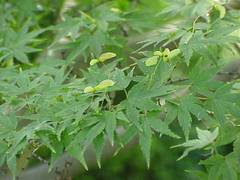
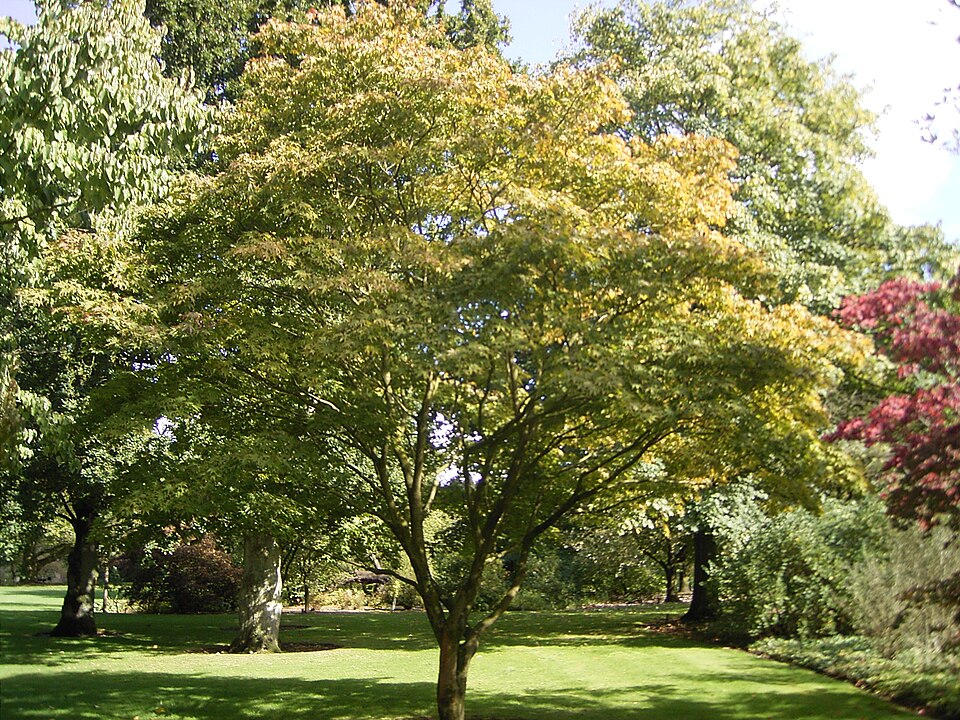
Acer palmatum 'Osakazuki' is a deciduous tree reaching 10–15 feet (3–4.5 m) tall with a spread of 10–12 feet (3–3.7 m), forming a broadly rounded crown. Seven-lobed leaves 2–4 inches (5–10 cm) wide with slender pointed lobes and finely serrated margins are medium green through spring and summer. Fall color is deep scarlet to crimson, typically appearing in October in zones 5–7 and lasting 2–4 weeks. Bark is smooth and gray. Small dark red to purple flowers 0.3–0.4 inch (8–10 mm) appear in pendant clusters in April–May as new leaves emerge. Paired samaras 0.75–1 inch (2–2.5 cm) ripen in September–October. Growth rate is moderate, 6–10 inches (15–25 cm) per year. The species belongs to Sapindaceae. Osakazuki means wine cup in Japanese. Cultivated in Japan for centuries. Like all A. palmatum cultivars, the foliage is susceptible to leaf scorch when temperatures sustain above 85°F (29°C) or under drought stress — this is the principal climatic limitation. The fall scarlet color is most vivid in zones 5–7 where day-to-night temperature variation is pronounced in September–October; in zones 8–9 color may shift toward orange rather than crimson. Native species range: Japan, Korea, and China. Non-toxic. Hardy in zones 5–9.
Native Range
Species native to Japan, Korea, and China, in mixed broadleaf forests at low to middle elevations. 'Osakazuki' has been cultivated in Japan for centuries.Suggested Uses
Used as a specimen in woodland gardens, Japanese-style gardens, and mixed shrub borders, spaced 10–12 feet (3–3.7 m), and in containers of at least 15 gallons (57 L) with winter protection in zones 5–6. The deep scarlet fall color lasts 2–4 weeks in zones 5–7. Not suited to hot-summer climates without afternoon shade, alkaline soils, or exposed windy sites. Non-toxic. Zones 5–9.How to Identify
Appearance
Size & Dimensions
Height10' - 15'
Width/Spread10' - 12'
Bloom Information
Spring (April–May) over about 3 weeks. Small dark red to purple flowers 0.3–0.4 inch (8–10 mm) in pendant clusters as new leaves emerge. Paired samaras 0.75–1 inch (2–2.5 cm) ripen in September–October.
Detailed Descriptions
Flower Description
Dark red to purple; 0.3-0.4 inch (8-10 mm); in pendant clusters; April-MayFoliage Description
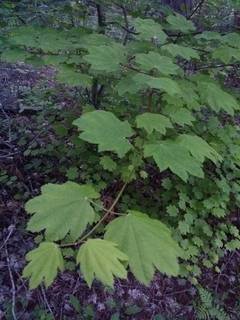
Medium green in spring and summer; seven-lobed; 2-4 inches (5-10 cm) wide; slender pointed lobes; finely serrated margins; deep scarlet to crimson in fallGrowing Conditions
Sun Requirements
Requires 3-8 hours of direct sunlight daily
• Full Sun: 6+ hours of direct sunlight
• Partial Shade: 3-6 hours of direct sunlight
• Full Shade: Less than 3 hours of direct sunlight
Care & Maintenance
Care Guide
Grows in partial shade to full sun with 3–8 hours of direct light; full sun in cool-summer climates, afternoon shade in climates with sustained temperatures above 85°F (29°C). Moist well-drained humus-rich soil at pH 5.5–7.0 in loam or sand. Established plants tolerate dry intervals of 7–10 days but show leaf margin scorch under sustained drought or afternoon heat. The fall scarlet color is most vivid in zones 5–7 with cool autumn nights; in zones 8–9 color may shift toward orange. No routine fertilization is required in humus-rich soils. Non-toxic. Suitable for zones 5–9.Pruning
No routine pruning is required — the naturally rounded crown is self-maintaining. Prune in late spring to early summer (May–June) after leaf-out if shaping is needed. Remove dead or crossing branches. The central leader is retained in young trees. Late summer and fall pruning is avoided.Pruning Schedule
Prune: May–June
late spring
Container Growing
Suitable for container growing
Minimum container size: 15 gallons