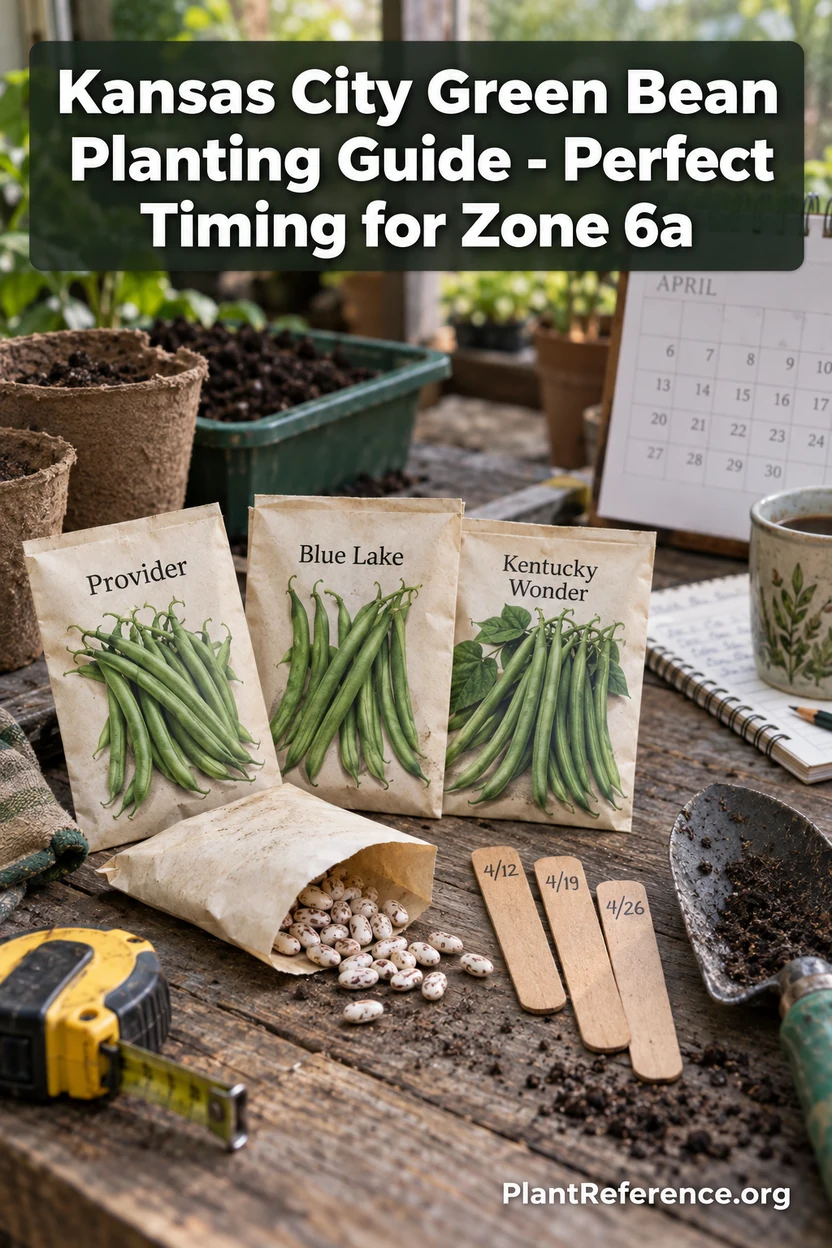
When to Plant Green Beans in Kansas City: Complete Guide + Best Varieties for Zone 6a
Pets & Toxicity
Recorded toxicity for plants linked in this guide. An unknown status is not a safety assessment.
No linked plant is recorded as toxic (6 linked plants checked)DetailsHide
Phaseolus vulgaris 'Blue Lake' — Toxicity
Non-toxic when cooked. Raw pods carry lectins (phytohemagglutinin) that cause digestive upset on raw consumption — pods are cooked before eatingView Phaseolus vulgaris 'Blue Lake' plant profilePhaseolus vulgaris 'Purple Queen' — Toxicity
Non-toxicView Phaseolus vulgaris 'Purple Queen' plant profilePhaseolus vulgaris 'Kentucky Wonder' — Toxicity
Non-toxicView Phaseolus vulgaris 'Kentucky Wonder' plant profilePhaseolus vulgaris 'Dragon Tongue' — Toxicity
Non-toxicView Phaseolus vulgaris 'Dragon Tongue' plant profile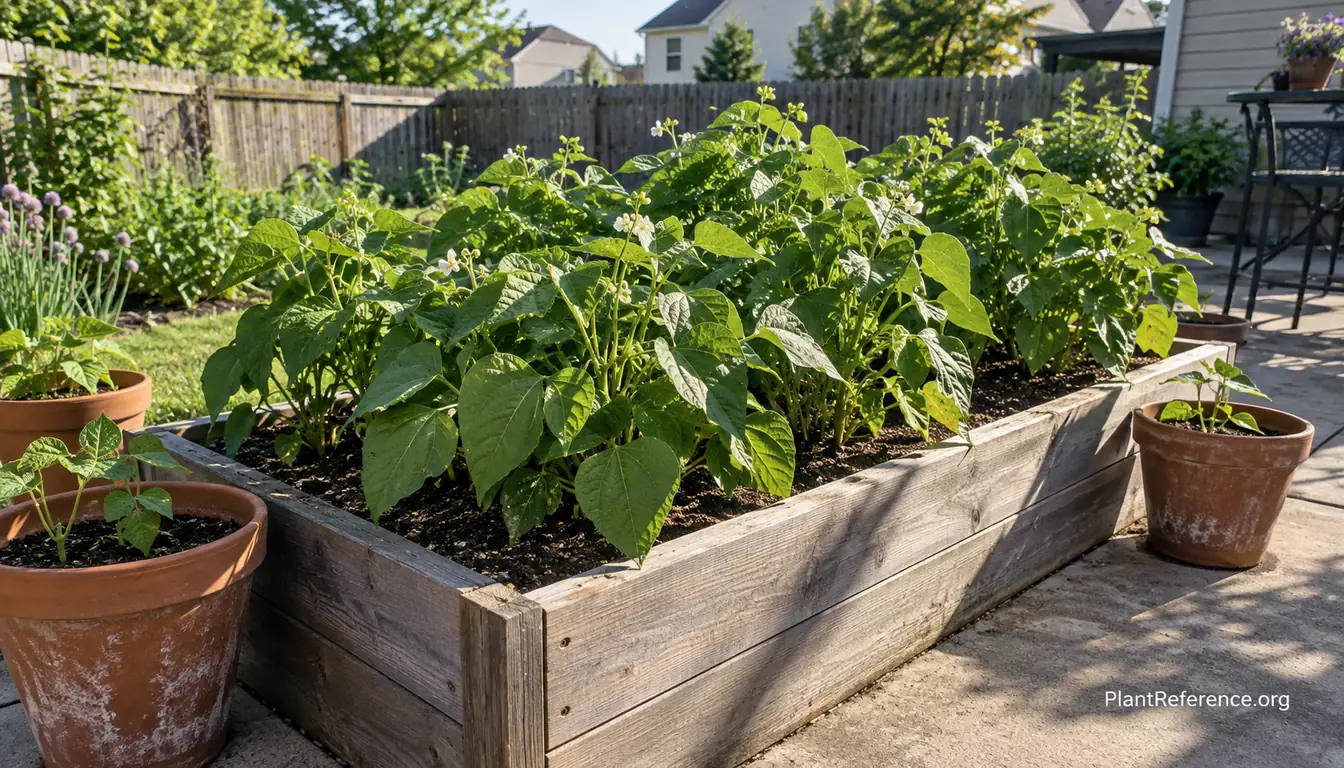
— Image © PlantReference.org 2026
Kansas City's Zone 6a climate gives you one of the best green bean growing regions in the country. With 193 frost-free days from April 14 to October 24, you can grow multiple crops and try every variety from quick bush beans to tall pole beans that need a long season.
After forty years of growing beans in the Midwest, I'll tell you Kansas City has near-perfect conditions—if you time it right. The key is working around that summer heat that can shut down bean production faster than you'd expect.
Best Green Bean Varieties for Kansas City's Hot Climate
Kansas City's 193-day growing season gives you plenty of options, but the summer heat between July and August means variety selection matters more than you might think.
Variety | Days to Maturity | Best Planting Window | Heat Tolerance | Notes for Kansas City |
|---|---|---|---|---|
50-55 days | May 1 - June 15 | Excellent | Perfect for beating summer heat | |
53-60 days | May 1 - June 15 | Good | Wide flat pods, harvest before July heat | |
55-65 days | May 1 - June 1 | Fair | Best quality but needs consistent water | |
55-60 days | May 15 - July 1 | Good | Easy to spot for harvest in summer heat | |
60-70 days | May 1 - May 15 only | Poor | Plant early, needs trellis | |
55-60 days | May 15 - June 15 | Fair | Delicate variety, avoid hottest periods |
Bush Varieties for Succession Planting
🌿Phaseolus vulgaris 'Provider' is your go-to variety in Kansas City. At 50-55 days to harvest, it's fast enough to beat the worst summer heat and tough enough to handle temperature swings. Plant every two weeks from May 1 through June 15, and you'll have beans all season.
🌿Phaseolus vulgaris 'Roma II' produces those wide, flat Romano-style pods that hold up well in heat. The 53-60 day maturity means you can plant through mid-June and still harvest before the August scorchers hit.
🌿Phaseolus vulgaris 'Purple Queen' might seem like a novelty, but those purple pods are practical in Kansas City's heat—you can spot ripe beans instantly against the green leaves, making harvest quick during hot mornings.
Heat-Challenging Varieties
🌿Phaseolus vulgaris 'Blue Lake' grows beautifully here but struggles once temperatures consistently hit 90°F (32°C). Plant early and keep it well-watered, or save it for fall plantings.
🌿Phaseolus vulgaris 'Kentucky Wonder' is the classic pole bean, but in Kansas City, plant it by May 15 at the latest. Those 70-day poles need to be flowering before the July heat wave, or they'll shut down production.
Specific Planting Dates for Kansas City Zone 6a
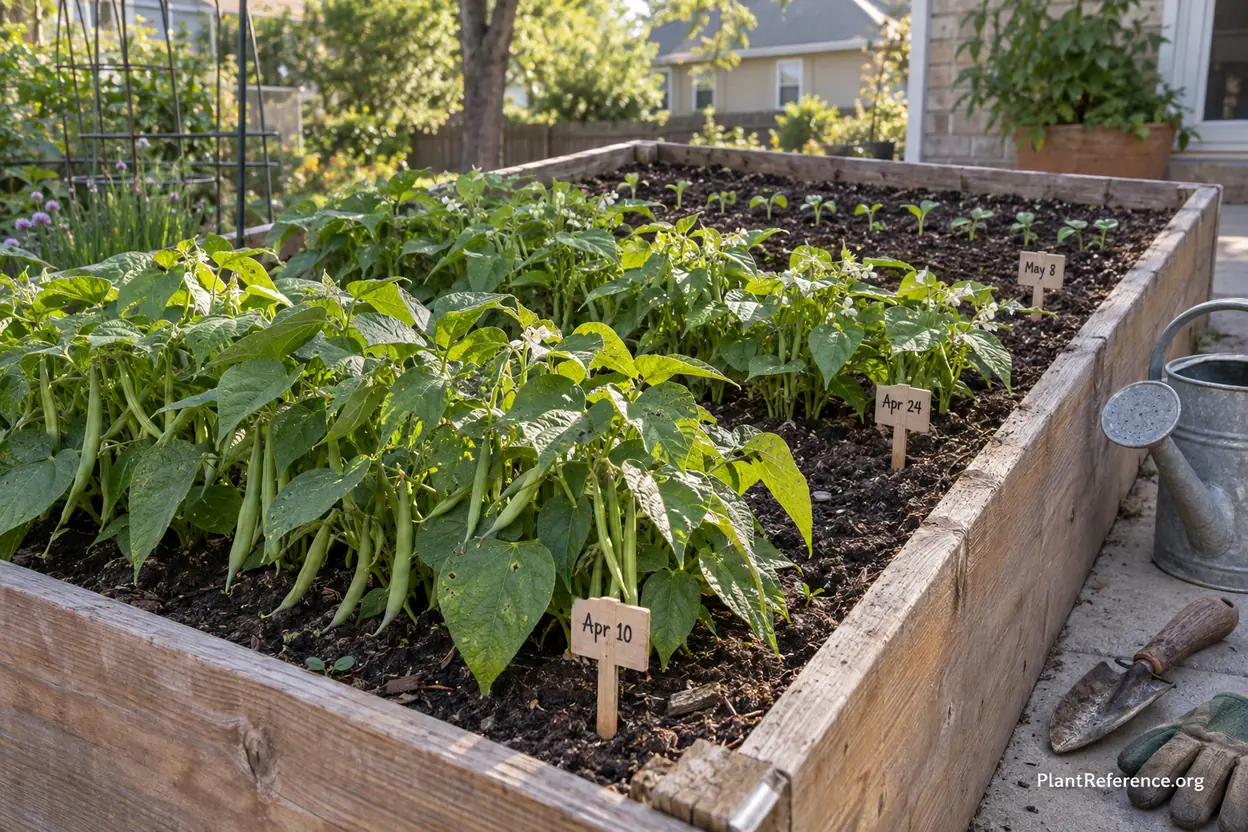
Kansas City's last frost typically occurs around April 14, but green beans need warm soil—at least 60°F (15°C)—to germinate properly. Cold, wet soil will rot the seeds before they sprout.
Spring Planting Schedule
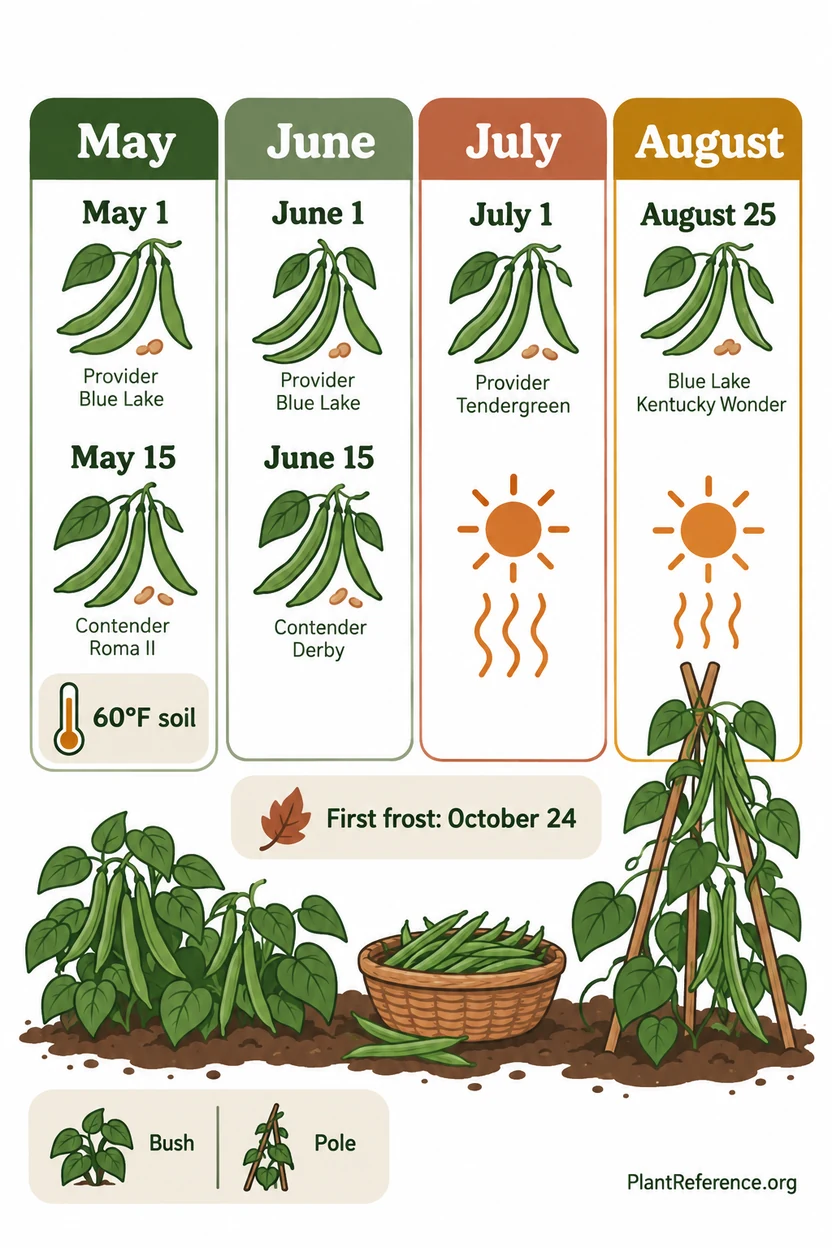
First Planting: May 1-7 Soil temperature should be consistently 60°F or higher. Use 🌿Phaseolus vulgaris 'Provider' or 🌿Phaseolus vulgaris 'Roma II' for reliability. These varieties handle cool mornings better than others.
Second Planting: May 15-22 Perfect timing for 🌿Phaseolus vulgaris 'Blue Lake' and 🌿Phaseolus vulgaris 'Purple Queen'. Soil is fully warmed, and you'll harvest in mid-July before the worst heat.
Third Planting: June 1-8 Last chance for long-season varieties. Plant 🌿Phaseolus vulgaris 'Kentucky Wonder' if you want pole beans—any later and the July heat will prevent flowering.
Fourth Planting: June 15-22 Stick to fast varieties like 🌿Phaseolus vulgaris 'Provider' and 🌿Phaseolus vulgaris 'Roma II'. You'll harvest in early August.
Final Summer Planting: July 1-15 Only the fastest bush beans work here. 🌿Phaseolus vulgaris 'Provider' planted July 15 will be ready by early September.
Fall Planting Strategy
Fall Crop: August 20-30 Count back 60-70 days from October 24 (first frost). Plant 🌿Phaseolus vulgaris 'Provider' by August 25, 🌿Phaseolus vulgaris 'Blue Lake' by August 20. Fall beans often produce better than summer crops because they mature during cooling temperatures.
Complete Growing Guide for Kansas City Conditions
Growing beans successfully in Kansas City means understanding our hot, sometimes humid summers and variable spring weather. Here's what works after decades of Midwest gardening.
Soil Preparation
Kansas City clay soil is notorious, but beans actually handle clay better than most vegetables—if you prep it right. Work in 2-3 inches (5-7 cm) of compost before planting. The clay holds moisture (beans need consistent water), but the organic matter prevents that concrete-hard surface that kills germinating seeds.
Test your soil pH. Most Kansas City soil runs 6.5-7.2, which is perfect for beans. If you're over 7.5, work in some sulfur in fall. Beans fix their own nitrogen, so don't add high-nitrogen fertilizer—it'll give you all leaves and no pods.
Direct Sowing Technique
Kansas City's clay soil crusts after rain, which can trap germinating bean shoots. Here's my foolproof method:
Plant seeds 1 inch (2.5 cm) deep in clay soil, 1.5 inches (3.8 cm) in sandy areas. Space bush varieties like 🌿Phaseolus vulgaris 'Provider' and 🌿Phaseolus vulgaris 'Roma II' 4 inches (10 cm) apart. Give 🌿Phaseolus vulgaris 'Blue Lake' and pole beans 6 inches (15 cm) spacing.
After planting, cover the row with potting mix or compost instead of clay soil. This prevents crusting and makes emergence easier. Water gently but thoroughly—Kansas City's spring winds dry out soil fast.
Watering Strategy for Hot Summers
Kansas City's summer heat is the biggest challenge. Beans need 1 inch (2.5 cm) of water per week, but timing matters more than total amount.
Water deeply twice a week rather than daily light sprinkles. The clay soil holds moisture well once saturated. Morning watering is critical—wet foliage at night invites fungal problems in our humid summers.
During heat waves (3+ days over 90°F/32°C), beans may stop flowering even with adequate water. This is normal. Keep them watered, and they'll resume production when temperatures moderate.
Install soaker hoses before planting to avoid disturbing roots later
Mulch around plants with grass clippings to conserve soil moisture
Water at soil level, not on leaves, to prevent disease
Check soil moisture 2 inches (5 cm) deep before watering
Stop watering 7-10 days before expected frost for fall crops
Succession Planting Management
The key to continuous harvest in Kansas City is timing your successions around the heat. Plant every 2-3 weeks from May 1 through July 15, but skip the hottest period (July 20-August 15) unless you have excellent shade and irrigation.
Each planting of 🌿Phaseolus vulgaris 'Provider' gives you about 2 weeks of harvest. With 5-6 succession plantings, you'll have fresh beans from July through October.
Managing Kansas City's Summer Heat Challenges
Kansas City's summer heat can shut down bean production if you're not prepared. Here's how to keep beans productive when temperatures soar.
Heat Stress Recognition and Prevention
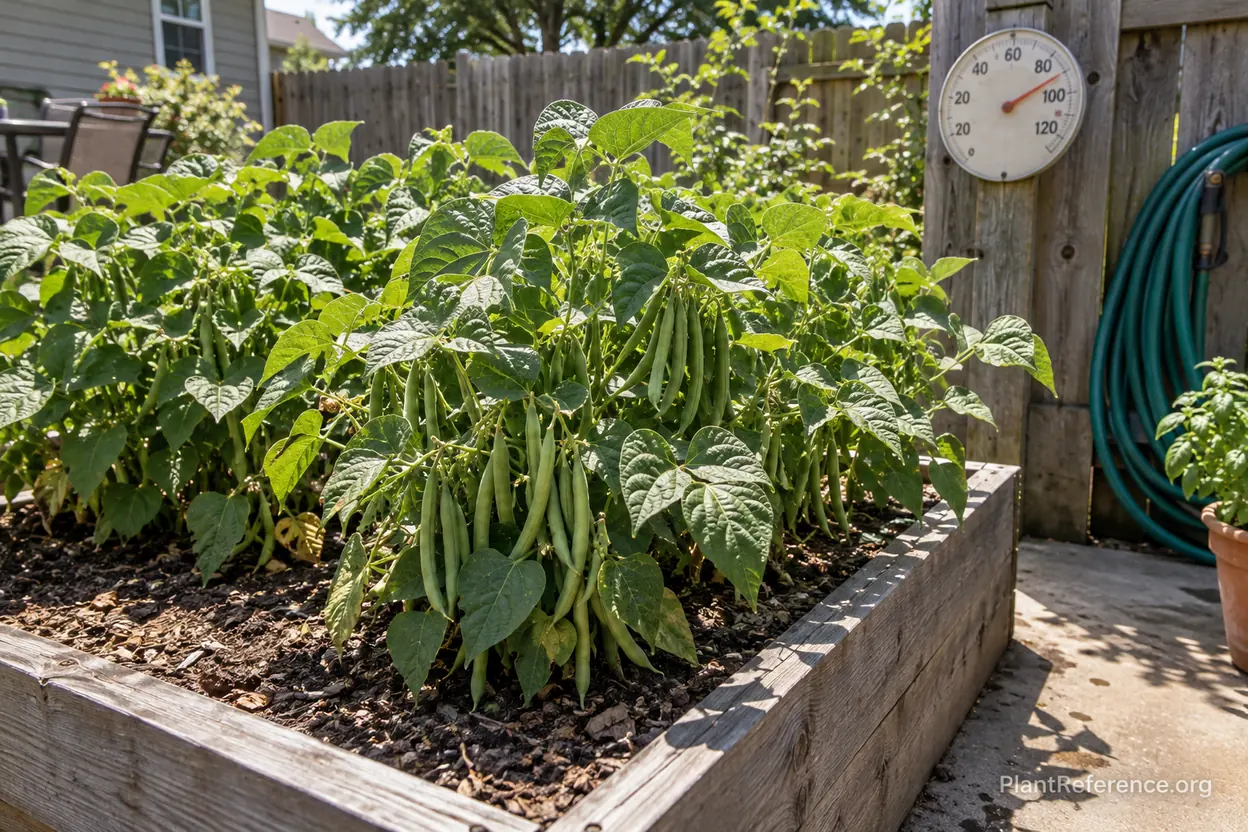
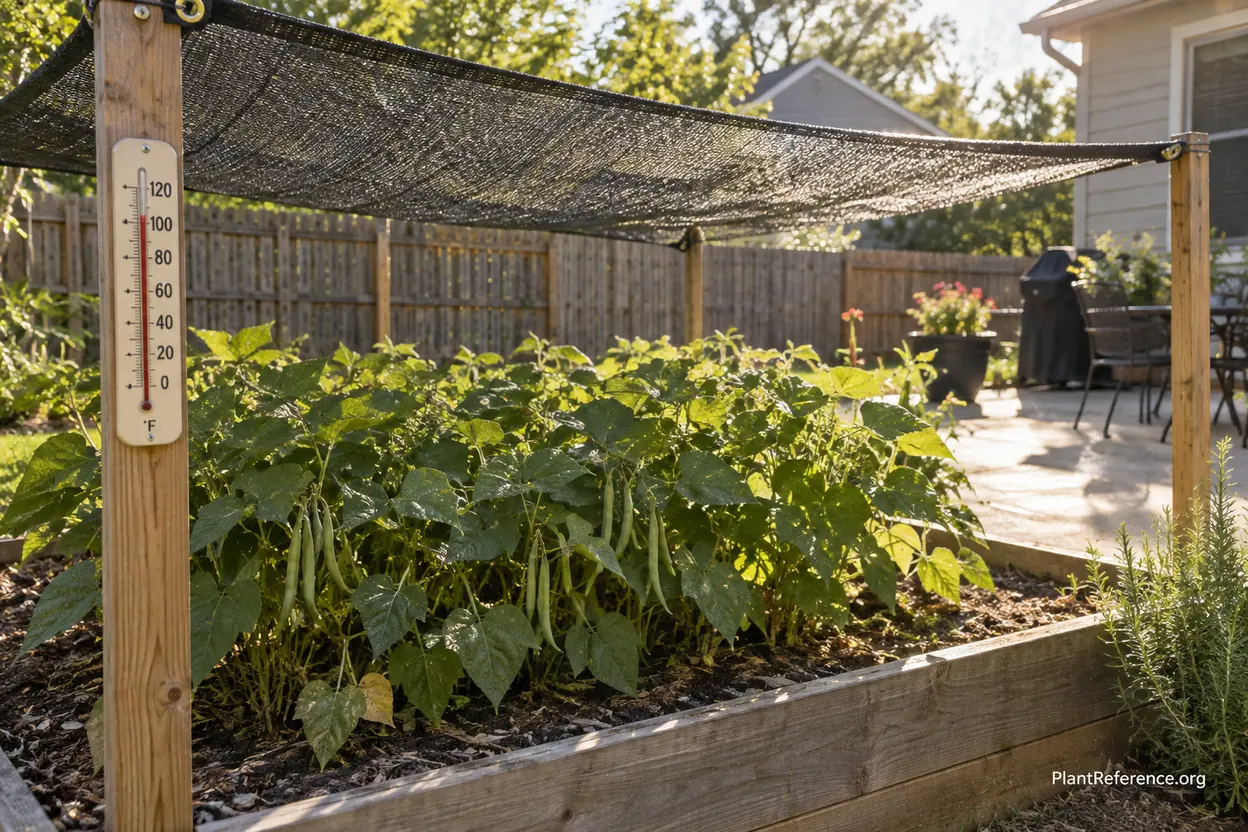
When daytime temperatures exceed 90°F (32°C) for more than three consecutive days, bean plants stop setting flowers. The pollen becomes sterile, and existing flowers drop off. This is normal plant behavior, not a disease.
Prevention strategies:
Provide afternoon shade during heat waves. A simple shade cloth (30-40% shade) hung on the west side of the bean row can drop temperatures by 10°F (5°C). Remove it when temperatures return to normal.
Maintain consistent soil moisture. Heat-stressed, drought-stressed beans shut down completely. But avoid overwatering—soggy soil in heat promotes root rot.
Choose heat-tolerant varieties. 🌿Phaseolus vulgaris 'Provider' and 🌿Phaseolus vulgaris 'Purple Queen' handle Kansas City heat better than 🌿Phaseolus vulgaris 'Blue Lake' or 🌿Phaseolus vulgaris 'Dragon Tongue'.
Summer Pest Management
Kansas City's hot, humid summers create perfect conditions for Mexican bean beetles and spider mites.
Mexican Bean Beetles: These copper-colored beetles with black spots appear in mid-June. Check the undersides of leaves weekly for yellow egg clusters. Remove by hand, or use row covers during peak egg-laying period (late June-early July).
Spider Mites: Show up during hot, dry spells. Look for fine webbing and stippled (speckled) leaves. Increase humidity around plants by watering walkways in early morning. Insecticidal soap works if caught early.
Extending Production Through Heat
The secret to summer bean production in Kansas City is understanding that plants may pause but don't die. Keep heat-stressed plants watered and healthy, and they'll resume flowering when temperatures drop below 85°F (29°C) at night.
Consider container growing for mobility. Large containers can be moved to shadier locations during heat waves, then back to full sun when conditions improve.
Harvest and Storage for Maximum Yield
Kansas City's long growing season means you'll have beans from July through October if you time everything right. Here's how to harvest and store for maximum quality and continuous production.
Harvesting Techniques
Harvest beans when pods snap crisply but seeds are still small—about the size of pencil lead. In Kansas City heat, check plants every other day once they start producing. Pods can go from perfect to over-mature in 48 hours during hot spells.
Pick in early morning when pods are crisp and full of moisture. Evening harvest works too, but avoid midday picking when pods are heat-stressed and limp.
Variety-specific harvest notes:
🌿Phaseolus vulgaris 'Provider' produces all at once over 10-14 days. Pick every other day.
🌿Phaseolus vulgaris 'Kentucky Wonder' keeps producing if kept picked. Harvest twice weekly.
🌿Phaseolus vulgaris 'Purple Queen' pods are easy to spot—the purple color makes harvest quick and efficient.
Storage and Preservation
Fresh beans store 7-10 days in the refrigerator at 40°F (4°C) with high humidity. Store in perforated plastic bags to maintain moisture without causing rot.
For longer storage, blanch beans in boiling water for 3 minutes, cool in ice water, then freeze in portions. Kansas City gardeners often get 15-20 pounds from a 20-foot row of 🌿Phaseolus vulgaris 'Provider'—enough to freeze for winter use.
Extending Harvest Season
Fall beans often produce better quality than summer beans because they mature during cooling temperatures. Your August 25 planting of 🌿Phaseolus vulgaris 'Provider' will be ready by late October, often producing right up to the first hard frost around October 24.
Save seed from your best-performing plants. Beans are self-pollinating and come true to type. Let a few pods mature completely (they'll turn brown and dry), then shell and store seeds in a cool, dry place for next year's garden.
Frequently Asked Questions
Three daily games
Can you name a plant on sight?
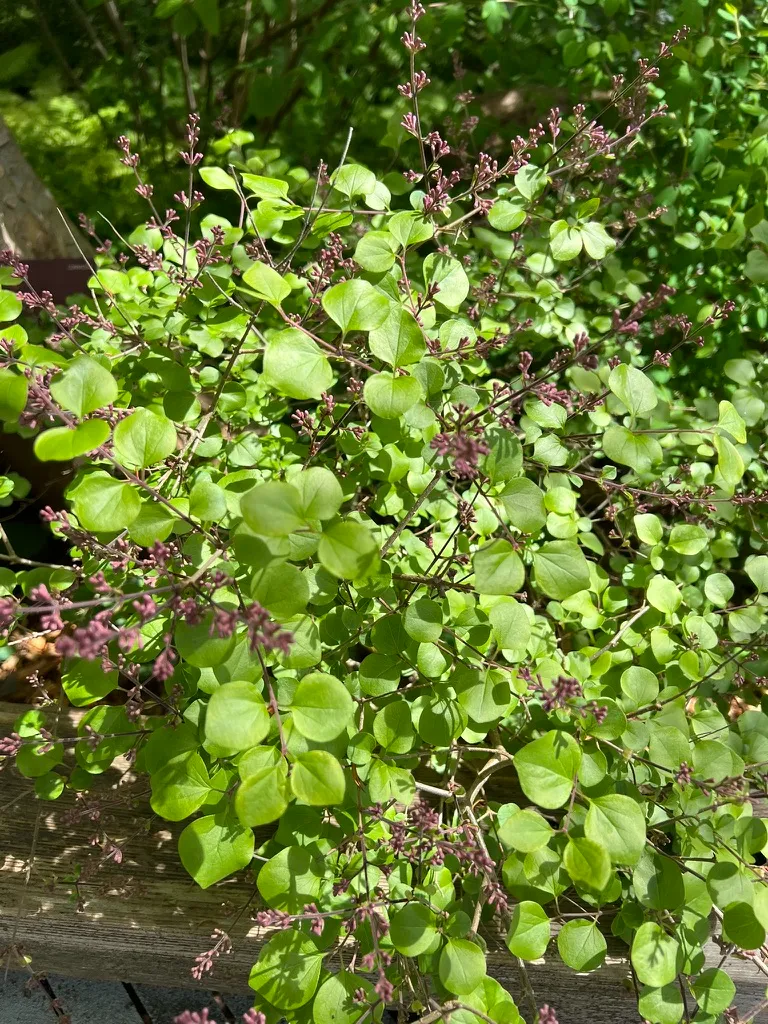
Tuesday’s specimenSyringa pubescens ssp. patula 'Miss Kim'Reading about plants and recognising them are different skills. These three build the second.
- Daily PlantIdentify the day’s mystery plant from a close-up photograph.
- Keyed OutWork a dichotomous key, lead by lead, to name a hidden specimen.
- Name That PlantName a specimen from botanical clues dealt hardest first.
Free to play, no account needed
Tagged with
Dot grew up on a small farm in rural Virginia and has maintained a vegetable garden for decades. After retiring from teaching elementary school, she became a Master Gardener volunteer and spends her time mentoring new gardeners at community garden plots in Richmond. She's especially knowledgeable about heirloom varieties, seed saving, and traditional growing methods passed down from her grandmother. Dot's no-nonsense advice comes from extensive trial and error—she's seen every tomato disease, pest problem, and weather disaster imaginable. Her biggest pet peeve is gardeners who overcomplicate simple tasks. "Plants want to grow," she often says. "Your job is to not get in their way."