Endless Summer Hydrangea Not Blooming: The Fix
Pets & Toxicity
Recorded toxicity for plants linked in this guide. An unknown status is not a safety assessment.
Toxic to pets: endless summer hydrangea, Panicle hydrangeaDetailsHide
Hydrangea macrophylla 'Endless Summer' — Toxicity Warning
Toxic to pets and humansView Hydrangea macrophylla 'Endless Summer' plant profileHydrangea paniculata — Toxicity Warning
Toxic to pets and humansView Hydrangea paniculata plant profile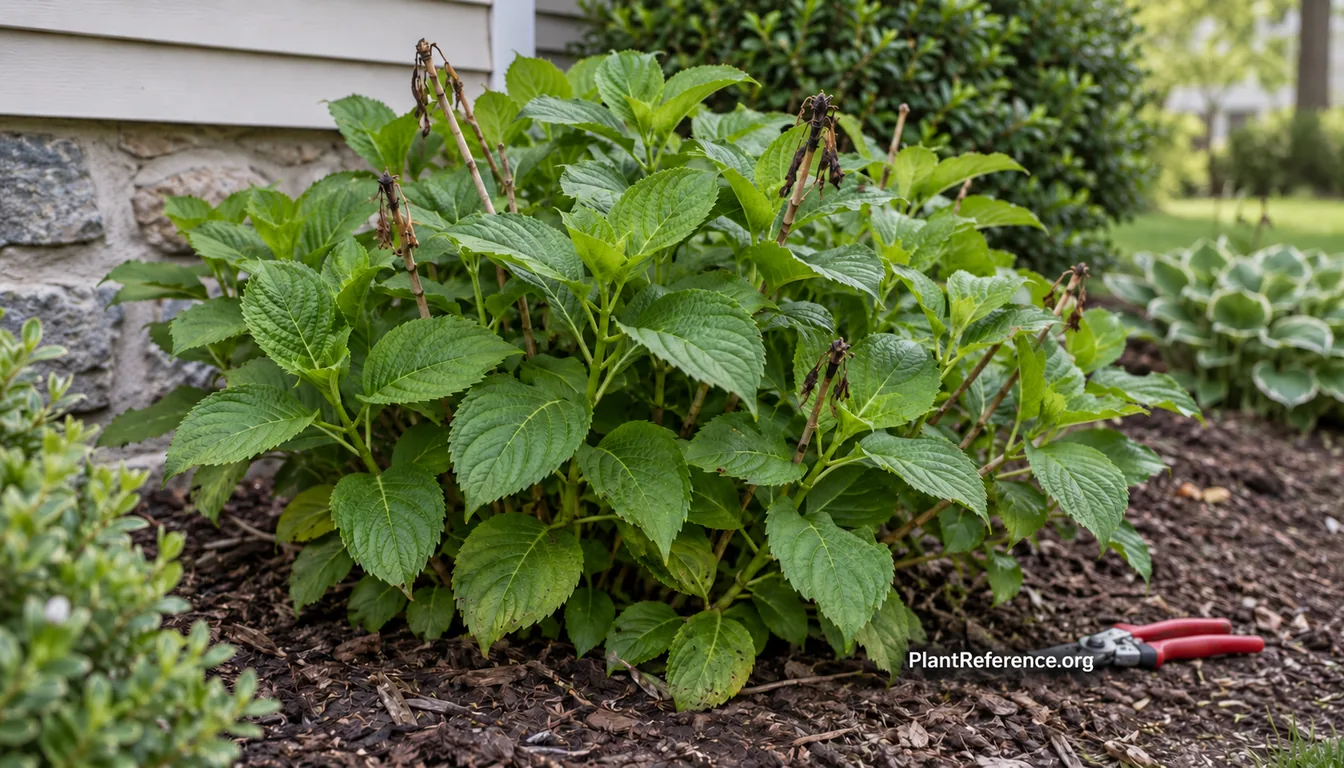
— Image © PlantReference.org 2026
When an Endless Summer hydrangea is not blooming, start with the plant's two sets of potential flower buds. 🌿Hydrangea macrophylla 'Endless Summer' can flower from buds formed on old stems and later from new growth, but cold, pruning, or a short season can wipe out the first display and leave only a modest second chance.
Understand Why Reblooming Is Not Guaranteed
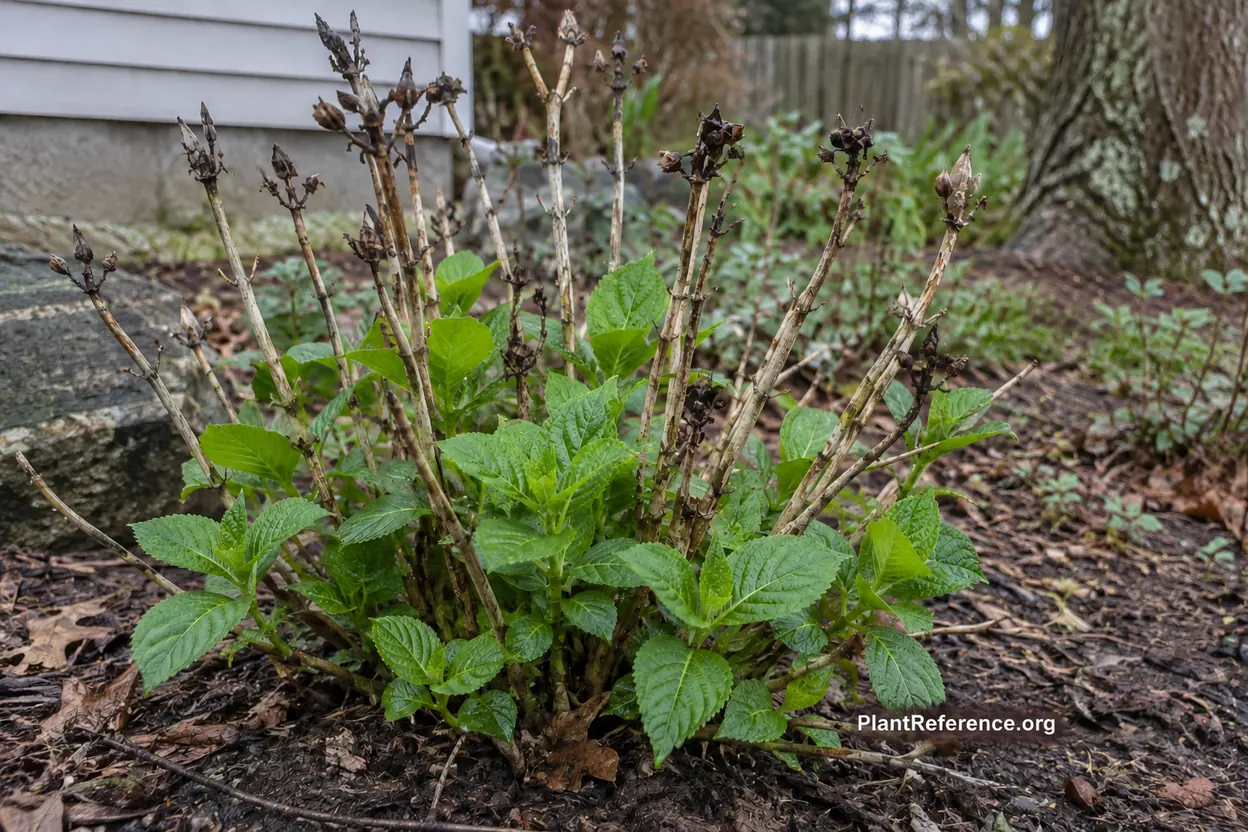
The reblooming label does not promise the same performance in every climate. In zones 4–5, 🌿Hydrangea macrophylla 'Endless Summer' may survive at the roots while overwintering flower buds die. New shoots can emerge vigorously, but their flowers often arrive later and in smaller numbers than the old-wood display seen in milder regions.
That distinction explains the classic complaint: the shrub looks healthy, produces plenty of leaves, and still disappoints. Hydrangea Not Blooming? 7 Causes and the Old Wood Fix gives the broader diagnostic framework for any species.
What you see | Most likely explanation | Best next move |
|---|---|---|
Leaves on old stems, no flowers | Buds were pruned or damaged | Preserve living wood and review winter exposure |
Growth only from the base | Upper stems died back | Protect next winter's old wood |
Dense dark leaves, few buds | Excess nitrogen or heavy shade | Review fertilizer and actual light hours |
Small late flowers | New-wood rebloom is occurring | Keep care steady and adjust expectations |
No growth anywhere | Plant survival is uncertain | Check stems, crown, and roots |
Confirm that the plant really is 🌿Hydrangea macrophylla 'Endless Summer' rather than another bigleaf selection or a different species. Hydrangea Types Explained: Pruning, Color & Care Guide helps identify bloom wood and leaf form.
Check Pruning and Winter Bud Damage First
Stop routine pruning
Do not cut 🌿Hydrangea macrophylla 'Endless Summer' to the ground each spring. Its reblooming ability is insurance, not permission to discard old-wood buds. Wait for growth to reveal dead tissue, then remove only confirmed dead tips and damaged stems.
If you shortened the shrub in fall, winter, or early spring, you may have removed the strongest flower buds yourself. Use How to Prune Hydrangeas: Old Wood vs New Wood Guide before making another cut.
Recognize cold damage
A green scratch beneath bark shows living stem tissue, but living wood does not guarantee that a flower bud survived. Late spring freezes after buds swell can erase flowers even when the branch later produces leaves. How to Revive a Hydrangea After Winter Damage explains how to separate root, stem, and bud survival.
Zones are broad averages, and exposure changes outcomes. Wind, an open northern site, repeated freeze-thaw cycles, and low pockets can be harder on buds than a protected east-facing foundation bed in the same zone.
Correct Light, Water, and Fertilizer Problems
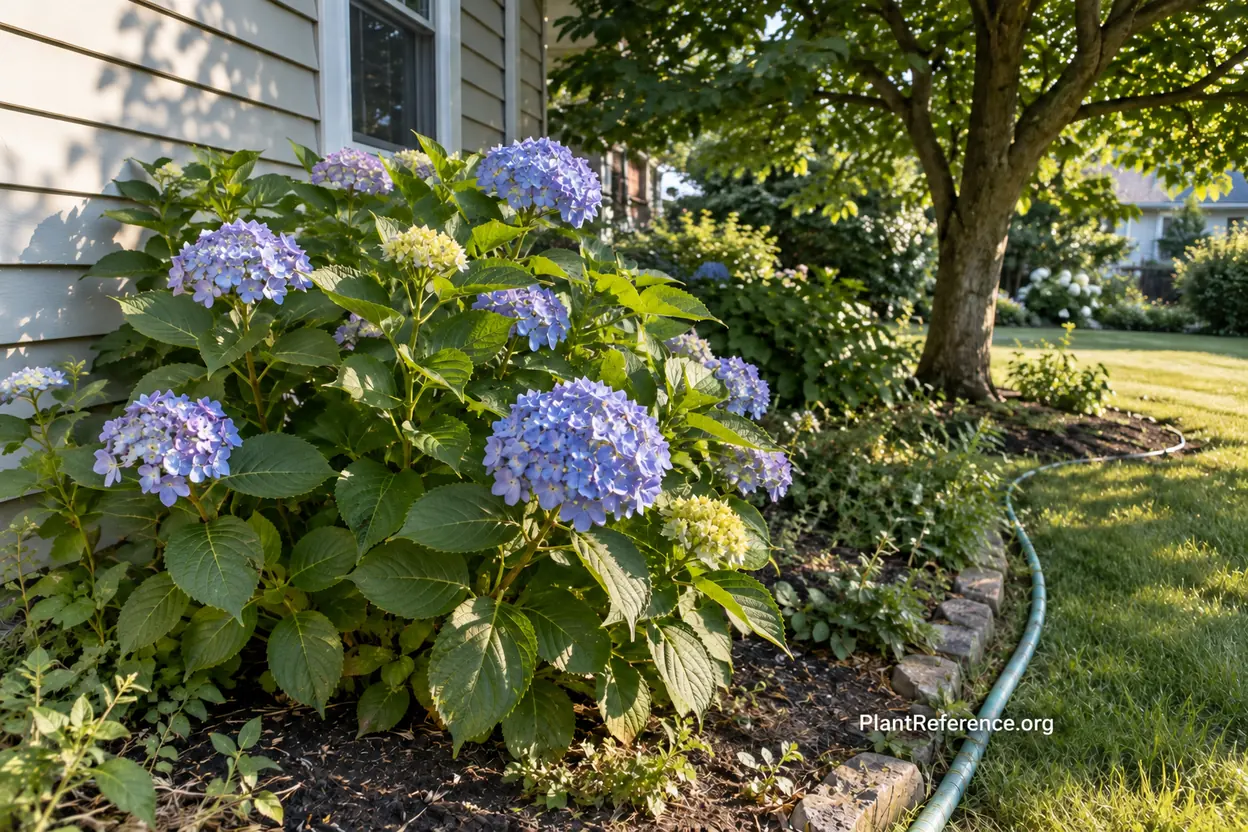
🌿Hydrangea macrophylla 'Endless Summer' usually performs best with morning sun and afternoon protection, particularly in hot climates. Deep shade can reduce flowering, while harsh all-day heat causes wilt and scorch. Measure the site's direct light instead of calling every bright spot “full sun.”
Water deeply as the root zone begins to dry, then allow drainage. Constant saturation damages roots, while repeated drought reduces growth and flower formation. Why Your Hydrangea Is Wilting (Even When Watered) helps interpret daily heat wilt versus root trouble.
Too much nitrogen produces the lushest nonblooming shrub on the block. Review lawn fertilizer drift and products applied around the bed. Feed only according to soil needs and the product label; more fertilizer does not force damaged buds to return.
Measure direct morning and afternoon light across the day.
Check moisture below the surface before watering.
Keep lawn fertilizer away from the hydrangea root area.
Stop feeding late enough for growth to harden before winter.
Record first and last bloom dates for two seasons.
Do not confuse flower color chemistry with flower production. How to Change Hydrangea Color: Blue, Pink & Purple covers aluminum and soil pH; acidifying a plant does not replace missing buds.
Protect Old Wood for Next Year's Flowers
After leaves fall and temperatures settle, protect the framework without sealing it in wet plastic. A loose cage filled with dry leaves and wrapped in breathable burlap can moderate wind and temperature swings. Keep the material supported so snow or ice does not crush stems.
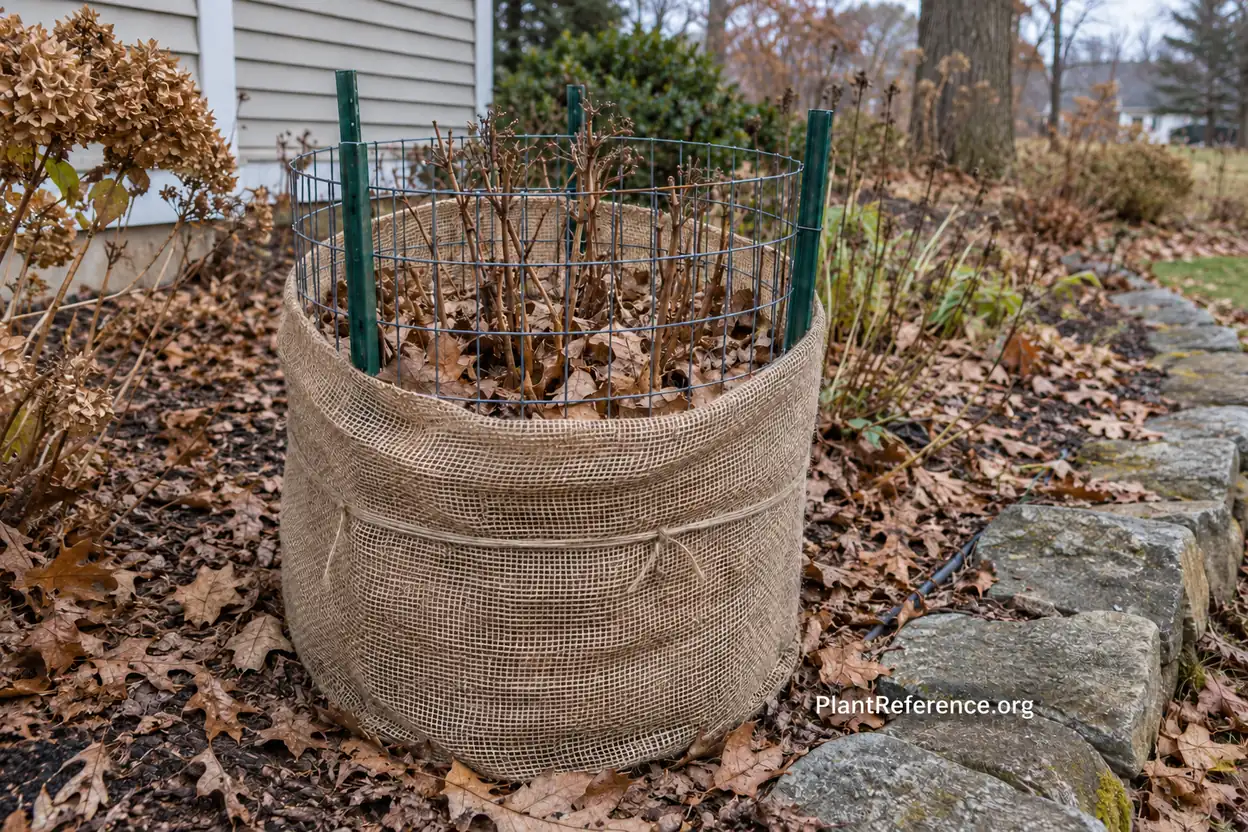
Remove protection gradually when severe cold has passed, but keep lightweight frost fabric ready after buds begin swelling. A late freeze can undo a careful winter in one night. Container specimens need root protection as well as bud protection; see Hydrangeas in Pots: Container Care & Winter Protection.
Know When to Choose a Different Hydrangea
Give corrected care two growing seasons if the shrub is healthy and you want to test the site fairly. If 🌿Hydrangea macrophylla 'Endless Summer' repeatedly produces leaves but almost no flowers in zones 4–5, the climate may be setting a harder ceiling than maintenance can overcome.
Panicle hydrangea 🌿Hydrangea paniculata flowers on new wood and is reliable through colder regions. A switch sacrifices the mophead form and soil-responsive blue-pink color, but it buys dependable flowering. Panicle Hydrangea Guide: Limelight, Little Lime & More covers sizes and choices.
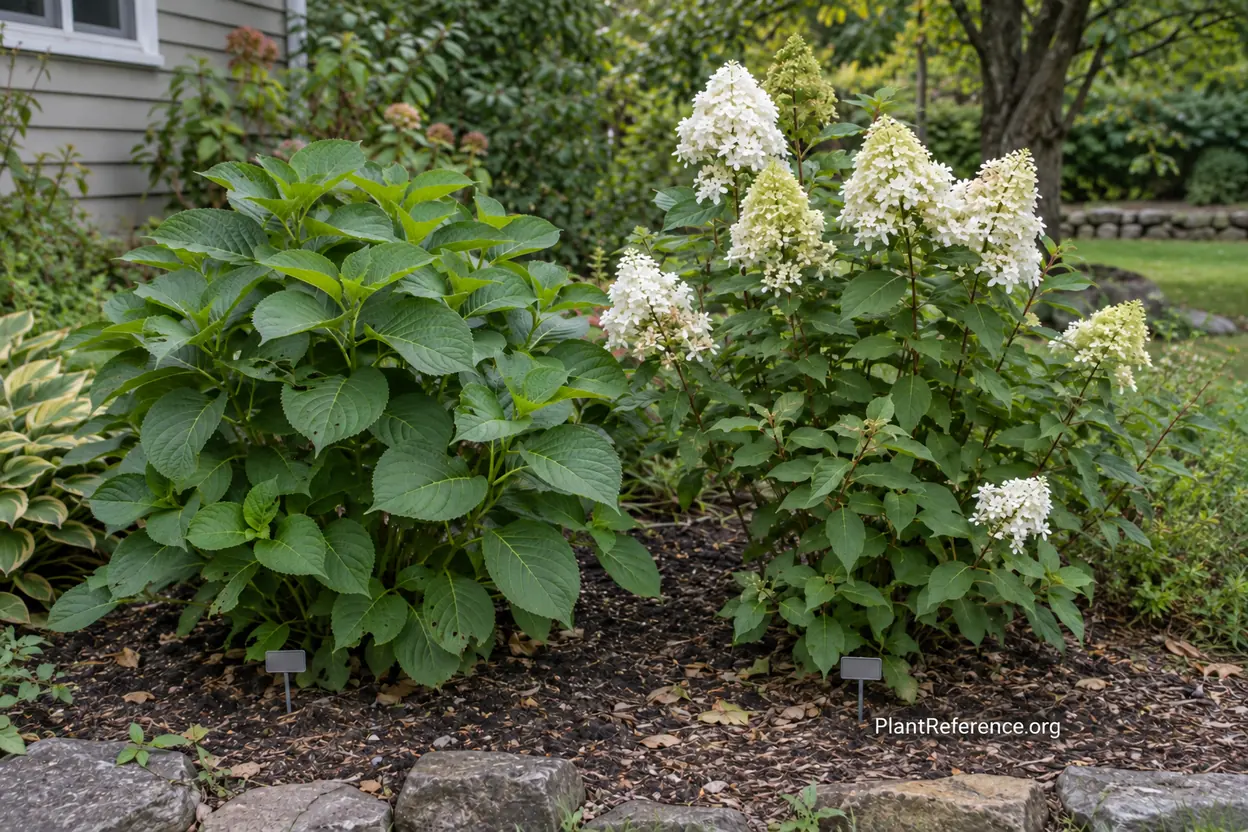
If leaves are browning or spotted, solve that separately with Hydrangea Leaves Turning Brown: Causes and Solutions. Do not keep adding treatments to one plant because multiple symptoms appear together.
The honest fix is not a single product. Preserve old wood, match light and moisture, avoid excess nitrogen, protect swelling buds, and decide whether the flowering pattern is acceptable for your climate.
Frequently Asked Questions
Reading about plants and recognising them are different skills. These three build the second.
- Daily PlantIdentify the day’s mystery plant from a close-up photograph.
- Keyed OutWork a dichotomous key, lead by lead, to name a hidden specimen.
- Name That PlantName a specimen from botanical clues dealt hardest first.
Free to play, no account needed
Tagged with
TJ stumbled into plant parenthood when a coworker gave him a neglected pothos. That single plant sparked an obsession that led him to quit his corporate marketing job and start a plant care service for busy professionals in Chicago. TJ maintains over 150 plants for residential clients and runs monthly plant swap meetups at local coffee shops. He's self-taught through YouTube, plant forums, and plenty of expensive mistakes (RIP to his variegated monstera). TJ specializes in troubleshooting common houseplant problems and is known for his blunt, no-BS advice: "Your plant isn't dying because Mercury is in retrograde—you're overwatering it." He's particularly skilled with finicky tropical plants like fiddle leaf figs and calatheas.