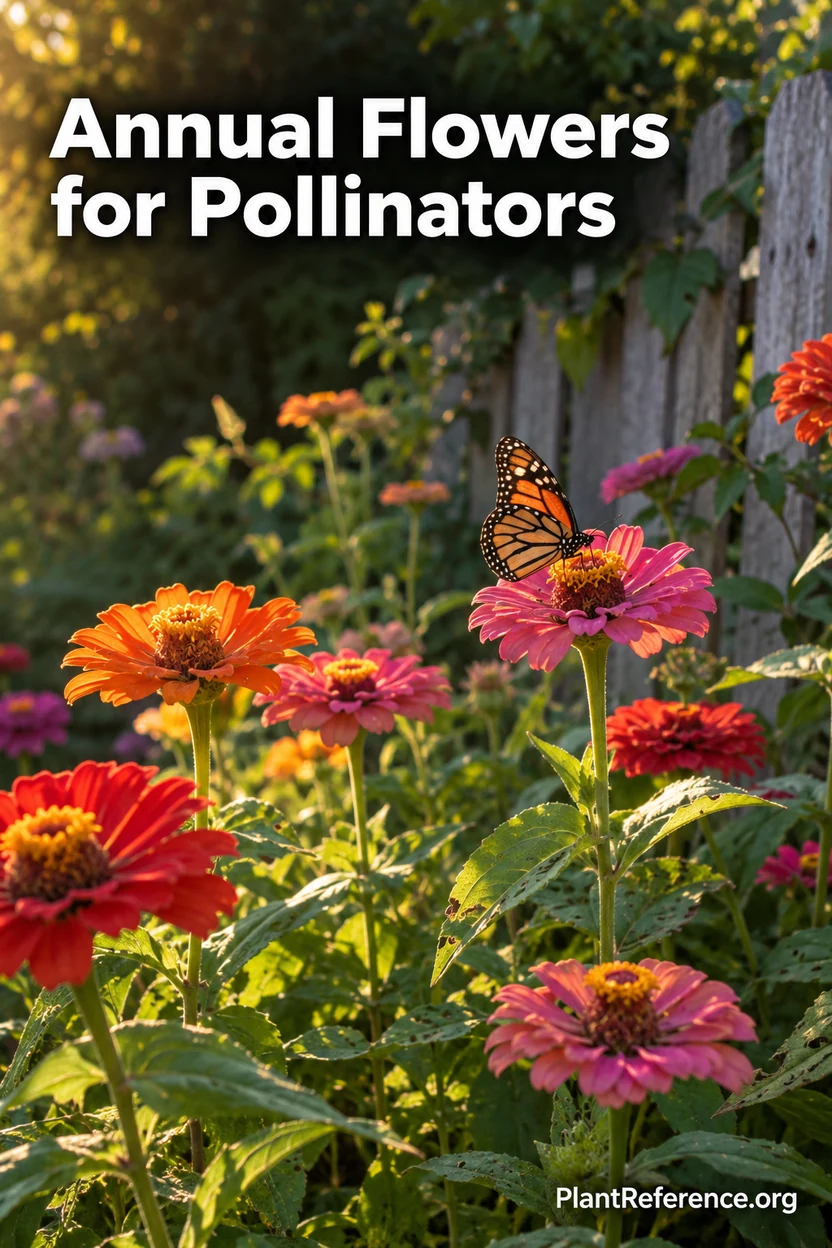
Best Annual Flowers for Pollinators: Choosing Wisely
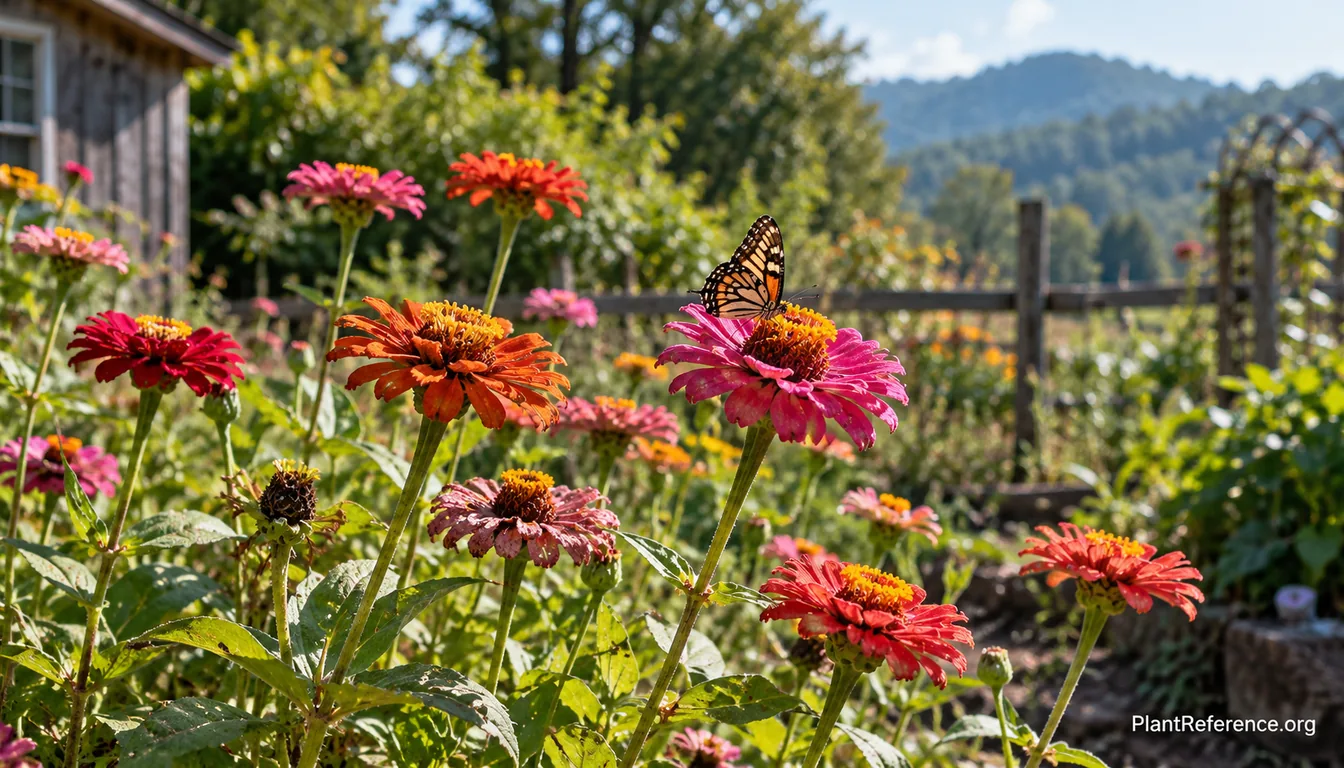
— Image © PlantReference.org 2026
Pets & Toxicity
Recorded toxicity for plants linked in this guide. An unknown status is not a safety assessment.
No linked plant is recorded as toxicDetailsHide
The best annual flowers for pollinators combine accessible blooms with a growing season that fits your garden. Begin with suitable zinnias for butterfly visits, compare other annuals by flower structure and available resources, and use them to complement locally appropriate native plants rather than replace them.
What Makes Annual Flowers Useful to Pollinators?
A flower can look generous to a gardener while offering little usable food to a particular visitor. Bees, butterflies, and hummingbirds do not all reach flowers in the same way. Flower form, the resources actually present, and timing matter more than a broad marketing label.
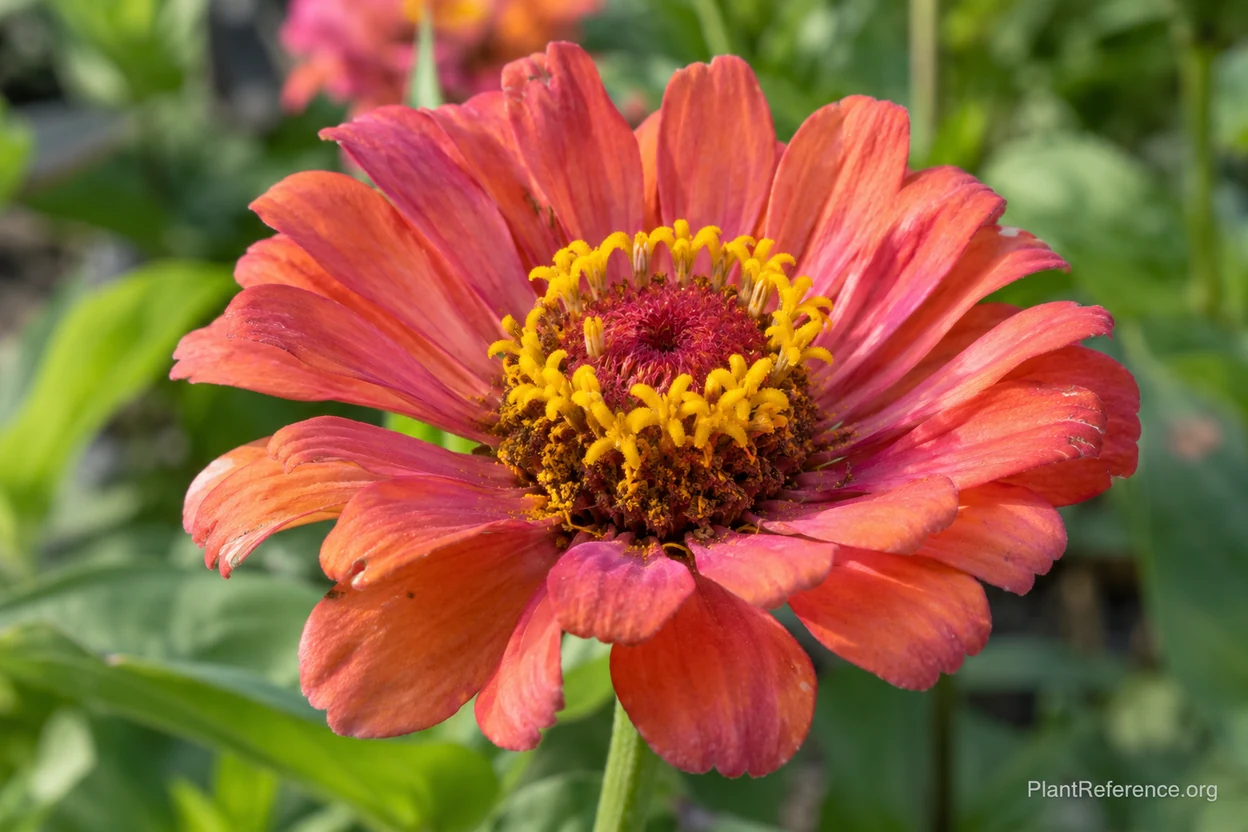
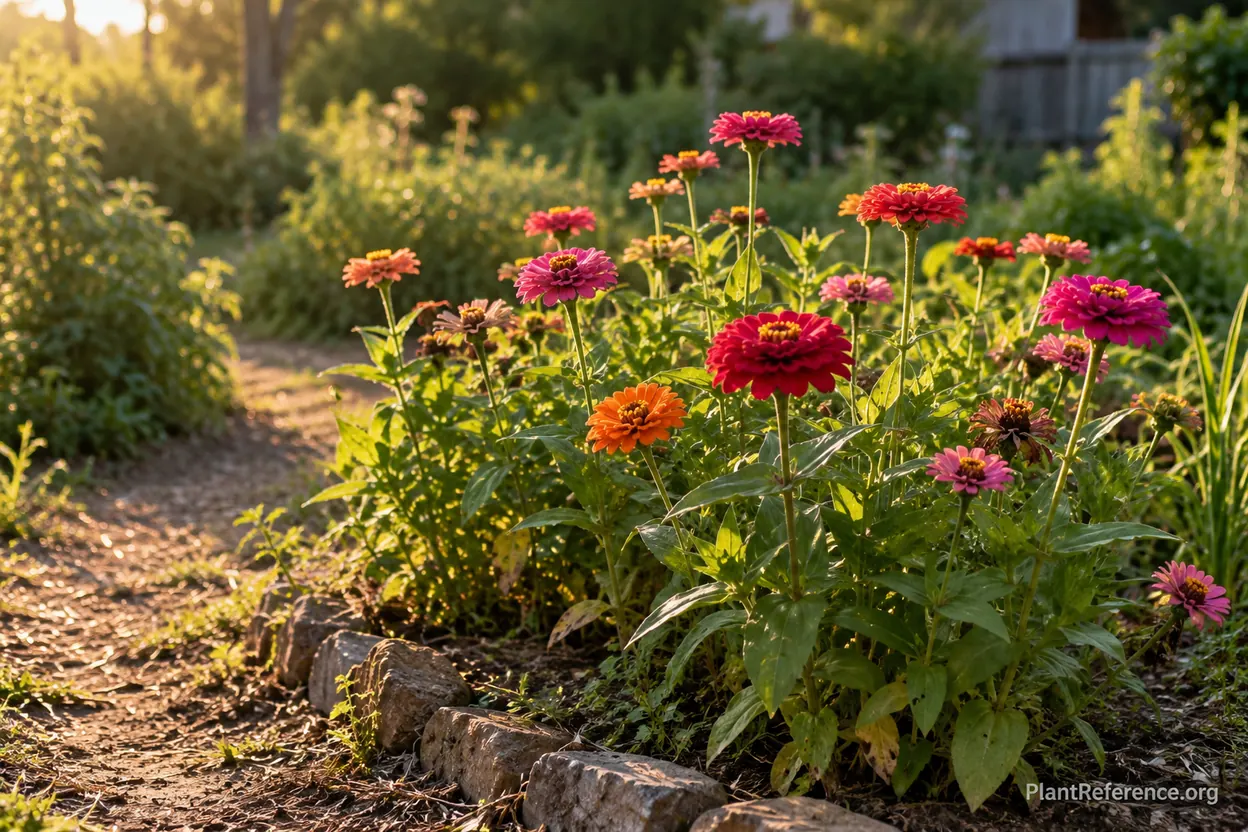
Zinnias 🌿Zinnia elegans (ZIN-ee-uh EL-eh-ganz) appear in the supporting research as flowers that provide a landing platform for butterflies. When choosing among selections, inspect the flower center rather than assuming all varieties offer identical access.
Start with plants that will grow well in your site. Soil Health 101: How to Build Living, Productive Garden Soil explains the foundation: a struggling planting that stops flowering cannot provide the same seasonal opportunity as a healthy one.
Compare Annual Flower Choices and Flower Shapes
This is a selection guide, not a measured ranking of nectar production or a promise of particular visitors. The annual-flower research supports the growing characteristics below, while the pollinator research emphasizes accessible flower shapes and specialized plant relationships. Confirm the exact selection before buying.
Choice or category | Useful role | What to compare | Important limit |
|---|---|---|---|
Zinnias | Warm-season flowers with butterfly landing space | Open centers, plant size, and bloom period | Varieties need not offer identical resources |
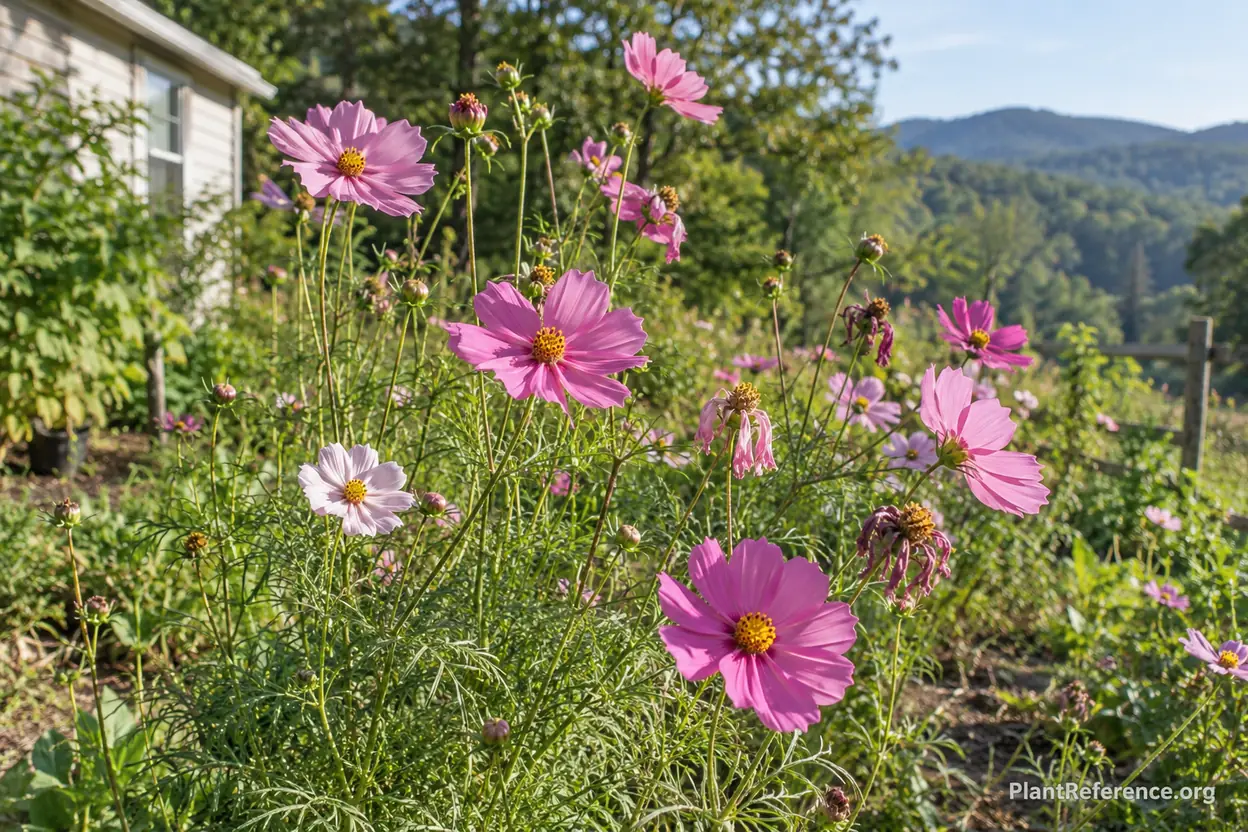
Cosmos | Airy, open-flowered summer planting | Flower accessibility and local visitor activity | A garden observation is not a universal ranking |
Annual sunflowers | Large flower heads in a sunny planting | Pollen production, growth habit, and size | Do not assume every commercial selection is equivalent |
Small shallow flowers or clusters | Potential access for smaller visitors | Actual flower structure and regional suitability | Color alone does not establish food value |
Tubular annual selections | A shape to assess for hummingbird use | Nectar availability and suitable flowering season | A tubular flower is not a guarantee of visits |
Zinnias and cosmos for a manageable summer patch
Zinnias need full sun, with at least six hours of direct light in the growing profile. Their spacing can range from 6–18 inches (15–46 cm), depending on selection. Follow the chosen variety's directions rather than crowding all plants into the tightest spacing.
Cosmos 🌿Cosmos bipinnatus (KOZ-mos bye-pin-NAY-tus) is a practical direct-sowing option and tolerates relatively lean soil. It offers an open flower form worth observing in a mixed planting. Avoid turning a useful candidate into an unsupported claim that it feeds every bee or butterfly equally.
Excess feeding is not a shortcut to better habitat. DIY Organic Fertilizer Blends: A Soil-Test-First Guide helps tie nutrient additions to a need rather than a hope for more flowers.
Sunflowers and specialized relationships
Sunflowers 🌿Helianthus spp. (hee-lee-AN-thus) illustrate why plant identity matters. The native-plant research identifies sunflower-associated specialist bees, but that does not establish that every ornamental sunflower selection supplies the same pollen resource.
Check whether a selection is marketed as pollenless and understand what that means for your goal. Do not confuse its suitability for bouquets with its contribution to pollen-feeding insects. Also check mature size before fitting it into a small bed or container.
Plan a Longer Season of Bloom
One spectacular week of flowers leaves gaps before and after it. Plan a sequence suited to your frost dates and local conditions, then use annuals to fill the warm-season portion. Established native plants can provide resources outside that annual planting's useful window.
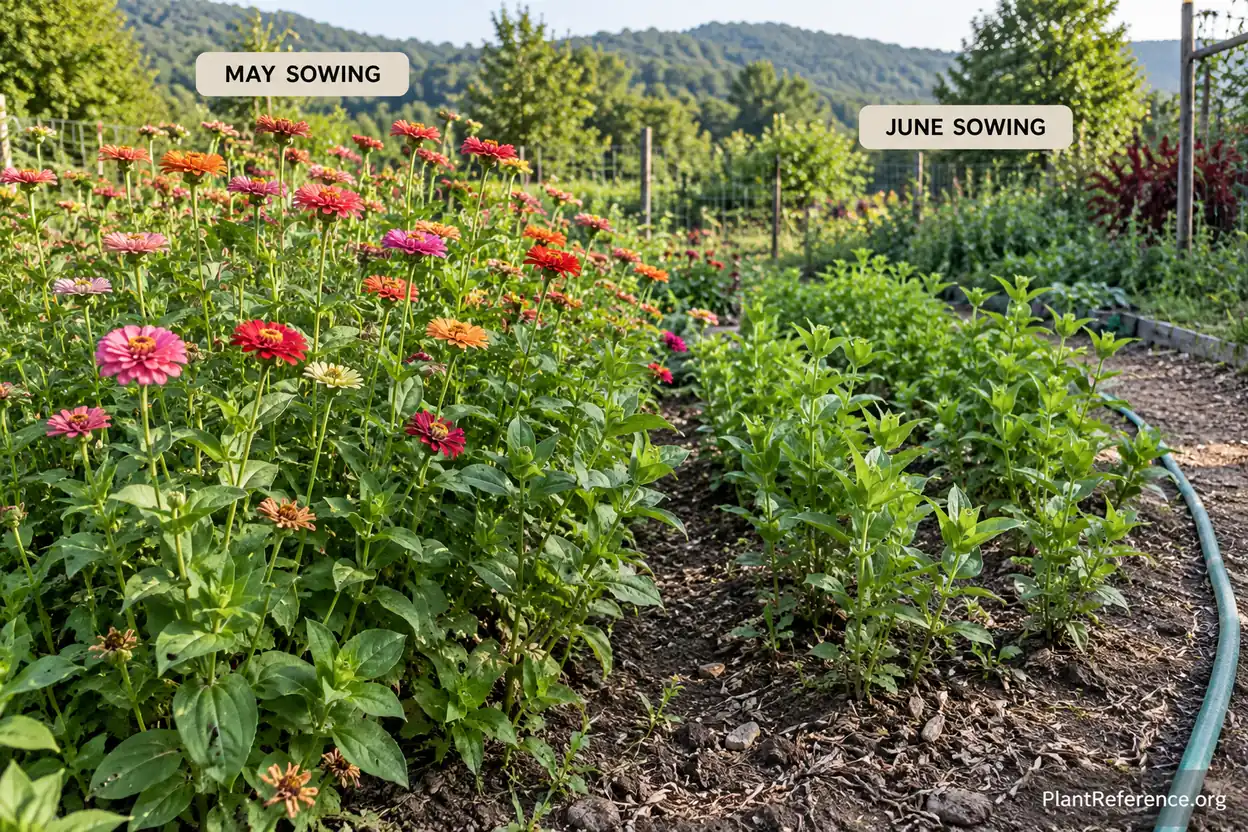
Zinnias may begin blooming around 60–70 days from seed, while cosmos commonly needs about 60–90 days. Treat these as planning ranges, not guarantees. Temperature, establishment, and the chosen selection affect the outcome.
Use successive sowings thoughtfully
Where the remaining season allows, sowing zinnias or cosmos in batches about two to three weeks apart can extend the display. Keep enough time for the later plants to flower before cold weather ends their growth. There is no single final sowing date that works for every region.
Southeast Gardening Guide: Heat, Humidity & Clay Soil gives regional context for warm, humid gardens. Soil Types by Region: Diagnose and Fix Your Garden Soil helps distinguish site constraints from a problem with the flower choice itself.
Keep roots healthy enough to support flowers
Provide appropriate moisture and drainage, and leave enough space to inspect the planting. Powdery mildew is a common zinnia problem; airflow and suitable resistant selections belong in the plan before disease develops.
For a small patio planting, Container Gardening: Pots, Soil, Water & Yields addresses the limited root volume and watering demands. A few well-managed flowers can be a useful addition, but a container is not a complete substitute for surrounding habitat.
Add Habitat Beyond Annual Flowers
Adult butterfly feeding and caterpillar development are different needs. Monarch caterpillars depend on milkweeds and closely related host plants; a bed of nectar flowers alone does not provide that larval food. Choose locally appropriate native host plants as part of the broader garden.
The supporting milkweed research recommends locally native species rather than defaulting to tropical milkweed. It also emphasizes that adult monarchs need a sequence of nectar plants, particularly during late-season movement. Annual flowers can contribute to a design without being its entire foundation.
Think beyond a universal flower list
Some native bees have specialized pollen relationships. A general flower assortment cannot be assumed to support every local species, even when honeybees visit it frequently. Regional native plants help address needs that an annual bedding display may miss.
Convert a Lawn to Native Meadow: 3 Prep Methods covers a larger habitat project, while Best Native Plants for Eastern Woodland Gardens illustrates how plant choices change with setting. Use regional guidance rather than importing a meadow recipe into a shaded woodland yard.
Hummingbirds need a broader plan too
The native-plant research identifies tubular flowers as an important form for hummingbird feeding and names native perennials and vines among suitable choices. That is a reason to evaluate flower structure, not to label every red annual a proven hummingbird plant.
When comparing annual options, ask for the exact species or cultivar and credible information about its use. Pair seasonal color with appropriate longer-lived plants where space allows. Do not replace a well-suited native nectar plant merely to make the entire garden annual.
Shop Carefully and Observe the Results
Ask how nursery plants have been treated, especially whether systemic insecticides were used. The supporting pollinator research warns that systemic treatments can enter plant tissues and expose the animals the planting is intended to support. A colorful “bee-friendly” tag does not reveal treatment history.
Avoid routine insecticide use on a planting intended for visiting wildlife. Identify a problem before deciding on any control, and do not assume an organic label makes a spray harmless to beneficial insects. Caterpillars and other insects may be part of the habitat you are trying to create.
Compare information, not just packaging
Useful purchase details include the plant's identity, mature size, exposure, bloom period, and any special flower characteristics. An unnamed seed mix makes those comparisons difficult. Rain Garden Plant Kits and Native Seed Mixes offers another example of why a collection must match the site and purpose.
Before buying, check these points:
Identify the plant and compare its mature size with your available space.
Look for accessible flowers and information about actual resources.
Plan flowering periods rather than buying every plant at peak bloom.
Ask about nursery pesticide treatments.
Include appropriate host plants and habitat beyond the annual display.
Learn from repeated observation
Watch the planting at different times and in different weather. Record which flowers receive visits and whether visitors are feeding, resting, or simply passing through. A single quiet afternoon does not establish that a plant has no value.
Likewise, one crowded flower does not prove a universal winner. Keep useful selections, address gaps in the season, and expand the habitat thoughtfully. The best annual flowers for pollinators are part of a locally responsive garden, not a fixed shopping list.
Frequently Asked Questions

Reading about plants and recognising them are different skills. These three build the second.
- Daily PlantIdentify the day’s mystery plant from a close-up photograph.
- Keyed OutWork a dichotomous key, lead by lead, to name a hidden specimen.
- Name That PlantName a specimen from botanical clues dealt hardest first.
Free to play, no account needed
Tagged with
Claire runs a small cut flower farm on two acres outside Asheville, North Carolina, where she grows annual flowers for farmers market bouquets and a subscription CSA. She studied art in college and fell into flower farming after volunteering at a community garden during graduate school. What started as a few rows of zinnias and cosmos turned into a full-time business within three years. Claire grows over 40 annual flower varieties from seed each season, managing succession plantings from February through October. She teaches seed-starting workshops at the local cooperative extension office and mentors new flower farmers through their first seasons. Claire writes from direct growing experience — she has started tens of thousands of seeds, trialed hundreds of varieties, and made every mistake in the annual flower book at least once. Her advice is specific, seasonal, and grounded in what actually works in the field, not what looks good in a catalog photo.