Cosmos, Genus, bipinnatus, Species,
- Genus & species
cosmos
Mexico and Central America; naturalized across North America, Europe, Asia, Australia
SunFull Sun
Overview
Cosmos bipinnatus is a fast-growing warm-season annual reaching 36–60 inches (90–150 cm) tall and 18–24 inches (45–60 cm) wide, depending on soil fertility and cultivar. Stems are erect, freely branching, green to reddish, and hollow. Leaves are bipinnately divided 4–6 inches (10–15 cm) long, finely dissected into thread-like segments in bright to medium green, giving the plant a characteristic feathery silhouette. Flower heads are 2–4 inches (5–10 cm) across with 8 broad notched ray florets surrounding a prominent golden-yellow disc; ray colors across the species range from white and pale pink to deep crimson, magenta, and burgundy, with bicolor and picotee forms available in cultivar selections. Plants bloom continuously from midsummer through first frost and self-seed prolifically in favorable conditions — volunteer seedlings emerge the following spring and may differ in color from selected parents because of the species's open-pollinated seed production. The tall 3–5 foot habit benefits from light staking or the support of neighboring plants in exposed or windy positions. The species is native to Mexico and Central America and is naturalized across North America, Europe, Asia, and Australia. Not known to be toxic to pets or humans.
Native Range
Cosmos bipinnatus is native to Mexico and Central America, growing in disturbed ground, roadsides, and field margins at 1,000–8,500 feet (300–2,600 m) elevation. The species is naturalized across North America, Europe, Asia, and Australia in temperate and subtropical climates.Suggested Uses
Direct-sown in meadow plantings, cottage garden borders, or cutting gardens at 18–24 inch (45–60 cm) spacing. Tall stems serve as cut flowers: harvest when 1–2 ray petals on a stem are beginning to open and expect 5–7 days of vase life in water. The self-seeding habit fits naturalized annual meadows where seedheads are left to mature and volunteer seedlings fill in the planting year after year without replanting. Flowers attract nectar-feeding pollinators including honey bees, native bumble bees, hoverflies, and butterflies continuously from July through first frost — a 12–14 week pollinator-support window when most perennials have finished their main bloom. The plant does not grow well in rich fertile soils (produces foliage at the expense of flowers), waterlogged positions, or deep shade.How to Identify
Appearance
Size & Dimensions
Height3' - 5'
Width/Spread1'6" - 2'
Bloom Information
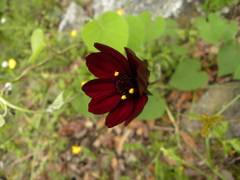
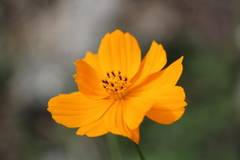
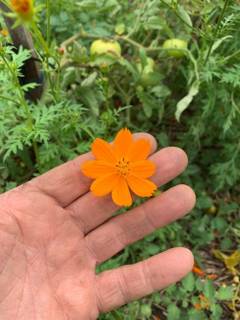
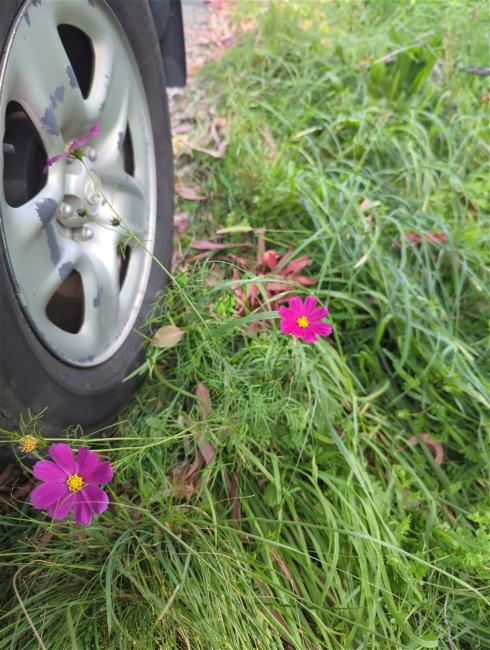
Flower heads 2–4 inches (5–10 cm) across with 8 broad notched ray florets in white to pink to deep crimson or magenta surrounding a golden-yellow disc appear continuously from midsummer through first frost, typically July through October in USDA zones 5–8. In USDA zones 9–11, the species can be sown in late summer for fall through winter bloom. Earlier-flowering dwarf cultivars begin bloom 6–8 weeks from seed germination; taller cultivars begin bloom 9–12 weeks from germination. Individual flower heads last 5–7 days and new buds form continuously throughout the growing season.
Detailed Descriptions
Flower Description
White to pale pink to deep crimson or magenta or burgundy; 8 broad notched ray florets 2-4 inches across with golden-yellow disc; bicolor and picotee forms available in cultivarsFoliage Description
Bright to medium green; bipinnately divided 4-6 inches long with finely dissected thread-like segmentsGrowing Conditions
Sun Requirements
Requires 6-12 hours of direct sunlight daily
• Full Sun: 6+ hours of direct sunlight
• Partial Shade: 3-6 hours of direct sunlight
• Full Shade: Less than 3 hours of direct sunlight
Water & Climate
Water Needs
Drought Tolerance
Drought tolerant when established
Care & Maintenance
Care Guide
Grow in full sun with 6 or more hours of direct light in lean to moderately fertile loam, sandy loam, or clay loam at pH 6.0–7.5, with well-drained positioning. Direct sow seed 0.25 inch (6 mm) deep after last frost in a prepared bed, or start indoors 3–4 weeks before last frost. Thin or transplant to 18–24 inches (45–60 cm) spacing once seedlings have 2–3 true leaves. The species thrives in lean to moderately fertile soils and produces 30–50% fewer flowers with 2–3 times the foliage mass in rich amended garden loam — excess soil nitrogen pushes vegetative growth at the expense of flowering, so routine fertilization is avoided and the species is planted in unimproved garden soils rather than amended beds. Water during establishment in the first 2–3 weeks after germination or transplanting; established plants tolerate dry periods of 1–2 weeks without significant bloom reduction. Taller cultivars may need staking or the support of neighboring plants in exposed positions where wind would otherwise flatten stems. Powdery mildew appears in humid conditions late in the season; reducing overhead irrigation and increasing plant spacing reduces mildew pressure substantially.Pruning
Deadhead spent flower heads by cutting back to the next lateral bud to extend bloom by 2–3 weeks and reduce self-seeding in garden positions where volunteer seedlings would be unwanted. Alternatively, leave seedheads to mature for self-seeding in naturalized plantings — volunteer seedlings emerge the following spring and fill meadow or cottage-garden positions with minimal replanting effort. Shear back by one-third in midsummer if plants become leggy or if the first bloom flush has been exhausted by heavy deadheading.Pruning Schedule
Prune: August–September
summerfall
Toxicity
Non-toxicPlanting Guide
Planting Methods & Timing
Planting Method
direct sow
Indoor Start
3 weeks before last frost
Direct Sow Timing
Direct sow after last frost, 0.25 inch (6 mm) deep. In zones 9–11, sow in late summer for fall bloom.
Days to Maturity
60–90 days
Plant Spacing
18 inches
Companion Planting
Good Companions