Cosmos, Genus, spp., Multiple species,
- Genus
- Multiple species
cosmoses
Overview
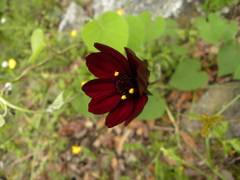
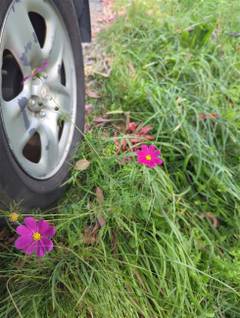
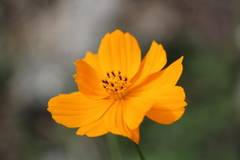
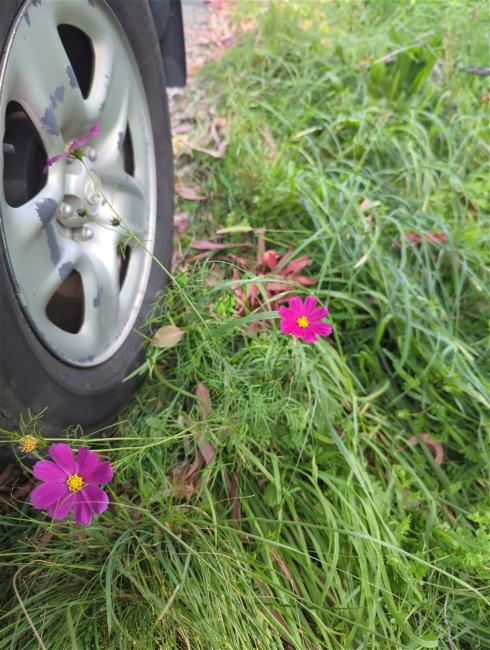
Cosmos is a genus of about 35 species in the daisy family (Asteraceae), native to scrubland, meadow, and roadside habitats from the southern United States through Mexico to South America. The genus includes fast-growing annuals and a few tuberous perennials. Plants form upright, branching stems 1 to 6 ft (30 cm to 1.8 m) tall, clothed in opposite, deeply and finely divided leaves that give the foliage a feathery look. Single daisy-like heads 1 to 4 in (2.5 to 10 cm) across sit on long stalks, each ringed by broad ray florets around a central disc. Color varies by species: C. bipinnatus carries white, pink, and crimson rays; C. sulphureus adds yellow, orange, and scarlet; and C. atrosanguineus, the chocolate cosmos, bears deep maroon flowers with a cocoa-like scent. Bloom runs from early summer until frost, drawing bees, butterflies, and hoverflies, while finches strip the ripe seed. Annual species self-sow readily and can spread beyond their bed. Tall kinds may flop in rich soil or wind without support, and the perennial chocolate cosmos is frost-tender and lifted as a tuber in cold regions.
Native Range
The genus is native to the Americas, from the southern United States and Mexico through Central America to South America. Mexico is the center of diversity, and several species have naturalized worldwide from garden use.Suggested Uses
Used in annual borders, cutting gardens, meadow mixes, and pollinator plantings, and as quick filler in new beds. Cosmos stand well in the vase and are sown in drifts at the back or middle of borders. Compact selections suit containers and window boxes.How to Identify
Appearance
Size & Dimensions
Height1' - 6'
Width/Spread1' - 2'
Bloom Information
Flowering begins in early to midsummer and continues until the first hard frost. Plants bloom most heavily about 7 to 10 weeks after sowing and rebloom steadily when old heads are removed. In frost-free areas the perennial species can flower across much of the year.
Detailed Descriptions
Flower Description
white, pink, crimson, yellow, orange, and maroonFoliage Description
greenGrowing Conditions
Sun Requirements
Requires 6-10 hours of direct sunlight daily
• Full Sun: 6+ hours of direct sunlight
• Partial Shade: 3-6 hours of direct sunlight
• Full Shade: Less than 3 hours of direct sunlight
Care & Maintenance
Care Guide
Plants grow in full sun in light, well-drained soil of low to moderate fertility, and bloom poorly in shade. Lean ground keeps stems sturdy, while rich soil and heavy feeding push leafy growth at the expense of flowers. Seed is sown directly after the last frost or started indoors four to six weeks earlier. Even moisture helps young plants, but established stands tolerate dry spells. Tall types need staking or close spacing for mutual support. Powdery mildew, aphids, and the occasional spell of grey mould are the main problems.Pruning
Regular removal of faded heads extends bloom and curbs self-sowing. Cutting plants back by a third in midsummer can renew leggy, sprawling growth. Tuberous perennials are cut to the ground after frost before lifting or mulching.Container Growing
Suitable for container growing
Minimum container size: 2 gallons