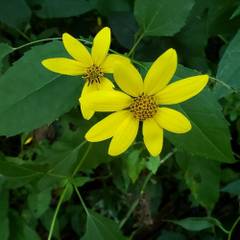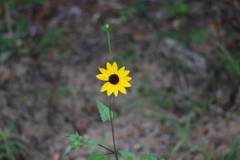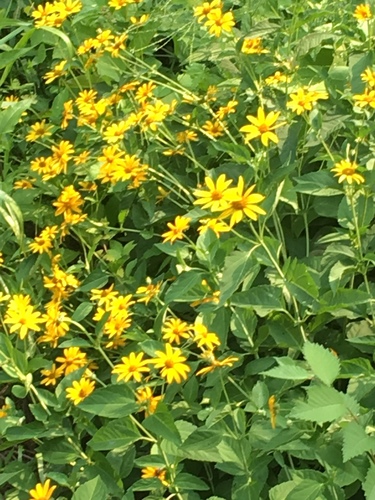
Helianthus, Genus,
- Genus
sunflower
North America with the greatest species diversity in the central United States; H. annuus was domesticated by Indigenous peoples across the continent and has been cultivated worldwide for millennia beyond its native range
SunFull Sun
Overview
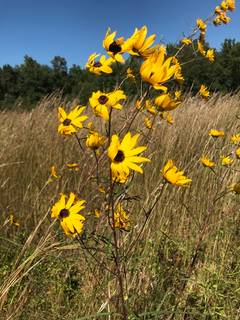
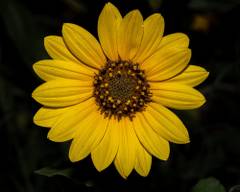
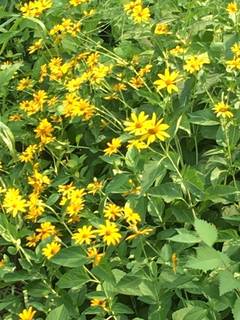
Helianthus is a genus of approximately 70 species of annual and perennial plants in the family Asteraceae, native to North America. Helianthus annuus, the common annual sunflower, is the most-stocked annual sunflower in commercial cultivation and produces erect unbranched-or-branching stems 2–12 feet (60–360 cm) tall with large rough heart-shaped-to-ovate leaves 4–12 inches (10–30 cm) long and terminal flower heads 3–12 inches (8–30 cm) wide carrying golden-yellow ray florets around a flat-to-slightly-domed central disc in yellow-green, dark brown, or near-black. Modern cultivars range from compact 2-foot (60 cm) patio selections to 12-foot (3.6 m) giants; flower color selections include cream, lemon, gold, orange, copper, bronze, mahogany, and near-burgundy in addition to bicolors. The disc florets produce large oil-rich seeds valuable to wild bird populations. Perennial species such as H. tuberosus (Jerusalem artichoke) and H. maximilianii (Maximilian sunflower) form spreading clumps 5–9 feet (1.5–2.7 m) tall and bloom in late summer to fall. All sunflower species run heliotropic (tracking the sun across the sky) as young plants before the growth-response mechanism ceases at maturity.
Native Range
The genus Helianthus is native to North America, with the greatest species diversity concentrated across the central United States. Helianthus annuus is native to the Great Plains and western United States, where the species grows in disturbed ground, along roadsides, and across native prairies. The species was domesticated by Indigenous peoples of North America before European contact and has since been cultivated worldwide for millennia beyond its native range, supplying seeds for food, oil, and ornamental flower production across global agriculture.Suggested Uses
Annual types are planted in cutting gardens, vegetable gardens, and informal borders for summer-to-fall color and cut-flower harvest, at 6–24 inch (15–60 cm) spacing depending on cultivar mature height. Perennial types are planted in large-scale borders, native plantings, and prairie garden installations where the spreading clump habit fits the available garden space. Seed heads across all species supply substantial bird food through fall and into winter, which extends the genus's garden contribution well beyond the bloom window itself. Container cultivation requires a minimum 5-gallon pot for compact cultivars; taller cultivars run poor fits for container cultivation because the root system cannot support the stem mass in container volumes.How to Identify
Appearance
Size & Dimensions
Height2' - 12'
Width/Spread1' - 3'
Bloom Information
Annual types bloom 60–90 days from sowing, typically July through September across temperate climates; successive sowings every 2–3 weeks extend the seasonal display window. Perennial species (H. maximilianii, H. decapetalus) bloom August through October. Individual flower heads run 2–3 weeks before seeds begin to mature and the ornamental display transitions into the seed-head phase that carries through into the winter bird-feeding season.
Detailed Descriptions
Flower Description
Yellow, gold, orange, bronze, copper, mahogany, and cream ray florets surrounding dark brown to near-black central discs; terminal flower heads 3-12 inches wide; modern cultivars include bicolors and dark-toned selections beyond the species-type yellowFoliage Description
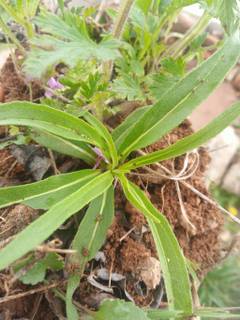
Medium to dark green; large heart-shaped to ovate leaves with a rough sandpapery surface texture that carries across the full growing seasonGrowing Conditions
Sun Requirements
Requires 6-12 hours of direct sunlight daily
• Full Sun: 6+ hours of direct sunlight
• Partial Shade: 3-6 hours of direct sunlight
• Full Shade: Less than 3 hours of direct sunlight
Water & Climate
Water Needs
Drought Tolerance
Drought tolerant when established
Care & Maintenance
Care Guide
Annual types are direct-sown after last frost in full sun in average well-drained soil (pH 6.0–7.5) — seeds are sown 0.5–1 inch (1.3–2.5 cm) deep at 6–24 inch (15–60 cm) spacing depending on cultivar mature height. Sunflowers do not transplant well, so direct sowing in the final position supplies better establishment than nursery-grown starts. Water runs through establishment; mature plants tolerate drought well once the root system has developed. No fertilization is required in average garden soil; excess nitrogen produces large leafy plants with fewer flowers than nutrient-moderated plants produce. Tall cultivars over 5 feet (1.5 m) may need staking in windy locations to prevent stem breakage. For perennial types, plants are cut back by one-half in late May to reduce mature height and increase branching density; division runs every 3–4 years in early spring to manage clump spread.Pruning
For annual types, no pruning is required during the growing season. Seed heads are left standing after bloom to feed goldfinches and other seed-eating birds; plants are cut to the ground after seeds are consumed or in early spring before the next sowing cycle. For perennial types, plants are cut back by one-third to one-half in late May to reduce mature height and prevent staking needs, and are cut to ground after frost. Division runs every 3–4 years in early spring to manage spread and maintain plant vigor.Pruning Schedule
Prune: October–November
fall
Container Growing
Suitable for container growing
Minimum container size: 5 gallons
Toxicity
Non-toxicPlanting Guide
Planting Methods & Timing
Planting Method
direct sow
Direct Sow Timing
Sow directly after last frost date, 0.5–1 inch (1.3–2.5 cm) deep
Days to Maturity
60–90 days
Plant Spacing
12 inches