Helianthus, Genus, strumosus, Species,
- Genus & species
pale-leaved woodland sunflower
Overview
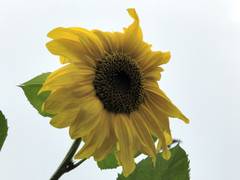
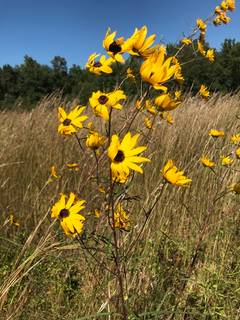
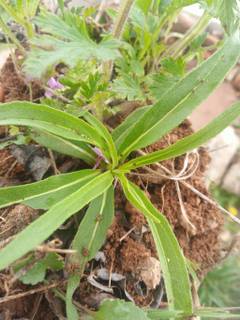
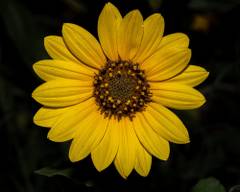
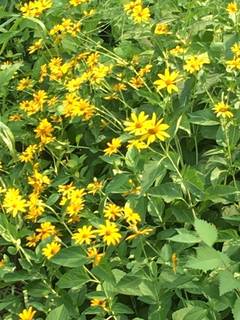
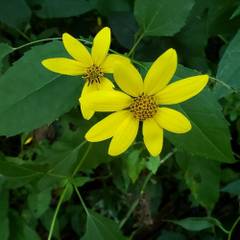
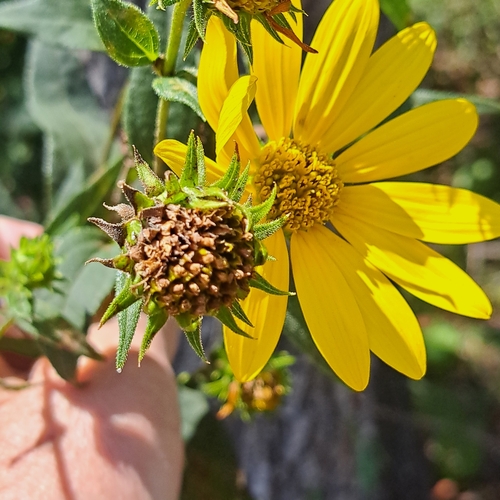
Helianthus strumosus is a rhizomatous herbaceous perennial growing 3-6 feet (90-180 cm) tall, spreading into colonies by underground stems. The stems are smooth and often whitish-coated below the flowers. The leaves are lance-shaped to ovate, 3-8 inches (8-20 cm) long, rough on the upper surface, pale and slightly hairy beneath, and held on short stalks. From July to September the branched stems bear yellow flower heads 2-3.5 inches (5-9 cm) across, each with 8 to 15 ray florets around a yellow central disk. Helianthus strumosus grows at woodland edges, in clearings, thickets, and along roadsides across the central and eastern United States and adjacent Canada. It tolerates part shade better than most sunflowers but spreads steadily by rhizomes and can form large patches. The flowers draw bees and butterflies, and the seeds feed birds in autumn. Plants reach full size in 2 to 3 years and may lean in shade or rich soil. It stands more upright in sun and lean ground.
Native Range
Helianthus strumosus is native to the central and eastern United States and adjacent Canada, from Ontario and Maine south to Georgia and west to Texas. It grows at woodland edges, in clearings, thickets, and along roadsides.Suggested Uses
Helianthus strumosus is used in woodland edges, native plant gardens, and naturalized meadow plantings, spaced 24-36 inches (60-90 cm) apart. Its shade tolerance and spreading habit suit large, informal areas rather than small borders. The late flowers and seeds support pollinators and birds.How to Identify
Appearance
Size & Dimensions
Height3' - 6'
Width/Spread2' - 4'
Bloom Information
Detailed Descriptions
Foliage Description
greenGrowing Conditions
Sun Requirements
Requires 4-8 hours of direct sunlight daily
• Full Sun: 6+ hours of direct sunlight
• Partial Shade: 3-6 hours of direct sunlight
• Full Shade: Less than 3 hours of direct sunlight
Care & Maintenance
Care Guide
Helianthus strumosus grows in full sun to part shade and dry to medium, well-drained soil, including poor and rocky ground. It tolerates more shade than most sunflowers and spreads by rhizomes into broad colonies, so it is given room or contained where spread is unwanted. Water is needed only during extended dry spells once established. Rich soil and shade produce tall, leaning stems. No fertilizer is needed in average soils. It self-sows and spreads readily in open ground.Pruning
Stems are cut to the ground in late winter before new growth begins. Cutting plants back by one-third in early summer lowers height and reduces leaning. Spent flower heads are left for birds or removed to limit self-seeding.Pruning Schedule
Prune: February–March
winter